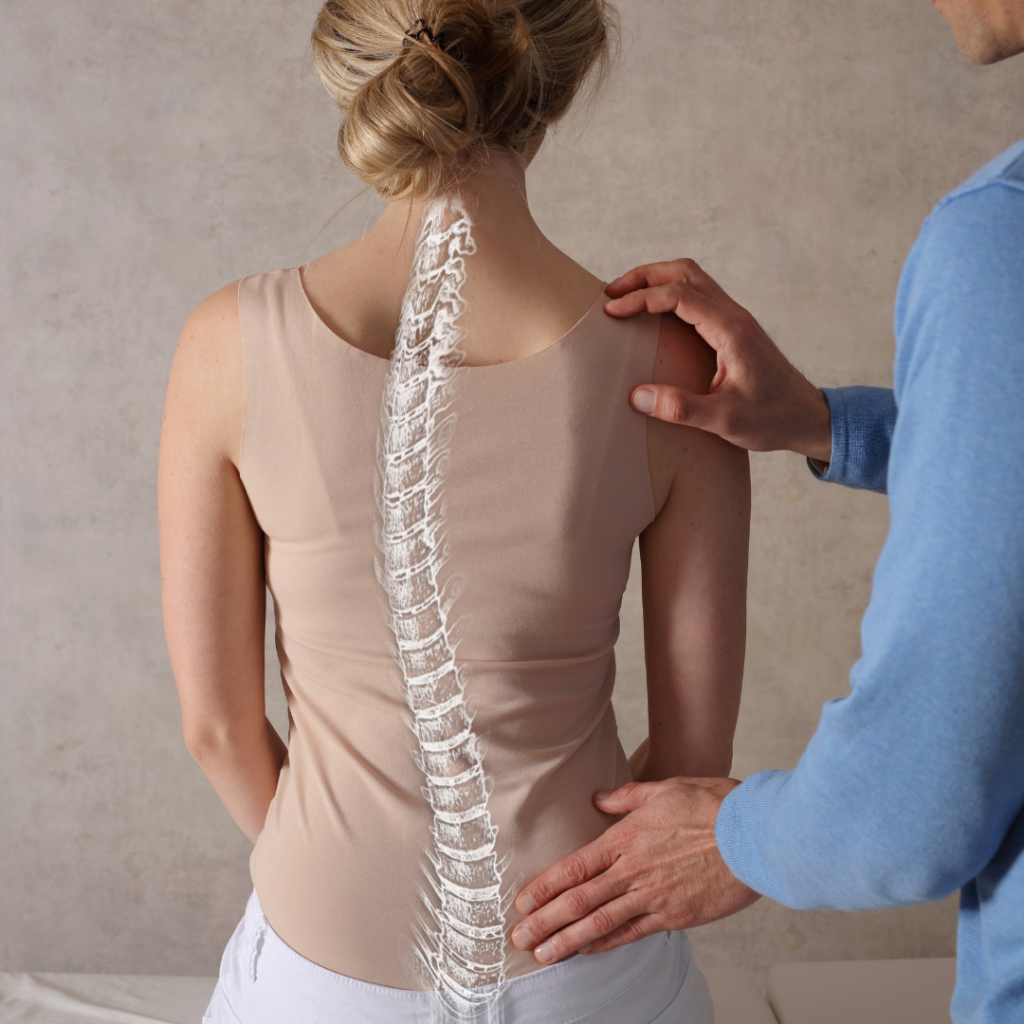
If you've ever dealt with sports-related back pain, you understand just how much it can impact your performance and enjoyment of the game. As a local Chiropractor, I want to share that there are effective, natural treatments available to alleviate discomfort and support your healing process. Techniques such as spinal adjustments and tailored exercise plans can be customized to meet your unique needs. You might be surprised to discover how simple changes, like improving your posture and making ergonomic adjustments in your daily activities, can lead to significant improvements in your condition. Are you ready to learn about the top ten treatments that can help you return to your peak performance? Let's explore these options together!
Physical Therapy
Chiropractic care is a vital approach to managing sports-related back pain, providing natural healing methods that can help you regain strength and flexibility. When dealing with discomfort, it's important to realize that recovery goes beyond mere rest; it involves actively participating in your rehabilitation journey. A knowledgeable chiropractor will evaluate your condition and design a customized treatment plan that addresses your specific needs.
In your visits, you'll likely engage in targeted adjustments and manipulations aimed at improving spinal alignment and overall function. These techniques can help reduce pain and enhance your body's ability to heal itself.
Additionally, you'll work on specific exercises to strengthen your core muscles, which are crucial for supporting your spine and preventing further injuries. Improved flexibility through tailored stretching routines will also be emphasized, allowing you to return to your favorite activities with greater ease.
Beyond adjustments, your chiropractor may incorporate natural therapies such as heat, ice, or ultrasound to alleviate pain and inflammation. These modalities can offer immediate relief while you focus on long-term healing strategies.
You'll also receive guidance on optimizing your posture and body mechanics, ensuring that you move safely and efficiently in your daily life.
As you progress through your treatment, you'll discover valuable self-care techniques to integrate into your routine. This proactive approach not only supports your current recovery but also empowers you to maintain a healthy, active lifestyle in the future.
With commitment and the right chiropractic care, you can overcome sports-related back pain and get back to the activities you love.
Chiropractic Care
As a local chiropractor, I want to help you understand the vital role chiropractic care can play in alleviating sports-related back pain. Many athletes, whether amateur or professional, often overlook the importance of maintaining a healthy spine and musculoskeletal system. Chiropractic care utilizes hands-on techniques that promote healing, helping you stay active and perform at your best.
One of the primary focuses of chiropractic care is spinal adjustments and manipulation. These techniques are designed to restore proper alignment and function to your spine, which not only alleviates pain but also enhances your overall athletic performance.
Here are some key advantages of incorporating chiropractic care into your routine:
- Improved Range of Motion: Regular adjustments can significantly increase your flexibility, allowing you to execute movements more effectively in your sport.
- Pain Relief: Targeted treatments can help alleviate discomfort not only in your back but also in surrounding areas, enabling you to return to your activities more quickly.
- Injury Prevention: A well-aligned spine contributes to a reduced risk of injuries, helping you stay on the field or court for longer periods.
- Personalized Care: Each patient is unique, and as your chiropractor, I'll evaluate your individual condition to develop a customized treatment plan that addresses your specific challenges.
Additionally, chiropractic care extends beyond adjustments. I often provide guidance on exercises, posture, and nutrition, all aimed at fostering long-term health and wellness.
This holistic approach ensures that we aren't just treating the symptoms of your back pain but also addressing the underlying causes.
If you're experiencing sports-related back pain, I encourage you to consider chiropractic care as part of your treatment plan. It can be a valuable asset on your journey toward recovery and optimal performance.
Together, we can work towards your health goals and keep you active in the sports you love.
Massage Therapy
As a local chiropractor, I want to highlight the significant role that massage therapy can play in alleviating sports-related back pain.
Understanding the various techniques involved and the advantages of consistent sessions can greatly enhance your recovery and overall health.
It's essential to choose a qualified therapist who can provide personalized treatment tailored to your specific needs.
This collaborative approach, alongside chiropractic care, can help restore balance to your body and promote natural healing.
Let's work together to optimize your recovery and maintain your well-being!
Techniques for Pain Relief
As a local chiropractor, I often see patients who are struggling with sports-related back pain. Many are unaware that effective relief can be achieved through natural healing techniques, particularly massage therapy.
If you're experiencing muscle tightness, soreness, or tension, targeted massage can significantly alleviate discomfort and enhance your mobility. Here are some techniques I recommend:
- Deep Tissue Massage: This method delves into the deeper layers of muscle and connective tissue. It's beneficial for releasing chronic tension that may be contributing to your back pain.
- Trigger Point Therapy: By applying focused pressure to specific points within tight muscles, this technique can effectively relieve pain and help restore proper function to affected areas.
- Sports Massage: Tailored specifically for athletes, this technique not only promotes flexibility but also reduces the risk of injury. It's particularly useful for addressing muscle soreness after physical activity.
- Myofascial Release: This approach targets the fascia, the connective tissue surrounding your muscles. Releasing restrictions in the fascia can lead to improved movement and decreased pain.
Incorporating these massage techniques into your routine can greatly enhance your recovery and allow you to return to your favorite sports with greater comfort.
Benefits of Regular Sessions
As a local chiropractor, I want to share how regular sessions of massage therapy can greatly enhance your recovery, particularly if you're experiencing sports-related back pain. Consistent treatments not only help to ease discomfort but also improve your overall physical function. By committing to regular massage sessions, you'll notice a significant decrease in muscle tension, a common contributor to back pain.
Furthermore, these regular treatments promote better blood circulation, which is essential for faster healing. Increased blood flow delivers vital nutrients and oxygen to your muscles, aiding in recovery. As your body relaxes, you'll find that your flexibility and range of motion improve, which is crucial for optimal athletic performance.
On the mental side, regular massage therapy can significantly lower stress and anxiety levels, fostering a more positive mindset. When your mind is at ease, you're more capable of facing the physical demands of your sport.
Establishing a routine for massage therapy also encourages you to be more aware of your body. This heightened awareness allows you to identify early signs of discomfort before they develop into more serious issues.
Ultimately, incorporating regular massage therapy into your routine can lead to enhanced performance, faster recovery times, and a healthier back, making it an essential part of your sports training and overall wellness journey.
Choosing a Qualified Therapist
Choosing the right chiropractor can significantly impact your recovery from sports-related back pain. It's essential to find a professional who understands your unique needs and can customize their treatment approach. Here are some key factors to consider when selecting a chiropractor:
- Qualifications: Ensure that your chiropractor is licensed and has specialized training in sports-related injuries or musculoskeletal conditions. Their expertise is crucial for providing effective care.
- Experience: Look for a chiropractor with a proven track record of treating athletes or patients with similar conditions. Experience often leads to better recovery outcomes.
- Communication: A good chiropractor actively listens to your concerns and explains their treatment techniques in an understandable way. This ensures that you feel comfortable and informed throughout your healing journey.
- Approach: Chiropractors employ various techniques, including spinal adjustments, soft tissue therapy, and rehabilitation exercises. Make sure their methods align with your recovery goals and preferences.
Investing time in choosing a qualified chiropractor can enhance your recovery experience and help alleviate your back pain more effectively.
Don't hesitate to ask questions during your initial consultation to ensure you feel confident in your choice. Your back deserves the best care possible!
Stretching and Strengthening
As a local chiropractor, I often see patients struggling with sports-related back pain. One of the most effective ways to manage this discomfort is through specific stretching and strengthening exercises.
By focusing on improving your flexibility and building core muscle strength, you can't only boost your athletic performance but also reduce the risk of injuries.
Incorporating these exercises into your daily routine is essential for maintaining a healthy and resilient back.
It's important to understand that chiropractic care complements these practices, helping to ensure your spine is properly aligned and functioning optimally.
By taking a holistic approach to your health, you can enjoy a more active lifestyle without the burden of back pain.
Importance of Flexibility
As a local chiropractor, I'm here to help you understand the significant role that flexibility plays in not only enhancing your athletic performance but also in preventing and alleviating sports-related back pain.
When you integrate flexibility exercises into your training routine, you enable your muscles and joints to move freely and efficiently. This is crucial for optimal athletic performance and overall body health.
Here are some important benefits of improving your flexibility that I encourage you to consider:
- Increased Range of Motion: Enhanced flexibility allows your body to move more freely during physical activities, which can lead to improved performance in your chosen sport.
- Reduced Muscle Tension: Regular stretching helps relieve tightness in your muscles that may contribute to discomfort and back pain, promoting a more relaxed state.
- Enhanced Recovery: Flexibility exercises support muscle recovery following intense workouts, helping to prevent stiffness and soreness, which are common after vigorous activity.
- Injury Prevention: Keeping your muscles and tendons flexible reduces the risk of strains or sprains, which can lead to more serious back issues.
I recommend making flexibility exercises a consistent part of your wellness routine.
By doing so, you may notice greater agility and a reduced risk of experiencing back pain, allowing you to enjoy your activities with greater ease and comfort.
Core Muscle Strengthening
As a local chiropractor, I want to emphasize the importance of a strong core for your overall health and well-being. Many people may not realize that your core muscles—comprising the abdominals, obliques, and lower back—play a crucial role in stabilizing your body during everyday activities. When these muscles are weak, it can lead to back pain and increase your risk of injury, particularly when engaging in physical activities.
To help strengthen your core, I recommend incorporating simple exercises such as planks, bridges, and Russian twists into your routine. These exercises engage multiple muscle groups and are excellent for building endurance and stability. Aim to perform these movements at least two to three times a week for the best results.
Proper form is key to preventing injury and getting the most out of your workouts. If you're unsure about your technique, don't hesitate to reach out for guidance. As you progress and become stronger, you can gradually increase the intensity or duration of your exercises.
Additionally, consider adding functional movements like squats and lunges, which not only engage your core but also mimic the actions you perform in your daily life and activities.
It's essential to listen to your body. If you feel any pain during an exercise, it's important to modify it or consult with a healthcare professional. By focusing on core muscle strengthening, you can reduce your risk of back pain and enhance your overall performance in daily activities and sports.
Injury Prevention Techniques
As your local chiropractor, I want to share some valuable insights on how you can prevent sports-related back pain and enhance your overall performance. Many people may not realize that a holistic approach to injury prevention is essential, and it goes beyond just strengthening your core.
By incorporating a blend of stretching and strengthening exercises into your routine, you can significantly reduce your risk of injury and improve your mobility.
Here are some effective techniques to consider for injury prevention:
- Dynamic Stretching: Begin your workouts with dynamic stretching—movements that replicate the actions of your sport. This technique not only increases flexibility but also warms up your muscles, preparing them for the activities ahead.
- Static Stretching: After you finish exercising, take the time to perform static stretches. Holding these stretches for 15-30 seconds can enhance flexibility and alleviate muscle tension, helping your body recover more efficiently.
- Strength Training: It's crucial to focus on strength training exercises that target your back, hips, and legs. Incorporating movements like deadlifts and squats will provide the support your spine needs during physical activities, reducing the likelihood of injury.
- Balance and Stability Work: Don't overlook the importance of balance and stability. Incorporating exercises such as planks and single-leg stands can significantly improve your proprioception (your body's sense of position) and core stability, which are vital for injury prevention.
By integrating these techniques into your fitness routine, you'll not only protect your back but also enhance your overall athletic performance.
If you have any questions about how chiropractic care can further support your journey to better health and injury prevention, feel free to reach out. I'm here to help you on your path to natural healing and wellness!
Hot and Cold Therapy
As a local chiropractor, I want to share some valuable insights about hot and cold therapy that can make a significant difference in managing sports-related back pain. Many of my patients are often surprised at how effective these natural methods can be in relieving discomfort and promoting faster recovery.
When you apply heat to your back, it stimulates blood flow and helps relax tight muscles. This is particularly beneficial before engaging in any physical activity. You can utilize a heating pad, a warm towel, or even enjoy a warm shower to soothe those sore spots. Just remember to keep the heat applied for about 15-20 minutes.
It's important to avoid using heat on swollen areas, as it can sometimes worsen inflammation.
On the other hand, cold therapy is fantastic for reducing inflammation and numbing sharp pain. Ice packs or cold compresses are excellent tools for this approach. Applying cold therapy immediately after an injury can minimize swelling and offer quick relief. Aim to keep the cold on for about 10-15 minutes at a time, and always wrap the ice pack in a cloth to protect your skin from frostbite.
You may find that alternating between hot and cold therapy provides the best results for your pain management. This combination can help with both muscle relaxation and controlling inflammation, giving you a well-rounded strategy for addressing your discomfort.
Listen to your body; if one method feels more effective than the other, trust your instincts. By integrating hot and cold therapy into your routine, you can make significant progress toward alleviating sports-related back pain and enhancing your overall well-being.
As always, if you have any questions or concerns, feel free to reach out to me during your next visit!
Pain Medications
When managing sports-related back pain, many people often turn to pain medications for relief. As a local chiropractor, I want to emphasize the importance of understanding these medications and exploring natural healing methods as part of your recovery process.
While pain medications can provide temporary relief, they often mask the underlying issues rather than addressing the root cause of the pain. Pain medications can help reduce inflammation and alleviate discomfort, allowing you to engage in your activities more comfortably. However, it's crucial to approach their use wisely and in conjunction with other treatment options.
You'll typically come across two main categories of pain medications: over-the-counter (OTC) and prescription options. OTC medications like ibuprofen and acetaminophen may be suitable for mild to moderate pain. However, for more severe or chronic pain, a healthcare provider may prescribe stronger medications, such as muscle relaxants or opioids.
I encourage you to consider that while these medications may seem helpful, they can lead to dependency and may not resolve the underlying issues.
Here are a few important points to consider when it comes to pain management:
- Dosage: It's vital to follow the recommended dosage instructions to minimize potential side effects and avoid dependency.
- Duration: Aim to use medications only for the shortest time necessary. Instead, focus on holistic approaches, such as chiropractic care, which seeks to address the root causes of pain through spinal adjustments and physical therapy.
- Side Effects: Be mindful of possible side effects associated with pain medications, including drowsiness and gastrointestinal issues. It's essential to discuss any concerns with your chiropractor or healthcare provider.
- Consultation: Regularly consult with your chiropractor to evaluate your progress and adjust your treatment plan as needed. Together, we can explore effective strategies for pain relief that align with your health goals.
Embracing a comprehensive approach to pain management, which includes chiropractic care and natural healing methods, can lead to more sustainable improvements in your condition.
Let's work together to find the best path for your recovery!
Acupuncture
As a local chiropractor, I often see patients who are looking for relief from sports-related back pain. While traditional pain medications can provide temporary relief, I encourage you to consider alternative therapies, such as acupuncture. This ancient practice, rooted in traditional Chinese medicine, focuses on stimulating specific points in the body using fine needles, which can lead to deeper healing.
When dealing with back pain from sports injuries, acupuncture addresses the root cause of the issue rather than just masking the symptoms. By restoring balance to your body's energy, known as "qi," acupuncture promotes natural healing processes, often resulting in long-term relief. Many athletes who incorporate acupuncture into their treatment plans report significant improvements in their pain levels and overall mobility.
Moreover, you may be surprised to learn that acupuncture can also alleviate muscle tension and stress—two factors that can exacerbate back pain. When you're under pressure, your muscles may tighten, causing discomfort. Acupuncture can help relax these tense muscles, allowing you to perform at your best.
Before starting acupuncture, it's essential to consult with a qualified practitioner who understands sports-related injuries. They'll work with you to develop a personalized treatment plan tailored to your specific needs. Sessions typically last between 30 to 60 minutes. While some individuals may feel immediate relief, others may notice improvements over the course of several treatments.
If you're seeking a holistic approach to managing your sports-related back pain, I invite you to explore acupuncture as part of your wellness journey. Embrace this ancient practice and take a proactive step toward achieving a pain-free future.
Posture Correction
As a local chiropractor, I want to emphasize the importance of maintaining good posture, especially for those of you who engage in sports or physical activities.
Proper posture plays a crucial role in preventing and alleviating back pain that can arise from these activities.
There are various techniques and supportive tools available to help you improve your posture.
By incorporating these strategies into your daily routine, you can enhance not only your athletic performance but also your overall well-being.
I encourage you to explore these natural methods, as they can lead to significant improvements in how you feel and function.
Together, we can work towards achieving better posture and a healthier, pain-free lifestyle.
Importance of Good Posture
As a local chiropractor, I want to emphasize the significant role that posture plays in your overall health, especially in preventing sports-related back pain.
When you maintain proper alignment of your spine, you reduce unnecessary strain on both your spine and surrounding muscles. This not only helps prevent injuries but also enhances your athletic performance.
It's important to understand that good posture is more than just how you stand; it affects your body mechanics as a whole, influencing how you move and even how you breathe.
Let's explore some key benefits of maintaining good posture:
- Reduces strain: By ensuring proper alignment, you minimize pressure on your spine and muscles, which greatly decreases your risk of injury.
- Enhances performance: When your body is aligned correctly, you'll find it much easier to perform athletic movements efficiently, allowing you to reach your peak potential.
- Improves circulation: Good posture facilitates better blood flow throughout your body, which can boost your energy levels and endurance during physical activities.
- Boosts confidence: Standing tall not only affects your physical presence but also positively influences your mental state, making you feel more assertive and focused.
Incorporating good posture into your daily routine can be a game changer, both in sports and in everyday life.
As your chiropractor, I'm here to guide you on this journey to better posture and overall wellness!
Techniques for Posture Improvement
As a local chiropractor dedicated to promoting natural healing, I want to share some essential techniques for improving your posture, which can greatly enhance your overall well-being.
The journey to better posture begins with awareness. It's crucial to be mindful of how you sit, stand, and move throughout your day. Take a moment to regularly check in with your body—are your shoulders back and relaxed? Is your spine aligned in a neutral position?
To support your spine effectively, consider incorporating specific exercises into your routine that promote good posture. Strengthening your core muscles plays a vital role in this process. Exercises such as planks, bridges, and various abdominal workouts can significantly enhance your core strength.
Additionally, don't overlook the importance of stretching. Focus on routines that target your chest, back, and hip flexors, as these areas often become tight due to poor posture habits.
I recommend that you include posture checks in your daily activities. If you work at a desk, consider setting a timer to remind yourself to assess and adjust your posture every hour.
When standing, aim to distribute your weight evenly across both feet to maintain balance and alignment.
Lastly, think about how you approach your daily tasks—whether walking, sitting, or lifting, maintaining awareness of your posture is key. The more you practice these techniques, the more instinctive good posture will become.
Not only will you feel more comfortable, but you'll also lower your chances of experiencing sports-related back pain and other issues in the future. Embracing these habits can lead to a healthier spine and a more vibrant life.
Tools for Posture Support
As a local chiropractor, I want to guide you on your path to better posture and overall well-being. Many people are unaware of how crucial good posture is for their health, and I'm here to share some tools that can assist you in achieving proper alignment and reducing back pain often caused by poor posture.
- Posture Correctors: These handy devices are designed to gently pull your shoulders back, serving as a reminder to keep your body aligned throughout the day. They can be particularly helpful for those who may not realize when they're slouching.
- Ergonomic Chairs: If you spend long hours sitting, investing in an ergonomic chair that properly supports your lower back can be a game-changer. It encourages a healthier seating position, which can alleviate discomfort and prevent future issues.
- Standing Desks: Alternating between sitting and standing is beneficial for your posture. Standing desks allow you to change positions throughout your workday, promoting better spinal alignment and reducing discomfort.
- Foam Rollers: Incorporating foam rollers into your routine can greatly enhance your flexibility and posture. They help release tension in your back muscles, making it easier for your body to maintain proper alignment.
By integrating these tools into your daily life, you'll not only improve your posture but also enhance your overall health.
If you have any questions about these tools or how they can fit into your wellness journey, feel free to reach out!
Activity Modification
As a local chiropractor, I often see athletes who underestimate the importance of activity modification in managing sports-related back pain. It's crucial for you to understand that adjusting how you train and compete can significantly reduce discomfort and help prevent further injuries.
The first step is to identify the specific movements or activities that trigger your pain. For example, if heavy lifting or certain twisting motions worsen your back pain, it may be time to rethink your training routine to minimize or avoid these actions.
Consider incorporating variations of your sport that place less stress on your back. If you're a runner, low-impact activities like swimming or cycling can be excellent alternatives that allow you to stay fit without straining your spine.
Additionally, think about modifying your training intensity. Gradually increasing your workload, rather than pushing your limits all at once, can help your body adapt and prevent injury.
Listening to your body is essential. If you experience pain during a specific activity, take that as a sign to adjust your approach. Don't underestimate the importance of rest days; they're vital for recovery. Skipping them can lead to chronic pain and setbacks.
Also, consider the duration and frequency of your workouts. Shorter, more frequent sessions can be gentler on your back compared to long, intense workouts.
I encourage you to consult with your coach or a physical therapist about modifying your training plan. They can offer personalized recommendations that suit your individual needs and help you stay on course while minimizing the risk of back pain.
Embracing activity modification can truly be a transformative step in your journey toward recovery and overall well-being. Remember, chiropractic care also plays a vital role in supporting your body's natural healing processes, and I'm here to help guide you on that path.
Ergonomic Adjustments
As a local chiropractor, I want to share how making ergonomic adjustments can dramatically help manage sports-related back pain. It's crucial to create a workspace or training environment that promotes proper posture and body mechanics, as this can significantly relieve strain on your back.
Here are some key adjustments I recommend you incorporate into your daily routine:
- Chair Height: Ensure your chair is adjusted so that your feet rest flat on the ground. This simple change encourages better posture and alleviates stress on your lower back, which is essential for overall spinal health.
- Desk Setup: Position your computer screen at eye level. This helps prevent hunching over, which can strain your neck and back during extended training sessions or while you're working. Proper alignment is key to maintaining spinal integrity.
- Footwear: Invest in supportive shoes that offer adequate arch support. Wearing the right footwear can help distribute your weight evenly and reduce back pain during sports activities. Good support starts from the ground up!
- Stretching and Movement: Incorporate regular stretching breaks into your routine. Stretching helps prevent stiffness and keeps your muscles flexible, which reduces the likelihood of injury. It's an important part of maintaining your body's natural function.
By implementing these ergonomic adjustments, you can enhance your comfort and improve your athletic performance.
It's important to remember that poor ergonomics can lead to chronic pain, especially for athletes who engage in repetitive movements. By prioritizing your posture and body mechanics, you're taking a vital step towards a healthier, pain-free sports experience.
Finding the right balance is essential, and ensuring your body is properly supported allows you to focus on what you love most—playing your sport.
If you have any questions or need personalized advice, feel free to reach out. Your health is my priority!
Conclusion
As a local chiropractor, I'm here to help you understand how incorporating effective treatments for sports-related back pain can significantly enhance your strength and flexibility. Many of my patients have found that physical therapy, chiropractic care, and maintaining proper posture are essential in not only alleviating discomfort but also preventing future injuries.
Hot and cold therapy, acupuncture, and ergonomic adjustments can further support your recovery journey. By staying proactive about your health and exploring these natural healing methods, you can expect to return to your peak performance sooner than you think. Remember, taking charge of your back pain today is the first step towards a healthier, more active lifestyle. If you have any questions about these treatments, feel free to reach out—I'm here to guide you on your path to wellness!