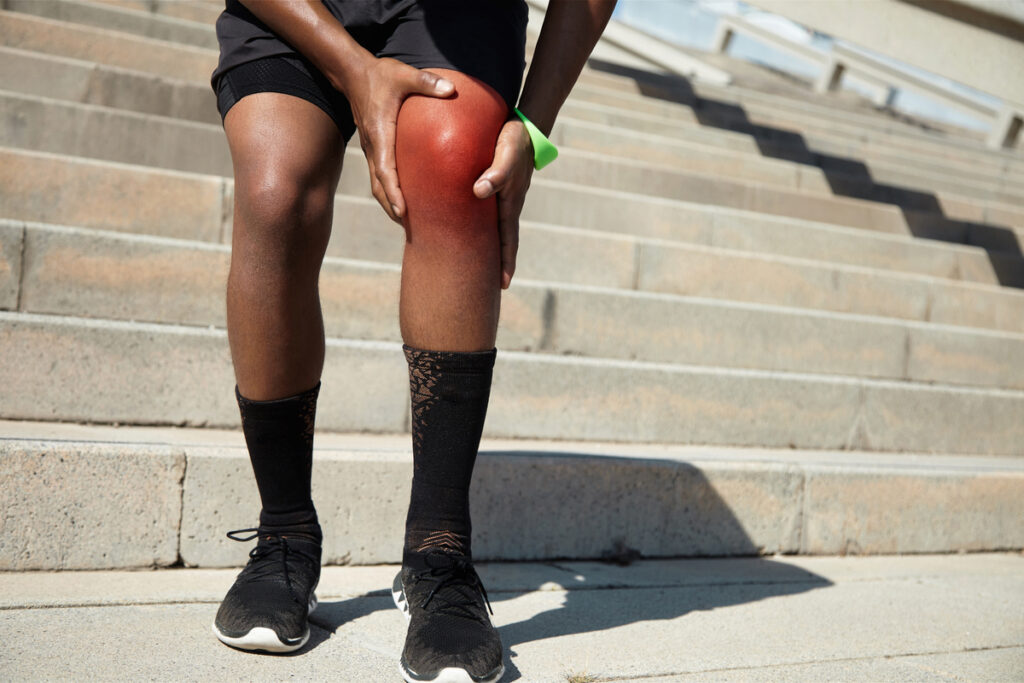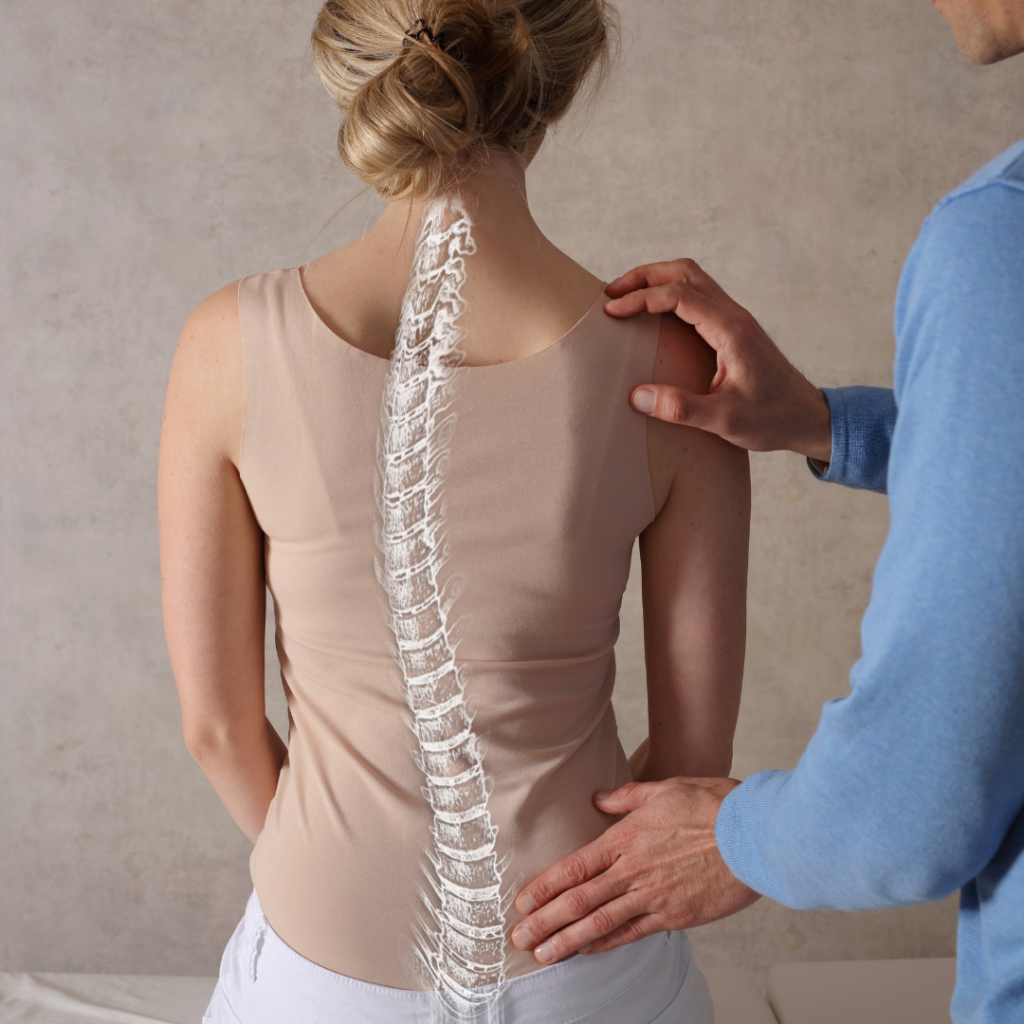
When you experience a sports injury, it's easy to brush it off or hope it'll heal on its own. However, seeking care can make a significant difference in your recovery and overall performance. From preventing further injuries to accessing expert diagnosis, there are compelling reasons to prioritize your health. You might even be surprised by how tailored rehabilitation plans can enhance your athletic capabilities. But that's just the beginning; there's much more to reflect on about the benefits of proper care for your sports injuries. Let's explore those essential reasons together.
Prevent Further Injury
How can you effectively prevent further injury after an initial setback? First, you need to listen to your body. If you feel pain, don't push through it. Instead of ignoring signals, take a break and assess the situation. This pause is essential for understanding the extent of your injury and determining the best course of action.
Next, you should modify your activities. Instead of jumping back into your regular routine, consider low-impact alternatives that'll keep you active without exacerbating your injury. For instance, swimming or cycling can help maintain your fitness while allowing your injured area to heal. Always consult a professional if you're unsure about which activities are safe for you.
Wearing proper protective gear is also important. Whether you're playing a contact sport or engaging in something less intense, equipment like braces or support wraps can provide stability and reduce the risk of re-injury. Make sure your gear fits well and is in good condition to maximize its effectiveness.
Additionally, focus on strengthening and flexibility exercises specific to your injury. Building the surrounding muscles and improving flexibility can offer added support and resilience, reducing the likelihood of future issues.
Finally, don't underestimate the importance of rest. Adequate recovery time is critical. Give your body the chance to heal fully before returning to competitive activities. By following these steps, you'll greatly reduce the risk of further injury and set a solid foundation for your return.
Accelerate Recovery Time
Recovering from a sports injury can feel like an uphill battle, but there are effective strategies to help speed up the healing process. First, prioritize rest. Allow your body the time it needs to heal. Pushing through pain can lead to longer recovery times and potentially worsen your injury.
Next, consider incorporating ice and compression. Applying ice to the injured area reduces swelling and alleviates pain. Use a compression bandage to support the injury and prevent additional swelling.
Make sure to follow the R.I.C.E method: Rest, Ice, Compression, and Elevation. Elevating the injured area helps blood circulation and minimizes swelling.
Nutrition plays an essential role, too. Focus on a balanced diet rich in protein, vitamins, and minerals. Foods high in omega-3 fatty acids, like salmon and walnuts, can help reduce inflammation. Staying hydrated is equally important; drink plenty of water to support your body's healing processes.
Incorporating gentle stretches and physical therapy can also expedite recovery. Engage in light movements to maintain flexibility and strength without overexerting yourself. A physical therapist can guide you through tailored exercises that promote healing while preventing further injury.
Lastly, listen to your body. If something doesn't feel right, don't hesitate to rest or seek professional help. By taking these steps, you can greatly improve your recovery time, allowing you to get back to the activities you love as soon as possible.
Access Expert Diagnosis
Accessing expert diagnosis is essential for effectively managing a sports injury. When you get hurt, it's easy to feel overwhelmed and unsure of what to do next. An expert diagnosis helps clarify the severity of your injury and identifies specific areas that need attention. This isn't just about knowing if you're injured; it's about understanding the nature of your injury and its potential impact on your performance.
When you consult with a healthcare professional who specializes in sports injuries, you gain access to their knowledge and experience. They'll use advanced diagnostic tools, like imaging tests, to see beyond the surface and pinpoint any underlying issues. This level of expertise guarantees that you're not guessing about your injury; instead, you're receiving evidence-based insights that can guide your recovery.
Relying on a general practitioner or self-diagnosing can lead to mismanagement, which may prolong your recovery or worsen your condition. By seeking expert help, you're investing in your health and future performance. You'll also receive advice on how to modify your activities while you heal, minimizing the risk of further damage.
In sports, every moment counts. The sooner you get an expert diagnosis, the quicker you can start your journey back to full strength. Don't let uncertainty hold you back. Prioritize your recovery by consulting with a specialist who can provide the clarity and direction you need to effectively manage your sports injury. Your body will thank you for it.
Tailored Rehabilitation Plans
When you're recovering from a sports injury, a tailored rehabilitation plan is essential for your success.
It focuses on individualized treatment strategies that fit your specific needs, ensuring you make steady progress.
Plus, regular tracking and adjustments keep your recovery on the right path.
Individualized Treatment Strategies
Every athlete's journey through injury is unique, necessitating a tailored rehabilitation plan that addresses individual needs and goals. When you seek care for a sports injury, your treatment strategy should focus on your specific injury type, severity, and personal circumstances. This individualized approach allows you to regain strength, flexibility, and confidence at your own pace.
Your rehabilitation plan may incorporate various techniques, such as physical therapy, strength training, or specific exercises designed for your sport. A qualified healthcare professional will assess your condition and work closely with you to create a strategy that fits your lifestyle and goals. This might mean adjusting intensity levels or incorporating cross-training to maintain your fitness while recovering.
Moreover, an individualized treatment strategy emphasizes preventive measures. By identifying factors that contributed to your injury, you can work to correct these issues, reducing the likelihood of re-injury.
The more personalized your approach, the more effective your recovery will be. Remember, your journey is your own, and finding the right treatment plan is key to getting back to the sport you love, stronger than before.
Progress Tracking and Adjustments
Effective progress tracking is essential for successful rehabilitation, allowing you to monitor your recovery and make necessary adjustments. By keeping a close eye on your progress, you can identify what's working and what needs tweaking. This proactive approach not only guarantees you're on the right path but also boosts your motivation as you witness your improvements.
Establishing specific goals is a great way to track your progress. These goals should be measurable, realistic, and time-bound. Regular check-ins with your healthcare provider can help you evaluate your achievements and make informed decisions about your rehabilitation plan. They can provide valuable insights on the effectiveness of your exercises and overall recovery.
If you find certain exercises are causing discomfort or aren't yielding results, don't hesitate to communicate this with your rehab team. They can adjust your program, guaranteeing it caters to your unique needs.
Improve Performance
How can you elevate your athletic performance while minimizing the risk of injury? Seeking care for sports injuries is a vital step in achieving this balance. When you address injuries promptly, you not only recover faster but also enhance your overall performance. A sports medicine professional can assess your specific needs, providing tailored treatments that target your weaknesses and improve your strengths.
By focusing on proper rehabilitation, you'll regain your strength and flexibility, allowing you to perform at your best. Techniques such as physical therapy and specialized exercises can optimize your body mechanics, leading to better efficiency in your movements. This means you'll run faster, jump higher, and throw farther, all while reducing the likelihood of re-injury.
Moreover, a sports care specialist can help you develop a personalized training plan that incorporates injury prevention strategies. They'll educate you on the importance of warm-ups, cool-downs, and recovery techniques, ensuring you're prepared for each training session and competition.
When you understand how to listen to your body and recognize early signs of trouble, you'll be more proactive in managing your health.
In addition, by seeking regular care and check-ups, you can identify potential problems before they escalate. This proactive approach keeps you in peak condition and allows you to focus on improving your skills rather than sidelining yourself with injuries.
Ultimately, investing in your health not only enhances your performance but also keeps you in the game longer.
Reduce Risk of Chronic Issues
To reduce the risk of chronic issues, it's essential to act quickly when you notice any signs of injury.
Early intervention can prevent long-term complications and keep you in the game longer.
Early Intervention Benefits
Early intervention in sports injuries can be a game-changer for athletes looking to maintain their long-term health.
When you address an injury early on, you're not just alleviating immediate pain; you're setting the stage for a healthier future.
Here are three key benefits of early intervention:
- Reduced Recovery Time: The sooner you get treatment, the quicker you'll heal. Early care often means less downtime, allowing you to return to your sport faster.
- Lower Risk of Chronic Issues: Ignoring symptoms can lead to long-term complications. By seeking care early, you can prevent minor injuries from developing into chronic problems that might plague you for years.
- Enhanced Performance: Addressing injuries promptly helps you regain your strength and flexibility sooner, ensuring that you can perform at your best without lingering effects from past injuries.
Preventing Long-term Complications
Preventing long-term complications in sports injuries is crucial for maintaining your athletic career and overall well-being. When you ignore initial pain or try to push through an injury, you risk developing chronic issues that can sideline you for good. Early diagnosis and treatment can help mitigate these risks.
By seeking professional care right away, you can address the root cause of your injury rather than just managing the symptoms. This proactive approach not only aids in your immediate recovery but also greatly reduces the chances of complications like arthritis, tendonitis, or chronic pain.
Incorporating rehabilitation exercises and following a structured recovery plan is essential. These measures help restore strength, flexibility, and function to the affected area, ensuring you're less prone to re-injury.
Don't forget to prioritize rest and listen to your body; pushing too hard can lead to setbacks.
Lastly, consider cross-training and focusing on overall conditioning to enhance your resilience against future injuries. By taking these steps, you're investing in a healthier, longer athletic career, allowing you to enjoy the sports you love without the shadow of ongoing complications.
Enhance Overall Well-being
While you focus on recovery from sports injuries, enhancing your overall well-being should be a priority. Taking care of your physical and mental health during the healing process can greatly impact your recovery and help you return to your favorite activities stronger than before.
Here are three key areas to reflect upon:
1. Nutrition: Fueling your body with the right nutrients is crucial for healing. Incorporate a balanced diet rich in proteins, vitamins, and minerals to support tissue repair and boost your immune system.
Don't forget to stay hydrated; water is important for peak performance and recovery.
2. Mental Health: Recovering from an injury can be mentally taxing. It's important to address any emotional challenges you might face, such as frustration or anxiety.
Engage in mindfulness practices, like meditation or deep breathing, to maintain a positive mindset. Think about talking to a therapist or counselor if you need additional support.
3. Physical Activity: Depending on your injury, staying active can promote healing and improve overall well-being.
Engage in low-impact exercises, like swimming or cycling, to maintain your fitness level without risking further injury. Always consult with your healthcare provider before starting any new activity.
Conclusion
To sum up, seeking care for sports injuries is essential for your health and performance. By preventing further injuries and accessing expert diagnosis, you'll accelerate your recovery and get back to the activities you love. Tailored rehabilitation plans not only enhance your performance but also reduce the risk of chronic issues. Remember, prioritizing your well-being with proper guidance supports your athletic longevity and keeps you in the game. Don't wait—take action for your health today!