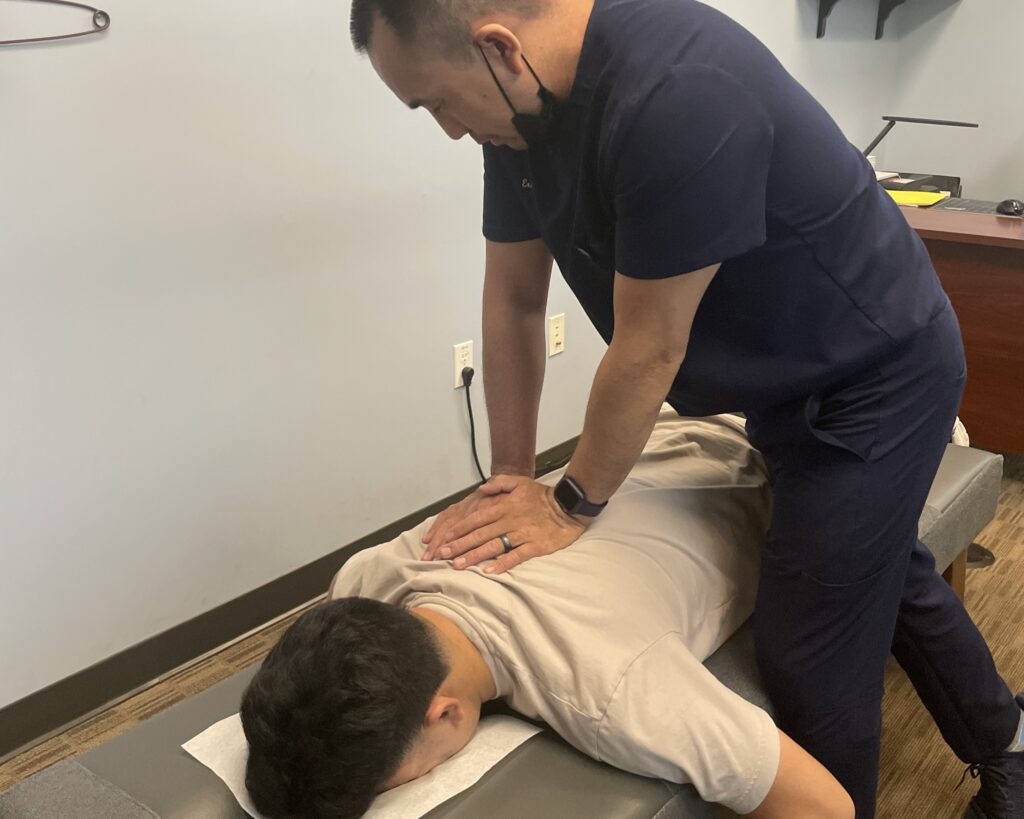
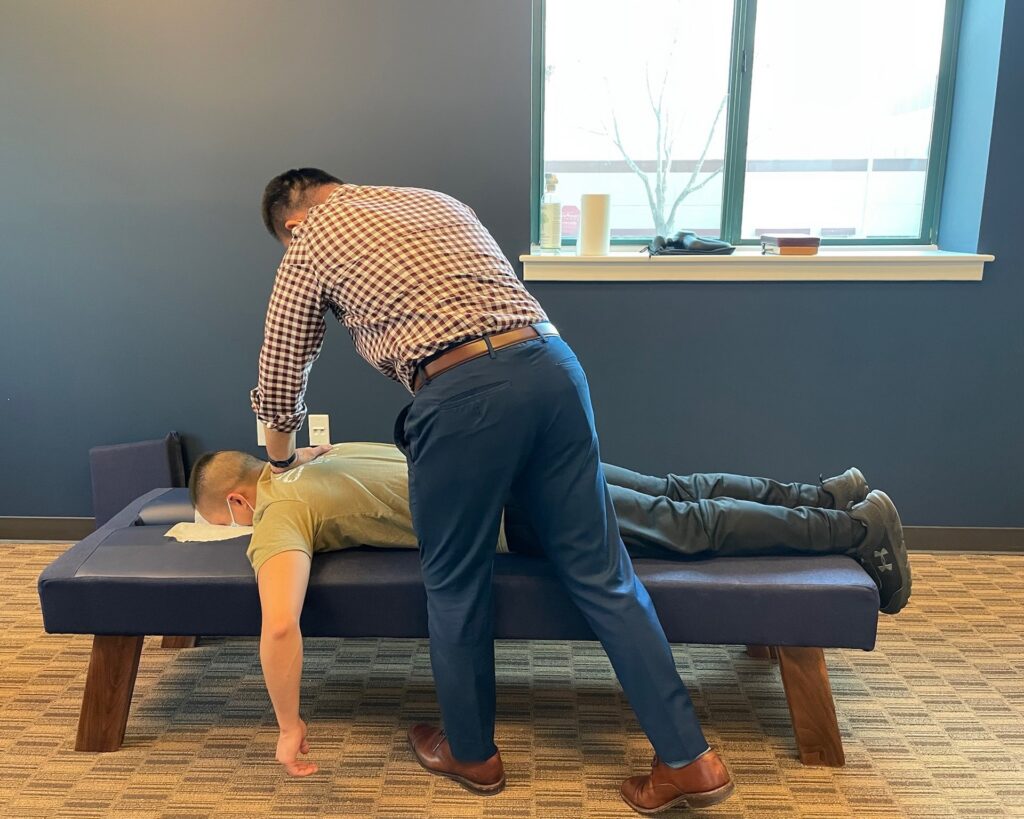
When you're on the road to recovery from a sports injury, it's common to focus primarily on the physical aspects of healing. However, as a local chiropractor, I want to emphasize that the mental and emotional components of recovery are just as crucial. This is where therapy can complement the chiropractic care we provide, offering support that extends beyond just physical rehabilitation.
Therapy can enhance your emotional healing, helping you build mental resilience and offering effective strategies for coping with the challenges of being sidelined. This psychological support can significantly boost your motivation and focus, which are essential for a successful recovery.
If you're curious about how therapy can specifically aid your healing journey, let's delve into seven impactful methods that can help you regain your strength and get back to the activities you love. By combining chiropractic care with therapeutic support, you can ensure a more holistic and effective recovery process.
Enhances Emotional Healing
As a local chiropractor, I want to highlight the significant role that emotional healing plays in the recovery process for athletes dealing with sports injuries. Experiencing an injury can be incredibly daunting, often leading to a whirlwind of emotions such as frustration, sadness, or even anger. It's important to understand that addressing these feelings is just as crucial as the physical healing that occurs.
Chiropractic care goes beyond just treating the physical aspects of an injury; it also provides a holistic approach to healing that includes emotional well-being. When you visit our clinic, we create a supportive environment where you can openly discuss your feelings and experiences regarding your injury. This support can help you process the emotional rollercoaster that often accompanies recovery.
In our sessions, we'll discuss effective coping strategies that are tailored specifically to your needs. Rather than suppressing your emotions, you'll find a safe outlet to explore your thoughts and feelings. This exploration can help shift your perspective on your injury and how it influences your identity as an athlete. Together, we can identify any negative thought patterns that may impede your recovery, allowing you to develop healthier ways to approach your situation.
Setting realistic goals is another essential aspect of our work together. These goals will serve as a guide for your emotional healing, keeping you focused and motivated throughout your journey. We'll celebrate your small victories along the way, fostering a sense of achievement that can enhance your morale.
Additionally, chiropractic care encourages connection. By sharing your experiences in a supportive setting, you'll find that you're not alone in facing these challenges. This connection can alleviate feelings of isolation and help ground you during this difficult time.
Ultimately, incorporating emotional healing into your recovery process not only aids in overcoming your injury but also enhances your overall well-being, empowering you to return to your sport stronger and more resilient.
Builds Mental Resilience
Recovering from a sports injury involves more than just physical healing; it's also about cultivating the mental strength needed to overcome challenges. As a local chiropractor, I want to emphasize the importance of mental resilience during your recovery process. When setbacks occur, it's essential to have strategies in place to navigate the emotional ups and downs that come with healing.
It's completely normal to feel frustration, sadness, or even anger during your recovery. That's why I encourage my patients to consider therapy or counseling as a complementary approach to chiropractic care. These sessions provide a safe environment to process your feelings and build the mental tools necessary for resilience.
In therapy, you can learn to confront negative thoughts and replace them with empowering affirmations. This shift in mindset helps you concentrate on what you can achieve, no matter how small, rather than fixating on limitations. Such a perspective is crucial for building resilience, making you more adaptable to the challenges of recovery.
I also advise setting realistic goals for your recovery journey. Breaking down your healing process into manageable steps allows you to celebrate small victories along the way. Each of these achievements not only boosts your confidence but also reinforces your mental fortitude, which is just as important as physical rehabilitation.
Moreover, working with a therapist can help you identify and challenge limiting beliefs. You may find that many of your fears are unfounded, which empowers you to move past obstacles.
Building mental resilience through both chiropractic care and therapy gives you the tools to face adversity head-on, emerging stronger and more determined. This holistic approach is an invaluable part of your recovery journey, and I'm here to support you every step of the way.
Improves Coping Strategies
When dealing with a sports injury, it's crucial to adopt effective coping strategies to aid in your recovery.
As a local chiropractor, I want to emphasize the importance of natural healing methods. Chiropractic care not only helps alleviate pain but also enhances your emotional resilience through holistic treatment approaches.
We can work together on stress management techniques that empower you to navigate this challenging time. By improving your coping mechanisms, you'll feel more in control and better prepared to face any setbacks during your healing journey.
Enhanced Emotional Resilience
As a local chiropractor, I want to emphasize the importance of enhancing emotional resilience during your recovery from sports injuries. It's not just about the physical aspect; your emotional well-being plays a crucial role in how you navigate the challenges of healing. When setbacks occur, your ability to bounce back emotionally can significantly influence your recovery journey.
In our practice, we create a supportive environment that encourages you to explore your feelings about your injury. This process allows you to confront the emotional turmoil that often accompanies physical setbacks. By working through these emotions, you can recognize and challenge negative thoughts, ultimately replacing them with a more positive mindset.
As you build your emotional resilience, you'll find it easier to manage feelings of frustration, anxiety, and uncertainty. We help you see your injury not merely as a hindrance, but as an opportunity for personal growth and development. Throughout your recovery, you'll gain insights into your emotional triggers, which will enhance your ability to respond effectively to any challenges that may arise.
Additionally, our chiropractic care provides practical tools to help you navigate the emotional ups and downs that come with the recovery process. We offer strategies that empower you to focus on what you can control, rather than what you can't.
Effective Stress Management Techniques
As a local chiropractor, I understand that managing stress effectively is crucial during your recovery from a sports injury. The mental challenges can be just as significant as the physical discomfort, and implementing the right stress management techniques can greatly enhance your healing process.
Here are some strategies that I recommend to help you cope during this difficult time:
- Mindfulness Meditation: Dedicate a few minutes each day to focus on your breath. This practice can help ground you and significantly reduce feelings of anxiety, promoting a sense of calm that complements your physical healing.
- Progressive Muscle Relaxation: This technique involves systematically tensing and then relaxing each muscle group in your body. By doing so, you can relieve physical tension and encourage a deeper state of relaxation, which is beneficial for both your body and mind.
- Journaling: Take the time to write down your thoughts and feelings. Journaling can provide clarity and serve as an emotional release, allowing you to process your experiences and gain insights into your recovery journey.
- Physical Activity: Engage in gentle exercises such as walking or stretching. Light movement not only helps to uplift your mood but also aids in reducing stress hormones, contributing positively to your overall well-being.
- Support Network: Surround yourself with supportive friends and family. Sharing your feelings and experiences with loved ones can offer comfort and understanding, which is essential for your emotional recovery.
Remember, as you navigate your healing process, integrating these stress management techniques can make a meaningful difference in your overall recovery.
If you have any questions about how chiropractic care can further support your healing, feel free to reach out!
Boosts Motivation and Focus
As a local chiropractor, I want to emphasize the crucial role that therapy—particularly chiropractic care—can play in boosting your motivation and focus during your recovery from a sports injury. Being sidelined can be disheartening, and it's common to feel a dip in motivation and clarity about your goals. Through chiropractic treatment, we can work together to help you reconnect with your passion for your sport and keep your aspirations at the forefront of your recovery journey.
Chiropractic care provides a structured approach to healing, where you can openly discuss not just physical discomfort, but also the emotional and mental aspects of your injury. This dialogue is important; it allows you to express any frustrations or fears, transforming that energy into a positive force for your recovery.
As we monitor your progress, you'll gain insight into your healing journey, which can significantly enhance your motivation. One effective technique we often incorporate is visualization during sessions. Imagining yourself successfully returning to your sport, moving freely and painlessly, can boost your confidence and reinforce your commitment to the recovery process. This mental rehearsal is just as vital as the physical adjustments and exercises we provide.
Additionally, chiropractic care fosters accountability. By sharing your recovery goals with a professional who's genuinely invested in your journey, you're more likely to stay focused and dedicated. This partnership not only holds you accountable but also encourages a sense of responsibility towards your rehabilitation exercises and routines.
In conclusion, chiropractic care can be a powerful ally in maintaining your motivation and focus during recovery. It guides you through the emotional and physical challenges, helping you keep your eyes on the ultimate goal: returning to the sport you love and performing at your best.
Let's work together to make that happen!
Provides Pain Management Techniques
When dealing with a sports injury, effective pain management techniques are crucial for your recovery, and as a local chiropractor, I want to educate you on how chiropractic care can play a significant role in your healing process.
Our approach focuses on natural methods to manage pain, allowing you to concentrate on rehabilitation and regain your strength. These techniques not only provide relief but also empower you to actively participate in your recovery journey.
Here are some effective pain management techniques you can expect in chiropractic care:
- Spinal Adjustments: Chiropractors utilize precise spinal adjustments to realign the spine and improve function. This can alleviate pain and reduce inflammation, promoting overall wellness.
- Soft Tissue Therapy: Techniques such as massage and trigger point therapy target muscle tension and tightness, helping to improve mobility and support your rehabilitation efforts.
- Exercise Recommendations: We'll design personalized exercise programs that not only strengthen the affected areas but also stimulate the release of endorphins, your body's natural painkillers.
- Mindfulness and Breathing Exercises: Incorporating mindfulness techniques, such as deep breathing, can help shift your focus away from pain, promote relaxation, and enhance your overall mental well-being.
- Patient Education: We believe in empowering you with knowledge. We'll explain your injury, the underlying causes of pain, and provide you with self-management strategies, enabling you to take control of your recovery.
Integrating these techniques can lead to significant improvements in your pain levels, helping you stay dedicated to your recovery.
Chiropractic care addresses pain holistically, facilitating not just physical healing but also enhancing your mental resilience during this challenging time.
Encourages Open Communication
Open communication is crucial for a successful recovery from a sports injury, and as your chiropractor, I want to ensure you feel at ease sharing your thoughts and concerns. Healing from an injury can be challenging, and expressing how you feel can significantly influence your mental and emotional well-being. In our sessions, we create a safe space for you to do just that.
During your visits, you can openly discuss any fears, frustrations, or setbacks you may be experiencing—whether that's physical discomfort, anxiety about returning to your sport, or feelings of loneliness. By voicing these emotions, you not only alleviate some of your mental burden but also gain important insights into your healing journey.
I'm here to provide you with personalized strategies to help manage your emotional responses and physical recovery. Together, we can identify any patterns in your thoughts and feelings that might be hindering your progress. This understanding enhances our connection and allows me to tailor interventions that are most effective for you.
Furthermore, fostering open communication strengthens your relationship with me and the rest of your healthcare team. By sharing your concerns and asking questions, you become an active participant in your recovery process. This involvement leads to more individualized care, as I can better address your specific needs and support your journey to wellness through chiropractic care and natural healing methods.
Facilitates Goal Setting
Setting clear goals is crucial for your recovery journey after a sports injury, especially when you incorporate chiropractic care into your healing process. As your chiropractor, my role is to help you identify and establish realistic, achievable goals tailored to your unique needs. This structured approach not only provides direction but also enhances your motivation and confidence as you work towards recovery.
Here are some ways chiropractic care facilitates effective goal setting:
- Initial Assessment: During your first visit, I'll evaluate your injury and physical capabilities, giving you a clear understanding of your current condition and how we can address it.
- SMART Goals: Together, we'll create Specific, Measurable, Achievable, Relevant, and Time-bound objectives that align with your recovery timeline, ensuring that each goal supports your overall healing.
- Progress Tracking: Throughout your treatment, we'll regularly revisit your goals, allowing us to monitor your progress and make any necessary adjustments to your care plan.
- Mental Preparation: Goal setting also involves mental readiness. I can introduce you to visualization techniques that help you mentally prepare for each milestone in your recovery.
- Celebration of Achievements: When you reach a goal, it's important to celebrate those victories, no matter how small. Acknowledging these successes reinforces positive behavior and keeps you actively engaged in your recovery journey.
Conclusion
As a local chiropractor, I want to emphasize the importance of incorporating therapy into your sports injury recovery process. It can truly make a significant impact on your healing journey. By addressing both your physical and emotional well-being, therapy can enhance your emotional healing and help you build mental resilience. This is crucial for navigating the challenges that come with injury recovery.
Chiropractic care, combined with therapeutic support, can also boost your motivation and assist you in managing pain more effectively. We believe in a holistic approach, where improved coping strategies and open communication are key to feeling supported throughout your recovery.
Setting clear, achievable goals is essential, as it keeps you focused and engaged during your rehabilitation. This not only makes your path to recovery attainable but also empowers you to take charge of your healing process. Remember, our goal is to support you in achieving optimal health and getting back to the activities you love.