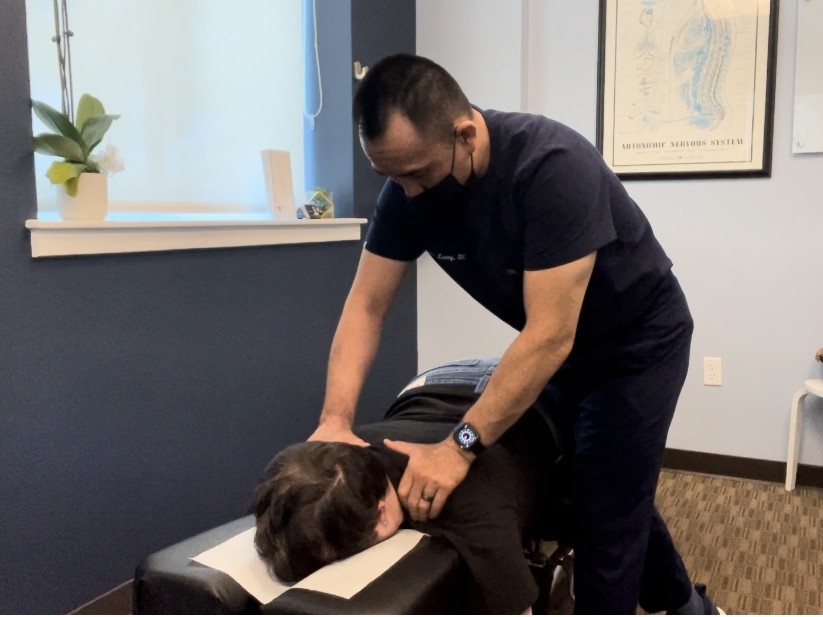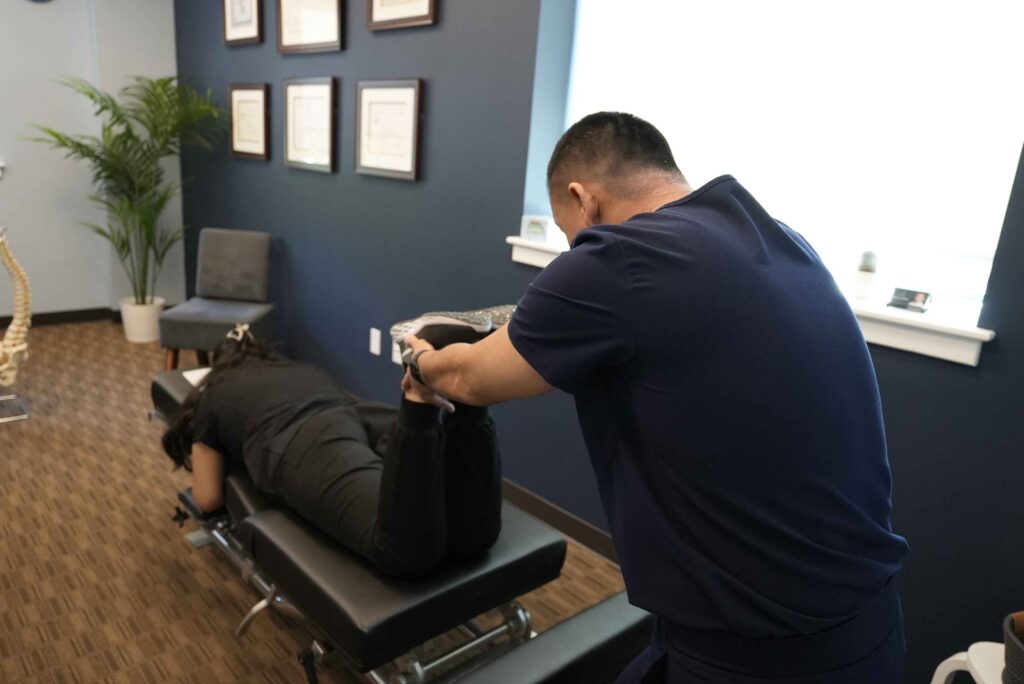
Managing chronic pain goes beyond mere survival; it's about discovering holistic strategies that can truly benefit your well-being. As a local chiropractor, I often emphasize the importance of identifying your unique pain triggers and integrating physical activity into your routine. These foundational steps can significantly improve your quality of life.
Additionally, I encourage exploring techniques such as mindfulness and alternative therapies, which can offer new pathways to relief. If you find that these initial approaches don't fully meet your needs, there are numerous other strategies we can discuss that can enhance your pain management journey. Understanding these options may completely transform your experience with pain and help you regain control over your life. Remember, chiropractic care focuses on natural healing and can be a powerful element in your overall pain management plan.
Understanding Chronic Pain
Chronic pain is a common issue that affects countless individuals in our community, often interfering with daily activities and impacting overall well-being. As a chiropractor, I believe that understanding chronic pain is crucial for effective management and developing coping strategies.
Unlike acute pain, which typically arises from an injury or illness and subsides as you heal, chronic pain can linger long after the underlying cause has been addressed. It may persist for months or even years, evolving into a multifaceted condition that influences both your physical and emotional health.
Patients often describe chronic pain in various ways—ranging from aching and burning to sharp sensations. This pain can stem from a variety of conditions, including arthritis, fibromyalgia, or previous injuries, and frequently leads to feelings of fatigue, anxiety, and depression.
It's important to recognize that your pain has a biological foundation; it's not simply "in your head." This understanding is essential because it validates your experience and emphasizes that chronic pain is a legitimate health concern.
As you consider your path to healing, it's also beneficial to reflect on how your lifestyle may influence your pain levels. Factors such as stress, sleep quality, and nutrition can either worsen or alleviate your symptoms. By staying informed and recognizing these patterns, you can empower yourself to make decisions that enhance your quality of life.
Ultimately, grasping the complexities of chronic pain is vital. It's not just a symptom to be ignored; it's a condition that deserves attention and care.
Through chiropractic care and natural healing practices, we can work together to address these challenges. By gaining a deeper insight into what chronic pain entails, you'll be better equipped to navigate your healing journey and seek the right support when you're ready.
Developing a Pain Management Plan
As your local chiropractor, I want to help you understand the complexities of pain and how we can work together to create an effective pain management plan that suits your individual needs.
It's crucial to identify the sources and triggers of your pain before we develop a comprehensive strategy. Our approach will encompass various methods to ensure we tackle your pain from multiple angles.
Here are some essential components to consider for your personalized pain management plan:
- Chiropractic Care: Regular adjustments can help alleviate pain by correcting misalignments in your spine and improving overall function. I'll work closely with you to assess your condition and tailor treatments that specifically address your pain.
- Lifestyle Modifications: I encourage you to evaluate your daily habits. Small changes in your diet, sleep routines, and stress management can significantly influence your pain levels. Together, we can identify areas for improvement that complement your chiropractic care.
- Alternative Therapies: Beyond chiropractic adjustments, we can explore additional therapies such as massage, acupuncture, or mindfulness techniques. These modalities can provide supplementary relief and enhance your overall well-being.
- Support Systems: Remember, you're not alone on this journey. Engaging with supportive friends, family, or even local support groups can be incredibly beneficial. Sharing your experiences and learning from others can enhance your healing process.
As we implement these components, it's important to monitor your progress together and make adjustments as necessary.
Pain management is an ongoing process, and what works well now may need to evolve over time. Stay proactive and committed to your plan, and know that I'm here to support you every step of the way.
Together, we can work towards a healthier, pain-free life through natural healing methods.
Physical Therapy and Exercise
As a chiropractor, I believe that physical therapy and exercise are essential components of managing pain and enhancing your overall well-being. When you receive chiropractic care, we work together to assess your unique needs and create a personalized plan that addresses your specific concerns. This tailored approach not only helps to strengthen weak muscles but also improves your flexibility and increases your range of motion, which can significantly alleviate pain.
In addition to chiropractic adjustments, incorporating regular exercise into your routine is crucial. Activities like walking, swimming, or cycling can naturally elevate your endorphin levels, acting as your body's own pain relief system. It's best to start with low-impact exercises and gradually ramp up the intensity as your body becomes accustomed to the movements.
Consistency is essential; aim for a minimum of 150 minutes of moderate aerobic activity each week to reap the benefits.
Listening to your body is key during your chiropractic treatment and exercise regimen. If you experience discomfort or something feels off, please don't hesitate to discuss it with me. Together, we can find the right balance between pushing your limits and preventing injury.
Additionally, I encourage you to incorporate stretching and strengthening exercises that focus on the areas where you feel pain, as these can further support your healing process. Remember, your journey to wellness is a partnership, and I'm here to guide you every step of the way.
Mindfulness and Meditation
As your local chiropractor, I want to share how mindfulness and meditation can be beneficial in managing chronic pain. These practices can serve as powerful tools to help you cope with discomfort and enhance your overall well-being.
By incorporating mindfulness into your daily routine, you may find that stress levels decrease, focus improves, and you gain a greater sense of control over your pain.
Let's delve into some effective methods for integrating mindfulness and meditation into your life. These techniques can complement the chiropractic care you receive, promoting healing and a more holistic approach to your health.
Together, we can work towards improving your quality of life through natural healing practices.
Benefits of Mindfulness Practices
As a local chiropractor, I want to emphasize the importance of incorporating mindfulness practices into your daily routine, especially when managing chronic pain.
By focusing your attention on the present moment, mindfulness can help you cultivate a sense of peace and alleviate some of the emotional strain that often comes with living in pain. It allows you to redirect your focus away from discomfort, enabling you to handle your pain more effectively.
Here are some key benefits of mindfulness practices that I encourage you to consider:
- Reduced Stress: Lowering your stress levels is crucial, as stress can amplify pain sensations. Mindfulness can be an effective tool in managing this.
- Improved Emotional Well-being: Engaging in mindfulness regularly can boost your mood and reduce feelings of anxiety, which can bolster your resilience when dealing with pain.
- Enhanced Awareness: By practicing mindfulness, you'll become more attuned to your body and its pain signals. This increased awareness can help you better regulate your responses to pain.
- Increased Relaxation: Various mindfulness techniques foster relaxation, which can alleviate muscle tension and enhance your overall comfort.
As your chiropractor, I believe that combining these mindfulness practices with chiropractic care can lead to a more holistic approach to managing your pain.
Techniques for Effective Meditation
As a local chiropractor, I want to share some powerful meditation techniques that can complement your chiropractic care and support your overall pain management journey.
To begin, find a quiet space where you can relax without interruptions. Sit comfortably, close your eyes, and take a few deep breaths. Focus on your breathing—notice how the air fills your lungs and how it feels as it leaves your body. If distractions arise, simply acknowledge them and gently redirect your focus back to your breath.
One technique I recommend is the body scan meditation. Start by concentrating on your toes and gradually move your attention up to the top of your head. This practice allows you to connect with your body and become aware of any areas of tension or discomfort, all without judgment.
It's a great way to tune into how your body feels, which is crucial for understanding the benefits of chiropractic adjustments.
You might also explore loving-kindness meditation. In this practice, you silently wish well for yourself and for others. This can foster a sense of compassion and may help alleviate feelings of isolation that sometimes accompany chronic pain.
Incorporating Mindfulness Daily
Integrating mindfulness into your daily routine can significantly improve your overall well-being and enhance your pain management, especially in conjunction with chiropractic care.
As a chiropractor, I believe that mindfulness is an essential tool for my patients, helping you to stay present and observe your pain without allowing it to take over your life.
Here are some effective strategies to bring mindfulness into your day:
- Morning Mindfulness: Begin your day with a few minutes dedicated to deep breathing or a short meditation. This practice can help set a positive and relaxed tone for your day, making it easier to manage discomfort as it arises.
- Mindful Eating: When you eat, take the time to truly focus on your meals. Savor each bite, paying attention to the flavors and textures. This approach can't only enhance your relationship with food but also reduce stress, which is beneficial for your overall health and healing.
- Body Scan: Take a few moments for a body scan meditation. This involves focusing on each area of your body, acknowledging any pain or tension you may feel, but doing so without judgment. This awareness can help you communicate more effectively with me about your chiropractic needs.
- Mindful Movement: Engage in gentle exercises like yoga or tai chi. These practices not only support your physical health but also foster a mindful connection to your body, which is crucial for effective chiropractic care.
By being aware of how your body feels during movement, you can better understand your limits and needs.
Incorporating these mindfulness techniques into your daily life can work hand-in-hand with chiropractic treatments, helping you achieve a greater sense of balance and relief from pain.
Nutritional Considerations
As a chiropractor, I want to emphasize the significant role nutrition plays in managing chronic pain. It's fascinating how certain foods can either help ease inflammation or make it worse. To effectively manage your pain, it's important to consider adopting an anti-inflammatory diet.
Start by incorporating a variety of fruits and vegetables that are rich in antioxidants, such as berries, spinach, and kale. These foods not only help reduce inflammation but are also packed with vitamins and minerals that support your immune system and overall well-being.
Omega-3 fatty acids are another crucial component in your diet. Found in fatty fish like salmon and sardines, these healthy fats can significantly lower inflammation levels. If fish isn't your preference, don't worry—there are excellent plant-based sources available, such as walnuts and flaxseeds.
Make sure to include whole grains in your meals too; options like brown rice and quinoa provide fiber and essential nutrients that promote a healthy digestive system.
On the other hand, it's best to limit your intake of processed foods, sugars, and trans fats. These can trigger inflammation and may worsen your pain. Additionally, pay attention to dairy products, as some individuals find they can cause discomfort.
Staying hydrated is crucial as well. Drinking plenty of water helps your body eliminate toxins and supports overall health. Herbal teas can also be a great choice, particularly those made with ginger or turmeric, both of which possess anti-inflammatory properties.
Finally, I encourage you to keep a food diary. Tracking how certain foods affect your pain levels can help you identify specific triggers and tailor your diet to more effectively manage your chronic pain.
Medication Management
Managing chronic pain effectively often requires a comprehensive approach, and while chiropractic care focuses on natural healing methods, understanding medication management can also be beneficial for your overall pain relief strategy. As your local chiropractor, I want to help you navigate this process to ensure you achieve optimal relief while minimizing potential side effects. Here are some essential points to consider:
- Types of Medications: It's important to be aware of the various medications that may be available, including over-the-counter options like NSAIDs, prescription opioids, and adjunct therapies such as antidepressants and anticonvulsants. Each type of medication has its own set of benefits and risks, and I encourage you to explore all your options, including natural therapies we can incorporate into your treatment plan.
- Dosage and Timing: If you're prescribed medication, it's crucial to adhere to your healthcare provider's instructions regarding dosage and timing. Consistency can help maintain a more stable level of pain relief, avoiding the fluctuations that can occur with inconsistent usage.
- Side Effects: Understanding potential side effects of any medication you may be taking is vital. As your chiropractor, I recommend you discuss any concerns with your prescribing physician and always report any adverse effects you experience. Additionally, we can explore natural alternatives that may help mitigate pain without the risks associated with some medications.
- Regular Monitoring: Regular check-ins with your healthcare provider are essential to evaluate how well your medication regimen is working. Adjustments may be necessary to enhance pain management and reduce any side effects.
I also encourage ongoing dialogue about how chiropractic care and other natural treatments can complement your medication strategy for better overall wellness.
Alternative Therapies
As a local chiropractor, I want to share how alternative therapies can significantly enhance your strategy for managing chronic pain. These approaches often work hand-in-hand with traditional treatments, helping you gain better control over your discomfort. Among these options, chiropractic care stands out as a powerful tool in your pain management arsenal.
Chiropractic care focuses on the relationship between the spine and the nervous system. By using specific adjustments and manipulations, we aim to restore proper alignment in your body, which can alleviate pain and improve overall function. Many patients experience relief from chronic pain through chiropractic adjustments, which also promote relaxation and can enhance your overall well-being.
In addition to chiropractic care, you may also consider massage therapy. This complementary treatment helps to alleviate muscle tension, improve circulation, and enhance your range of motion. Regular massage sessions can lead to reduced pain levels and increased comfort in your daily life.
Another excellent alternative is yoga, which combines physical postures, breathing exercises, and meditation into a holistic approach. Practicing yoga can improve your flexibility, strengthen your muscles, and promote relaxation—all of which contribute to pain relief.
Furthermore, yoga encourages mindfulness, helping you cultivate a better relationship with your body and your pain.
Don't overlook other valuable therapies such as acupuncture or herbal supplements, which may also support your journey to pain management. As always, I encourage you to consult with me or your healthcare provider before trying new treatments to ensure they're safe and suitable for your specific condition.
Building a Support Network
Building a support network is crucial for effectively managing chronic pain, and as your local chiropractor, I encourage you to explore this aspect of your healing journey.
Connecting with others who understand the challenges of living with pain can be incredibly beneficial. Additionally, don't hesitate to seek professional guidance, whether it's from myself or other healthcare providers, as we can offer valuable insights and support.
Together, these connections can provide both encouragement and practical strategies to help you navigate your path to wellness through natural healing and chiropractic care.
Connect With Others
As a local chiropractor, I want to emphasize the importance of building a strong support network in your journey towards managing chronic pain. Connecting with others who understand the challenges you face can provide crucial emotional relief and practical advice. Surrounding yourself with supportive friends, family, and peers can significantly reduce feelings of isolation and empower you on your healing journey.
Here are some strategies to help you cultivate your support network:
- Join a support group: Participating in local or online support groups can create a safe environment for you to share your experiences and coping strategies with others who are navigating similar challenges. This shared understanding can be incredibly beneficial for your emotional well-being.
- Reach out to friends and family: It's essential to communicate your feelings and needs to those close to you. Often, loved ones want to help but may not know how unless you express what you're going through.
- Engage in community activities: Look for local events or classes that align with your interests. Engaging in these activities can lead to new friendships and connections with people who share your passions, offering a sense of belonging.
- Utilize social media: Online platforms can be a valuable resource for connecting with others who are dealing with chronic pain. These communities can provide not only emotional support but also helpful resources and information about natural healing methods, including chiropractic care.
Seek Professional Guidance
Understanding the importance of seeking professional guidance is crucial when it comes to managing chronic pain effectively. As a local chiropractor, I want to emphasize how chiropractic care can play a vital role in your healing journey.
When you visit our clinic, you'll receive tailored strategies specifically designed to meet your unique needs. Chiropractors focus on identifying the underlying causes of your pain, whether it's related to spinal alignment, muscle tension, or other factors, and we recommend appropriate natural treatments to help alleviate your discomfort.
Building a supportive network is essential in this process. Our team works collaboratively with you to develop a comprehensive pain management plan that integrates chiropractic adjustments, rehabilitation exercises, and lifestyle modifications.
We encourage you to ask questions and voice any concerns you may have; open communication is key to building trust and ensuring that we're aligned in your care.
In addition to our chiropractic services, I highly recommend connecting with local support groups where you can share your experiences and learn from others who are navigating similar challenges.
These communities can provide invaluable emotional support and practical advice, making your journey feel less isolating as you work towards better health and well-being. Remember, you're not alone in this process, and together we can find the best path for your healing.
Stress Reduction Techniques
As a chiropractor, I understand the profound connection between stress and chronic pain. Recognizing how stress affects your body can empower you to explore effective stress reduction techniques that complement your chiropractic care. By managing stress, you can significantly ease some of the discomfort associated with chronic pain.
Here are a few techniques I recommend incorporating into your daily routine:
- Mindfulness Meditation: This practice encourages you to focus on the present moment, which can reduce anxiety and promote relaxation. Even dedicating just a few minutes each day can lead to noticeable improvements in your well-being.
- Deep Breathing Exercises: Engaging in deep breathing can effectively lower your heart rate and calm your nervous system. Try inhaling deeply through your nose, holding for a few seconds, and then exhaling slowly through your mouth. This simple technique can bring instant relief.
- Physical Activity: Regular exercise, even gentle movements like walking or yoga, helps release endorphins—your body's natural painkillers. Staying active not only improves your mood but also reduces stress levels, which can further alleviate pain.
- Progressive Muscle Relaxation: This technique involves tensing and then relaxing different muscle groups in your body. It's a powerful way to release built-up tension and fosters a greater sense of calm and relaxation.
Integrating these stress reduction techniques into your lifestyle can create a positive cycle where reduced stress leads to less pain, and less pain further decreases stress.
It's important to find what resonates with you personally. I encourage you to experiment with these methods, and if you need guidance, don't hesitate to reach out for support. By prioritizing stress management in conjunction with your chiropractic care, you're taking a vital step towards enhancing your overall health and well-being.
Tracking and Monitoring Pain
As a local chiropractor, I want to emphasize the importance of tracking and monitoring your pain for effective management and recovery. Keeping a detailed record of your pain levels, triggers, and patterns can provide valuable insights that will aid both you and your healthcare provider in making informed decisions about your treatment.
I encourage you to start by creating a pain diary or utilizing a mobile app specifically designed for this purpose. In your diary, be sure to note the intensity of your pain on a scale of 1 to 10, and describe its location and nature—whether it feels sharp, dull, or throbbing.
It's also beneficial to document the time of day when your pain is most intense, as well as any activities you were engaged in before the pain started. This information can help reveal patterns and identify potential triggers that may be contributing to your discomfort.
Additionally, I recommend tracking how your pain responds to different treatments, including chiropractic adjustments, physical therapy, or other natural therapies. By keeping a record of your pain's response, you can have meaningful discussions with me or other healthcare providers, allowing us to adjust your pain management plan as necessary.
Furthermore, don't overlook the significance of your mood and stress levels in relation to your pain. Emotional factors can greatly influence your pain experience, and recognizing these connections can lead to more effective coping strategies.
Ultimately, by consistently tracking and monitoring your pain, you empower yourself to take an active role in your pain management. This approach can lead to better outcomes and a clearer path toward recovery.
Conclusion
As a local chiropractor, I want to emphasize that managing chronic pain is not a one-size-fits-all solution. It's essential to take a personalized approach, and I'm here to guide you through it. By recognizing your pain triggers, incorporating regular exercise into your routine, and exploring mindfulness techniques, you can make significant strides toward relief.
Don't underestimate the power of your support network. Engaging with family, friends, and fellow patients can provide encouragement and motivation. Open communication with your healthcare provider, including myself, is vital. Together, we can tailor a plan that fits your unique needs.
Additionally, keeping a pain journal can be incredibly beneficial. Tracking your symptoms and what exacerbates them can refine your management plan and enhance your healing journey. Remember, you have the tools at your disposal—let's work together to improve your quality of life through chiropractic care and natural healing methods.