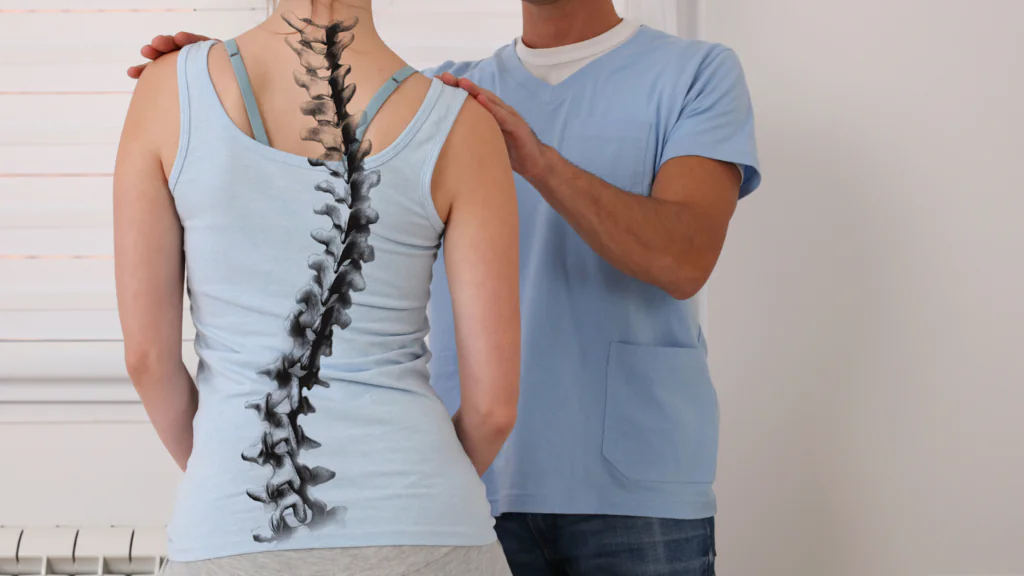
If you’re experiencing lower back pain, know that you’re not alone in this struggle. Many individuals face similar challenges, and navigating the various treatment options can sometimes feel daunting. As a local chiropractor, I want to help you understand the natural healing methods available to you, including the benefits of chiropractic care and other lifestyle adjustments.
Chiropractic care focuses on addressing the root cause of your discomfort, rather than just masking the symptoms. Through gentle adjustments and spinal manipulation, we can help restore proper alignment, improve mobility, and reduce pain in your lower back.
In addition to chiropractic treatments, there are several techniques you might consider to enhance your back health. These can include targeted exercises, ergonomic adjustments in your daily routine, and proper stretching techniques. Each individual is unique, so it’s essential to find what works best for you.
Let’s work together to explore these effective options and find a personalized approach to alleviate your discomfort and promote overall well-being. Your journey to a pain-free back starts here!
Understanding Lower Back Pain
As a local chiropractor, I want to share some insights about lower back pain, a common issue that can affect individuals of all ages. This type of pain often arises from a variety of causes, such as muscle strains, herniated discs, or even the consequences of poor posture.
You may not realize it, but your daily activities—like lifting heavy objects or sitting for extended periods—can trigger discomfort in your lower back.
It’s crucial to understand the nature of your pain. It can be acute, lasting just a few days, or chronic, persisting for months on end. Additionally, emotional factors and stress can make this pain feel even worse, so it’s important to be aware of any triggers that may exacerbate your symptoms.
As a chiropractor, I encourage you to pay close attention to how your body reacts to different movements and positions. Keeping a record of your symptoms can be immensely helpful for both you and your healthcare provider in identifying the underlying causes of your pain.
The Role of Physical Therapy
As a local chiropractor, I want to emphasize the vital role that chiropractic care plays in managing lower back pain. Many people may not realize how effective natural healing methods can be. Through specific adjustments and manipulations, we can realign the spine and relieve pressure on nerves, which often leads to significant pain reduction.
In addition to spinal adjustments, we incorporate targeted exercises and stretches that not only strengthen your muscles but also enhance your flexibility. This holistic approach is designed to not only alleviate your current discomfort but also prevent future issues.
Our manual therapy techniques are particularly beneficial for improving overall mobility and restoring function, allowing you to return to the activities you love. Embracing chiropractic care can be a transformative step in your journey to better health and wellness.
Targeted Exercises and Stretches
As a local chiropractor, I want to share with you how targeted exercises and stretches can serve as a powerful long-term solution for lower back pain, rather than relying on quick fixes.
These exercises are designed to strengthen your core, improve your flexibility, and enhance your posture—key elements in supporting your lower back.
I encourage you to consider working with a physical therapist or a chiropractor to identify specific movements tailored to your individual needs.
It’s crucial to perform these exercises correctly and safely to maximize their benefits. Incorporating gentle stretches, such as the cat-cow or child’s pose, can help relieve tension and promote better mobility in your spine.
It’s important to approach these exercises gradually and pay attention to how your body feels.
Consistency is vital in achieving lasting results. By committing to a regular routine of targeted exercises and stretches, you can’t only alleviate your pain but also prevent future issues.
This proactive approach empowers you to lead a more active and fulfilling life.
Manual Therapy Techniques
As a local chiropractor, I want to share how manual therapy techniques can be a vital part of managing and alleviating lower back pain. Many people may not be familiar with chiropractic care and its benefits, so let me explain how these hands-on approaches work.
Chiropractic adjustments and physical manipulation are designed to enhance your mobility and relieve tension in your muscles and joints. By pinpointing the specific areas of discomfort, I can help alleviate pain and restore your overall function.
Additionally, I often incorporate techniques such as massage therapy into my practice, which can improve circulation and promote relaxation—two key factors in healing.
When you come to see me, we’ll create a personalized treatment plan tailored to your unique needs. This ensures you receive the most effective care possible.
It’s important to note that consistency is key. Regular sessions can lead to significant improvements in your condition, allowing you to return to a more active, pain-free lifestyle.
If you’re new to chiropractic care, I’m here to guide you through this natural healing process and answer any questions you may have. Your journey to better health starts here!
Effective Exercises for Relief
As a local chiropractor, I often see patients grappling with lower back pain. One of the most effective ways to alleviate this discomfort is through gentle exercises that can easily be integrated into your daily routine.
For instance, starting with gentle stretches such as the cat-cow pose can significantly improve your flexibility while helping to ease tension in your back.
Another great exercise is the pelvic tilt. This movement not only strengthens your core but also alleviates pressure on your spine, promoting better alignment and stability.
I also recommend the bridge exercise: lie on your back, bend your knees, and lift your hips. This strengthens your glutes and lower back muscles, which is crucial for maintaining a healthy posture.
Don’t underestimate the benefits of walking. It’s a low-impact activity that keeps your muscles active without putting additional strain on your back.
Incorporating yoga into your weekly routine can also be incredibly beneficial. Poses such as child’s pose and downward dog are excellent for enhancing mobility and reducing discomfort in the lower back.
Always remember to listen to your body—if any exercise exacerbates your pain, it’s important to stop immediately.
Consistency is vital, so aim to practice these movements regularly to achieve the best results. By combining these exercises with chiropractic care, you can pave the way for a healthier, pain-free back.
Heat and Cold Therapy
As your local chiropractor, I want to share with you the benefits of heat and cold therapy for managing lower back pain. Many patients are unfamiliar with how these methods can significantly aid in your healing journey.
When you’re experiencing muscle tension, applying heat can be incredibly effective. Using a heating pad or a warm towel helps to relax those tight muscles, which in turn increases blood flow and encourages healing.
I recommend applying heat for about 15-20 minutes, a few times throughout the day, to help alleviate discomfort.
Conversely, cold therapy is also an essential tool in pain management. Ice packs can be instrumental in reducing inflammation and numbing sharp pain, especially right after an injury or during a flare-up.
When using cold therapy, aim for 15-20 minutes of application at a time, allowing your skin to return to its normal temperature between sessions.
Incorporating these therapies into your routine, along with the chiropractic adjustments we provide, can enhance your recovery and improve your overall well-being.
Medication Options
When it comes to managing lower back pain, incorporating the right approach can significantly enhance your relief. As a chiropractor, I want to emphasize the importance of considering various options, including natural healing methods.
While you might be familiar with over-the-counter pain relievers, prescription medications, and topical treatments, it’s essential to understand how these can interact with your body and overall health.
Instead of solely relying on medications, I encourage you to explore chiropractic care as a holistic alternative. Chiropractic adjustments can help realign the spine, alleviate pressure on nerves, and promote natural healing within your body. This approach not only addresses the symptoms of pain but also targets the underlying causes.
Understanding the benefits and limitations of both medication and chiropractic care can empower you to make informed decisions about your health.
Over-the-Counter Pain Relievers
As a local chiropractor, I often see patients seeking relief from lower back pain, and I want to share some information about over-the-counter pain relievers as a potential first step in your recovery journey.
While these medications can provide temporary relief, it’s important to understand how they work and their role in your overall health.
Here are some common over-the-counter options you might consider:
- Acetaminophen: This medication is effective for targeting pain directly, but it doesn’t address inflammation. It can be useful for temporary pain relief, but keep in mind that it won’t help with any underlying inflammation that may be contributing to your discomfort.
- Nonsteroidal anti-inflammatory drugs (NSAIDs): Medications like ibuprofen and naproxen fall into this category. They’re beneficial because they reduce both pain and inflammation, which can be particularly helpful if your back pain is accompanied by swelling.
- Topical analgesics: These are creams or patches that you apply directly to the skin over the painful area. They can provide localized relief and are a good option for those who prefer not to take oral medications.
As you consider these options, it’s crucial to follow the dosing instructions on the label carefully.
I also encourage you to consult with a healthcare professional if you have any concerns or underlying health conditions.
Remember, while over-the-counter pain relievers can be part of your pain management strategy, they shouldn’t replace a comprehensive approach to healing.
Chiropractic care, along with natural healing methods, can address the root causes of your pain and promote long-term wellness.
Together, we can work towards a healthier, pain-free lifestyle.
Prescription Medications Overview
When it comes to managing lower back pain, many people find relief through over-the-counter options, but there are cases where prescription medications may be necessary, especially for more severe or persistent discomfort.
As a chiropractor, I want to highlight the importance of understanding all available options, including both natural healing techniques and medical interventions.
If you’re experiencing muscle spasms or significant tension, your doctor might suggest muscle relaxants to help alleviate those symptoms. For cases involving inflammation, corticosteroids could be prescribed to reduce swelling and pain.
However, it’s essential to note that while these medications can provide temporary relief, they don’t address the underlying issues that chiropractic care aims to resolve.
For chronic pain, some healthcare providers might recommend certain antidepressants or anticonvulsants, which can help manage discomfort. Opioids are another option, but they carry a higher risk of dependency and are typically prescribed for short-term use only.
As a chiropractor, I encourage you to discuss your symptoms and medical history with your healthcare provider to explore the best treatment plan for your situation.
Topical Treatments Benefits
As a local chiropractor, I want to share how topical treatments can significantly improve your experience with lower back pain. Unlike oral medications that affect your entire body and come with unwanted side effects, topical treatments allow for targeted relief right where you need it.
Here are a few options you might consider to help alleviate your discomfort:
- NSAIDs: Nonsteroidal anti-inflammatory drugs are effective at reducing inflammation and relieving pain specifically in the affected area.
- Capsaicin Cream: Derived from chili peppers, this natural treatment works by desensitizing the nerve receptors in your skin, helping to diminish pain sensations.
- Lidocaine Patches: These patches can be applied directly to the painful area, numbing it and providing localized relief effectively.
Incorporating these treatments into your care plan can enhance your overall recovery and comfort as we work together to address the root causes of your pain through chiropractic adjustments and natural healing methods.
Alternative Therapies: Acupuncture and Massage
If you’re struggling with lower back pain, I encourage you to explore alternative therapies such as acupuncture and massage as part of your overall wellness strategy.
As a chiropractor, I often recommend these modalities to my patients because they can complement the adjustments we perform in the office.
Acupuncture, for instance, involves the careful insertion of fine needles into specific points on your body. This technique is designed to stimulate the flow of energy, or “qi,” and many individuals report significant relief from pain and improved mobility after treatment.
Similarly, massage therapy can play a crucial role in your recovery. By focusing on relaxing tight muscles and enhancing circulation, massage can alleviate tension in the lower back.
Whether you prefer a deep tissue approach or a gentler Swedish massage, the aim is to promote healing and restore function.
Incorporating both acupuncture and massage into your pain management plan can provide a holistic approach that works alongside traditional chiropractic care.
However, it’s always best to consult with a healthcare professional—like myself—who can guide you in determining which therapies are best suited to your unique needs.
Importance of Good Posture
As your local chiropractor, I want to emphasize the importance of maintaining good posture for both preventing and managing lower back pain. When you sit or stand with proper alignment, you’re not only projecting confidence, but you’re also actively supporting your spine and easing the strain on your muscles.
Unfortunately, many people underestimate how poor posture can lead to misalignment and discomfort, making it crucial for everyone to be mindful of their body positioning throughout the day.
Let me share some key benefits of adopting good posture:
- Reduces strain on the spine: When your body is aligned properly, it helps to distribute your weight evenly. This minimizes excessive pressure on your lower back, which can prevent pain and discomfort.
- Enhances mobility: Good posture promotes better flexibility and range of motion. This means you can move around more freely and comfortably, which is essential for maintaining an active lifestyle.
- Boosts energy levels: Proper alignment allows for easier breathing and can help reduce fatigue. When your body is positioned correctly, you’ll likely notice an improvement in your overall energy and well-being.
I encourage you to focus on your posture every day. With consistent effort, you’ll likely experience a significant improvement in your lower back health and overall quality of life.
Lifestyle Changes for Prevention
As a local chiropractor, I want to help you understand how certain lifestyle changes can significantly reduce your risk of lower back pain.
One of the first steps you can take is to create an ergonomic workstation. This means setting up your desk, chair, and computer in a way that supports your spine and promotes good posture.
Additionally, incorporating a regular exercise routine is essential. Activities that strengthen your core and improve flexibility can make a substantial difference in how your back feels.
These adjustments not only alleviate back discomfort but also contribute to your overall health and well-being.
Ergonomic Workstation Setup
As a local chiropractor, I often see patients who experience lower back pain from spending long hours at their desks. One of the best ways to prevent discomfort and promote healing is by setting up an ergonomic workstation.
By optimizing your workspace, you can enhance not only your comfort but also your productivity. Here are some essential elements to consider:
- Chair Height: Ensure your chair is adjusted so that your feet rest flat on the floor, with your knees forming a 90-degree angle. This position helps support your spine and reduce strain on your lower back.
- Monitor Position: Your computer screen should be at eye level and approximately an arm’s length away. This alignment helps to minimize neck strain, which is crucial for maintaining overall spinal health.
- Keyboard and Mouse Placement: Keep your keyboard and mouse close enough so that your shoulders can remain relaxed and your elbows bend at a 90-degree angle. This setup can help prevent tension in your upper body and promote better posture.
Taking the time to make these adjustments can lead to lasting relief from discomfort and create a more enjoyable work experience.
Regular Exercise Routine
As a local chiropractor, I want to emphasize the importance of incorporating a regular exercise routine as a natural way to reduce your risk of lower back pain and improve your overall well-being. Engaging in activities such as walking, swimming, or cycling not only strengthens your core and back muscles but also provides essential support to your spine.
I recommend aiming for at least 150 minutes of moderate aerobic exercise each week, along with strength training exercises at least twice weekly to build a solid foundation.
It’s also crucial to focus on flexibility and mobility through exercises like yoga or stretching. These practices help maintain your range of motion and prevent stiffness, which can contribute to discomfort.
Remember, it’s important to listen to your body—start with manageable activities and gradually increase your intensity as your fitness level improves.
Consistency is vital. By making exercise a regular habit, you’ll not only build resilience against lower back pain but also enhance your quality of life.
If you’re unsure where to start or how to integrate these practices into your routine, don’t hesitate to reach out. I’m here to help guide you on your journey to better health through natural healing and chiropractic care.
When to Seek Professional Help
As a local chiropractor, I want to emphasize the importance of paying attention to your body when it comes to lower back pain. If you’ve been experiencing discomfort for more than a few weeks, or if the pain seems to be getting worse despite your efforts to relieve it, it may be time to seek professional help.
Here are some key signs that it’s essential to consult a healthcare professional, like a chiropractor:
- Severe pain that interferes with your daily activities: If your pain is so intense that it’s affecting your ability to perform routine tasks, it’s crucial to address it promptly.
- Numbness, tingling, or weakness in your legs: These sensations can be a sign of nerve involvement and shouldn’t be ignored.
- Loss of bladder or bowel control: This symptom can indicate a serious condition that requires immediate evaluation.
As a chiropractor, I focus on natural healing approaches to address the underlying causes of your discomfort.
If you’re unsure about your symptoms or how to manage your pain, don’t hesitate to reach out for an appointment. Together, we can determine the best course of action tailored to your needs.
Long-Term Management Strategies
As a local chiropractor, I understand that managing lower back pain can sometimes feel overwhelming. However, I want to share with you some effective long-term strategies that can significantly enhance your quality of life through natural healing.
First, I encourage you to incorporate regular low-impact exercises into your daily routine. Activities such as walking or swimming are excellent for strengthening your back and core muscles. Additionally, daily stretching can improve your flexibility and alleviate tension in your body.
Maintaining a healthy weight is also crucial, as carrying extra pounds can add strain to your back. I recommend making ergonomic adjustments in your workspace and home. This can greatly support your posture and help minimize discomfort while you go about your daily activities.
Don’t forget the importance of managing stress! Techniques such as mindfulness or yoga can be incredibly beneficial in helping you cope with pain. Consistency is key, so if I’ve prescribed a physical therapy or rehabilitation plan, make sure to stick with it.
Finally, I believe in the power of communication. Keep an open dialogue with me about your progress and any changes to your condition. Together, we can adjust your management plan as needed.
With dedication to these strategies, you can successfully manage your lower back pain and enjoy a more fulfilling life. Remember, natural healing is a journey, and I’m here to support you every step of the way!
Conclusion
As a local chiropractor, I want to help you understand how to effectively manage lower back pain through natural healing techniques. It’s essential to recognize that relief often comes from a combination of approaches. Incorporating chiropractic adjustments into your routine can realign your spine and enhance your overall back health.
In addition to chiropractic care, I recommend engaging in physical therapy and specific exercises designed to strengthen your core and support your back. Utilizing heat or cold therapy can also provide significant relief by reducing inflammation and promoting blood flow to the affected areas.
Maintaining good posture is crucial, and I encourage you to make lifestyle adjustments that support spinal health, such as ergonomic workspaces and proper lifting techniques. If your pain continues despite these efforts, it’s important to seek professional guidance. With commitment to these natural methods, you can achieve lasting relief and embrace a more active, pain-free life. Remember, I’m here to support you on your journey to better back health!