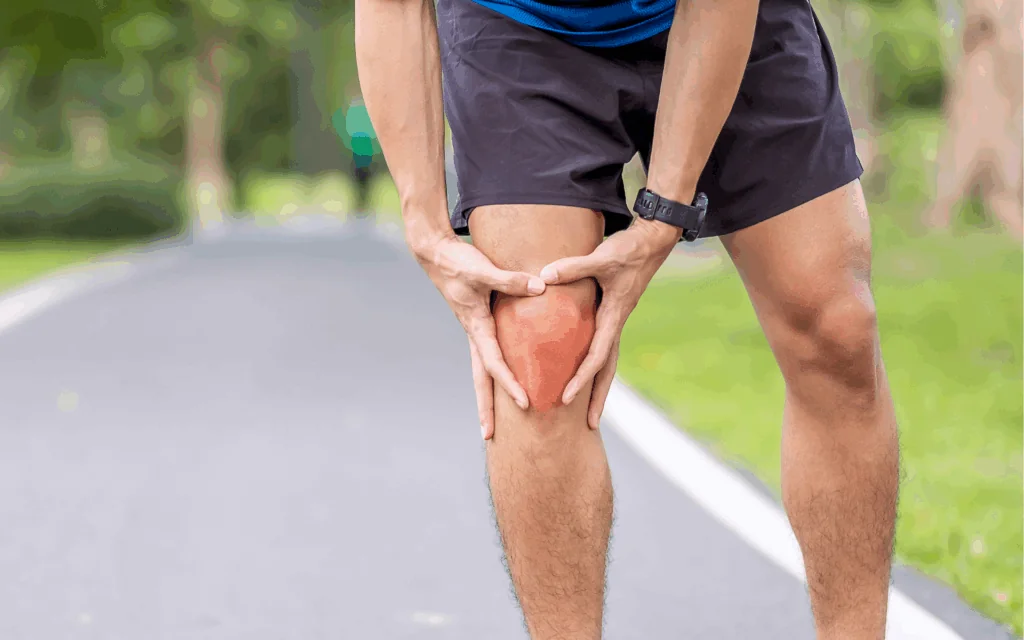
Recovering from a sports injury can be a daunting process, but it doesn’t have to be. As a local chiropractor, I want to guide you through a holistic approach that not only promotes physical healing but also nurtures your mental resilience. It’s essential to prioritize rest, but equally important is engaging in a structured rehabilitation program tailored to your specific needs.
Chiropractic care plays a crucial role in this journey. We focus on restoring proper alignment and function to your body, which can significantly expedite your recovery process. Additionally, understanding how nutrition impacts healing is vital. A balanced diet rich in anti-inflammatory foods can enhance your body’s ability to recover.
So, what are the best strategies to ensure you’re back in shape? Let’s delve into these effective methods together, so you can regain your strength and confidence in your athletic endeavors.
Prioritize Rest and Recovery
As a local chiropractor, I want to emphasize the importance of prioritizing rest and recovery when you’ve sustained a sports injury. It can be tempting to push through the pain, but your body truly needs time to heal. Listening to your body is crucial. Resting allows your muscles, tendons, and ligaments to repair themselves, laying a strong foundation for your return to activity.
During this recovery period, it’s an excellent opportunity to catch up on sleep and nourish your body with nutritious foods that support healing. Staying hydrated is also essential, as it helps reduce inflammation and promotes overall recovery.
If your doctor approves, consider incorporating gentle activities like stretching or light walking. These can enhance circulation without putting too much strain on your body. Remember, taking a break now can prevent longer downtime later. Embrace this recovery phase and focus on your mental well-being as well.
With the right approach, you’ll return stronger and more resilient, ready to tackle your sport with renewed vigor. As a chiropractor, I can help guide you through this process, offering natural healing methods and supportive care to ensure a smooth recovery. Your health is our priority, and together we can work toward getting you back in the game safely and effectively.
Implement a Structured Rehabilitation Program
After ensuring that you have adequate rest and recovery, the next crucial step in your healing journey is to implement a structured rehabilitation program. As a chiropractor, I believe that this program should be personalized to address your specific injury and individual needs, ideally under the guidance of a qualified professional.
It’s important to begin by setting realistic, achievable goals that focus on gradually increasing your strength, flexibility, and range of motion. This approach not only aids in physical recovery but also enhances your overall well-being.
Incorporate a blend of chiropractic exercises, mobility drills, and functional movements that are relevant to your daily activities or sports. Regularity is essential, so it’s vital to adhere to your rehabilitation schedule without skipping sessions. Tracking your progress can help keep you motivated, and it allows for necessary adjustments based on how your body is responding to the treatment.
Always pay attention to your body’s signals; if something doesn’t feel right or causes pain, it’s crucial to address it rather than pushing through, as this could lead to further setbacks.
Keep in mind that rehabilitation extends beyond just physical recovery; it’s also about rebuilding your confidence and mental readiness to return to your normal activities or sports.
Commit to this process, and with dedication and the right support, you’ll find yourself back at full strength sooner than you think! Remember, chiropractic care focuses on natural healing methods that empower your body to recover effectively.
Focus on Proper Nutrition
As a local chiropractor, I want to emphasize the crucial role that proper nutrition plays in your recovery from sports injuries. Nutrition is essential because it fuels your body’s natural healing processes, allowing you to recover more effectively. After an injury, your body requires a diverse range of nutrients to repair damaged tissues and reduce inflammation.
Incorporating lean proteins, such as chicken, fish, and legumes, is vital, as these help rebuild muscle and tissue. Additionally, don’t overlook the importance of healthy fats found in nuts, seeds, and avocados; they can significantly aid in reducing inflammation, which is a common concern after an injury.
Carbohydrates also play a key role in your recovery by providing the energy necessary for healing and rehabilitation. Focus on whole grains and ensure you include plenty of fruits and vegetables in your diet to obtain essential vitamins and minerals that support your body’s healing processes.
Hydration is another critical component, so make sure you’re drinking plenty of water. Staying hydrated supports circulation and helps transport nutrients throughout your body.
Finally, I recommend considering a consultation with a nutritionist who can help you create a personalized nutrition plan tailored to your unique recovery needs.
Utilize Physical Therapy Techniques
Nutrition provides a vital foundation for recovery, but when you combine it with chiropractic care and physical therapy techniques, you can significantly enhance your healing journey.
As a local chiropractor, I emphasize the importance of getting a personalized plan tailored to your specific injury. I’ll assess your condition and guide you through specialized exercises aimed at strengthening the affected area, improving flexibility, and restoring mobility.
In our sessions, we may incorporate techniques such as spinal adjustments, manual therapy, and even modalities like ultrasound or electrical stimulation to help alleviate pain and reduce inflammation.
It’s crucial to understand that guided rehabilitation is key; it ensures that you’re not overexerting yourself too soon, which can lead to setbacks.
Additionally, I’ll teach you proper body mechanics, which are essential for preventing future injuries. Whether it’s performing specific movements correctly or utilizing tools like resistance bands, these chiropractic techniques can expedite your recovery.
Remember, consistency with your therapy sessions and adhering to my recommendations will facilitate a quicker and safer return to your activities.
Together, we can work towards restoring your health and well-being through natural healing methods.
Incorporate Cross-Training and Alternative Exercises
As a local chiropractor dedicated to helping our community understand the benefits of natural healing, I want to emphasize how incorporating cross-training and alternative exercises can significantly aid in your recovery from sports injuries.
These activities not only help you maintain your fitness level but also play a crucial role in reducing the risk of re-injury. By diversifying your workouts, you can effectively target different muscle groups, which enhances your overall strength and flexibility.
Here are some effective options to consider:
- Swimming: This is a fantastic low-impact, full-body workout that promotes healing while minimizing stress on your joints.
- Cycling: A great way to build leg strength without putting excessive strain on your joints, making it ideal for injury recovery.
- Yoga: Not only does yoga enhance flexibility, but it also improves balance and mental focus, which are essential for a successful recovery.
- Pilates: This exercise method focuses on strengthening your core muscles, which is vital in supporting your recovery from injuries.
- Elliptical Training: Provides a cardiovascular workout while minimizing impact on your joints, making it a safer choice during your rehabilitation process.
By incorporating these activities into your recovery plan, you’ll be taking proactive steps towards healing and enhancing your overall well-being.
Manage Pain and Inflammation Effectively
As a local chiropractor, I understand that recovering from a sports injury can be a challenging process, but there are effective ways to manage pain and inflammation naturally. One of the best approaches to start with is the R.I.C.E. method: Rest, Ice, Compression, and Elevation. It’s essential to allow your body the necessary time to heal, so be sure to avoid any activities that could worsen your injury.
Applying ice to the affected area for 15-20 minutes every couple of hours can significantly help reduce swelling and numb any pain you may be experiencing. Additionally, using compression wraps can provide support to the injured area and further minimize inflammation. Elevating the injury above your heart can also be beneficial in decreasing swelling.
In addition to these methods, over-the-counter pain relievers like ibuprofen or acetaminophen can be helpful in managing discomfort and inflammation. However, it’s important to follow the recommended dosage and consult with your healthcare provider if you have any questions or concerns.
As you begin to feel better, gentle stretches or physical therapy exercises can be excellent for promoting blood flow and aiding in the healing process. Just remember to listen to your body and avoid pushing yourself too hard—your recovery is a journey, and I’m here to support you every step of the way.
Natural healing and chiropractic care can play a vital role in your recovery, so don’t hesitate to reach out for guidance and support.
Cultivate a Positive Mental Attitude
Recovery from a sports injury isn’t just about physical healing; your mental outlook plays a crucial role in the process. At our chiropractic clinic, we believe that cultivating a positive mental attitude can significantly enhance your recovery and overall well-being.
When you maintain an optimistic mindset, you’re more likely to stay motivated and committed to your rehabilitation plan. Here are some effective strategies to help you foster positivity during your healing journey:
- Visualize success: Imagine yourself back in action, fully engaged in your favorite activities and achieving your goals. This mental imagery can inspire and drive you forward.
- Set small, achievable goals: Break down your recovery into manageable steps, and take the time to celebrate each milestone, no matter how small it may seem. Each success is a victory worth acknowledging.
- Surround yourself with support: Connect with friends, family, and teammates who can offer encouragement and motivation. A strong support system can make a world of difference in your recovery.
- Practice mindfulness: Incorporate techniques such as meditation or deep breathing into your routine to help reduce stress and promote relaxation. This can aid in both your mental and physical healing.
- Focus on what you can control: Direct your energy towards your rehabilitation exercises and nutrition. By concentrating on the aspects of your recovery that you can influence, you can cultivate a sense of empowerment and progress.
Remember, your mindset is a powerful tool in your healing journey. Embracing a positive attitude can pave the way for a successful recovery, allowing you to return to the activities you love with renewed strength and confidence.
If you have any questions about how chiropractic care can support your recovery, don’t hesitate to reach out!
Conclusion
As a local chiropractor, I want to emphasize that recovering from sports injuries involves a holistic approach. It’s essential to prioritize rest and allow your body the time it needs to heal. Following a structured rehabilitation program tailored to your specific injury can significantly enhance your recovery process. Proper nutrition plays a vital role, as the right nutrients support healing and overall well-being.
Incorporating physical therapy techniques, which we can work on together, can help restore function and mobility. Additionally, exploring alternative exercises that are low-impact can keep you active while you heal. Managing pain and inflammation is also crucial—this is where chiropractic adjustments can help align your body and promote natural healing.
Lastly, maintaining a positive mindset is incredibly important. It fosters resilience and can make a world of difference in your recovery journey. With these strategies, including chiropractic care, you’ll be well on your way to a full recovery and back in the game, feeling stronger than ever!