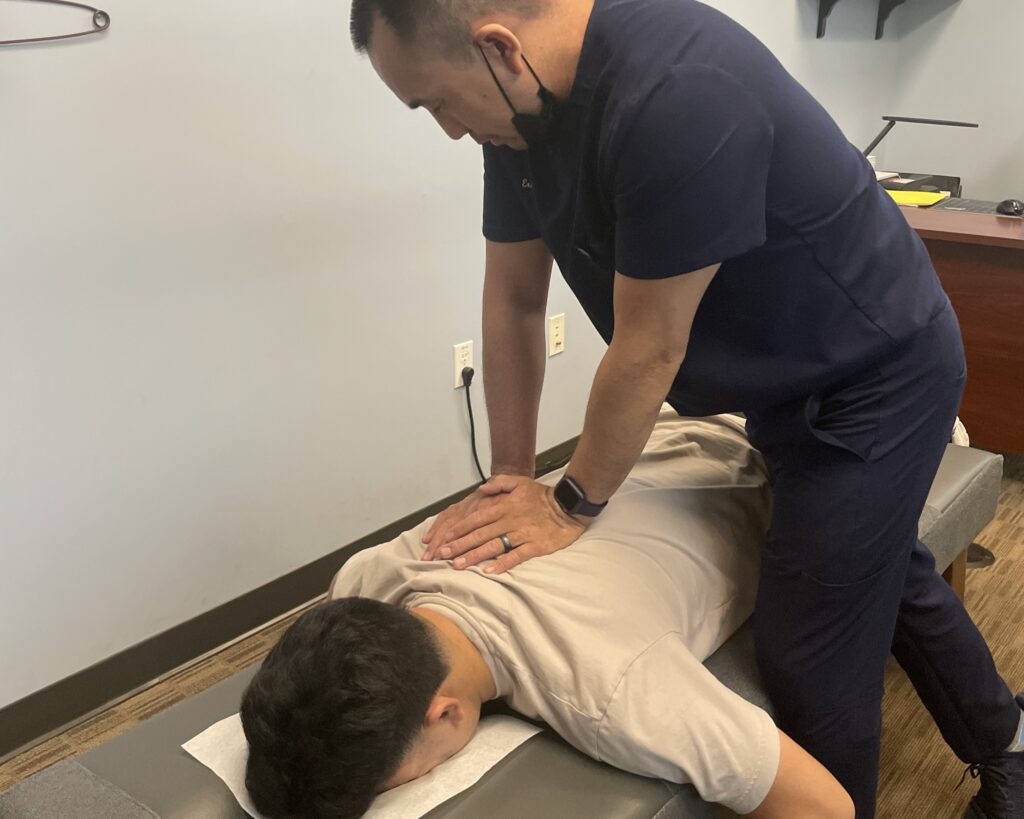
If you’re one of the many people who experience migraines, finding effective relief can feel like a daunting task. However, chiropractic adjustments may provide you with a natural and holistic approach to managing your symptoms. These adjustments do more than just alleviate pain; they focus on improving spinal alignment, reducing muscle tension, and enhancing blood flow throughout your body.
Understanding how chiropractic care works can empower you to take control of your health and wellness. Are you curious about the specific benefits of chiropractic adjustments for migraine relief? Let’s dive into the top ten advantages that can help you lead a healthier, pain-free life.
- Improved Spinal Alignment: Misalignments in the spine can contribute to headaches and migraines. Chiropractic adjustments help realign your spine, reducing pressure on nerves and alleviating pain.
- Reduced Muscle Tension: Tension in neck and shoulder muscles can trigger migraines. Chiropractic care targets these areas, promoting relaxation and reducing the frequency of your headaches.
- Enhanced Blood Flow: Proper spinal alignment can improve blood circulation, which is essential for overall health. Increased blood flow may help reduce the intensity and duration of migraine attacks.
- Natural Pain Relief: Chiropractic adjustments provide a drug-free alternative for pain relief, allowing your body to heal naturally without the side effects associated with medications.
- Stress Reduction: Stress is a common trigger for migraines. Chiropractic care promotes relaxation and helps lower stress levels, contributing to fewer migraine episodes.
- Better Posture: Many migraine sufferers have poor posture, which can exacerbate their symptoms. Chiropractic adjustments can improve your posture, reducing strain on your neck and back.
- Increased Range of Motion: Regular chiropractic care can enhance your flexibility and range of motion, making it easier to engage in activities that promote overall wellness.
- Personalized Care: Every individual’s experience with migraines is unique. A chiropractor can tailor your treatment plan to address your specific needs and triggers, ensuring more effective relief.
- Holistic Approach: Chiropractic care focuses on the whole person, not just the symptoms. This holistic perspective encourages a healthier lifestyle that can lead to long-term wellness.
- Empowerment through Education: Your chiropractor can provide valuable insights into lifestyle changes, exercises, and dietary adjustments that can further support your migraine management journey.
Incorporating chiropractic care into your wellness routine can be a powerful step toward achieving optimal health and reducing the impact of migraines on your life. Remember to maintain good posture, manage stress through relaxation techniques, and stay active to support your overall well-being. With the right approach, you can take control of your health and enjoy a more vibrant life free from the burden of migraines.
Key Takeaways
- Chiropractic adjustments play a crucial role in improving spinal alignment, which enhances the function of your nervous system and helps reduce the triggers that can lead to migraines. By maintaining a healthy spine, you’re taking a significant step towards alleviating migraine discomfort.
- When you receive chiropractic care, one of the benefits is improved blood flow and oxygen delivery to your brain. This can help decrease the frequency and intensity of headaches, allowing you to enjoy life more fully without the burden of migraines.
- Regular visits to a chiropractor can help relieve muscle tension in your neck and shoulders, which are common contributors to migraine pain. By addressing these areas, you can experience significant relief and a greater sense of well-being.
- Every individual is different, and chiropractic care recognizes that. Personalized treatment plans are designed to target your specific migraine triggers, ensuring you receive the most effective and tailored care possible for your unique situation.
- Complementing chiropractic adjustments with relaxation techniques can work wonders for your overall wellness. These practices can help manage stress, a common trigger for migraines, making it easier for you to maintain a calm and balanced life.
Incorporating chiropractic care into your wellness routine not only aids in the relief of migraines but also supports your journey towards optimal health. Remember, taking care of your spine is taking care of your health!
Improved Spinal Alignment
When it comes to finding relief from migraines, improved spinal alignment can make a world of difference. Proper alignment of your spine ensures that your nervous system can function optimally, which helps minimize the chances of triggering migraines. When your spine is correctly aligned, it alleviates pressure on the nerves, leading to fewer headaches.
Chiropractic adjustments play a vital role in restoring this balance. By providing gentle adjustments, we can create a more stable and supportive structure for your head and neck. Many of my patients are amazed at how just a few adjustments can enhance their overall well-being and make it easier to manage migraine symptoms.
Moreover, better spinal alignment can significantly improve blood flow and oxygen delivery to your brain, both crucial for reducing the frequency and intensity of headaches. If you’ve been struggling with migraines, I encourage you to consider chiropractic care as a natural approach to align your spine and potentially find the relief you’ve been seeking.
In addition to getting regular chiropractic adjustments, here are some general tips to help manage your migraines:
- Stay Hydrated: Drinking plenty of water can help prevent dehydration, which is a common migraine trigger.
- Maintain Good Posture: Be mindful of your posture while sitting and standing to reduce strain on your spine and neck.
- Practice Stress-Relief Techniques: Consider incorporating relaxation methods such as deep breathing, meditation, or yoga into your routine to help manage stress levels.
- Get Enough Sleep: Aim for regular sleep patterns to ensure your body is well-rested, as fatigue can trigger migraines.
- Eat Balanced Meals: Maintaining a healthy diet with regular meals can help regulate blood sugar levels, which may prevent migraines.
Reduced Muscle Tension
When you’re struggling with migraines, one of the most effective ways to find relief is by reducing muscle tension, particularly in the neck area. As a chiropractor, I can tell you that alleviating neck tension and improving your posture can make a significant difference not just in relieving pain, but also in preventing future migraines from occurring.
Chiropractic care focuses on the alignment of your spine and overall musculoskeletal health, which plays a crucial role in how your body feels and functions. By ensuring your spine is properly aligned, we can help reduce tension in the muscles around your neck and shoulders, which often contribute to migraine pain.
Here are a few simple tips to help you manage muscle tension and improve your overall wellness:
- Practice Good Posture: Be mindful of how you sit and stand throughout the day. Keeping your head aligned over your spine can help reduce strain on your neck muscles.
- Take Breaks: If you work at a desk or spend a lot of time looking at screens, remember to take regular breaks. Stand up, stretch, and give your muscles a chance to relax.
- Stay Hydrated: Dehydration can contribute to muscle tension and headaches. Make sure you’re drinking enough water throughout the day.
- Incorporate Gentle Stretching: Simple neck stretches can help relieve tension. Try gently tilting your head to each side and holding for a few seconds.
- Seek Chiropractic Care: Regular adjustments from a chiropractor can help keep your spine aligned, reduce muscle tension, and promote overall wellness. Chiropractic care is a natural approach that can provide the relief you need without the use of medications or invasive procedures.
By focusing on these strategies and incorporating chiropractic care into your routine, you can effectively manage muscle tension and reduce the frequency and intensity of migraines.
Alleviating Neck Tension
Neck tension can significantly contribute to migraine pain, and addressing this issue can greatly enhance your comfort. When the muscles in your neck are tight, they can create extra pressure in your head, worsening your migraines.
Regular chiropractic adjustments can effectively relieve this tension, promoting relaxation and easing discomfort.
By focusing on the muscles and alignment of your neck, chiropractic care can lead to a noticeable reduction in pain and stiffness, making daily activities more manageable. Incorporating gentle stretches and exercises recommended by your chiropractor can also support this relief, allowing your body to function more effectively.
You’ll discover that alleviating neck tension not only helps with migraine symptoms but also boosts your overall well-being. By prioritizing chiropractic care, you can achieve lasting improvements in your quality of life.
Remember, maintaining good posture, taking regular breaks during long periods of sitting, and practicing stress-reduction techniques can all contribute to better neck health.
Embrace chiropractic care as a natural way to achieve optimal health and find relief from discomfort.
Improved Posture Alignment
Improving your posture alignment is crucial for reducing muscle tension, which can significantly help alleviate migraine pain. When you maintain good posture, your spine remains in a neutral position, which minimizes strain on your muscles. This is especially important for your neck, shoulders, and upper back—areas that are often affected by poor posture.
By focusing on your alignment, you not only relieve pressure but also enhance blood flow, which can further reduce migraine triggers. As a chiropractor, I recommend incorporating regular stretches into your daily routine and making ergonomic adjustments in your workspace. Simple changes like adjusting your chair height or using a supportive cushion can make a world of difference.
Additionally, being mindful of your posture throughout the day can greatly decrease muscle tension. Here are a few tips to keep in mind:
- Check Your Setup: Ensure your computer screen is at eye level and your chair supports your lower back.
- Take Breaks: Stand up, stretch, and move around every hour to prevent stiffness.
- Strengthen Your Core: Engaging in exercises that strengthen your core can support your spine.
Enhanced Blood Flow
Migraines can be incredibly challenging to deal with, but did you know that enhancing blood flow to the brain can provide significant relief? When blood circulation improves, your brain receives more oxygen and essential nutrients, which can help lessen both the intensity and duration of a migraine.
One effective way to boost circulation is through chiropractic adjustments. These adjustments work to remove any blockages in your spine that may be restricting blood flow, allowing your body to function at its best.
After a chiropractic session, many people report feeling lighter and more energized. This isn’t just a coincidence; proper spinal alignment promotes better blood circulation throughout your body.
In addition to chiropractic care, incorporating regular stretches or practices like yoga into your routine can further enhance blood flow and support your overall wellness.
Here are a few simple tips you can take away:
- Stay Hydrated: Drinking plenty of water helps maintain healthy blood circulation.
- Regular Chiropractic Visits: Schedule regular check-ups to ensure your spine is aligned, which supports optimal blood flow.
- Gentle Movement: Engage in light physical activity or stretching daily to keep your blood circulating effectively.
- Practice Deep Breathing: This can help increase oxygen flow to your brain, aiding in migraine relief.
By choosing chiropractic care as part of your wellness journey, you’re investing in a natural and effective way to manage pain and promote overall health.
Embrace these practices and see how they can make a positive difference in your life!
Decreased Frequency of Attacks
Many people discover that chiropractic adjustments not only enhance blood flow but also lead to a noticeable decrease in the frequency of migraine attacks. By aligning your spine and improving how your nervous system functions, these adjustments help your body manage the triggers that can contribute to migraines.
When your spine is in proper alignment, it encourages clear communication between your brain and body. This means less irritation of the nerves that might cause more migraine episodes. Regular visits to your chiropractor can also help relieve muscle tension, which is often a major factor in triggering migraines.
As misalignments are corrected through chiropractic care, you may start to see a gradual reduction in the number of migraine attacks you experience. Many of my patients feel empowered to take control of their migraines, allowing them to participate fully in their daily lives without the fear of an impending attack.
With consistent chiropractic care, you can achieve significant relief from the burden of frequent migraines.
To further support your wellness journey, here are a few tips you can try at home:
- Stay Hydrated: Dehydration can trigger migraines, so drink plenty of water throughout the day.
- Maintain a Regular Sleep Schedule: Aim for consistent sleep patterns to help regulate your body’s internal clock.
- Practice Stress Management: Techniques like deep breathing, yoga, or meditation can help reduce stress, which is a common migraine trigger.
- Keep a Migraine Diary: Track your migraines to identify potential triggers and patterns, which can be useful to discuss with your chiropractor.
Alleviated Stress and Anxiety
When stress and anxiety take hold, they can result in increased muscle tension and poor sleep quality, which can negatively impact your overall well-being. One effective way to combat this is by incorporating relaxation techniques into your daily routine.
As a chiropractor, I often see how muscle tension can affect the spine and overall health. By focusing on reducing that tension through gentle stretching, deep breathing exercises, and regular chiropractic adjustments, you can foster a more peaceful state of mind.
Chiropractic care not only helps alleviate stress but can also play a crucial role in reducing the frequency of migraine episodes. Regular adjustments can improve spinal alignment, which may relieve pressure on nerves and muscles, leading to better relaxation and less tension throughout the body.
Here are a few tips to help you manage stress and enhance your wellness naturally:
- Practice Deep Breathing: Take a few moments each day to focus on deep, controlled breaths. This simple technique can help calm your mind and reduce tension.
- Stay Active: Engage in regular physical activity, whether it’s a brisk walk, yoga, or any form of exercise you enjoy. Movement helps release endorphins, which can improve your mood and reduce stress.
- Prioritize Sleep: Establish a calming nighttime routine to promote better sleep quality. A well-rested body can handle stress more effectively.
- Consider Regular Chiropractic Adjustments: Consistent care can help keep your spine aligned and reduce muscle tension, contributing to overall health and wellness.
Reduced Muscle Tension
Reducing muscle tension is a vital step in easing stress and anxiety, which can often trigger migraine headaches. When your muscles are tight, it can create a chain reaction, leading to increased stress levels and heightened anxiety. This is where chiropractic care can make a significant difference.
By seeking regular chiropractic adjustments, you can effectively address muscle tension. These adjustments help to release tight muscles, improve circulation, and promote overall relaxation. As your muscle tension decreases, you’ll likely find that you’re better able to manage stress, which means you’ll face daily challenges with more ease.
Incorporating chiropractic care into your wellness routine can lead to fewer migraine episodes, allowing you to enjoy life without the constant worry of headaches.
Here are some simple tips you can implement to further enhance your muscle relaxation and overall well-being:
- Stay Hydrated: Drinking plenty of water helps keep your muscles hydrated and functioning properly.
- Practice Good Posture: Maintaining proper posture while sitting and standing can reduce strain on your muscles.
- Incorporate Stretching: Gentle stretches can keep your muscles limber and reduce tension.
- Take Breaks: If you’re sitting for long periods, take regular breaks to move around and relieve muscle stiffness.
- Mindfulness and Breathing Exercises: Techniques like deep breathing and meditation can help reduce stress levels.
Embrace chiropractic care as a natural and effective way to achieve optimal health and well-being. By prioritizing muscle relaxation and overall body wellness, you can enjoy a life with fewer headaches and greater ease.
Enhanced Relaxation Techniques
As muscle tension decreases, it opens the door to exploring enhanced relaxation techniques that can further alleviate stress and anxiety—common triggers for migraines. Incorporating these simple yet effective methods into your daily routine can create a calming environment and help you manage your migraines more effectively, complementing the benefits of chiropractic care.
| Technique | Benefits | How to Practice |
|---|---|---|
| Deep Breathing | Reduces anxiety levels | Take a moment to inhale deeply through your nose and exhale slowly through your mouth for about 5 minutes. This helps calm your nervous system. |
| Progressive Relaxation | Eases muscle tension | Begin at your toes and gradually tense and relax each muscle group, moving up to your head. This helps release built-up tension. |
| Guided Imagery | Promotes mental calmness | Close your eyes and visualize a serene place, focusing on your breath as you imagine being there. This can create a sense of peace. |
| Mindfulness Meditation | Enhances emotional resilience | Spend 10 minutes sitting quietly, focusing on the present moment without letting your thoughts wander. This practice can help you feel more grounded. |
These techniques can empower you to feel more in control of your body and mind, ultimately reducing the likelihood of migraines. Remember, regular chiropractic adjustments can also help maintain spinal alignment and reduce muscle tension, further supporting your journey towards optimal health and wellness. By combining chiropractic care with these relaxation techniques, you can take proactive steps to manage pain and enhance your overall well-being.
Improved Sleep Quality
Achieving improved sleep quality is essential for alleviating stress and anxiety, which are common triggers for migraines. When you prioritize restful sleep, your body has the opportunity to recover and heal naturally, reducing the likelihood of migraine episodes. Quality sleep not only helps regulate your mood and stress levels but also makes it easier to handle everyday challenges.
As a chiropractor, I encourage you to explore the natural benefits of chiropractic care in promoting better sleep. Regular chiropractic adjustments can help align your spine, improve your nervous system function, and enhance your overall well-being. When your body is properly aligned, it can function optimally, leading to better sleep and reduced tension.
To further enhance your sleep quality, consider establishing a consistent sleep routine. Going to bed and waking up at the same time each day can help regulate your body’s internal clock. Additionally, create a calming bedtime environment by minimizing noise and light, and consider incorporating relaxation techniques such as deep breathing or gentle stretching before sleep.
These simple adjustments, along with the benefits of chiropractic care, can lead to more restorative sleep and a greater sense of well-being. By focusing on improving your sleep and maintaining spinal health, you’re taking proactive steps toward managing your migraines and enhancing your overall health.
Better Sleep Quality
While many people overlook the connection between sleep quality and migraine relief, getting the right amount of rest can significantly decrease the frequency and intensity of headaches. By prioritizing better sleep, you’re not only enhancing your overall health but also creating a more stable environment for your brain.
Poor sleep can heighten your sensitivity to pain, making headaches more likely, which is why it’s essential to focus on your sleep quality.
One effective way to improve your sleep is by establishing a consistent sleep schedule. Going to bed and waking up at the same time every day, even on weekends, helps your body regulate its internal clock. This consistency can lead to better sleep quality and may even reduce headache occurrences.
Additionally, creating a calming bedtime routine can signal to your body that it’s time to wind down. Consider limiting screen time and avoiding caffeine or heavy meals close to bedtime. Instead, you might try relaxing activities such as gentle stretching or deep breathing exercises, which can help ease tension in your body and promote relaxation.
As a chiropractor, I want to emphasize that chiropractic care can also play a crucial role in achieving optimal sleep and overall wellness. Regular adjustments can help align your spine and improve your body’s function, potentially leading to better sleep and less pain.
If you’re struggling with headaches or sleep issues, consider reaching out to a chiropractor for a natural approach to healing and wellness. Remember, taking care of your spine is an essential part of taking care of your overall health.
Increased Range of Motion
When you experience increased range of motion, it can make a remarkable difference in how your body feels and functions, particularly when it comes to managing migraines. Improved flexibility plays a crucial role in alleviating tension in your neck and shoulders, which are common culprits behind headaches.
As a chiropractor, I want to share three ways that increased range of motion can support you in finding relief from migraines:
- Reduced Muscle Tension: When your muscles are more relaxed and flexible, it helps to lessen the strain on your body. This reduction in tension can play a vital role in preventing the onset of migraines, allowing you to feel more comfortable and at ease.
- Better Posture: Enhanced mobility promotes proper alignment of your spine and body, which is essential for reducing stress on your nervous system. By maintaining good posture, you can decrease the likelihood of triggering headaches and improve your overall health.
- Improved Blood Flow: Greater flexibility leads to better circulation, which means that more oxygen and nutrients are delivered to your brain. This can potentially reduce both the frequency and intensity of migraines, helping you to feel more energetic and focused.
To support your journey towards increased range of motion and migraine relief, consider incorporating gentle stretches into your daily routine and staying mindful of your posture throughout the day.
Regular chiropractic care can also be a key component in achieving optimal health and wellness, as it focuses on enhancing your body’s natural ability to heal itself.
Holistic Pain Management
When it comes to managing migraines, chiropractic care can be a game-changer in finding the relief you deserve. By addressing the root causes of your pain through spinal adjustments and holistic practices, you can experience significant improvements in your well-being.
Let’s explore how chiropractic care, along with natural pain relief techniques and lifestyle modifications, can help you regain control over your pain and enhance your overall health.
Chiropractic adjustments focus on aligning your spine, which is crucial for proper nervous system function. When your spine is misaligned, it can lead to tension and stress that may trigger migraines. Regular chiropractic visits can help maintain proper alignment, reducing the frequency and intensity of your headaches.
In addition to chiropractic care, incorporating stress reduction techniques into your routine can be beneficial. Practices such as deep breathing, meditation, and gentle yoga can help lower stress levels, which is often a key factor in migraine development.
Lifestyle modifications, such as staying hydrated, maintaining a balanced diet, and getting regular exercise, can also contribute to overall wellness. These simple changes can enhance your body’s natural ability to manage pain and reduce the likelihood of migraines.
Remember, you don’t have to endure migraines alone. With the support of chiropractic care and these holistic strategies, you can take proactive steps towards a healthier, pain-free life.
Focus on your spinal health, embrace natural healing, and prioritize your wellness for optimal results.
Natural Pain Relief Techniques
If you’re looking for relief from migraines and want to avoid relying solely on medication, chiropractic care can be a highly effective option. Here are three natural pain relief methods that complement chiropractic treatment and can help you manage migraines:
- Chiropractic Adjustments: Regular visits to your chiropractor can help align your spine and improve overall function. Misalignments in the spine can lead to tension and headaches, including migraines. By addressing these issues, chiropractic care can provide significant relief and may reduce the frequency of your migraines.
- Essential Oils: Incorporating calming essential oils like lavender or peppermint can enhance your wellness routine. You can apply these oils topically or use them in a diffuser to create a relaxing atmosphere at home. This can work hand-in-hand with chiropractic adjustments to reduce stress and promote a sense of well-being.
- Herbal Supplements: While chiropractic care focuses on spinal health, certain herbs like butterbur and feverfew may help support your overall wellness. These herbs have been researched for their potential to reduce migraine frequency. Always consult with your chiropractor before adding any new supplements to your regimen to ensure they align with your health goals.
In addition to these methods, consider maintaining a healthy lifestyle through regular exercise, proper hydration, and a balanced diet.
These practices, combined with chiropractic care, can enhance your overall health and help prevent migraines.
Stress Reduction Strategies
Stress often plays a significant role in triggering migraines, making effective stress reduction strategies an essential part of your holistic approach to health and wellness. As a chiropractor, I believe in the power of natural healing and spinal health to support your overall well-being.
To start managing your stress, consider incorporating mindfulness practices like meditation or deep breathing exercises into your daily routine. These techniques can help calm your mind, reduce tension in your body, and promote relaxation.
Additionally, regular physical activity is key—whether it’s a simple walk or some light stretching, moving your body can significantly lower stress levels and enhance your mood.
Don’t forget the importance of quality sleep. Aim for a consistent sleep schedule to ensure your body gets the rest it needs. Sleep not only helps reduce fatigue, which can worsen stress and migraines, but it also supports your spine and overall health.
Social interaction is another powerful tool in managing stress. Connecting with supportive friends or family can provide emotional relief and help you feel more grounded.
Remember, chiropractic care can play a vital role in your journey toward optimal health. By focusing on spinal alignment and overall wellness, you can enhance your body’s ability to cope with stress, which may help reduce the frequency and severity of your migraines.
Lifestyle Modifications for Wellness
Building on the foundation of stress management, lifestyle modifications can significantly enhance your overall health and complement the benefits of chiropractic care in managing pain, including migraines.
By making small yet impactful changes, you can create a healthier environment for both your mind and body. Here are three effective adjustments to consider:
1. Regular Exercise: Incorporating moderate physical activity into your daily routine can be a powerful tool for reducing the frequency and intensity of migraines.
Aim for at least 30 minutes of movement most days—this could be walking, cycling, or any activity you enjoy. Regular chiropractic adjustments can also support your exercise efforts by improving mobility and reducing tension.
2. Balanced Diet: Nourishing your body with whole foods can make a big difference in how you feel.
Focus on a diet rich in fruits, vegetables, lean proteins, and healthy fats, while avoiding common migraine triggers like caffeine and processed sugars. Staying hydrated is crucial too—water plays a key role in maintaining overall health.
Chiropractic care can also guide you in understanding how your diet impacts your spinal health and overall wellness.
3. Sleep Hygiene: Prioritizing quality sleep is essential for managing migraines and overall health.
Aim for 7-9 hours each night and establish a calming bedtime routine to improve your sleep quality. Good sleep supports your body’s healing processes, and regular chiropractic adjustments can help address any spinal issues that might be affecting your sleep.
By implementing these lifestyle modifications alongside regular chiropractic care, you can greatly enhance your well-being and effectively manage migraines.
Personalized Treatment Plans
When it comes to managing migraines, personalized treatment plans are essential for finding effective relief. Since everyone experiences migraines differently, a generic approach often misses the mark. By partnering with a chiropractor, you can pinpoint your unique triggers and symptoms. This customized approach enables targeted interventions, using natural methods that promote healing and wellness.
Your treatment plan should be flexible and adapt as you respond to different therapies. Regular check-ins with your chiropractor ensure that any necessary adjustments are made, helping you stay on the right path to relief. You might discover that combining chiropractic care with other natural approaches, like proper nutrition and stress management techniques, leads to the best outcomes.
Incorporating your personal preferences and daily routines into your treatment plan can significantly improve your commitment and effectiveness. Remember, managing migraines is an ongoing journey, and taking a proactive approach with your personalized plan is crucial for reducing attacks and enhancing your overall quality of life.
Here are some general tips you can incorporate into your routine for better migraine management:
- Stay Hydrated: Dehydration can trigger migraines. Aim to drink plenty of water throughout the day.
- Maintain a Consistent Sleep Schedule: Lack of sleep or irregular sleep patterns can exacerbate migraine symptoms. Try to go to bed and wake up at the same time every day.
- Practice Stress Management: Techniques such as deep breathing, yoga, or meditation can help reduce stress levels, which may lower your risk of migraines.
- Monitor Your Diet: Keep a food diary to identify any potential dietary triggers, and try to maintain a balanced diet rich in whole foods.
- Schedule Regular Chiropractic Visits: Regular adjustments can help alleviate tension in the spine and improve overall body function, which may reduce the frequency and intensity of migraines.
Support for Overall Wellness
Managing migraines is important, but it’s equally essential to support your overall wellness for a better quality of life. By integrating holistic approaches, you can foster a balanced lifestyle that not only helps mitigate migraine triggers but also enhances your well-being.
As a chiropractor, I believe that chiropractic care is a vital component of achieving optimal health, and I’m here to share some practical tips to help you thrive.
Here are three key areas to consider:
1. Nutrition: A well-balanced diet filled with fruits, vegetables, and whole grains can significantly reduce inflammation and promote overall health. Staying hydrated is also crucial for your body’s functioning. Think of your diet as the fuel for your body—nourish it wisely!
Chiropractic care can help ensure that your body is functioning optimally, allowing you to absorb nutrients better.
2. Exercise: Regular physical activity is beneficial not just for your body but for your mind too! It releases endorphins, which can elevate your mood and lessen pain perception. Aim for at least 30 minutes of moderate exercise most days.
Activities like walking, yoga, or even light stretching can complement your chiropractic care, enhancing your spinal health and overall wellness.
3. Stress Management: Stress is a common trigger for migraines, but incorporating mindfulness techniques like meditation or deep-breathing exercises can help you manage it effectively. Taking time to relax is essential for your well-being.
Regular chiropractic adjustments can also help alleviate stress by improving spinal alignment and promoting a sense of calm.
Remember, chiropractic care is a natural and effective way to support your body’s healing processes and achieve optimal health.
Conclusion
Incorporating chiropractic adjustments into your migraine management routine can be a game changer for finding relief. By improving spinal alignment, reducing muscle tension, and enhancing blood flow, these adjustments target the root causes of your migraines in a natural way. Many patients report a noticeable decrease in the frequency and intensity of their migraine attacks after just a few sessions.
One of the best aspects of chiropractic care is that it offers personalized treatment plans tailored to your unique needs, ensuring that you not only address your migraines but also support your overall wellness. This holistic approach can help you achieve a balanced lifestyle, free from the reliance on medications or surgeries.
If you’re looking to manage migraines more effectively, here are some general tips to consider alongside chiropractic care:
- Stay Hydrated: Dehydration can trigger migraines, so be sure to drink plenty of water throughout the day.
- Maintain a Regular Sleep Schedule: Consistent sleep patterns can help prevent migraines. Aim for 7-9 hours of quality sleep each night.
- Practice Relaxation Techniques: Stress is a common trigger for migraines. Incorporate practices like deep breathing, meditation, or yoga into your daily routine.
- Monitor Your Diet: Certain foods may trigger migraines for some individuals. Keep a food diary to identify any potential culprits.
- Regular Exercise: Physical activity can reduce stress and tension, making it an essential part of migraine management. Aim for at least 30 minutes of moderate exercise most days.
- Limit Caffeine and Alcohol: Both substances can contribute to dehydration and trigger headaches, so it’s best to consume them in moderation.
- Apply Heat or Cold Packs: Finding relief can sometimes be as simple as applying a cold pack to your forehead or a warm compress to your neck.
By integrating chiropractic care into your routine and following these simple tips, you can take proactive steps towards managing your migraines and improving your overall health. Remember, achieving optimal wellness is a journey, and chiropractic care can be a vital part of that journey.