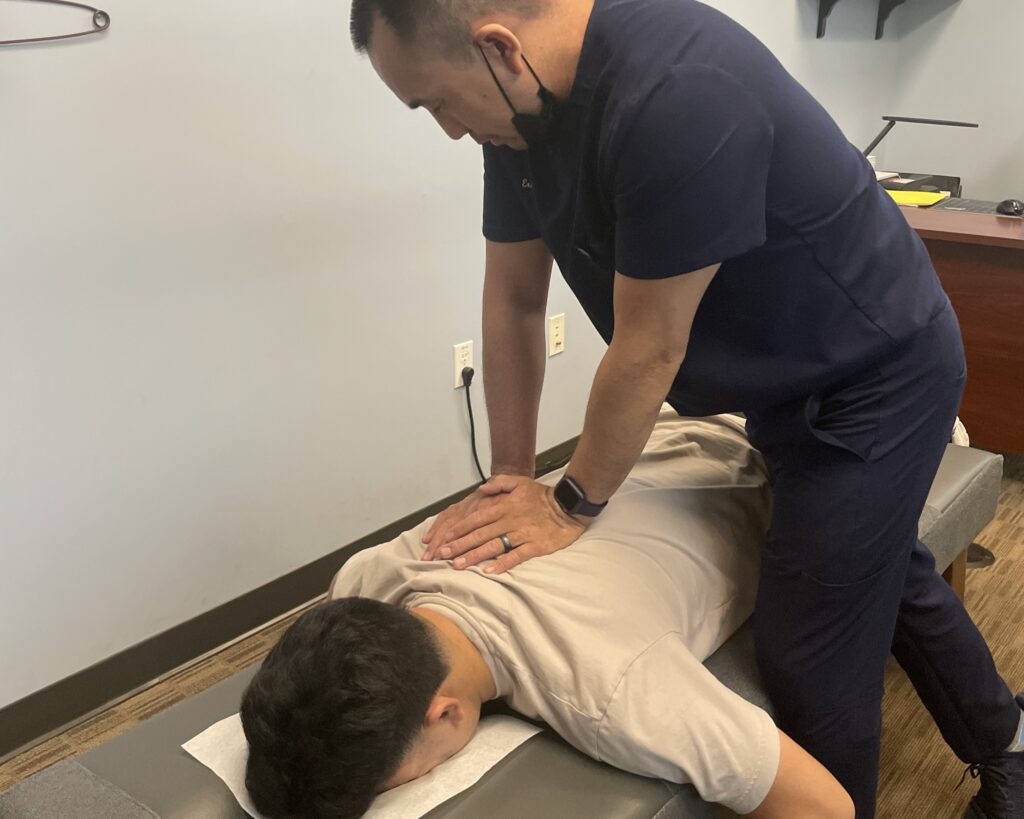
Headaches can really put a damper on your day, but there are natural ways to find relief that can also enhance your overall well-being. As a chiropractor, I want to emphasize that simple lifestyle changes, combined with chiropractic care, can make a significant difference in how you manage headaches. From staying hydrated to practicing relaxation techniques, there are plenty of strategies to consider that support your body’s natural healing processes.
One of the first steps to alleviating headaches is ensuring you’re drinking enough water. Dehydration can be a major trigger for headaches, so make it a habit to sip water throughout the day.
Next, consider incorporating regular chiropractic adjustments into your wellness routine. Misalignments in the spine can contribute to tension and pain, including headaches. By addressing these issues, chiropractic care not only helps relieve headaches but also promotes better overall health.
Relaxation techniques such as deep breathing, yoga, or meditation can work wonders as well. These practices help reduce stress and tension, which are common headache triggers. Pairing these with your chiropractic sessions can enhance the benefits and help you achieve a deeper state of relaxation.
Another tip is to pay attention to your posture. Poor posture, especially while sitting at a desk or using electronic devices, can lead to tension headaches. Be mindful of how you sit and stand; keeping your spine aligned can reduce strain on your neck and shoulders.
Additionally, regular exercise is vital. Physical activity increases blood flow and can reduce the frequency of headaches. Try to incorporate activities you enjoy into your routine—whether it’s walking, swimming, or cycling.
Lastly, don’t underestimate the power of a good night’s sleep. Quality rest is crucial for recovery and overall health. Establishing a consistent sleep schedule can help your body maintain balance and reduce the likelihood of headaches.
If you’re tired of relying on medications and are seeking a more holistic approach to health and wellness, consider these natural strategies alongside chiropractic care. They can provide the relief you’re looking for while promoting a healthier lifestyle. Let’s explore the ten best natural ways to alleviate headaches together, and remember, your journey to optimal health starts with taking care of your spine!
Key Takeaways
- Stay hydrated by drinking at least eight 8-ounce glasses of water daily; proper hydration is essential for overall health and can help reduce headache symptoms. Remember, a well-hydrated spine supports optimal function and can prevent tension headaches.
- Incorporate deep breathing, meditation, or gentle yoga into your daily routine. These practices help relieve stress, enhance relaxation, and promote overall well-being, contributing to a healthier spine and reducing headache frequency.
- Maintain good posture throughout your day. Whether sitting at a desk or standing, being mindful of your spinal alignment can prevent neck and back strain, which are common triggers for headaches. Take regular breaks to stretch and adjust your posture.
- Applying cold or warm compresses for 15-20 minutes can be a simple yet effective way to relieve tension or inflammation. Cold compresses can numb sharp pain, while warmth can soothe tight muscles, both of which can complement chiropractic adjustments for lasting relief.
- Explore natural remedies like ginger tea and peppermint oil, known for their soothing properties. These can serve as excellent adjuncts to chiropractic care, providing additional relief from headache discomfort without the need for medication.
By incorporating these natural strategies and prioritizing chiropractic care, you can take significant steps toward alleviating headaches and enhancing your overall health.
Stay Hydrated
Staying hydrated is one of the simplest yet most effective ways to alleviate headaches and support your overall wellness. When you don’t drink enough water, your body can become dehydrated, which may lead to tension and discomfort. As a chiropractor, I often see how dehydration can contribute to headaches, and I encourage my patients to prioritize hydration as part of their journey to health.
It’s easy to forget to drink water, especially when life gets busy. To make hydration a habit, try carrying a water bottle with you throughout the day. Aim for at least eight 8-ounce glasses of water daily, but if you’re active or spending time outdoors, you may need even more. Staying hydrated can help maintain a healthy spine and reduce pain, which is crucial for your well-being.
Remember, you can also hydrate through fruits and vegetables, like cucumbers and oranges. These not only provide hydration but also essential nutrients that support your body’s natural healing processes. If you start to feel a headache coming on, drinking a glass of water can often provide quick relief.
In addition to hydration, regular chiropractic care can help address the root causes of headaches by ensuring that your spine is aligned properly. This can alleviate tension in your neck and back, contributing to a decrease in headache frequency and intensity.
So, keep track of your hydration and make it a priority to stay refreshed. By combining proper hydration with chiropractic care, you can achieve a headache-free life and support your journey toward optimal health.
Practice Relaxation Techniques
While you may not always be able to control the stressors in your life, incorporating relaxation techniques can significantly help alleviate headaches and tension. As a chiropractor, I believe that achieving optimal health often starts with a holistic approach, which includes managing stress through natural methods.
Start with deep breathing exercises. Inhale slowly through your nose, hold for a few seconds, and then exhale gently through your mouth. This simple practice can lower stress levels and reduce tension in both your body and mind.
Meditation is another powerful tool that can help you center your thoughts and diminish anxiety. Just taking a few minutes each day to meditate can lead to noticeable improvements in your overall well-being.
Progressive muscle relaxation is a fantastic way to release built-up tension. This technique involves tensing and then relaxing different muscle groups, helping you to feel more at ease and connected to your body.
Setting aside time each day for these practices can make a world of difference. Remember, consistency is key! By incorporating these relaxation techniques into your routine, you may find that not only do your headaches decrease in frequency and intensity, but your overall health improves as well.
Chiropractic care complements these relaxation practices beautifully. By addressing any spinal misalignments, we can help ensure that your body functions at its best.
Apply Cold or Warm Compresses
Applying cold or warm compresses can be an effective way to relieve headache pain, especially when you customize the temperature to your specific symptoms. As a chiropractor, I often see patients who benefit from these simple techniques as part of their overall wellness plan.
If you’re dealing with tension or sinus headaches, a warm compress can work wonders. The heat helps to relax tight muscles and improve circulation, promoting a sense of relief. You can easily create one by placing a warm towel on your forehead or the back of your neck for about 15-20 minutes. This not only feels soothing but can complement your chiropractic adjustments by enhancing blood flow to the affected areas.
Conversely, if your headache resembles a migraine, a cold compress may be your best friend. Cold temperatures can numb the pain and reduce inflammation. Just wrap some ice in a cloth or grab a gel pack, and apply it to your forehead or temples for around 15 minutes. This approach can serve as a supportive tool alongside your chiropractic care, helping to alleviate discomfort naturally.
Remember to take breaks between applications to prevent skin irritation, and don’t hesitate to experiment with both types of compresses to see which one brings you more comfort.
Try Aromatherapy
Aromatherapy can be a wonderful addition to your wellness routine, especially when it comes to relieving headaches. While chiropractic care is the best way to address the root causes of pain, certain essential oils can complement your journey toward optimal health.
By exploring various inhalation techniques, you can enhance the soothing effects of your chiropractic treatments.
When considering which essential oils to use, peppermint and lavender are fantastic options known for their calming and pain-relieving properties. You can inhale these oils directly from the bottle or diffuse them in your home to create a relaxing atmosphere.
Remember, though, that the best approach to headache relief starts with a healthy spine. Regular chiropractic adjustments can help align your body and reduce tension, which is often a significant factor in headaches.
Additionally, maintaining good posture and managing stress through relaxation techniques can further support your overall wellness.
Incorporating aromatherapy can be a delightful way to enhance your self-care routine, but always remember that your chiropractic care is the cornerstone of a pain-free life.
Focus on nurturing your body holistically, and you’ll find lasting relief and improved health.
Essential Oils Selection
When you’re looking for relief from headaches, it’s important to consider holistic approaches that support overall wellness. While essential oils can provide temporary relief, chiropractic care is an excellent option for addressing the underlying issues that contribute to headaches.
Here are some essential oils that may offer additional support, but remember, regular chiropractic adjustments can help keep your spine aligned, promoting better health and reducing the frequency of headaches.
- Peppermint Oil – It’s known for its cooling effect and may provide temporary relief from tension headaches. However, addressing spinal tension through chiropractic care can help alleviate the root cause of headaches.
- Lavender Oil – With its calming properties, lavender can help reduce stress-related headaches. Incorporating relaxation techniques and chiropractic adjustments can enhance your overall stress management.
- Eucalyptus Oil – Often used for sinus headaches, eucalyptus may help open up airways. Yet, ensuring proper spinal alignment through chiropractic treatments can significantly improve respiratory function and reduce headache triggers.
- Rosemary Oil – This oil may improve circulation, which can help alleviate headache symptoms. Regular chiropractic care can also enhance blood flow and circulation, supporting your body’s natural healing processes.
While experimenting with these oils can complement your wellness routine, remember that chiropractic care is a powerful tool for achieving optimal health.
Adjustments can relieve tension, improve posture, and enhance overall well-being, helping to prevent headaches from occurring in the first place.
Always consult with your chiropractor about the best strategies for your individual needs, and consider incorporating daily habits like staying hydrated, maintaining good posture, and managing stress to support your health naturally.
Inhalation Techniques
Inhaling essential oils can be a wonderful addition to your wellness routine, especially when it comes to alleviating headaches. While chiropractic care is my primary focus for achieving optimal health and pain relief, incorporating aromatherapy can complement your healing journey. Here are a few inhalation techniques that may help ease tension:
| Technique | Description | Benefits |
|---|---|---|
| Inhalation Method | Place a few drops of your chosen essential oil on a tissue and inhale deeply. | Quick relief from tension headaches. |
| Diffuser Use | Add oils to a diffuser to continuously fill your space with calming aromas. | Creates a relaxing atmosphere that supports overall wellness. |
| Steam Inhalation | Add a few drops of oil to hot water, cover your head with a towel, and inhale the steam. | Helps clear sinuses and may reduce headache discomfort. |
Consider experimenting with oils like lavender for relaxation, eucalyptus for clarity, or peppermint for invigorating relief. You’ll likely discover a soothing ritual that enhances your well-being naturally.
Use Herbal Remedies
As a local chiropractor, I’m excited to share some insights into managing headaches through natural approaches, particularly by incorporating herbal remedies. While over-the-counter medications may provide temporary relief, they often come with side effects and don’t address the root cause of your pain.
Chiropractic care is a fantastic option for achieving optimal health and alleviating headaches by focusing on spinal alignment and overall wellness.
Herbal remedies can complement your chiropractic treatment by providing additional support. Some popular options include peppermint oil, which can help relax tension in your muscles, and ginger tea, known for its anti-inflammatory properties.
When preparing these remedies, it’s best to brew herbal teas fresh and use essential oils with care, ensuring they’re diluted properly before topical application.
While exploring these natural options, remember that the best way to prevent headaches is through proactive care. Regular chiropractic adjustments can help maintain proper spinal alignment, reducing nerve irritation and tension that often contribute to headaches.
Here are some general tips to support your journey towards headache relief:
- Stay Hydrated: Dehydration can trigger headaches, so make sure you’re drinking enough water throughout the day.
- Maintain Good Posture: Poor posture can strain your neck and back, leading to headaches. Focus on sitting and standing with a straight spine.
- Manage Stress: Incorporate relaxation techniques like deep breathing, yoga, or meditation to reduce tension that might lead to headaches.
- Regular Adjustments: Schedule regular chiropractic visits to keep your spine aligned and your body functioning optimally.
Popular Herbal Options
Many individuals seek natural ways to alleviate headaches, often turning to herbal remedies for relief. While these options can be helpful, it’s important to remember that chiropractic care offers a holistic approach to addressing the root causes of headaches, such as spinal misalignments and tension in the neck and shoulders.
Here are some herbal options that can complement your overall wellness journey, along with the benefits of chiropractic care:
- Peppermint: This herb is known for its soothing properties and can help relieve tension headaches and migraines. However, consider visiting your chiropractor to address any underlying spinal issues that may be contributing to your headache.
- Ginger: With its anti-inflammatory effects, ginger may help reduce headache intensity, especially if nausea is involved. Alongside taking ginger, regular chiropractic adjustments can improve blood flow and reduce tension, leading to fewer headaches.
- Feverfew: Traditionally used to prevent migraines, feverfew may help reduce their frequency. Working with a chiropractor can help identify and treat any biomechanical factors that might be triggering your headaches, providing a more comprehensive approach to prevention.
- Lavender: Inhaling lavender essential oil can promote relaxation and alleviate stress-related headaches. Coupled with chiropractic care, which focuses on spinal alignment and reducing muscle tension, you can create a more effective relaxation routine.
These herbal options can be a part of your natural wellness toolkit, but remember, chiropractic care is a proven method for achieving optimal health and managing pain.
Regular adjustments can help keep your spine aligned, reduce tension, and promote overall well-being. Always consult with a healthcare professional before starting any new remedies, and consider incorporating chiropractic care into your routine for lasting relief and a healthier lifestyle.
Preparation Methods Explained
When you’re ready to explore natural remedies for headache relief, understanding how to prepare them can really enhance their effectiveness. Here are some simple methods that you might find helpful:
| Preparation Method | Description |
|---|---|
| Tea | Steep dried herbs in boiling water for about 5-10 minutes. After steeping, strain the mixture and enjoy your soothing herbal tea. |
| Tincture | Soak herbs in alcohol for several weeks, then strain the mixture. You can use a few drops of this concentrated remedy in a glass of water for easy consumption. |
| Poultice | Mix crushed herbs with a small amount of water to create a paste. Apply this paste to your forehead and leave it on for 20-30 minutes for local relief. |
Using these methods can help you harness the power of herbal treatments and potentially improve your overall wellness. Remember, while herbal remedies can be beneficial, regular chiropractic care is an excellent approach for managing headaches and achieving optimal health. By addressing spinal alignment and overall body function, chiropractic care can help reduce the frequency and intensity of headaches.
Keep experimenting with these methods to discover what works best for you, and always consider incorporating chiropractic adjustments into your wellness routine for a comprehensive approach to health!
Safety and Dosage Considerations
When exploring natural remedies, it’s crucial to prioritize safety and dosage to ensure you receive the maximum benefits. While herbal remedies can be effective, improper use may lead to unwanted side effects or interactions. Here are some important tips to keep in mind:
- Consult a Chiropractor: Before trying new herbs or remedies, it’s wise to discuss them with your chiropractor. They can provide guidance on how these may complement your chiropractic care and overall wellness plan.
- Start Low: If you decide to use a new herb, start with a lower dose to see how your body responds. This gradual approach will help you gauge its effects, just as you’d with any new wellness practice.
- Check Quality: Always choose high-quality, reputable brands for herbal remedies. This ensures that you avoid contaminants and receive effective products, similar to how you’d select a trusted chiropractor for your care.
- Monitor Effects: Pay attention to how you feel after using the herb. Just like with chiropractic adjustments, if you notice any adverse reactions, it’s best to stop using the product and consult your chiropractor for further advice.
Maintain Good Posture
Good posture is crucial not only for your spine’s health but also for preventing headaches. When you slouch or hunch, it places unnecessary stress on your neck and shoulders, often resulting in tension headaches. Many people may not realize that poor posture can create a chain reaction of discomfort throughout the body.
To help maintain good posture, here are some simple tips you can incorporate into your daily routine. While sitting, ensure your feet are flat on the floor, and your back is straight against the chair. If you spend a lot of time at a desk, adjust your computer monitor so that it’s at eye level. This simple adjustment can significantly reduce strain on your neck.
When standing, make sure to distribute your weight evenly on both feet and keep your shoulders back. It’s beneficial to take a moment throughout the day to check in on your posture. Being mindful of how you position your body can lead to reduced frequency and intensity of headaches. Remember, small changes can lead to significant relief.
As a chiropractor, I encourage you to consider how chiropractic care can support your posture and overall wellness. Regular chiropractic adjustments can help align your spine, alleviate tension, and promote a healthier posture.
Get Regular Exercise
Maintaining good posture is just one important piece of the wellness puzzle; another crucial factor is getting regular exercise. Engaging in physical activity not only enhances your overall health but can also significantly decrease the frequency and intensity of headaches. When you exercise, your body naturally releases endorphins—these are your body’s own painkillers, which help reduce discomfort.
As a chiropractor, I encourage my patients to incorporate the following exercises into their routines to support spinal health and overall well-being:
- Walking – This is a simple, low-impact way to get your body moving while also clearing your mind. Plus, it promotes good posture as you walk.
- Yoga – Practicing yoga can significantly improve flexibility and relieve tension in your neck and shoulders, which are common sources of headaches.
- Swimming – A revitalizing full-body workout that’s gentle on the joints. It’s an excellent way to strengthen your muscles while keeping pressure off your spine.
- Strength Training – Building muscle strength can help counteract the effects of poor posture, reducing pain and supporting your spine.
I recommend aiming for at least 30 minutes of moderate exercise most days of the week. You’ll likely notice that staying active not only alleviates headaches but also boosts your mood and energy levels.
Remember, chiropractic care is a fantastic way to complement your exercise routine. By keeping your spine aligned and healthy, you can optimize your body’s natural healing processes.
Limit Caffeine Intake
If you’re prone to headaches, it’s important to keep an eye on your caffeine intake. Excessive caffeine can lead to withdrawal effects that may exacerbate your headaches.
As a chiropractor, I believe in a holistic approach to wellness, which includes being mindful of what we consume. To help you maintain a balanced lifestyle, consider the recommended daily limits for caffeine and explore some natural alternatives that can keep you feeling energized without the side effects.
Herbal teas, for instance, can be a soothing substitute while providing hydration, which is essential for overall health.
Remember, regular chiropractic adjustments can also play a significant role in alleviating headache pain and promoting overall wellness. By ensuring that your spine is properly aligned, you can help your body function at its best, potentially reducing the frequency and intensity of headaches.
Here are a few simple tips to help you manage your caffeine intake and promote a healthier lifestyle:
- Stay Hydrated: Drink plenty of water throughout the day to help prevent headaches and keep your body functioning optimally.
- Mindful Consumption: Pay attention to how much caffeine you consume daily and gradually reduce it if needed.
- Natural Alternatives: Try herbal teas or decaffeinated options to satisfy your cravings without the jitters.
- Spinal Health: Schedule regular chiropractic visits to ensure your spine is aligned, which can contribute to pain relief and better overall health.
Caffeine Withdrawal Effects
While many individuals depend on caffeine for an energy boost and improved focus, it’s important to recognize that reducing or eliminating caffeine can lead to withdrawal symptoms, including headaches. As a chiropractor, I believe in the power of natural healing and overall wellness, and it’s vital to approach this transition thoughtfully.
Here are four common withdrawal effects to be aware of, along with tips to help manage them naturally:
1. Headaches: Ranging from mild to severe, these headaches often emerge within a day of decreasing caffeine intake. Staying hydrated and practicing gentle neck and shoulder stretches can alleviate tension and reduce headache severity.
2. Fatigue: As your body adjusts to lower caffeine levels, you may feel more tired than usual. Consider incorporating regular chiropractic adjustments to enhance your body’s energy flow and promote better sleep patterns.
Additionally, light exercise and a balanced diet rich in whole foods can help boost your energy levels naturally.
3. Irritability: Mood swings can be a common experience during caffeine withdrawal. Engaging in mindfulness practices like meditation or yoga can help stabilize your mood and reduce irritability.
These practices not only promote relaxation but also encourage a healthier lifestyle.
4. Difficulty Concentrating: You might find it harder to focus without your usual caffeine fix. To counter this, try breaking tasks into smaller, manageable steps and taking regular breaks.
Incorporating chiropractic care can also improve your overall concentration by addressing any physical discomfort that may distract you.
Being aware of these withdrawal effects is the first step in managing them effectively. By choosing chiropractic care and adopting natural wellness practices, you can support your body’s transition and enhance your overall health.
Recommended Daily Limits
When it comes to managing your overall well-being, understanding your caffeine intake is important, especially if you’re prone to headaches or migraines. As a local chiropractor, I recommend that most adults aim to keep their caffeine consumption around 400 milligrams per day. This amount is roughly equivalent to four 8-ounce cups of brewed coffee. Staying within this guideline can help maintain your health and reduce the likelihood of tension that can contribute to pain.
It’s essential to recognize that everyone’s tolerance to caffeine can vary, so pay attention to how your body responds. If you find that caffeine tends to trigger discomfort for you, it might be wise to cut back a bit more. Additionally, remember that caffeine isn’t just found in coffee; it’s also present in tea, soda, and even chocolate. Being mindful of all these sources can help you keep your caffeine levels in check.
Incorporating chiropractic care into your wellness routine can also support your body’s natural healing processes. Regular adjustments can help alleviate tension and improve your overall health, making it easier to manage headaches and discomfort.
Alternatives to Caffeine
While you might often turn to caffeine to power through your day, there are numerous natural alternatives that can help enhance your energy levels and alleviate headaches without the potential side effects of caffeine.
As a chiropractor dedicated to promoting health and wellness, I encourage you to explore these options for a more natural approach to boosting your vitality:
1. Herbal Teas – Consider sipping on peppermint or ginger tea. These herbal remedies can help soothe your stomach and provide a refreshing lift, all while supporting your overall well-being.
2. Hydration – Staying properly hydrated is crucial for your health. Drinking enough water can help combat dehydration, which is a common trigger for headaches.
Remember, proper hydration is key to maintaining optimal spinal health as well!
3. Fresh Fruits – Incorporate fruits like bananas or berries into your diet. They aren’t only delicious but also rich in vitamins and natural sugars that can provide a quick energy boost.
Plus, the nutrients found in fresh fruits can support your body’s healing processes.
4. Physical Activity – Engaging in a quick walk or some gentle stretching can do wonders for your body. Movement releases endorphins, which can enhance your mood and energy levels.
It’s also beneficial for your spine, promoting better alignment and reducing tension.
By embracing these natural alternatives and incorporating them into your daily routine, you can support your body’s natural healing abilities and achieve optimal health.
Ensure Adequate Sleep
Getting enough sleep is crucial for preventing headaches, as insufficient rest can lead to tension and migraines. Aim for about 7 to 9 hours of quality sleep each night. Establishing a consistent sleep schedule is key; your body thrives on routine. Try to go to bed and wake up at the same times each day, even on weekends.
Consider creating a calming bedtime routine to signal to your body that it’s time to relax. Activities like reading, meditating, or enjoying a warm bath can help ease you into sleep. Ensure your sleep environment is comfortable—dark, quiet, and cool—for the best rest.
It’s also wise to limit your screen time before bed, since blue light can disrupt your natural sleep cycle.
As a chiropractor, I want to emphasize that proper sleep supports overall health, including spinal health. When your body is well-rested, it can better cope with stress and tension, which are common contributors to pain.
Prioritizing sleep can complement the benefits of chiropractic care, promoting a healthier lifestyle. Remember, your body is designed to heal naturally, and good sleep plays a vital role in that process.
Explore Acupressure and Massage
Acupressure and massage can be wonderful natural remedies for alleviating headaches, particularly when stress and tension are at play. As a chiropractor, I want to emphasize that these techniques not only promote relaxation but can also help relieve muscle tightness that contributes to headaches.
However, for long-term relief and optimal health, regular chiropractic care is essential as it addresses the root causes of discomfort.
Here are four simple methods you can try at home to ease headache pain:
- Finger Pressure: Find the webbing between your thumb and index finger (known as the Hegu point). Apply firm pressure here for about 5 minutes. This spot can create a powerful release of tension.
- Nape Massage: Use your fingertips to gently knead the muscles at the base of your skull. Focus on any tight areas you feel. This can help alleviate neck tension that often leads to headaches.
- Forehead Pressure: Press your thumbs gently along your eyebrows, starting from the center and moving outwards. This can help relieve pressure in the forehead area.
- Temple Massage: Use your fingertips to rub your temples in a circular motion. This technique can help to decrease tension and promote relaxation.
Incorporating these techniques into your daily routine can provide some immediate relief.
However, I encourage you to consider regular chiropractic adjustments to enhance your overall well-being. Chiropractic care is a holistic approach that not only helps with pain relief but also improves your body’s function and promotes natural healing.
Conclusion
Incorporating natural methods into your daily routine can greatly enhance your ability to manage headaches and promote overall wellness. Staying well-hydrated is essential; dehydration can often lead to tension and discomfort. Additionally, practicing relaxation techniques, such as deep breathing or gentle yoga, can help alleviate stress, which is a common headache trigger.
Aromatherapy and herbal teas can also provide soothing relief. For instance, peppermint or chamomile tea can be particularly calming. Regular exercise is crucial, not only for maintaining a healthy body but also for reducing tension and stress that can lead to headaches. Consistent physical activity helps to improve circulation and can prevent headache occurrences.
Equally important is ensuring you get proper sleep; a good night’s rest is vital for your body to recover and function optimally. Techniques like acupressure can also be effective. By applying gentle pressure to specific points on your body, you may find relief from headache pain.
As a chiropractor, I emphasize the importance of spinal health in achieving optimal wellness. Misalignments in the spine can contribute to headaches, so regular chiropractic adjustments can help restore balance and alleviate pain. By taking these proactive steps and listening to your body, you can empower yourself to manage headaches more effectively and enhance your overall well-being. Remember, chiropractic care is a natural and effective way to support your health journey.