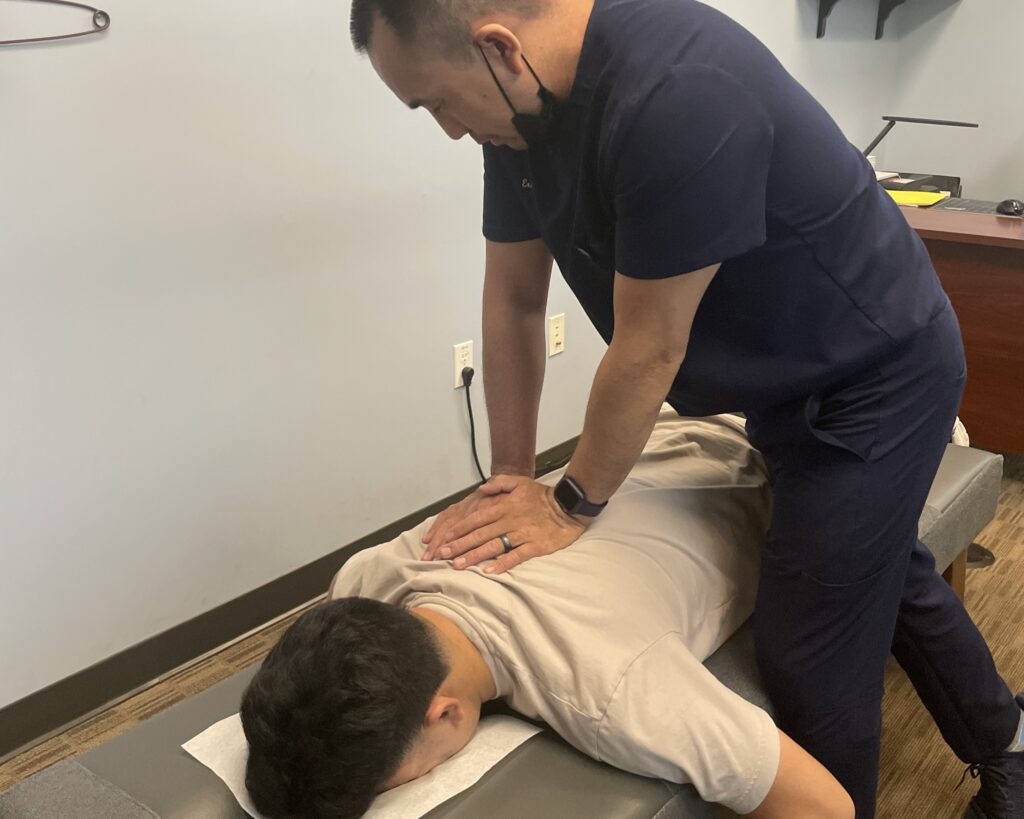
As a local chiropractor, I want to share with you that if you’re dealing with back pain, you’re certainly not alone. This is a common issue that many people experience, and I understand how finding the right relief can feel overwhelming. However, I believe that a comprehensive approach can truly make a difference in your recovery journey.
It’s important to recognize that back pain can stem from various factors, and understanding these can empower you to take proactive steps toward healing. Chiropractic care is centered around the idea that the body has an incredible ability to heal itself when properly aligned and supported. Through gentle adjustments, we can help restore proper function to your spine and nervous system, which can alleviate pain and improve your overall health.
In addition to chiropractic adjustments, incorporating physical therapy can enhance your recovery by strengthening the muscles that support your spine. Furthermore, mindfulness practices, such as yoga and meditation, can help you manage stress and promote relaxation, which is vital for healing.
Curious about how these different strategies can work together to improve your situation? I invite you to explore the holistic options available to you. Together, we can find the right combination of chiropractic care and complementary practices that may help you achieve lasting relief from back pain. Let’s embark on this journey toward wellness together!
Understanding the Causes of Back Pain
As a local chiropractor, I want to take a moment to discuss a common issue that affects nearly 80% of individuals at some point in their lives: back pain. Many of you may be curious about what triggers this discomfort and how we can address it naturally.
One major contributor to back pain is poor posture. Slouching while sitting or standing can place significant strain on your back muscles. It’s essential to maintain good posture to support your spine and prevent discomfort.
Another frequent cause is muscle or ligament strain, which can occur from heavy lifting or sudden, awkward movements. These strains can lead to pain that might require a holistic approach to healing.
Conditions such as herniated discs or arthritis are also known to cause chronic back pain. These issues can be complex, but through chiropractic care, we can work on restoring balance and function to your spine, which may alleviate your symptoms.
Additionally, carrying excess weight puts extra pressure on your spine, which can contribute to pain. A healthy lifestyle, including proper nutrition and exercise, is crucial for maintaining a healthy weight and reducing strain on your back.
Let’s not forget the impact of stress. Emotional stress often leads to muscle tension, which can worsen back pain. Incorporating stress-reduction techniques, such as deep breathing or meditation, can be beneficial.
Finally, a sedentary lifestyle may weaken your core muscles, making your back more susceptible to injury. Regular movement and exercises tailored to strengthen your core can significantly improve your overall back health.
Understanding these causes is vital for finding effective relief and preventing future issues. As your chiropractor, I encourage you to pay attention to your body and make mindful lifestyle choices. Together, we can work towards better back health and natural healing.
The Role of Physical Therapy
As a local chiropractor, I want to help you understand the vital role chiropractic care plays in your overall health, particularly when it comes to back pain relief. While many people think of chiropractic services as solely focused on spinal alignment, our approach is deeply rooted in promoting your overall wellness through natural healing.
When you come to see me for back pain, I’ll take the time to assess your condition thoroughly. This includes identifying any muscle imbalances or postural issues that might be contributing to your discomfort. From there, I’ll develop a personalized treatment plan tailored specifically to your needs, which may include spinal adjustments, soft tissue work, and exercises designed to enhance your strength and flexibility.
In addition to adjustments, I often incorporate various techniques such as manual therapy and modalities like heat or ice application to help reduce pain and improve your range of motion.
A key part of our work together is teaching you about proper body mechanics, which can significantly lower your risk of future injuries. By actively participating in your recovery journey, you’ll not only gain relief from pain but also acquire important tools to manage your discomfort effectively.
My goal is to empower you to take control of your back health and foster long-term wellness, making sure you feel confident in tackling life’s challenges. Remember, chiropractic care isn’t just about treating symptoms; it’s about enhancing your quality of life through natural healing and holistic practices.
Incorporating Exercise and Stretching
As your local chiropractor, I want to emphasize the importance of incorporating exercise and stretching into your daily routine to help relieve back pain.
Focusing on strengthening your core muscles and utilizing effective stretching techniques can truly make a significant difference in your overall well-being.
It’s essential to understand safe exercise recommendations that will keep you active while minimizing the risk of aggravating your discomfort.
Together, we can create a tailored plan that promotes healing and enhances your quality of life without relying solely on medication.
Importance of Core Strength
As a chiropractor, I want to emphasize the importance of core strength in your overall health and well-being, particularly when it comes to alleviating back pain.
Your core muscles—comprising the abdominals, obliques, and lower back—play a vital role in supporting your spine and enhancing your stability. When these muscles are strong, they help you maintain proper posture, which is crucial for reducing strain on your back.
Many people may not realize that a weak core can lead to imbalances that contribute to discomfort and pain. To combat this, I recommend incorporating exercises that specifically target your core. Simple yet effective movements like planks, bridges, and abdominal crunches can significantly enhance your core strength.
By regularly engaging in these exercises, you’ll not only build endurance and stability but also make everyday movements easier and safer.
Moreover, a robust core can act as a protective barrier against future injuries, as it provides the necessary support to your spine during various physical activities.
So, as you explore ways to improve your health, consider prioritizing core strengthening exercises in your routine. You may be surprised at the positive impact it can have on your back pain and overall wellness.
Effective Stretching Techniques
As a local chiropractor, I want to emphasize that building a strong core is just one aspect of a holistic approach to alleviating back pain. One of the most effective ways to enhance your recovery is through stretching techniques that improve flexibility and reduce muscle tension.
I recommend starting with gentle stretches such as the cat-cow pose, which is excellent for mobilizing your spine. The child’s pose is another effective option, as it helps your back to relax and find relief.
Don’t forget about your hamstrings; incorporating hamstring stretches can significantly help alleviate tightness in your lower back. A seated forward bend is also beneficial, as it can release tension in both your spine and hips.
Always remember to listen to your body during these stretches. If you experience any discomfort, it’s important to ease off. Aim to practice these stretches daily, holding each position for about 15-30 seconds.
Safe Exercise Recommendations
As your local chiropractor, I want to emphasize the importance of incorporating safe exercises into your daily routine, especially for those of you who may not be familiar with chiropractic care and natural healing methods.
It’s essential to focus on movements that will enhance your strength and flexibility without putting unnecessary strain on your back.
I recommend starting with low-impact activities such as walking, swimming, or cycling. These exercises are excellent for building endurance while minimizing pressure on your spine.
Additionally, core-strengthening exercises, like planks or gentle Pilates, can provide the support your spine needs.
Stretching is another vital component of your exercise routine. I encourage you to explore yoga poses such as the cat-cow or child’s pose. These can help improve your flexibility and relieve tension in your body.
Always listen to your body during these exercises—if you experience any pain, it’s important to stop immediately.
Gradually increasing the intensity and duration of your workouts is crucial to avoid injury.
Remember, consistency is key in achieving long-term relief and wellness.
Finding activities that you truly enjoy won’t only make your routine more enjoyable but also help you stick with it for the long haul.
If you have any questions about how to safely incorporate these exercises or how they can benefit your overall health, please feel free to ask during your next visit.
Ergonomics and Proper Posture
As a local chiropractor, I want to emphasize how crucial proper posture is for preventing back pain, and understanding ergonomics can significantly improve your comfort and productivity throughout the day.
Let’s start with your workspace. It’s important to adjust your chair so that your feet rest flat on the floor and your knees are in line with your hips. Make sure your computer screen is positioned at eye level; this will help you maintain a straight posture without putting strain on your neck.
When you sit, keep your back firmly against the chair, and consider using a small cushion for additional lumbar support if necessary. Don’t forget to take regular breaks; standing up and stretching every hour can help relieve built-up tension in your muscles.
If your daily routine involves lifting heavy objects, remember to use your legs for lifting instead of your back to avoid any strain. Always keep the object close to your body and avoid twisting while lifting.
Dietary Considerations for Back Health
As your local chiropractor, I want to emphasize the crucial connection between what you eat and your back health. The foods you choose can significantly influence inflammation levels in your body, which in turn affects your pain and overall wellness.
By incorporating anti-inflammatory foods into your diet and ensuring you stay well-hydrated, you can support your spine and reduce discomfort.
Let’s take a closer look at how these dietary choices can benefit your back and enhance your overall health. Making mindful eating decisions can be a powerful ally in your journey toward better spinal health and pain relief.
Together, we can explore the best options for you to maintain a healthy back through nutrition.
Anti-inflammatory Foods
As a local chiropractor, I want to emphasize the importance of incorporating anti-inflammatory foods into your diet for better back health. Many people are unaware of how nutrition can influence their overall wellness, especially when it comes to alleviating discomfort in the spine.
Foods rich in omega-3 fatty acids, such as salmon and walnuts, are fantastic choices to help reduce inflammation. These healthy fats are known to support joint and muscle health, which is crucial for maintaining a healthy back.
Additionally, incorporating leafy greens like spinach and kale into your meals can provide a wealth of antioxidants that are beneficial for your body.
Fruits, particularly berries and cherries, are also excellent for fighting inflammation. They contain natural compounds that can help soothe discomfort and support your body’s healing processes.
Don’t overlook the power of spices, either! Turmeric and ginger not only add flavor to your dishes but are also well-researched for their anti-inflammatory properties.
Whole grains, including brown rice and quinoa, are great sources of fiber that can aid in reducing inflammation as well. By focusing on these types of foods, you can create a nourishing diet that supports your back health, potentially alleviating some of your discomfort and promoting healing.
Hydration Importance
As your local chiropractor, I want to emphasize the significance of hydration in addition to focusing on anti-inflammatory foods for maintaining a healthy spine. Proper hydration is crucial for your back health. It helps keep your spinal discs well-cushioned, which can significantly reduce your risk of experiencing pain and injury.
Here are some hydration tips I encourage you to consider for better back health:
- Aim to drink at least eight 8-ounce glasses of water each day to keep your body well-hydrated.
- Incorporate water-rich foods into your diet, such as fruits and vegetables, to enhance your fluid intake.
- Be mindful of your consumption of caffeine and alcohol, as these can lead to dehydration and negatively affect your spine.
- Consider carrying a water bottle with you as a reminder to sip water throughout the day, ensuring you stay consistently hydrated.
By prioritizing hydration, you can support your spine’s health and overall well-being.
Alternative Treatments: Acupuncture and Chiropractic Care
As a local chiropractor, I want to share some valuable insights into how alternative treatments, like chiropractic care and acupuncture, can effectively help relieve back pain. Many patients aren’t fully aware of the benefits these therapies can provide, so let me explain.
Chiropractic care primarily focuses on the alignment of the spine. When your spine is properly aligned, your body can function optimally, reducing discomfort and improving overall mobility. During your visit, I’ll assess your spine for any misalignments and perform gentle adjustments to correct them. This process not only alleviates pain but also encourages your body’s natural healing processes.
Acupuncture, on the other hand, involves the insertion of thin needles into specific points on your body. This technique is known to promote the release of endorphins, which can help reduce pain significantly. Many of my patients report experiencing relief after just a few sessions of acupuncture.
Both chiropractic care and acupuncture prioritize natural healing and often come with fewer side effects compared to traditional medications. If you’re considering these alternative treatments, I encourage you to consult with licensed practitioners who can tailor their methods to your individual needs.
Integrating these therapies with conventional treatments may enhance your recovery journey and empower you to achieve a pain-free lifestyle. Remember, a holistic approach to your health can make all the difference!
Mindfulness and Stress Management Techniques
As a local chiropractor, I often see patients who suffer from back pain not only due to physical misalignments but also as a result of stress and tension.
It’s important to recognize that our mental and emotional states can greatly impact our physical well-being. To support your healing process, I encourage you to incorporate mindfulness and stress management techniques into your daily routine.
Here are some effective strategies that can be beneficial:
- Deep Breathing: By taking slow, deep breaths, you can calm your mind and significantly reduce muscle tension in your back. This simple practice can be done anywhere and at any time.
- Meditation: Dedicating just a few minutes each day to meditation can enhance your awareness and promote deep relaxation, which is crucial for your overall health.
- Yoga: Engaging in yoga allows you to combine gentle movements with mindfulness, improving your flexibility while simultaneously reducing stress levels, which is vital for back pain relief.
- Progressive Muscle Relaxation: This technique involves systematically tensing and relaxing different muscle groups. It’s a great way to alleviate stress and tension specifically in your back.
By integrating these practices into your routine, you not only support your chiropractic care but also contribute to a more holistic approach to your health and well-being.
When to Seek Professional Help
As a local chiropractor, I want to help you understand when it’s time to seek professional help for your back pain. If you’ve been dealing with pain that lingers for more than a few weeks, it’s a clear signal that it’s time to consult a healthcare provider like myself. Persistent pain is your body’s way of telling you that something might be wrong, and I can help identify the root cause.
If you’re experiencing severe discomfort that doesn’t improve with rest or basic home remedies, don’t wait to reach out for assistance. Chiropractic care focuses on addressing the underlying issues causing your pain, rather than just masking the symptoms.
It’s also important to pay attention to any accompanying symptoms, such as numbness, tingling, or weakness in your legs. These could be indicators of a more serious condition that requires immediate attention.
Additionally, if you find it challenging to carry out your daily activities or notice any changes in your bowel or bladder control, it’s crucial to get evaluated promptly.
Remember, seeking timely intervention can prevent further complications and promote a smoother recovery process. Trust your instincts; if something feels off, it’s always best to get it checked out.
Your health and well-being matter, and as a chiropractor, I’m here to guide you on your journey to natural healing and recovery.
Conclusion
As a local chiropractor, I want to emphasize that managing back pain effectively involves a holistic approach that integrates several strategies. Understanding the root causes of your discomfort is critical. That’s where we come in—through chiropractic care, we can address misalignments in your spine and improve your overall function.
In addition to chiropractic adjustments, I encourage you to consider physical therapy and exercise tailored to your needs. These can strengthen your back and improve your posture, which is vital for long-term relief. Ergonomics also plays a significant role; ensuring your workspace is set up correctly can prevent further strain on your back.
Mindfulness techniques can aid in managing pain perception and stress, complementing the physical treatments. Alternative therapies like chiropractic care are beneficial not just for immediate relief, but also for promoting overall wellness.
If you’re struggling with persistent pain, I urge you to seek professional help. Taking these steps not only helps alleviate back pain but also enhances your overall quality of life. Let’s work together to take charge of your health and find the best path toward relief and wellness.