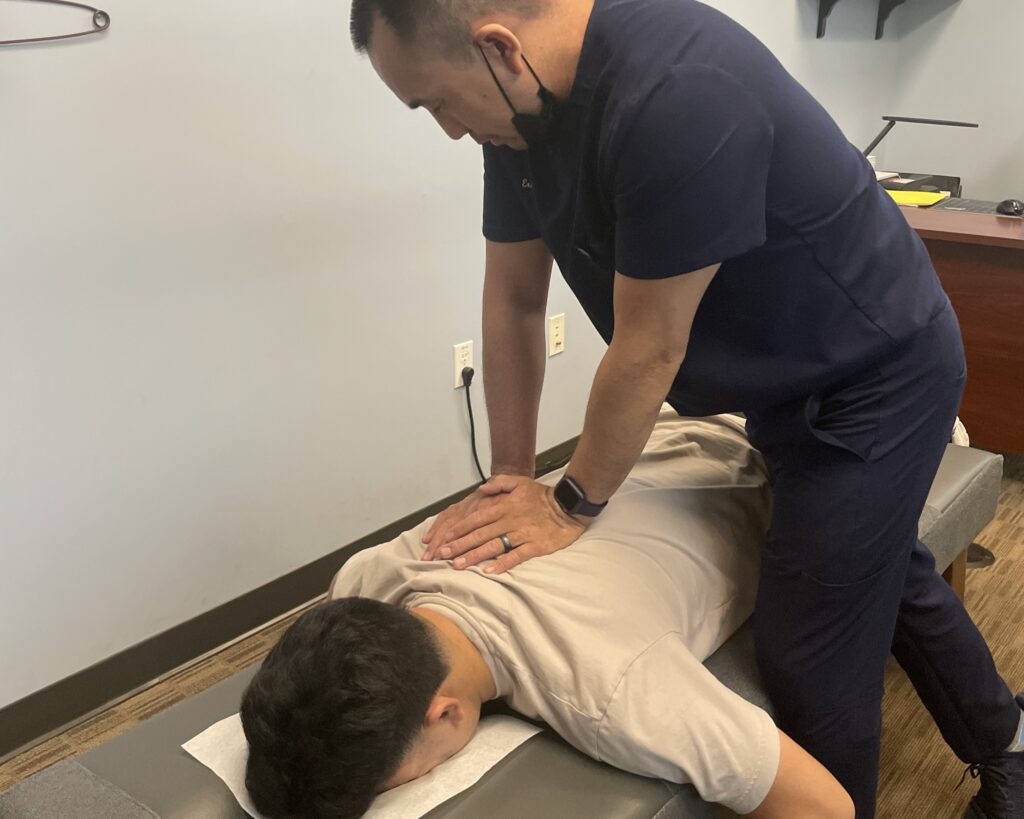
As a local chiropractor, I want to help you understand the important connection between your back pain and your mental well-being. Many people don't realize how closely these two aspects are linked. When you experience discomfort, it's natural to feel overwhelmed or anxious, but this can actually intensify the pain you're feeling.
Instead of relying on quick fixes that only mask the problem, consider how making small changes to your daily routine can lead to lasting relief. By focusing on the mind-body connection, we can tackle the root causes of your discomfort together.
If you're curious about effective strategies that can enhance both your physical health and mental clarity, I'm here to guide you on your journey to wellness through chiropractic care and natural healing. Your path to feeling better, both physically and mentally, starts here!
Understanding Back Pain
As a local chiropractor, I understand that back pain can feel like a heavy burden, weighing down on your daily life. It can restrict your movements, impact your mood, and turn even the simplest tasks into daunting challenges. Gaining insight into the root causes of your back pain is crucial for finding effective relief.
In my experience, back pain often arises from muscle strains, ligament sprains, or issues like herniated discs. Poor posture, repetitive movements, and lifting heavy objects can significantly contribute to these problems. If you spend long hours sitting without proper lumbar support, your back is likely crying out for attention.
It's also important to recognize that underlying medical conditions such as arthritis, sciatica, or osteoporosis can lead to back pain. Pay close attention to the nature of your discomfort—whether it's sharp, dull, or throbbing, and if it radiates down your legs. These details are essential for identifying the cause and determining the best course of action.
One of the key aspects of managing back pain is staying active. Engaging in gentle stretching and strengthening exercises can enhance the strength and flexibility of your back muscles, helping to prevent pain in the first place. However, it's crucial to listen to your body; if a particular movement worsens your discomfort, it's best to steer clear of it.
If your pain persists or intensifies, I encourage you to consult a healthcare professional—like myself. As a chiropractor, I can provide personalized advice and explore various natural healing options tailored to your unique situation.
The Mind-Body Connection
As a local chiropractor, I want to emphasize the often-overlooked yet crucial relationship between the mind and body when it comes to managing back pain. Many people don't realize how their mental state—like stress or anxiety—can significantly impact their physical health, particularly in relation to discomfort and pain.
When you experience tension or stress, your body may unconsciously react by tightening muscles, especially in your back. This increased tension can't only cause pain but can also worsen any existing issues you may have. Conversely, when you're dealing with pain, it can negatively affect your mood and mental well-being, creating a challenging cycle that's hard to break. Understanding this cycle is key to effectively addressing your back pain.
In my practice, I often recommend mindfulness and relaxation techniques as part of your treatment plan. Techniques such as deep breathing, meditation, or gentle yoga can be incredibly beneficial. These practices help reduce stress and promote relaxation, which may, in turn, alleviate some of your back pain. By focusing on your breath and being present, you can help your body release built-up tension, making it easier for us to work together in your recovery.
Moreover, being aware of your posture and how you carry yourself daily plays a significant role in your pain levels. As you become more mindful of your body's signals and maintain a positive mindset, you empower yourself to take control of your health.
By nurturing both your mental and physical well-being, you can adopt a more holistic approach to managing back pain, ultimately enhancing your quality of life.
As your chiropractor, I'm here to guide you on this journey towards better health, helping you to understand and harness the powerful connection between your mind and body.
Effective Stretching Techniques
As a local chiropractor, I want to share some effective stretching techniques that can significantly help alleviate back pain and enhance your overall flexibility. One of my favorite stretches is the cat-cow stretch. This simple movement is excellent for mobilizing your spine.
To perform it, get on all fours on the floor. First, arch your back towards the ceiling while tucking your chin in, and then drop your belly while lifting your head. Repeat this fluid motion five to ten times, coordinating your breath with each movement. This not only feels good but also helps to improve spinal mobility.
Another great stretch is the seated forward bend. Sit with your legs extended straight in front of you and gently reach towards your toes. It's perfectly fine if you can't touch them right away; just go as far as you comfortably can. Hold this position for 15 to 30 seconds. You should feel a gentle stretch in your back and hamstrings, which is beneficial for easing tension.
I also recommend trying the child's pose. To do this, kneel on the floor and sit back on your heels. Stretch your arms forward while lowering your torso down. This position not only helps relax your back but also promotes deep breathing, which is essential for overall wellness. Aim to hold this pose for at least 30 seconds to reap its full benefits.
Don't overlook the importance of stretching your hip flexors, either. Stand up and take a step back with one foot while bending your front knee and keeping your back leg straight. You should feel a nice stretch in the front of your hip. Remember to hold this stretch for 15 to 30 seconds on each side.
By incorporating these stretches into your daily routine, you'll likely notice an increase in flexibility and a reduction in discomfort in your back. Regular stretching is a crucial component of maintaining a healthy spine, and it complements the chiropractic care I provide.
Together, we can work towards your wellness goals!
Strengthening Core Muscles
As a local chiropractor, I want to emphasize the importance of strengthening your core muscles for overall health and well-being. A strong core is vital for maintaining stability and plays a crucial role in preventing injuries, both in daily activities and during physical exercise.
By incorporating effective core exercises into your routine, you can improve your posture, which is essential for spinal health, and enhance your athletic performance as well.
The benefits of core strength extend beyond the gym and can significantly impact your everyday life. When your core is strong, you may find it easier to perform daily tasks, reduce strain on your back, and even alleviate discomfort.
By focusing on core strength, you're taking a proactive step towards a healthier lifestyle and a more resilient body. As your chiropractor, I'm here to guide you on this journey toward natural healing and improved physical function.
Let's work together to strengthen your core and support your overall health!
Importance of Core Stability
As a local chiropractor, I want to emphasize the importance of having a strong core for maintaining a healthy body. Your core is essentially the foundation that provides stability and support for all your everyday movements. When your core muscles are engaged, you improve your balance and coordination, which makes daily tasks like lifting, bending, or even walking much easier.
This core stability is crucial for preventing injuries; without a strong core, you may find yourself more susceptible to strains and sprains, especially in the back and hips.
Furthermore, core stability significantly affects your posture. It's not just about looking poised; good posture plays a vital role in reducing the risk of chronic pain. Weak core muscles can lead to slouching, which places undue stress on your spine and surrounding muscles.
By prioritizing core stability, you can enhance not only your posture but also your overall body mechanics.
Moreover, a stable core acts as a powerhouse for athletic performance. Whether you're running, swimming, or engaging in sports, core strength is key to generating power and maintaining endurance.
As your chiropractor, I encourage you to invest time in strengthening your core. This commitment won't only benefit your daily living but also enhance your physical activities, ultimately leading to a healthier, more active lifestyle.
Let's work together to ensure your core is strong and supportive, paving the way for your overall well-being.
Effective Core Exercises
As your local chiropractor, I want to emphasize the importance of a strong core for your overall health and well-being. You don't need expensive gym memberships or high-tech equipment to build core strength; all it takes is commitment and some straightforward exercises.
Let's start with planks. To perform this exercise, position yourself face down, supported by your forearms and toes, ensuring your body remains in a straight line. Hold this position for 20-30 seconds, and as your strength improves, gradually extend the duration. This exercise not only strengthens your core but also supports spinal alignment, which is crucial for overall health.
Next on our list are bicycle crunches. Lying on your back, lift your legs, and alternate bringing your knees to your chest while extending the opposite leg. This movement engages both your upper and lower abdominal muscles, promoting better posture and spinal stability. Aim for 15-20 repetitions on each side.
Bridges are another excellent exercise. Start by lying on your back with your knees bent and feet flat on the floor. Lift your hips toward the ceiling, squeezing your glutes and engaging your core at the peak of the movement. Hold for a moment before lowering back down. Repeat this for 10-15 reps. Bridges are fantastic for strengthening the lower back and pelvis, which is essential for maintaining a healthy spine.
Lastly, let's incorporate Russian twists into your routine. Sit on the floor with your knees bent, lean back slightly, and twist your torso from side to side while holding a weight or simply your hands. Aim for 10-15 twists on each side. This exercise enhances your rotational strength and stability, both of which are vital for everyday movements and injury prevention.
By incorporating these simple yet effective exercises into your routine, you'll begin to notice improvements in your core strength, which can positively impact your overall health and support your chiropractic care.
Stay committed to your wellness journey, and you'll see the benefits in no time!
Benefits of Core Strength
As a local chiropractor, I want to share the importance of building a strong core and how it can significantly benefit your overall health and well-being. Strengthening your core muscles goes far beyond just looking good; it plays a crucial role in enhancing your stability and balance. This improvement can make everyday tasks—like lifting groceries or engaging in sports—much easier and safer, ultimately reducing your risk of injury.
A strong core also contributes to better posture. When your core is properly engaged, it helps stabilize your spine, allowing you to maintain a tall and aligned position while sitting or standing. This not only enhances your appearance but also encourages better breathing and lessens strain on your back. Many of my patients report fewer aches and pains as their posture improves through core strengthening.
For athletes, core strength is indispensable. It enables more powerful and efficient movements, whether you're running, cycling, or swimming. As you develop your core strength, you may notice a marked improvement in your athletic performance.
Lastly, building a strong core can significantly boost your confidence. Feeling physically capable and strong can positively influence your mental health and overall well-being.
I encourage all my patients to incorporate core strengthening exercises into their routines. You'll not only enhance your physical health but also support your mental wellness. So, let's work together on this journey, and I assure you'll feel the difference!
Posture and Daily Habits
As a local Chiropractor, I want to emphasize how crucial your posture is to your overall well-being. Many people underestimate the impact of their daily habits on their body, particularly when it comes to posture.
By setting up an ergonomic workspace and incorporating simple stretching techniques into your routine, you can significantly improve your posture and alleviate discomfort.
Let's take a closer look at how these practices can enhance your daily life. An ergonomic workspace is designed to support your body's natural alignment, reducing strain on your muscles and joints. Properly positioning your chair, computer screen, and keyboard can make a world of difference.
Additionally, regular stretching helps maintain flexibility and reduces tension in your body.
By adopting these habits, not only do you support your posture, but you also promote better circulation, improved energy levels, and overall wellness.
Importance of Good Posture
As a chiropractor, I want to emphasize the significant impact that good posture has on both your physical health and mental well-being. When you maintain proper alignment by sitting or standing up straight, you help to align your spine, which can significantly reduce strain on your muscles and joints. This simple yet effective adjustment can prevent discomfort and chronic pain, contributing to a more comfortable daily experience.
Beyond the physical benefits, good posture also has a profound effect on your confidence and mood. When you carry yourself with proper alignment, it not only changes how others perceive you but also alters your self-perception. You may find that standing tall can instantly elevate your spirits, empowering you to tackle daily tasks with renewed vigor.
Integrating good posture into your everyday life goes beyond aesthetics; it's about enhancing your overall well-being. Whether you're working at your desk, walking, or exercising, being mindful of your alignment can greatly improve your health.
As your chiropractor, I encourage you to consider how small changes in your posture can lead to significant improvements in your quality of life. Let's work together to foster habits that support a healthier, happier you.
Ergonomic Workspace Setup
As a local chiropractor, I want to emphasize the importance of creating an ergonomic workspace to enhance your posture and daily habits—especially if you find yourself spending long hours at a desk.
Making a few simple adjustments can help you prevent discomfort and improve your overall productivity, which is essential for your well-being.
Here are four key elements to focus on for a healthier workspace:
- Chair Height: It's crucial to adjust your chair so that your feet rest flat on the ground and your knees form a 90-degree angle. This position not only supports your lower back but also promotes proper posture, reducing the risk of spinal issues.
- Desk Position: Your desk height should align with your elbows when you're seated. This ensures that your arms remain relaxed, minimizing strain on your shoulders and neck, which is often a source of discomfort for many.
- Monitor Placement: Position your monitor at eye level, approximately an arm's length away. This setup helps to minimize neck strain by encouraging a neutral head position, which can prevent tension and discomfort over time.
- Keyboard and Mouse: Keep your keyboard and mouse within easy reach. Your wrists should remain straight, with your hands positioned at or below elbow level. This alignment is essential for reducing tension in your wrists and forearms, supporting overall musculoskeletal health.
By implementing these ergonomic principles in your workspace, you're taking a proactive step towards reducing discomfort and enhancing your well-being.
If you have any questions about how these adjustments can further benefit you, feel free to reach out—I'm here to help you on your journey to better health!
Daily Stretching Techniques
As a local chiropractor, I understand that life can get busy, and stretching often takes a back seat. However, incorporating daily stretching techniques into your routine can significantly enhance your posture and overall well-being.
I encourage you to start your day with a few simple stretches to awaken your body. Neck rolls can help release tension in your neck, while shoulder shrugs are great for alleviating tightness in your shoulders.
Throughout your day, especially during breaks, take a moment to perform a standing forward bend. This stretch is excellent for elongating your hamstrings and relieving any pressure in your back. Remember to hold each stretch for at least 15-30 seconds while focusing on your breathing.
As you wind down in the evening, consider adding a seated spinal twist to your routine. This stretch is fantastic for maintaining spinal flexibility and counteracting the negative effects of prolonged sitting.
A gentle cat-cow stretch can also work wonders, promoting increased mobility in your spine and helping to reduce stress levels.
Lastly, let's not overlook your hips! Incorporating hip flexor stretches is vital to combat the stiffness that often comes from sitting for long periods.
Stress Relief Practices
As a local chiropractor, I understand that stress can often feel like a heavy weight on your shoulders. However, incorporating effective stress relief practices into your daily routine can help restore balance in your life and support your overall health.
Here are four natural techniques that I recommend to help alleviate stress:
- Mindful Breathing: Take a few moments each day to focus on your breath. Inhale deeply through your nose, hold for a few seconds, then exhale slowly through your mouth. This simple yet powerful practice calms your mind and can significantly reduce anxiety, enhancing the effectiveness of your chiropractic care.
- Physical Activity: Engaging in physical activity, whether it's a brisk walk, yoga, or even dancing, is essential for releasing endorphins—your body's natural stress relievers. This not only boosts your mood but also complements your chiropractic adjustments. Aim for at least 30 minutes of movement most days to keep your body and mind in harmony.
- Nature Connection: Spending time outdoors is a wonderful way to recharge your mind and body. Nature has a calming effect that can greatly lower your stress levels. Whether you're hiking, gardening, or simply enjoying a peaceful moment in a park, connecting with nature supports your overall well-being and enhances the benefits of chiropractic care.
- Journaling: Writing down your thoughts and feelings can be a valuable tool for processing emotions and reducing anxiety. Journaling helps you gain perspective and clarity, making it easier to manage the stressors in your life. This mental clarity can also improve your response to chiropractic treatments.
Integrating these stress relief practices into your life doesn't have to be overwhelming. Start small and gradually incorporate more techniques as you discover what works best for you.
When to Seek Professional Help
As a local chiropractor, I want to emphasize the importance of recognizing when it's time to seek professional help for managing stress. While it's common to think of stress as just a part of life, persistent stress can significantly impact your overall well-being and daily functioning. If you notice that stress is affecting your ability to enjoy everyday activities or affecting your relationships, it may be time to take action.
Be mindful of the signals your body sends you—persistent anxiety, overwhelming feelings, or a sense of hopelessness can all indicate that support is needed. Additionally, physical symptoms such as headaches, fatigue, or alterations in your sleep patterns are often your body's way of communicating that it's overwhelmed.
As a chiropractor, I can tell you that the mind and body are interconnected, and addressing stress can help prevent these physical manifestations from escalating. If you find yourself avoiding social interactions or losing interest in hobbies that once brought you joy, it's crucial to reach out for help.
Consider consulting with a chiropractor, who can provide natural healing techniques to help alleviate stress and tension in the body. Chiropractic care focuses on improving your overall health and well-being, and I can guide you in developing strategies to manage stress effectively.
Additionally, if you're dealing with trauma or are struggling to cope with stressors in your life, speaking with a therapist or counselor can be incredibly beneficial. They can offer personalized strategies that complement the physical adjustments and therapies provided in chiropractic care.
If you're unsure where to begin, don't hesitate to consult with your primary care physician, who can direct you to the right resources. Taking the first step toward managing your stress is an important move toward a healthier, more balanced life.
Long-Term Wellness Strategies
As a local chiropractor dedicated to promoting natural healing and overall wellness, I want to share some effective strategies that can enhance both your physical and mental health. Embracing these practices can lead to lasting well-being, which is essential for a vibrant life. Here are four key strategies to incorporate into your daily routine:
1. Stay Active: Physical activity is fundamental to maintaining a healthy body and spine. I recommend engaging in at least 30 minutes of moderate exercise most days. Whether it's walking, cycling, or even dancing, find activities that you enjoy and that get your heart rate up.
Regular movement not only supports your musculoskeletal health but also helps keep your mind sharp.
2. Eat Mindfully: Nutrition is a cornerstone of wellness. Focus on consuming whole, nutrient-dense foods such as fresh fruits, vegetables, lean proteins, and whole grains.
It's best to limit processed foods and sugary snacks, as they can lead to fluctuations in energy and mood, which may impact your recovery and overall health.
3. Prioritize Sleep: Quality sleep is essential for your body's recovery and mental clarity. As a chiropractor, I understand the importance of restful sleep for spinal health.
Aim for 7-9 hours of sleep each night. Establishing a calming bedtime routine, reducing screen time before bed, and creating a serene sleep environment can significantly improve the quality of your rest.
4. Manage Stress: Effective stress management is vital for your mental and physical health. Techniques such as meditation, deep breathing exercises, or yoga can be incredibly beneficial.
These practices not only help reduce tension but also enhance your resilience to daily challenges. Incorporating them into your routine can support your chiropractic care by promoting relaxation and balance.
By adopting these strategies, you can enhance your overall wellness and support the natural healing processes of your body.
Conclusion
As your local chiropractor, I want to share how holistic approaches to managing back pain can significantly improve your overall well-being. It's essential to prioritize good posture and strengthen your core muscles; these practices not only alleviate physical discomfort but also contribute positively to your mental health.
I understand that many people seek quick fixes for their pain, but it's important to recognize that lasting relief comes from developing healthy habits that support your back and overall wellness. Incorporating mindfulness techniques can also be beneficial in reducing stress and enhancing your quality of life.
If you find that your pain continues despite your efforts, please don't hesitate to reach out for professional guidance. Embracing these strategies can lead to a more balanced and fulfilling life, free from unnecessary stress and discomfort. Together, we can work towards a healthier you!