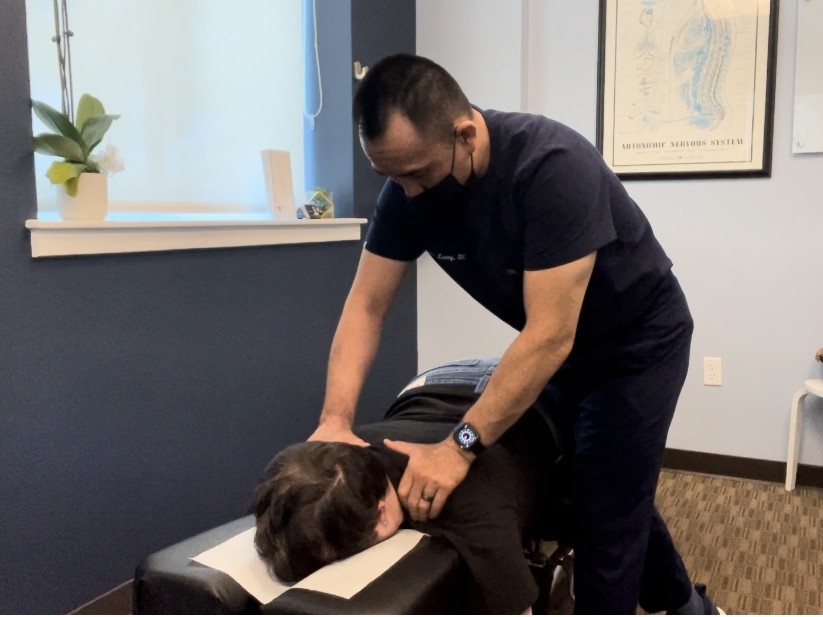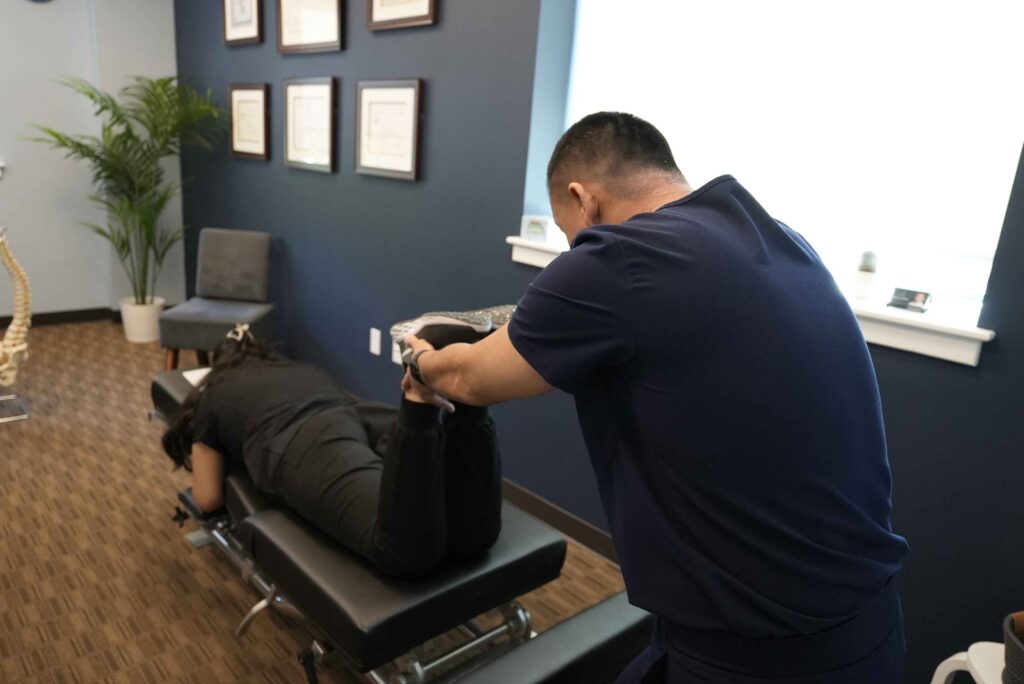
Living with chronic pain can be a daunting experience, and many patients often feel overwhelmed in their search for relief. As a local chiropractor, I want to emphasize that effective pain management extends far beyond just medications; it encompasses a holistic approach that includes chiropractic care, nutrition, exercise, and emotional support.
Chiropractic care focuses on aligning the spine and optimizing the nervous system, which can significantly alleviate pain and improve overall health. Alongside these treatments, incorporating proper nutrition and regular exercise can enhance your body's healing processes. Additionally, emotional support plays a vital role in managing pain, as mental well-being is closely linked to physical health.
By exploring these various avenues, you can begin to reclaim your life and improve your quality of living. What specific strategies can help? Let's dive into some practical options that can transform your approach to pain management and support your journey toward better health.
Understanding Chronic Pain
Chronic pain can be a complex and frustrating experience for many individuals, and I want to take a moment to help you understand it better, especially as it relates to chiropractic care and natural healing.
Unlike acute pain, which serves as a protective signal and typically resolves once the injury has healed, chronic pain can persist long after the initial cause has been addressed. This ongoing discomfort can interfere with your daily activities and take a toll on your mental well-being.
Chronic pain often indicates a malfunction in your body's pain signaling systems. Even after an injury has healed, your brain may continue to send pain signals, leading to prolonged suffering. Several factors contribute to this ongoing pain, including psychological aspects, nerve damage, and changes in how your body processes pain signals.
You may find that your pain levels fluctuate based on your emotional state, stress, and even sleep quality. It's important to recognize that chronic pain isn't only a physical issue; it's closely tied to your mental health, affecting your mood and overall quality of life.
This is why a holistic approach, such as chiropractic care, can be beneficial. By addressing both the physical and emotional aspects of pain, we can work together to improve your overall well-being.
Chronic pain can present itself in various forms, such as widespread discomfort or localized pain in specific areas. Conditions like fibromyalgia also fall under this category. Each type of pain requires personalized management strategies.
As your chiropractor, I can help you explore natural healing methods that focus on restoring balance in your body and relieving pain.
The Role of Nutrition
As a local chiropractor, I want to emphasize the significant role that nutrition plays in managing chronic pain and enhancing your overall health. The foods you choose can either help to reduce inflammation or contribute to it, making informed dietary choices essential for your well-being. By adopting a balanced diet, you can bolster your body's defenses against pain.
Here are some nutritional strategies that I encourage you to consider:
- Incorporate anti-inflammatory foods: Include foods that are rich in omega-3 fatty acids in your meals. Options like salmon, walnuts, and flaxseeds can help to lower inflammation in your body, potentially decreasing pain levels.
- Stay hydrated: Maintaining proper hydration is vital for your health. Drinking enough water not only supports your overall wellness but also helps to keep your joints lubricated, which can alleviate discomfort.
- Avoid processed foods: Be cautious of highly processed foods, as they often contain unhealthy fats, sugars, and additives that can worsen inflammation and pain.
By paying close attention to your diet, you can have a significant impact on your pain management. Strive to consume a variety of fruits and vegetables, lean proteins, whole grains, and healthy fats. These foods are loaded with essential nutrients that support your immune system and help reduce inflammation.
I also recommend keeping a food diary. This practice can aid you in identifying any foods that trigger or aggravate your pain. By tracking what you eat, you'll gain valuable insights into how your diet influences your body, empowering you to make better choices.
Exercise and Physical Therapy
When it comes to managing pain, I want to emphasize the significant benefits of incorporating exercise and physical therapy into your routine. As a chiropractor, I often see how engaging in regular, tailored exercises can strengthen muscles, improve flexibility, and enhance your overall function.
It's important to find activities that you genuinely enjoy; this way, you're more likely to stick with them. Simple actions like walking or swimming can greatly alleviate discomfort while also uplifting your mood.
Physical therapy is another essential component of effective pain management. A licensed physical therapist can create a personalized plan that addresses your unique needs and limitations.
They'll guide you on proper techniques to perform exercises safely, ensuring you avoid aggravating your pain. Through focused interventions, you can learn strategies to manage pain efficiently while building strength and mobility.
Don't hesitate to reach out to me or your healthcare provider for recommendations on exercises that align with your condition. We often suggest low-impact activities that minimize strain on your body.
Remember, consistency is crucial. Aim for shorter sessions several times a week, gradually increasing intensity as your body adapts and gains strength.
Listening to your body is key. If a particular activity leads to increased pain, it's perfectly fine to modify it or take a break. Striking the right balance between activity and rest is vital for staying active without overexerting yourself.
Mindfulness and Meditation
As a local chiropractor, I want to share how mindfulness and meditation can serve as essential tools for managing chronic pain and improving your overall health.
These practices encourage you to become more aware of your body and mind, which can significantly enhance your ability to handle pain. By concentrating on the present moment, you can alleviate stress and anxiety—two factors that often worsen chronic pain conditions.
Here are some key benefits of incorporating mindfulness and meditation into your daily routine:
- Altered Pain Perception: Mindfulness can transform how you experience pain, making it seem less overwhelming and more manageable.
- Emotional Balance: Through meditation, you can nurture a sense of calm that helps you face discomfort with patience and resilience, allowing for better emotional responses to pain.
- Enhanced Concentration: Regular mindfulness practice can sharpen your focus, enabling you to engage in your everyday activities even when faced with discomfort.
To begin your journey, I recommend setting aside a few moments each day for mindfulness or meditation.
Find a quiet spot, sit comfortably, and pay attention to your breath. If thoughts about your pain come up, acknowledge them without judgment, then gently redirect your focus back to your breathing.
You might also consider using guided meditation apps that offer specific sessions aimed at pain management.
With consistent dedication to these practices, you may start to notice a positive change in your relationship with pain.
Mindfulness and meditation can empower you to take charge of your experience, fostering a sense of peace and acceptance.
Alternative Therapies
As a local chiropractor, I'm excited to share how exploring alternative therapies can be a game-changer in managing chronic pain. Many patients are often unaware that there are effective strategies beyond traditional treatments, and I'm here to help you discover them.
Chiropractic care is a cornerstone of alternative therapies that focuses on spinal alignment and overall musculoskeletal health. By addressing misalignments in your spine, we can enhance your body's natural ability to heal itself. Many of my patients experience significant relief from pain and improved mobility, which makes daily activities much more manageable.
In addition to chiropractic adjustments, I often recommend incorporating techniques like acupuncture and herbal medicine into your wellness routine. Acupuncture involves the insertion of fine needles into specific points on your body, aiming to balance energy flow and release endorphins, which can help alleviate pain. Many individuals find that it provides relief from conditions such as arthritis or migraines in conjunction with chiropractic care.
Herbal medicine is another option worth considering. Certain herbs, such as turmeric and ginger, have natural anti-inflammatory properties that can be beneficial in managing pain. I often guide my patients on how to incorporate these herbs into their diets or suggest suitable supplements that complement their treatment plans.
Furthermore, mind-body practices like yoga and tai chi can enhance your healing journey. These techniques focus on flexibility, strength, and relaxation, promoting a deeper awareness of your body while helping to reduce stress and tension.
As you explore these alternative therapies, it's vital to maintain open communication with me about your overall treatment plan. Together, we can integrate these holistic approaches, providing you with a comprehensive strategy for effectively managing your chronic pain.
Let's embark on this journey to wellness together!
Pain Management Techniques
As a local chiropractor, I want to share how effective pain management techniques can significantly enhance your quality of life, especially when facing chronic pain.
Exploring various strategies allows you to discover what resonates with you and helps you regain control over your daily activities. Here are some valuable techniques to consider:
- Mindfulness and meditation: Engaging in mindfulness practices can keep you anchored in the present moment, which helps alleviate stress and anxiety—common factors that can intensify your pain.
- Chiropractic care: A personalized chiropractic treatment plan can address misalignments in your spine and musculoskeletal system, facilitating better movement, reducing tension, and promoting natural healing processes in the body.
- Exercise: Incorporating regular, low-impact exercise, like walking or swimming, can stimulate the release of endorphins—your body's natural pain relievers—and positively enhance your mood.
Integrating these techniques into your daily routine can make a substantial difference.
Start with simple mindfulness exercises to help calm your mind and alleviate tension.
Consider scheduling chiropractic sessions to address any underlying issues and learn exercises that specifically target your painful areas.
Always listen to your body and make sure to progress at a pace that feels comfortable for you.
It's crucial to keep an open line of communication with me about the approaches you're trying.
I can provide insights, monitor your progress, and adjust your pain management plan as needed.
Remember, everyone's body responds differently, so don't hesitate to experiment with various techniques.
Finding the right combination can empower you to take charge of your pain and enhance your overall well-being.
Embrace this journey toward effective pain management and reclaim your life!
Medications and Their Uses
Managing chronic pain often requires a comprehensive approach, and as a chiropractor, I believe in the importance of exploring natural healing methods alongside traditional medications. Many individuals may find themselves curious about the various options available to alleviate discomfort, and I'm here to guide you through them.
For mild to moderate pain, over-the-counter medications like acetaminophen and nonsterooidal anti-inflammatory drugs (NSAIDs) can be a common first step. While these can help reduce inflammation and provide relief, it's essential to understand that they're just one piece of the puzzle.
In cases of more severe or persistent pain, some may turn to stronger prescription medications, such as opioids. While these can be effective for intense pain, they come with significant risks, including dependency and various side effects. It's crucial to discuss any concerns with your healthcare provider and consider alternative methods of pain management.
As a chiropractor, I often recommend exploring holistic approaches, such as physical therapy, spinal adjustments, and lifestyle changes, which may help alleviate pain without the need for medication. Additionally, certain antidepressants and anticonvulsants may be prescribed for conditions like fibromyalgia or neuropathic pain. However, I encourage you to consider natural alternatives that address the root of pain rather than merely masking it.
Topical treatments, such as lidocaine patches or capsaicin cream, can also be beneficial for localized pain. If you prefer to avoid systemic medications, these options can provide targeted relief.
Ultimately, the best approach to managing your pain will depend on your specific condition, pain intensity, and how your body responds to different treatments. I encourage you to work closely with your healthcare provider, including me if you choose, to develop a personalized plan that prioritizes your overall well-being, combining both chiropractic care and natural healing methods for effective pain relief.
Importance of Sleep
As a local chiropractor, I want to emphasize the crucial role that sleep plays in your overall health and its significant impact on managing chronic pain. When you prioritize sleep, your body is better equipped to heal, manage inflammation, and regulate pain signals.
On the other hand, insufficient sleep can worsen your discomfort, creating a challenging cycle that can be difficult to escape. Here are several key reasons why focusing on sleep is vital for anyone dealing with chronic pain:
- Restoration and Repair: While you sleep, your body engages in vital repair processes, mending tissues and restoring energy levels. This restorative phase is essential for helping you cope with pain more effectively.
- Pain Sensitivity: If you're not getting enough sleep, you may find that your sensitivity to pain increases. Even minor aches can feel much more intense when you're sleep-deprived.
- Mood Regulation: Quality sleep is integral to emotional well-being. Stress and anxiety can amplify your perception of pain, making it even more important to get adequate rest.
To enhance your sleep quality, I recommend establishing a calming bedtime routine. This could involve activities such as reading, gentle stretching, or practicing relaxation techniques like deep breathing or meditation.
It's also beneficial to limit screen time before bed and create a comfortable sleep environment that promotes relaxation. Additionally, maintaining a consistent sleep schedule can help signal your body when it's time to wind down and rest.
Incorporating these practices can lead to improved sleep, and in turn, a better ability to manage your chronic pain.
Support Systems and Counseling
As you navigate the challenges of chronic pain, I want to emphasize the importance of a strong support system in your journey toward relief. Surrounding yourself with understanding friends, family, or even local support groups can provide the emotional backing you need to cope with daily struggles. Having these connections creates a safe space for you to share your feelings, experiences, and frustrations, which is vital for your overall well-being.
In addition to your support system, consider the benefits of counseling as part of your healing process. Working with a professional therapist can help you explore the emotional impact of chronic pain and develop effective coping strategies. This is where I believe chiropractic care can complement your therapy. By addressing the physical aspects of pain through natural healing techniques, we can help alleviate some of the stress, anxiety, or depression that often accompanies chronic pain.
I also encourage you to explore joining a support group. Connecting with others who are facing similar challenges can be incredibly validating. You'll find comfort in knowing you're not alone, and sharing your experiences can provide new perspectives and coping techniques. Many patients find that discussing their journeys empowers them further.
Communication with your loved ones is another crucial aspect. By openly expressing your needs and feelings, you can foster a deeper understanding, which in turn strengthens your relationships.
Remember, building a strong support system takes time, but it's a worthwhile investment in your journey toward managing chronic pain.
As a chiropractor, I'm here to help guide you through this process, combining natural healing with emotional support to enhance your overall well-being. Together, we can work towards a healthier and more fulfilling life.
Emerging Treatments and Research
As your local chiropractor, I'm here to help you understand that there are innovative approaches to managing chronic pain that go beyond traditional methods.
Many exciting new treatments are currently being researched and tested in clinical trials, which could offer new hope for those seeking relief.
By staying informed about these emerging therapies, you can take an active role in your health journey and explore natural healing options that may work alongside chiropractic care.
My goal is to empower you with knowledge so that you can find effective relief and improve your quality of life.
Innovative Pain Management Techniques
As a local chiropractor, I understand that chronic pain can be an overwhelming challenge. Many individuals find themselves searching for effective relief, and I want to share some innovative pain management techniques that may provide the support you need.
These approaches focus on understanding the intricacies of pain and offer a variety of natural options for you to consider.
Here are three promising methods that I often recommend to my patients:
- Neuromodulation: This technique involves the use of electrical stimulation to modify pain signals before they reach the brain. Many of my patients have experienced significant relief through this method, which can be a powerful tool in managing pain.
- Mindfulness and Cognitive Behavioral Therapy (CBT): Incorporating mindfulness practices and CBT can help you transform your perception and response to pain. By fostering a more positive mindset, you may find that your ability to cope with discomfort improves, leading to a better quality of life.
- Regenerative Medicine: Treatments such as platelet-rich plasma (PRP) therapy and stem cell injections focus on healing damaged tissues in the body. These therapies can potentially reduce pain and enhance function, providing a natural alternative to more invasive procedures.
As your chiropractor, I'm here to educate you about these options and help you find the best approach for your unique situation.
Together, we can explore these innovative techniques and work towards achieving the relief you deserve.
Promising Clinical Trials
As a local chiropractor, I want to share some exciting advancements in pain management that could greatly benefit those of you dealing with chronic pain. Recent clinical trials are exploring innovative treatments that align with our approach to natural healing and holistic care. These trials focus on therapies that may change how you experience and manage pain, offering alternatives to traditional medications.
One area of interest is the research into new medications that target specific pain pathways. These medications aim to provide more effective relief with fewer side effects, which is a crucial consideration for anyone looking to manage pain without relying heavily on pharmaceuticals.
You may also hear about neuromodulation techniques, such as transcranial magnetic stimulation or spinal cord stimulation. These techniques work by altering pain signals before they reach the brain, and preliminary studies suggest they could lead to lasting relief for many individuals.
Another fascinating development is gene therapy, which is being investigated in some trials. This approach involves delivering genes that can produce natural pain-relieving compounds in your body, potentially revolutionizing the way we understand pain management.
Participating in these clinical trials can provide you with access to cutting-edge treatments while contributing to vital research that could benefit many people in the future. I encourage you to consult with your healthcare provider about the risks and benefits of joining a clinical trial.
Conclusion
As a local chiropractor, I want to share with you some effective strategies that can significantly enhance your experience with chronic pain. By focusing on a balanced diet, engaging in regular physical activity, practicing mindfulness techniques, and seeking support, you're already taking important steps toward finding relief.
Chiropractic care can play a pivotal role in your journey. It emphasizes natural healing methods that can help restore your body's function and alleviate pain. I encourage you to consider exploring alternative therapies, including chiropractic adjustments, which can help improve your mobility and reduce discomfort.
Staying informed about new treatments is also crucial; the world of natural healing is constantly evolving, and you deserve to benefit from the latest advancements. Additionally, prioritizing quality sleep and creating a robust support network are essential components of managing chronic pain.
Remember, you have the tools and resources at your disposal to regain control of your health and enhance your overall well-being. As your chiropractor, I'm here to guide you every step of the way.