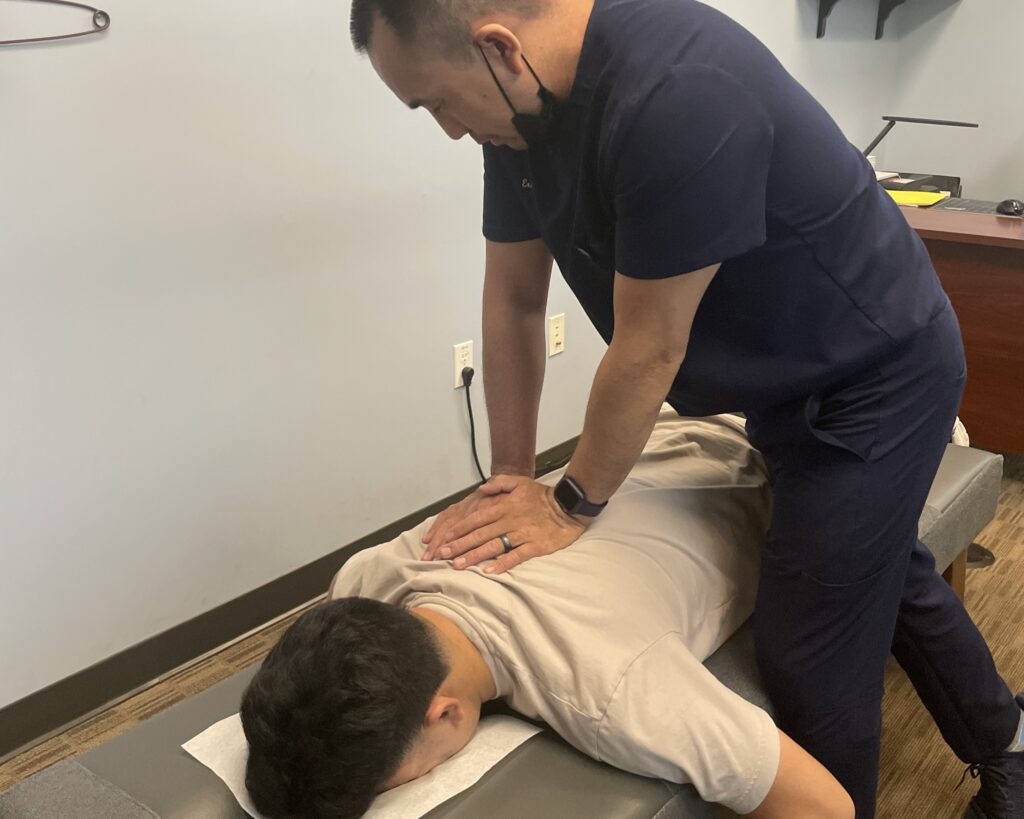
If you’re tired of relying on medications for headache relief, chiropractic care offers effective alternatives that can help you find lasting comfort. By making simple lifestyle changes, incorporating spinal health practices, and utilizing natural therapies, you can significantly reduce the frequency and intensity of your headaches.
Understanding the different types of headaches and their connection to your spine is crucial. Many headaches stem from tension in the neck and upper back, which can be alleviated through chiropractic adjustments. These adjustments not only help relieve pain but also promote overall wellness by improving your body’s alignment and function.
So, what specific strategies can you implement to achieve lasting relief? Here are some tips:
- Stay Hydrated: Dehydration is a common trigger for headaches. Make sure to drink plenty of water throughout the day.
- Posture Awareness: Pay attention to your posture, especially if you spend long hours at a desk. Proper alignment can help prevent tension headaches.
- Regular Chiropractic Visits: Regular adjustments can keep your spine in optimal condition, reducing the likelihood of tension headaches and promoting general well-being.
- Stress Management: Incorporate relaxation techniques such as deep breathing, meditation, or gentle yoga to help manage stress, a common headache trigger.
- Adequate Sleep: Ensure you get quality sleep each night. A well-rested body is less susceptible to headaches.
- Healthy Diet: Focus on a balanced diet rich in whole foods, as certain foods may trigger headaches in some individuals. Keeping a food diary can help identify potential culprits.
By embracing these strategies and prioritizing your spinal health through chiropractic care, you can pave the way for a headache-free life. Let’s work together to uncover the natural healing power of your body and achieve optimal health!
Key Takeaways
- Regular physical activity is not just great for your overall health; it also helps relieve tension and promote proper spinal alignment, which can significantly reduce the frequency of headaches. By keeping your body active, you support your spine and nervous system, enhancing your body’s natural ability to manage discomfort.
- Mindfulness techniques such as deep breathing, meditation, and progressive muscle relaxation are excellent ways to alleviate stress and tension that can lead to headaches. Taking a few moments each day to center yourself can have a profound impact on your wellbeing and help you maintain a healthier mindset.
- Staying hydrated is essential for preventing headaches. Ensure you’re drinking plenty of water throughout the day, along with incorporating hydrating foods into your diet. Proper hydration supports spinal health and overall bodily function.
- Keeping a food diary can be a valuable tool for identifying and avoiding common headache-triggering foods. By becoming more aware of what you eat, you can make better dietary choices that support your health and wellness.
- Chiropractic care is an excellent option for those seeking natural relief from headaches. Regular adjustments can help align your spine, improve nervous system function, and reduce the intensity and frequency of headaches. By choosing chiropractic care, you’re opting for a holistic approach to health that focuses on healing your body naturally.
Embrace these strategies for a healthier, headache-free life, and consider incorporating chiropractic care into your wellness routine for optimal results!
Understanding the Different Types of Headaches
Headaches may seem alike at first glance, but they actually come in different types, each with specific triggers and symptoms that can affect your daily life. Understanding these differences is crucial for finding effective relief—and that’s where chiropractic care can play a vital role.
Take tension headaches, for instance. They often feel like a tight band around your head and are commonly caused by stress, poor posture, or muscle tension in the neck and shoulders. Chiropractic adjustments can help alleviate this tension, improve posture, and support overall spinal health, which may reduce the frequency and intensity of these headaches.
Migraines are another type that can be quite debilitating. Characterized by throbbing pain, sensitivity to light, and nausea, migraines can be triggered by various factors such as certain foods, hormonal changes, or lack of sleep. Regular chiropractic care can help manage stress levels and improve spinal alignment, both of which may contribute to fewer migraine episodes.
Cluster headaches, though less common, can be intensely painful and usually occur in cyclical patterns. They often affect one side of the head. While they may require specialized care, chiropractic adjustments can support overall wellness and may help alleviate some of the associated discomfort.
Sinus headaches can mimic migraines, often presenting with pressure and pain in the forehead or cheeks, typically linked to sinus infections. Chiropractic techniques, such as gentle adjustments, may help improve drainage and reduce sinus pressure, offering some relief.
By recognizing the type of headache you’re experiencing, you can better seek the right approach for relief. Incorporating regular chiropractic care into your wellness routine can be a powerful tool in managing headaches naturally.
Additionally, consider these general tips for headache prevention:
- Stay hydrated—drink plenty of water throughout the day.
- Practice good posture, especially when sitting for long periods.
- Incorporate stress-reducing activities like yoga or meditation.
- Get adequate sleep and maintain a consistent sleep schedule.
- Keep a headache diary to identify potential triggers.
Lifestyle Changes for Headache Prevention
Headaches can often feel unpredictable, but by making specific lifestyle changes, you can significantly reduce their frequency and intensity. As a chiropractor, I believe that maintaining a healthy spine and overall well-being is key to preventing headaches.
Start with a consistent sleep schedule. Prioritizing restful sleep each night keeps your body’s natural rhythm in check and supports spinal health.
Regular physical activity is also crucial; aim for at least 30 minutes of moderate exercise most days. This not only helps relieve tension and stress but also promotes proper alignment and circulation, which can lessen headache occurrences.
Managing stress is another vital component. Techniques such as meditation, deep breathing, and gentle stretching can greatly improve your overall wellness.
Staying hydrated is important too; strive for at least eight glasses of water daily to avoid dehydration, a common headache trigger.
Don’t forget the impact of screen time on your health. Taking regular breaks from screens can help reduce eye strain, while practicing good posture supports your spine and neck.
Being mindful of how you sit and stand can alleviate tension that may lead to headaches.
By incorporating these changes into your daily routine, you foster an environment that minimizes headache triggers and promotes long-term relief.
Dietary Adjustments to Reduce Headaches
Making smart dietary adjustments can significantly help reduce the frequency and intensity of headaches, which is crucial for overall wellness. As a chiropractor, I believe in the power of natural healing and lifestyle changes to achieve optimal health. One of the first steps is to identify and avoid common trigger foods that may contribute to headaches, such as aged cheeses, processed meats, and artificial sweeteners.
Keeping a food diary can be a great way to track what you eat and see if certain foods lead to headaches.
Incorporating magnesium-rich foods into your diet can also provide relief. Foods like spinach, nuts, and whole grains are excellent sources of magnesium, which is essential for keeping your body balanced. Did you know that magnesium deficiency can be linked to headaches? By focusing on these nutritious options, you might find some comfort.
It’s important to maintain regular meal times as well. Skipping meals can cause your blood sugar levels to drop, which may trigger headaches. So, try to eat balanced meals throughout the day to keep your energy steady.
Additionally, consider adding omega-3 fatty acids to your diet. These healthy fats, found in fish like salmon and in flaxseeds or walnuts, can help reduce inflammation in your body, which may alleviate headache symptoms.
Lastly, a balanced diet full of fresh fruits and vegetables ensures that you’re getting the essential nutrients your body needs.
These dietary changes, combined with chiropractic care, can lead to better overall health and fewer headaches. Remember, maintaining a healthy lifestyle is key to natural wellness, and chiropractic adjustments can further support your journey to feeling your best.
The Role of Hydration in Headache Relief
Staying hydrated is crucial for preventing headaches and supporting overall wellness. As a chiropractor, I emphasize the importance of proper hydration not just for headache relief, but for optimal spinal health as well. When you don’t drink enough water, dehydration can lead to discomfort, exacerbating pain and tension in your body, including your spine.
Let’s dive into how maintaining good hydration can be a simple yet powerful method to manage headaches and promote natural healing. Here are some helpful tips:
- Drink Water Regularly: Aim to drink water throughout the day. Keeping a water bottle handy can remind you to hydrate regularly.
- Listen to Your Body: Thirst is a signal that your body needs water. Pay attention to these signals and drink accordingly.
- Incorporate Hydrating Foods: Foods like cucumbers, oranges, and watermelon can contribute to your hydration levels. Adding these to your diet can help you stay hydrated while also providing essential nutrients.
- Limit Caffeine and Alcohol: Both of these can lead to dehydration. If you consume them, make sure to balance it out with extra water.
- Mind Your Posture: Poor posture can lead to tension headaches. Make sure you maintain a good spinal alignment throughout the day, especially if you sit for long periods. Regular chiropractic adjustments can help keep your spine in optimal condition.
Remember, staying hydrated is just one piece of the puzzle. Regular chiropractic care can help with pain relief, improve your overall health, and support your body’s natural healing processes.
Importance of Water Intake
Hydration is crucial for overall health and can play a significant role in preventing and alleviating headaches. When your body is dehydrated, it struggles to function properly, which can lead to tension and discomfort. By maintaining proper hydration, you not only support your general well-being but also reduce the chances of experiencing headaches.
As a chiropractor, I emphasize the importance of a holistic approach to health, and staying well-hydrated is a simple yet powerful step you can take. Aiming for at least eight glasses of water a day is a good guideline, but remember that each person’s needs can differ. If you’re active or live in a warmer climate, you may require more fluids.
Keeping a water bottle nearby and sipping throughout the day can make it easier to meet your hydration goals.
In addition to hydration, incorporating chiropractic care into your wellness routine can further enhance your health. Regular adjustments can help improve your body’s function and alleviate pain, which may also contribute to reducing headache occurrences.
Hydration and Headache Triggers
Staying well-hydrated is a key component of maintaining overall health and can be particularly beneficial in managing headache triggers. As a chiropractor, I want to emphasize the importance of hydration in relation to your spinal health and overall wellness.
When you’re dehydrated, your body can respond with increased headache frequency and intensity, which can affect your daily life and well-being.
To ensure you’re getting enough fluids, aim for at least eight glasses of water a day, but keep in mind that your individual needs may differ based on your daily activities and the climate you live in. If you find yourself feeling thirsty or experiencing a dry mouth, these are signs that your body is asking for more hydration.
In addition to drinking water, consider incorporating hydrating foods into your diet, such as fruits and vegetables. Foods like cucumbers, watermelon, and oranges not only provide hydration but also essential nutrients that can support your overall health, including your spine.
Be mindful of beverages that contain caffeine, as they can lead to dehydration. Instead, focus on water and herbal teas to keep your hydration levels up.
By prioritizing hydration, you’re not only taking a proactive step toward minimizing headache triggers but also supporting your spinal health and enhancing your overall well-being.
Remember, chiropractic care can also play a crucial role in helping you manage pain and improve your health naturally. If you’re experiencing headaches or discomfort, consider visiting a chiropractor who can provide you with personalized care and strategies for optimal wellness.
Stay mindful of your water intake and take care of your body!
Mindfulness and Relaxation Techniques
Headaches can be quite challenging, but incorporating mindfulness and relaxation techniques into your daily routine can help ease discomfort and promote overall wellness.
These practices not only reduce stress and tension but also foster a sense of calm, which is essential for effective headache management. While chiropractic care is an excellent way to address the underlying causes of headaches, combining it with these techniques can enhance your results.
Here are some simple and effective methods you might consider:
- Deep Breathing: Take a moment to focus on your breath. Inhale slowly through your nose, allowing your belly to expand, and then exhale gently through your mouth. This can help reduce anxiety and promote relaxation.
- Progressive Muscle Relaxation: Start from your toes and work your way up to your head. Tense each muscle group for a few seconds, then relax them completely. This technique helps release built-up tension throughout your body.
- Meditation: Spend a few moments each day in a quiet space. Close your eyes, focus on your breath, or repeat a calming word or phrase. This practice helps clear your mind and can be particularly beneficial for relieving headache pain.
- Guided Imagery: Picture a serene scene, like a beach or a forest, in your mind. Visualizing a peaceful environment can help distract you from pain and foster relaxation.
- Gentle Yoga: Incorporate gentle stretches and yoga poses into your routine. These movements can help alleviate tension in the neck and shoulders, areas often associated with headaches.
By integrating these techniques into your life, alongside regular chiropractic care, you can work towards achieving optimal health and well-being.
Always remember, chiropractic care addresses the root causes of headaches, helping you find lasting relief naturally.
Alternative Therapies for Headache Relief
When it comes to finding relief from headaches, many people are turning to natural and holistic approaches, and chiropractic care stands out as a top choice. As a chiropractor, I can tell you that a properly aligned spine is essential for overall health and can significantly reduce headache frequency and intensity. Through gentle spinal adjustments, we can alleviate tension and restore balance to your body, paving the way for greater wellness.
In addition to chiropractic adjustments, there are several complementary therapies that can enhance your headache relief journey. For example, practicing mindfulness and relaxation techniques can help manage stress, which is often a major trigger for headaches. Simple activities like deep breathing, meditation, or even a few minutes of stretching can make a big difference.
For those looking to explore other natural options, herbal remedies such as feverfew and butterbur have been known to help some individuals with migraine symptoms. However, it’s important to consult with a healthcare professional before adding any new supplements to your routine.
Another effective technique is biofeedback, which teaches you how to control certain bodily functions, such as heart rate and muscle tension. This skill can empower you to manage headache triggers more effectively, leading to fewer headaches over time.
Lastly, don’t underestimate the power of aromatherapy. Essential oils like lavender and peppermint can create a calming environment and may provide soothing relief for headache discomfort. Simply diffusing these oils or applying them to your temples can enhance relaxation and ease tension.
Remember, the key to optimal health lies in understanding your body and finding the right balance. By incorporating chiropractic care and these supportive practices into your routine, you can take proactive steps toward a headache-free life.
Focus on maintaining a healthy lifestyle, stay hydrated, and prioritize good posture to keep headaches at bay. Your path to natural wellness starts here!
The Benefits of Regular Exercise
Regular exercise can be a transformative part of your journey toward better health and wellness, especially when it comes to managing headaches. As a chiropractor, I often see how physical activity can play a vital role in reducing the frequency and intensity of headaches, serving as a natural remedy that complements chiropractic care.
Here are some key benefits you might experience from regular exercise:
- Improved Blood Circulation: Engaging in regular workouts enhances blood flow, which means more oxygen is delivered to your brain. This can help alleviate headaches and improve overall brain function.
- Stress Reduction: Exercise is a natural way to boost endorphins, the body’s feel-good hormones. By relieving tension and anxiety, exercise can help prevent headaches that are often triggered by stress.
- Better Sleep Quality: Regular physical activity helps improve your sleep patterns. A good night’s sleep is essential for overall health and can lead to fewer headaches.
- Muscle Tension Relief: Many headaches are caused by tension in the neck and shoulders. Incorporating stretching and movement into your daily routine can help release this built-up tension, providing relief and preventing future headaches.
- Enhanced Mood: A consistent exercise routine can elevate your mood, which not only enhances your quality of life but also reduces the likelihood of stress-induced headaches.
To maximize the benefits of exercise for headache relief, consider these practical tips:
- Start Slow: If you’re new to exercise, start with simple activities like walking or gentle stretching. Gradually increase the intensity as your body becomes accustomed to movement.
- Stay Hydrated: Dehydration can lead to headaches, so make sure to drink plenty of water before, during, and after your workouts.
- Incorporate Chiropractic Care: Regular visits to a chiropractor can help align your spine and ensure that your nervous system is functioning optimally, further enhancing the benefits of your exercise routine.
- Listen to Your Body: Pay attention to how your body responds to different exercises. If something causes discomfort or worsens your headaches, modify the activity or consult with a chiropractor.
Incorporating regular exercise into your daily routine, combined with chiropractic care, can significantly contribute to headache relief and overall well-being.
Embrace a healthier lifestyle, and remember that natural healing is within your reach!
Creating a Headache Management Plan
When it comes to effectively managing headaches, creating a personalized headache management plan can truly make a difference in your well-being. As a chiropractor, I believe understanding your body and its signals is key, and that starts with identifying your headache triggers—these could include stress, certain foods, or even lack of sleep.
Keeping a headache diary can be incredibly helpful; it allows you to track these patterns and recognize what might be contributing to your discomfort.
Incorporating regular chiropractic adjustments can also play a significant role in headache management. Misalignments in the spine can contribute to tension and pain, so a visit to your chiropractor can help restore balance and alleviate headaches naturally.
Establishing a routine that includes relaxation techniques is essential. Practices like deep breathing, gentle yoga, or even meditation can help reduce stress levels, which is often a major trigger for headaches.
Regular physical activity is equally important—something as simple as a daily walk can help relieve tension and improve blood flow.
Staying hydrated and maintaining a balanced diet are vital components of headache prevention. Make sure to drink plenty of water throughout the day and focus on whole foods that nourish your body.
Don’t overlook the importance of a consistent sleep schedule. Quality sleep is crucial for overall health, so aim for regular sleep patterns to improve your rest and recovery.
Lastly, remember to regularly review and adjust your headache management plan. By actively engaging in your health and well-being, you can take control of your headaches and enhance your quality of life.
Chiropractic care can be a powerful ally in this journey, providing natural relief and promoting overall wellness.
Conclusion
Discover Headache Relief Through Chiropractic Care
If you’re seeking headache relief without relying on medications, you’re in the right place. As a local chiropractor, I want to share how simple lifestyle changes and natural therapies, especially chiropractic care, can help you find effective relief.
Prioritizing sleep is crucial for overall well-being, and it can significantly impact headache frequency and intensity. Aim for 7-9 hours of quality sleep each night to allow your body to recover and rejuvenate.
Staying hydrated is another key factor. Dehydration can lead to headaches, so make sure you’re drinking plenty of water throughout the day. A good rule of thumb is to aim for at least 8 glasses, but listen to your body and adjust as needed.
Mindfulness practices, such as meditation or deep-breathing exercises, can also help reduce stress and tension that contribute to headaches. Taking just a few minutes each day to practice mindfulness can make a big difference.
Regular exercise is not only great for your physical health, but it can also alleviate headaches. Engaging in activities like walking, yoga, or swimming can help improve circulation and reduce tension in the body. Plus, it’s a fantastic way to boost your mood!
Chiropractic care stands out as one of the best natural methods for managing headaches. By addressing spinal misalignments and improving overall spinal health, chiropractic adjustments can relieve tension and promote better nervous system function, which is essential for reducing headaches.
Creating a personalized headache management plan that includes these strategies can lead you to a more comfortable and pain-free life. Take charge of your well-being today by exploring how chiropractic care can support your journey toward optimal health. Remember, you don’t have to live with headaches—natural relief is within reach!