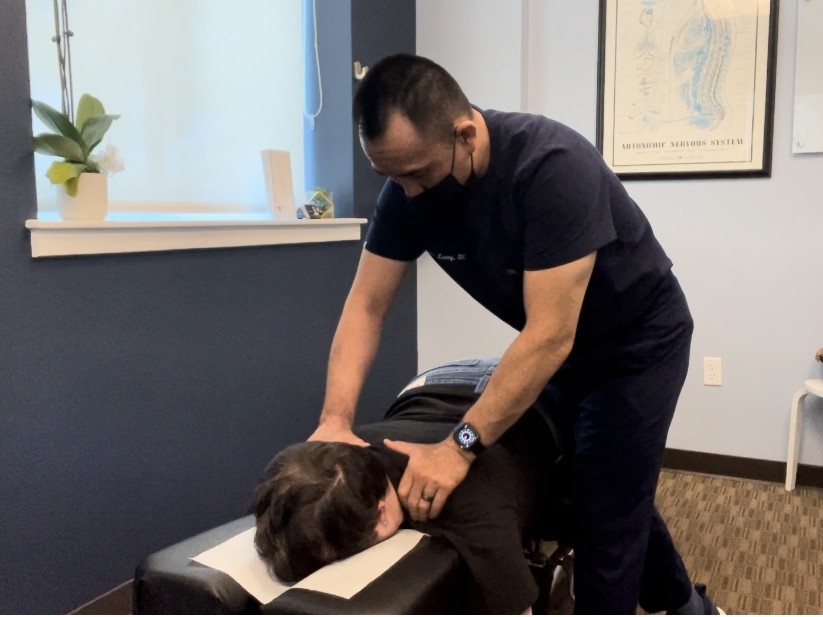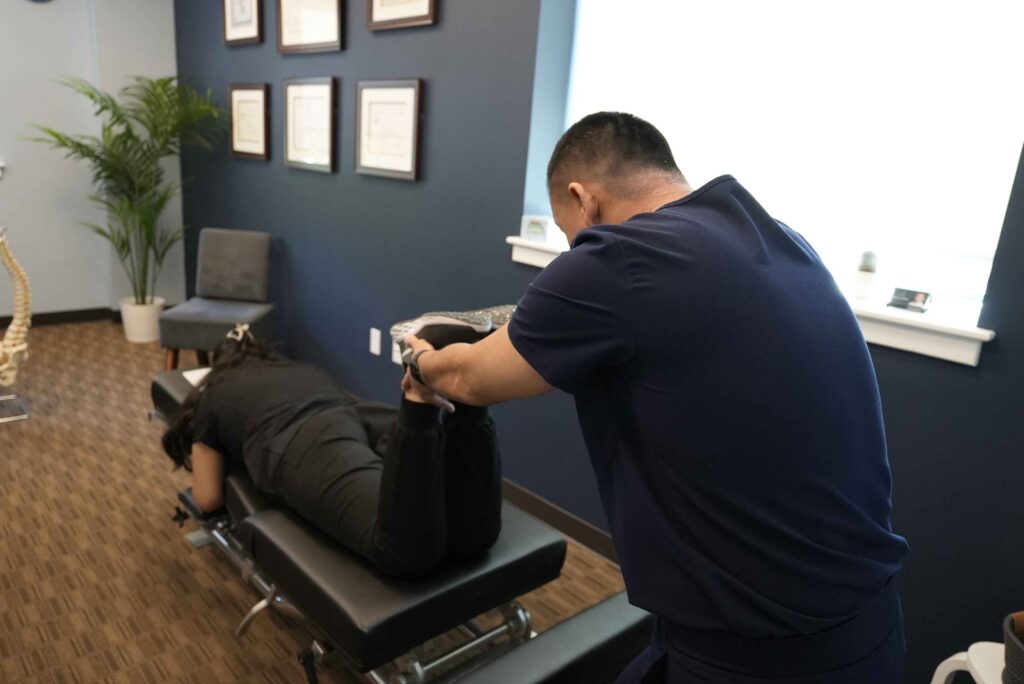
If you’re dealing with neck discomfort, consider how chiropractic adjustments can provide relief. Many individuals overlook the important link between spinal alignment and neck pain. By understanding what causes this discomfort, you can make informed decisions about your health and well-being.
Chiropractic care focuses on restoring proper alignment to the spine, which can greatly alleviate neck pain. It’s essential to recognize that your daily habits and environment play a significant role in your neck health. Simple adjustments in your posture, the way you sit at your desk, or even how you sleep can make a big difference.
Here are some tips to help you manage and alleviate neck discomfort:
- Maintain Good Posture: Keep your shoulders back and your head aligned with your spine, especially when sitting or standing for long periods.
- Take Breaks: If you work at a desk, remember to take regular breaks. Stretch your neck and shoulders every hour to reduce tension.
- Use Ergonomic Furniture: Invest in a chair that supports your lower back and helps maintain proper neck alignment.
- Sleep Smart: Choose a pillow that supports your neck’s natural curve, and try to sleep on your back or side rather than your stomach.
- Stay Active: Engage in regular physical activity to strengthen the muscles around your neck, which can help prevent pain.
By incorporating these strategies and seeking regular chiropractic adjustments, you can take proactive steps towards better neck health and overall wellness. Chiropractic care is a natural, effective way to manage pain and promote healing without the need for medications or invasive procedures. If you’re ready to experience relief, consider visiting your local chiropractor to discuss a personalized plan that works for you!
Understanding the Causes of Neck Discomfort
When considering neck discomfort, it’s important to understand that several factors may be contributing to your pain. One of the most common culprits is poor posture. Many of us spend long hours hunched over our phones or computers, which can lead to muscle tension and discomfort. By being mindful of your posture and making a conscious effort to sit up straight, you can alleviate some of this strain.
Repetitive movements also play a role—whether it’s frequently turning your head or spending too much time looking down, these habits can add to neck strain. To counteract this, try taking regular breaks to stretch your neck and shoulders. Simple movements like tilting your head side to side can help relieve tension throughout the day.
Your sleeping position is another factor to consider. Using the right pillow and ensuring you sleep in a comfortable position can make a significant difference in how you feel. A supportive pillow that keeps your spine aligned can help prevent morning stiffness and discomfort.
Stress is another contributor to neck pain, often manifesting as tightness in the neck and shoulders. Incorporating stress-relief techniques such as deep breathing, yoga, or even a short walk can help reduce muscle tension and improve your overall well-being.
Lastly, age-related changes in your cervical spine can lead to chronic neck issues. Regular chiropractic care can be an effective approach to address these concerns, promoting spinal health and overall wellness. Chiropractors focus on natural healing methods that can help restore balance and function to your spine, reducing pain and enhancing your quality of life.
The Importance of Ergonomic Workspaces
Creating an ergonomic workspace is crucial for preventing neck discomfort, especially if you spend long hours at a desk. As a chiropractor, I understand the importance of maintaining proper posture to reduce strain on your neck and spine. An ergonomic setup encourages a neutral sitting position, which is essential for your overall health.
Make sure your chair provides support for your lower back, and that your feet rest flat on the floor. This helps to maintain alignment in your spine. Positioning your computer screen at eye level is another key factor. If the screen is too low or high, you may find yourself straining your neck, leading to discomfort. Ideally, your screen should be at eye level so you can look straight ahead without tilting your head.
Using a keyboard and mouse that allow your wrists to stay straight is important, too. This can help minimize tension in your upper body and prevent repetitive strain injuries.
Don’t forget the importance of taking breaks! Regularly stretching and changing positions can help alleviate the tension that builds up during long work sessions. Simple neck rolls, shoulder shrugs, and standing up to walk around can work wonders for your comfort.
By prioritizing an ergonomic workspace and incorporating these practices into your daily routine, you’re not just investing in your comfort—you’re also supporting your body in a way that promotes natural healing and overall wellness.
Adjusting Your Desk Setup for Optimal Comfort
Creating an ergonomic workspace is essential for maintaining spinal health and overall comfort while working at your desk. As a chiropractor, I encourage you to fine-tune your desk arrangement to support your body properly and prevent discomfort.
Begin by positioning your monitor at eye level, about an arm’s length away. This keeps your neck in a neutral position, which is vital for spinal health and reduces the risk of strain. If you’re using a laptop, consider investing in a riser to elevate the screen, and pair it with an external keyboard and mouse. This setup promotes better alignment and can help alleviate tension in your neck and shoulders.
Next, adjust your chair height so that your feet rest flat on the floor, with your knees bent at a 90-degree angle. This position supports your lower back and encourages proper posture. Your elbows should sit comfortably at your sides, forming a right angle when you type. This helps to reduce unnecessary stress on your spine and joints.
Don’t overlook the importance of desk organization. Keep frequently used items within easy reach to minimize stretching and awkward movements, which can lead to discomfort over time.
Lastly, remember to take regular breaks to stretch and move around. Simple stretches can help relieve tension in your neck and back, allowing your body to reset and recover.
These small adjustments can significantly enhance your comfort and contribute to better spinal health. By prioritizing these ergonomic principles, you can create a workspace that supports your well-being and reduces the risk of discomfort.
Chiropractic care is an excellent choice for maintaining optimal health and providing natural relief from any pain you may experience. Embrace these tips to enhance your daily work routine and invest in your health!
The Role of Good Posture in Neck Health
Maintaining good posture is crucial for preserving neck health, particularly for those of us who spend long hours at a desk.
It’s important to ensure that your workspace is set up in an ergonomic way to support your posture. Simple adjustments, like using a chair that provides proper support or positioning your computer screen at eye level, can make a significant difference.
In addition to these workspace adjustments, incorporating some easy exercises can help relieve neck tension and promote overall spinal health.
Regular chiropractic care can also be a fantastic way to ensure your spine is aligned, which plays a vital role in your overall well-being. Chiropractors focus on natural healing methods, helping you achieve pain relief and maintain optimal health without the need for medications or surgeries.
Remember, a few simple changes in your daily habits can lead to a healthier neck and spine.
Prioritize your posture, make those ergonomic tweaks, and consider visiting your local chiropractor for expert care tailored to your needs. Your neck will thank you!
Importance of Ergonomic Setup
As a local chiropractor, I want to emphasize the crucial role that an ergonomic setup plays in maintaining not only neck health but overall wellness. Many of us spend extended periods seated at desks or leaning over devices, which can lead to discomfort and pain.
By creating a well-designed workspace, you can significantly reduce strain on your neck and encourage better posture, contributing to your overall spine health. Here are some simple yet effective tips to consider:
- Chair Height: Ensure your chair supports your lower back and allows your feet to rest flat on the floor. This encourages proper alignment and reduces unnecessary pressure on your spine.
- Monitor Position: Position your monitor at eye level. This prevents you from tilting your head, which can lead to neck strain over time. Keeping your screen at a comfortable height encourages a more natural head position.
- Keyboard Placement: Aim to have your keyboard at a height that allows your elbows to rest at a 90-degree angle. This helps to maintain a relaxed posture in your shoulders and arms, which is essential for preventing discomfort.
- Desk Depth: Choose a desk with enough depth to accommodate your arms comfortably. This allows you to avoid hunching over, which can lead to muscle tension and pain.
- Lighting: Ensure you have adequate lighting in your workspace. Poor lighting can lead to eye strain, causing you to lean forward or tilt your head, which isn’t ideal for your neck health.
By following these tips, you can create a more ergonomic workspace that supports your body and promotes better health.
Remember, chiropractic care is a fantastic way to address any existing discomfort and to maintain optimal spinal health. Regular adjustments can help keep your spine aligned, reducing pain and enhancing your well-being.
If you’re experiencing neck pain or discomfort, consider visiting your local chiropractor for personalized care and advice!
Tips for Maintaining Posture
Maintaining proper posture is crucial for preventing neck discomfort, particularly in our modern, sedentary lifestyles. As a chiropractor, I encourage you to be mindful of how you sit throughout the day. Ensure your back is straight, and your shoulders are relaxed.
When working on a computer, position your screen at eye level to avoid the temptation to lean forward, which can strain your neck. If you’re using your phone, consider using a headset rather than cradling the phone between your ear and shoulder to prevent unnecessary tension.
It’s also essential to take regular breaks to stretch and relieve tension in your muscles—this can greatly enhance your comfort and well-being. When standing, make sure to distribute your weight evenly on both feet and keep your head aligned over your spine.
This alignment is vital for maintaining a healthy spine and preventing discomfort. Additionally, investing in supportive chairs and pillows can significantly encourage good posture, leading to better spinal health.
Exercises for Neck Relief
While maintaining proper posture is crucial for preventing neck discomfort, incorporating specific exercises into your daily routine can significantly enhance neck relief and support your overall health.
These movements not only help strengthen the neck muscles but also improve flexibility, reducing tension and pain. As a chiropractor, I emphasize the importance of natural healing and how these exercises can complement your chiropractic care for optimal wellness.
Here are some simple exercises you can try at home to support your neck health:
- Neck Stretches: Gently tilt your head to each side, holding the stretch for a few seconds. This helps to loosen tight muscles and improve flexibility.
- Shoulder Rolls: Lift your shoulders toward your ears, then roll them back and down. This movement can relieve tension in both the neck and shoulders.
- Chin Tucks: Pull your chin in toward your neck, as if trying to make a double chin. This exercise strengthens the neck muscles and promotes better posture.
- Wall Angels: Stand against a wall and slide your arms up and down. This exercise promotes mobility and encourages proper alignment of your spine and shoulders.
- Resistance Band Exercises: If you have a resistance band, use it to add gentle resistance while performing neck movements. This can help strengthen the muscles around your neck, providing additional support.
Incorporating these exercises into your daily routine can enhance the benefits of chiropractic care, helping you achieve long-lasting relief from neck pain.
Remember, consistent practice is key, and always listen to your body—if something doesn’t feel right, it’s important to consult with your chiropractor.
Simple Stretches to Relieve Neck Tension
When you experience neck tension, simple stretches can be a great way to find relief and restore mobility, complementing the benefits of chiropractic care. One effective stretch is the neck tilt. Whether sitting or standing comfortably, gently tilt your head to one side, bringing your ear toward your shoulder. Hold this position for 15-30 seconds, then switch sides. This stretch can help alleviate tightness and improve blood flow.
Another beneficial stretch is the neck rotation. Simply look over one shoulder, hold for a few seconds, and then rotate to the other side. Repeat this a few times to enhance flexibility in your neck and reduce stiffness.
Don’t forget about the chin tuck! Sit up straight and gently tuck your chin toward your chest, feeling a gentle stretch along the back of your neck. Hold for 15 seconds and then release. This exercise can help strengthen the muscles that support your spine, contributing to better posture and overall neck health.
Finally, incorporate shoulder rolls into your routine. Rolling your shoulders forward and backward can help release built-up tension in your upper body. Consistently practicing these stretches can’t only keep your neck feeling flexible but also support your overall wellness journey.
Remember, chiropractic care is an excellent choice for addressing neck tension and promoting a healthy spine. Regular adjustments can enhance mobility, reduce pain, and improve your quality of life.
Make these stretches a part of your daily routine, and consider visiting your chiropractor for personalized care tailored to your needs. Your path to optimal health starts with taking care of your body!
Strengthening Exercises for Neck Support
Having a strong neck is crucial for your overall health and well-being, as it plays a vital role in supporting your spine and preventing discomfort. As a chiropractor, I want to share some effective techniques to help you strengthen your neck muscles naturally. Building this strength can lead to significant improvements in how you feel every day.
First and foremost, practicing good posture is key. Make a conscious effort to sit and stand tall, with your ears aligned over your shoulders. This simple adjustment can help reduce strain on your neck muscles and promote better alignment of your spine.
Incorporating gentle neck exercises into your daily routine can also be beneficial. Try simple movements like neck tilts and rotations. For example, slowly tilt your head to one side and hold for a few seconds, then switch to the other side. This not only helps in strengthening but also increases flexibility, aiding in the prevention of stiffness.
Additionally, consider integrating some strength-building exercises, such as shoulder shrugs and chin tucks. For shoulder shrugs, simply lift your shoulders towards your ears, hold for a moment, and then relax. For chin tucks, gently pull your chin back towards your neck without tilting your head up or down. Both of these exercises can help build the muscles that support your neck.
Remember, regular chiropractic care is also an excellent way to maintain neck health. A chiropractor can provide personalized guidance, ensuring that your spine is properly aligned and your neck muscles are functioning optimally. This holistic approach not only alleviates pain but also promotes overall wellness.
Importance of Neck Strength
Neck strength is vital for maintaining overall spinal health, as it provides support for the weight of your head and helps you maintain good posture. When your neck muscles are weak, you may experience discomfort, tension, and even headaches. By strengthening your neck, you can enhance stability and significantly lower your risk of injury.
As a chiropractor, I want to emphasize the importance of neck strength and how it contributes to your overall well-being. Here are some key benefits of having a strong neck:
- Efficiently supports the weight of your head, relieving pressure on the spine
- Enhances your posture, which can improve your overall alignment
- Reduces tension in your neck and shoulders, leading to less discomfort
- Helps prevent injuries during physical activities, allowing you to stay active
- Improves balance and coordination, which can enhance your daily movements
To help you strengthen your neck, consider incorporating some simple exercises into your routine. Gentle neck stretches can improve flexibility, while isometric exercises can build strength without risking injury.
Remember, regular chiropractic care can also play a crucial role in maintaining neck health.
If you’re experiencing neck pain or discomfort, I encourage you to explore the benefits of chiropractic adjustments. These natural treatments can help realign your spine, alleviate tension, and support your body’s healing process.
Together, we can work towards achieving optimal health and wellness for you.
Effective Strengthening Techniques
Three effective strengthening techniques can help you build neck support and reduce discomfort, all while promoting your overall wellness. As a chiropractor, I believe that incorporating these exercises into your routine can significantly enhance your spinal health and comfort.
First, consider trying neck isometrics. This exercise involves pressing your forehead into your palms while resisting with your hands. Hold this position for five seconds and repeat for three sets. This simple movement not only strengthens your neck muscles but also supports healthy spinal alignment.
Next, perform chin tucks. Gently pull your chin back toward your neck, holding for five seconds. Aim to repeat this ten times. Chin tucks are excellent for improving posture, which is essential for maintaining a healthy spine and reducing discomfort.
Lastly, don’t forget about shoulder shrugs. Lift your shoulders towards your ears, hold for a moment, and then release. Aim for three sets of ten repetitions. This exercise helps to loosen tension in the upper back and shoulders, contributing to better spinal health.
Incorporating these techniques into your daily routine can’t only strengthen your neck but also improve your overall stability, making daily activities more comfortable and reducing the risk of injury.
Remember, chiropractic care is a fantastic approach to achieving optimal health and wellness, providing natural relief without the need for medications or surgeries. Always consult your chiropractor before starting any new exercise routine to ensure it’s right for you.
Take care of your spine, and it will take care of you!
Managing Stress to Reduce Neck Pain
Managing Stress to Reduce Neck Pain
As a chiropractor, I understand how stress can significantly contribute to neck pain. Finding effective ways to manage stress is essential for achieving relief and promoting overall wellness. By incorporating simple, stress-reducing techniques into your daily routine, you can alleviate the tension that often leads to discomfort. Here are some strategies that may help you find relief:
- Practice Deep Breathing: Set aside a few minutes each day to focus on your breathing. Deep, slow breaths can help calm both your mind and body, making it easier to release built-up tension.
- Engage in Mindfulness or Meditation: Taking time to focus on the present moment can be beneficial for reducing anxiety and stress levels. This can be as simple as sitting quietly and being aware of your thoughts and feelings.
- Exercise Regularly: Physical activity isn’t only good for your body but also for your mind. It releases endorphins, which are natural mood lifters, and helps to relieve tension in your muscles, including those in your neck.
- Prioritize Sleep: Quality rest is vital for your body to recover and rejuvenate. Ensure you create a restful environment and establish a sleep routine that works for you.
- Connect with Loved Ones: Sharing your feelings and experiences with friends and family can provide essential social support, which has been shown to lower stress levels.
In addition to these strategies, chiropractic care can be an excellent choice for addressing neck pain and promoting natural healing. Regular chiropractic adjustments can help align your spine, reduce tension in your muscles, and improve overall function.
By choosing chiropractic care, you’re opting for a holistic approach that supports your body’s natural ability to heal and maintain optimal health.
The Benefits of Regular Breaks and Movement
Taking regular breaks and incorporating movement into your daily routine is essential for maintaining a healthy spine and reducing tension in your neck. When we sit for extended periods, our muscles can tighten, leading to discomfort and pain. It’s important to step away from your desk every hour to allow your body to reset and relieve any built-up pressure. Simple stretches or a quick walk can work wonders for your neck and overall spinal health.
Engaging in movement is vital because it increases blood flow, nourishing your muscles and joints, which promotes healing and flexibility. Even minor adjustments, like rolling your shoulders or gently tilting your head side to side, can significantly alleviate tightness. These movements not only feel good but also support the alignment of your spine, which is where chiropractic care truly shines.
Paying attention to your posture during these breaks is crucial. Good posture supports neck health and helps prevent strain. Whether you’re at work or home, make it a habit to pause, move, and stretch. Incorporating these practices into your daily life can enhance your well-being and help prevent chronic pain.
If you find that tension persists despite these efforts, consider visiting a chiropractor. Chiropractic care focuses on restoring proper alignment and function to your spine, which can provide lasting relief from neck discomfort. By investing in your spinal health, you’re choosing a natural, holistic approach to wellness. Your neck—and your entire body—will thank you for it!
Utilizing Supportive Pillows and Sleep Positions
When it comes to easing neck discomfort, the right pillow and sleep position can truly transform your experience. As a local chiropractor, I want to emphasize how important it’s to choose pillows that offer the right support and help maintain your spine’s natural alignment. A good pillow should cradle your neck, keeping it in a neutral position to avoid strain.
In addition to selecting the right pillow, adjusting your sleep position can significantly reduce neck strain and improve your overall comfort. For instance, if you sleep on your back, consider using a thinner pillow to prevent your head from being pushed too far forward. If you’re a side sleeper, a firmer pillow can help fill the space between your neck and the mattress, promoting proper alignment.
It’s essential to listen to your body and make adjustments as needed. Remember, chiropractic care can play a vital role in helping you achieve optimal health and wellness. Regular adjustments can help maintain your spine’s alignment, alleviate discomfort, and enhance your overall quality of life.
Ideal Pillow Types
How can the right pillow make a difference in your neck comfort? A supportive pillow is essential for aligning your head and neck during sleep, which can significantly reduce strain and discomfort.
Choosing the ideal type can enhance your overall comfort and contribute to better rest, which is vital for your spinal health and well-being. Here are some pillow types to consider that may help support your neck:
- Memory Foam: This type molds to your shape, providing customized support that helps keep your spine aligned.
- Latex: Known for its firm support, latex pillows retain their shape well, ensuring consistent neck support throughout the night.
- Contour Pillows: These are specifically designed with curves to cradle your neck properly, promoting optimal spinal alignment.
- Water Pillows: These pillows allow you to adjust the firmness by adding or removing water, offering personalized support that can help alleviate neck tension.
- Buckwheat Pillows: Filled with hulls, these pillows conform to your neck’s curve and provide excellent breathability, which can enhance comfort as you sleep.
Selecting the right pillow is crucial for alleviating neck discomfort and improving your sleep quality.
Remember, a well-aligned spine during rest can lead to a healthier you. If you’re experiencing persistent neck pain, consider consulting with a chiropractor.
They can provide guidance on proper pillow choices and other strategies for promoting natural healing and optimal health. Prioritizing your neck support can help pave the way for a better night’s sleep and a pain-free day ahead.
Optimal Sleep Positions
While the right pillow is crucial, your sleep position significantly impacts your neck comfort and overall spinal health. If you’re a back sleeper, consider using a supportive pillow that gently cradles your neck, helping to maintain its natural curve.
For those who prefer sleeping on their sides, opting for a thicker pillow can effectively fill the gap between your shoulder and head, ensuring your spine remains aligned throughout the night. It’s best to avoid sleeping on your stomach, as this position can twist your neck and lead to unnecessary strain. Instead, aim for a head position that keeps your neck neutral.
To enhance your comfort and support, think about incorporating a body pillow. This can provide additional stability and help reduce any pressure points. By making these simple adjustments to both your pillow and sleep position, you can improve your neck comfort and alleviate discomfort over time.
Remember, these small changes can greatly enhance your sleep quality, leading to a healthier, more vibrant life.
As your local chiropractor, I encourage you to pay attention to your sleep habits. A good night’s sleep is a vital component of overall wellness.
If you find that neck pain persists, consider seeking chiropractic care, which can help address underlying issues and promote natural healing. Prioritizing your spinal health is a key step toward achieving optimal well-being.
When to Seek Professional Help for Neck Issues
Recognizing the right moment to seek professional help for neck issues is crucial for your recovery and overall well-being. As a chiropractor, I want to emphasize that chiropractic care offers a natural and effective way to address neck pain and promote healing.
If you’re experiencing any of the following signs, it’s important to reach out for help:
- Persistent Pain: If your neck pain lasts longer than a week, it’s time to consult a chiropractor who can provide targeted treatment.
- Worsening Symptoms: If your pain continues to escalate despite trying home remedies like ice or gentle stretching, don’t hesitate to seek professional care.
- Numbness or Tingling: Feeling numbness or tingling in your arms or hands may indicate nerve irritation, which is something a chiropractor can help with through spinal adjustments.
- Limited Movement: Difficulty moving your neck or turning your head can be a sign that your spine needs attention. Chiropractic adjustments can help restore mobility and reduce pain.
- Post-Injury Pain: Experiencing neck pain after an injury or accident shouldn’t be ignored. Chiropractic care can assist in your recovery by addressing misalignments caused by trauma.
By addressing these symptoms early, you can prevent further complications and promote more effective healing.
Remember, your health is your priority, and it’s better to seek advice when you’re unsure about your neck discomfort.
In addition to seeking chiropractic care, here are some general tips for maintaining neck health:
- Practice Good Posture: Be mindful of your posture, especially when sitting at a desk or using your phone. Keep your head aligned with your spine to reduce strain on your neck.
- Take Breaks: If you’re working for long periods, take regular breaks to stretch and move around. This can help alleviate tension in your neck.
- Stay Hydrated: Drinking plenty of water supports overall health and helps keep the discs in your spine hydrated.
- Exercise Regularly: Incorporate neck exercises and stretches into your routine to strengthen the muscles that support your neck.
Chiropractic care is a natural and effective choice for pain relief and achieving optimal health. Don’t ignore the signs your body is giving you—take charge of your health today!
Conclusion
Incorporating proper spinal adjustments, along with ergonomic setups and healthy lifestyle habits, can significantly improve your neck discomfort. Understanding your posture is crucial; maintaining a neutral spine helps to reduce strain on your neck. Make it a point to take regular breaks throughout your day, especially if you find yourself sitting for long periods. Simple stretches can also work wonders in alleviating tension and enhancing your overall well-being.
Don’t overlook the role of supportive pillows when it comes to restful sleep. A good pillow can help keep your neck in alignment while you rest, which is essential for recovery and comfort. If your neck pain continues, I encourage you to seek chiropractic care. Chiropractors specialize in addressing the root causes of discomfort, offering natural healing solutions without the need for medications or surgeries.
By implementing these strategies and considering chiropractic care, you can enjoy a more comfortable and productive life, free from nagging neck issues. Remember, your spinal health is key to overall wellness!