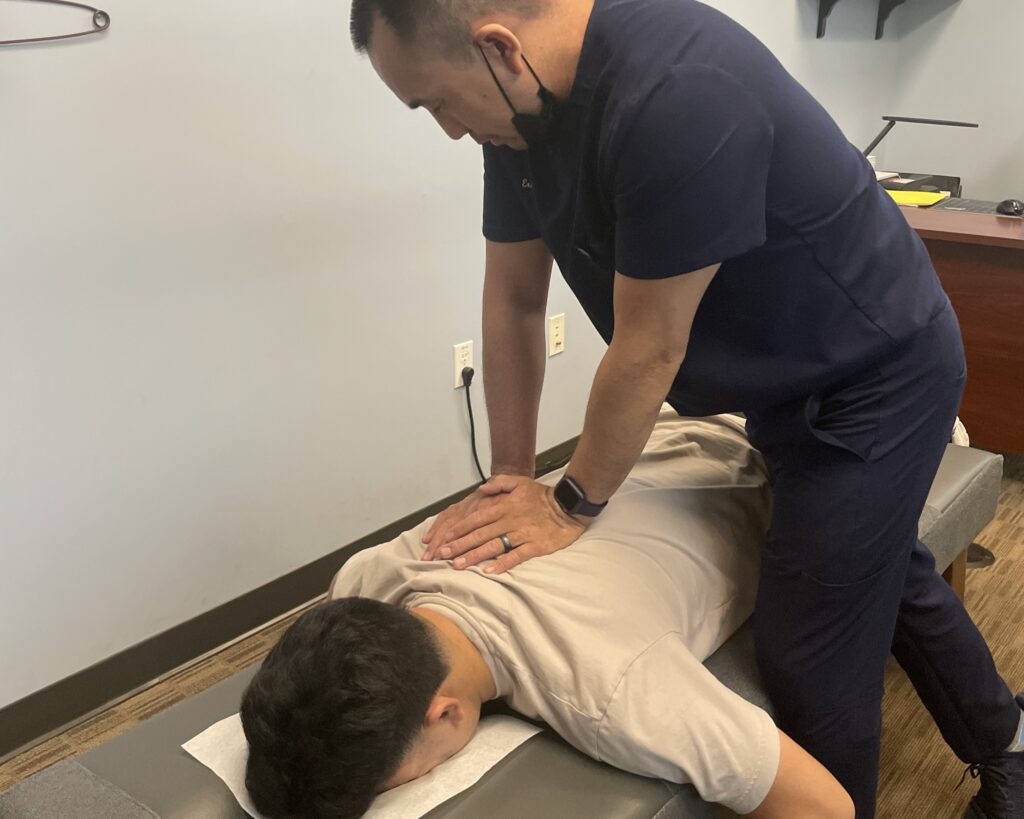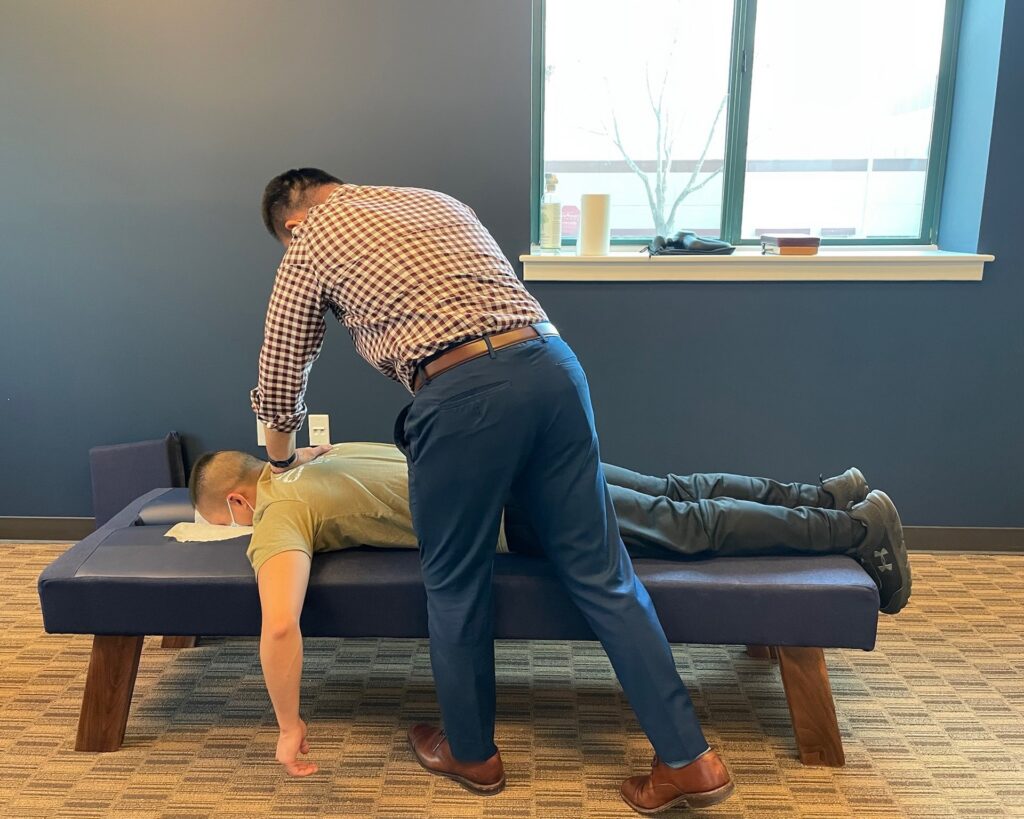
As a local chiropractor, I understand that chronic back pain can be a frustrating and debilitating experience for many individuals. If you’re struggling with discomfort, you may be wondering about the underlying causes and how to find effective relief.
Chiropractic care focuses on identifying and addressing the root causes of your pain, rather than simply masking the symptoms. By exploring various solutions, including personalized exercise regimens and nutritional advice, we can work together to uncover effective ways to manage your condition.
It’s crucial to understand that factors such as poor posture, muscle imbalances, and spinal misalignments can contribute to chronic back pain. By addressing these issues through natural healing techniques, we can help guide you toward a more comfortable and pain-free life. Let’s take this journey together to find the relief you deserve!
Understanding the Anatomy of Back Pain
As a local chiropractor, I often see patients who view back pain as an unwelcome companion in their daily lives. However, understanding the anatomy behind this discomfort is key to addressing it effectively. The structure of your spine is crucial to your overall well-being. It comprises vertebrae, discs, muscles, and nerves that work together to support your body and facilitate movement. When any of these components are misaligned or strained, it can lead to pain.
Your spine is divided into three main sections: the cervical (neck), thoracic (mid-back), and lumbar (lower back) regions. Each section has its own functions, and problems in one area can impact others. For example, tight muscles or herniated discs can compress nerves, resulting in sharp or radiating pain that may feel overwhelming.
Additionally, the muscles and ligaments surrounding your spine offer stability. If these structures are weak or overworked, they may contribute to your discomfort. By understanding how these elements interact, you can begin to identify the source of your pain. This insight is essential for exploring effective, natural solutions that address the root cause rather than merely masking the symptoms.
As a chiropractor, my goal is to help you understand your body better and guide you toward a path of healing that prioritizes your body’s natural ability to restore itself. Together, we can work on strengthening your spine’s support system and promoting overall health.
Common Causes of Chronic Back Pain
As a local chiropractor, I want to help you understand that chronic back pain often arises from a few common issues that you may not even realize are affecting you.
Conditions such as muscle strains and sprains, herniated discs, and arthritis can significantly contribute to your discomfort.
By gaining insight into these causes, you can take the first steps toward finding relief through chiropractic care and natural healing methods.
Our goal is to empower you with knowledge and effective treatment options tailored to your needs.
Muscle Strain and Sprain
As a local chiropractor, I want to help you understand how easily you can strain or sprain the muscles in your back, especially when lifting heavy objects or twisting your body in an awkward way. These injuries can lead to discomfort that may linger longer than you’d like.
Muscle strains happen when the fibers in your muscles become overstretched or torn, while sprains affect the ligaments that connect your bones. Everyday activities, such as bending down to pick something up or making sudden movements during sports, can trigger these types of injuries. You might notice symptoms like pain, stiffness, and limited mobility.
To help prevent muscle strains and sprains, it’s crucial to practice proper lifting techniques, maintain good posture, and always warm up before engaging in physical activities.
If you find yourself experiencing persistent pain, I encourage you to consult with a healthcare professional, like myself, who can provide guidance on effective treatment and rehabilitation strategies.
Taking care of your back is essential, and by prioritizing your spinal health now, you can avoid future issues and maintain an active lifestyle.
Herniated Discs
As a local chiropractor, I understand that many people may associate back pain with common issues like muscle strains and sprains. However, it’s important to recognize that herniated discs can also be a significant source of discomfort that can persist over time. A herniated disc occurs when the soft center of a spinal disc pushes through a crack in its tougher outer layer. This can irritate nearby nerves, leading to sharp pain, tingling sensations, or even weakness in certain areas.
While age-related wear and tear is a common factor, activities such as heavy lifting or sudden awkward movements can also trigger this condition. If you’re experiencing any of these symptoms, I encourage you to consult with me or another healthcare professional who understands the benefits of chiropractic care.
Chiropractic treatment focuses on restoring proper alignment and function to your spine, which can help alleviate the pressure on nerves and promote healing. We may recommend a combination of spinal adjustments, physical therapy exercises, and lifestyle modifications to support your recovery.
In some cases, medication or surgery may be necessary, but many patients find relief through natural, non-invasive chiropractic care.
Taking proactive steps now to address your back pain can help you regain control over your health and enhance your overall quality of life. Remember, you don’t have to suffer in silence—let’s work together on a personalized plan to improve your well-being!
Arthritis and Inflammation
As a local chiropractor, I want to shed light on something that many people mightn’t realize: arthritis and inflammation can significantly contribute to chronic back pain.
It’s not uncommon for patients to overlook these conditions, but they can be major players in your discomfort. If you’re dealing with persistent pain, it’s worth considering arthritis, especially osteoarthritis, which can cause joint wear and stiffness over time.
Inflammation, whether stemming from rheumatoid arthritis or other issues, can heighten sensitivity in your back, making everyday movements more challenging. You may find that certain activities trigger painful flare-ups, which can disrupt your daily routine.
At our chiropractic clinic, we believe in a holistic approach to treatment. While physical therapy can help strengthen the muscles around your spine, we also focus on natural healing methods.
Chiropractic adjustments can improve joint function and reduce inflammation, which may alleviate your pain. Additionally, we can recommend lifestyle changes and exercises tailored to your specific needs.
Understanding the relationship between arthritis, inflammation, and your back pain is crucial. By addressing these underlying issues with natural and non-invasive methods, we can develop effective management strategies that enhance your quality of life.
If you’re ready to explore how chiropractic care can help, we’re here to guide you on your journey to better health.
The Importance of Posture in Pain Management
As a local chiropractor, I want to emphasize how crucial your posture is in managing chronic back pain.
Many patients are unaware that the way they sit and stand can significantly impact their discomfort levels. By adopting proper sitting techniques and maintaining correct alignment while standing, you can alleviate strain on your back and reduce pain.
Let’s take a closer look at how making simple adjustments to your posture can lead to a substantial improvement in your daily life and overall well-being.
Correct Sitting Techniques
As a local chiropractor, I want to share some essential sitting techniques that can greatly help in managing chronic back pain. It’s important to be mindful of your posture while seated.
Start by ensuring your feet are flat on the floor and your knees are positioned at a right angle. A chair that provides adequate support for your lower back is crucial; if your chair lacks this support, consider using a cushion for added comfort.
Make sure to keep your back straight and your shoulders relaxed while sitting. This alignment not only helps reduce strain but also promotes overall spinal health.
It’s also vital to position your computer screen at eye level to prevent unnecessary neck strain.
If you find yourself sitting for extended periods, don’t forget to take regular breaks. Stand up, stretch, and move around a bit; this simple practice can relieve tension and improve circulation.
Lastly, avoid crossing your legs, as this can lead to misalignment of your spine.
By adopting these proper sitting techniques, you can significantly reduce discomfort and enhance your spinal well-being throughout your daily activities.
Standing Alignment Tips
As a chiropractor, I often emphasize the importance of standing posture for our overall health, particularly when it comes to managing back pain. Many people may not realize how much proper alignment can influence their comfort levels.
To start, I recommend standing with your feet shoulder-width apart and distributing your weight evenly across both legs. It’s crucial to keep your ears aligned over your shoulders and to avoid slouching or leaning forward, as these habits can contribute to discomfort.
Engaging your core muscles is another key aspect; they play a vital role in supporting your lower back. If you find yourself standing for extended periods, try shifting your weight from one foot to the other periodically to relieve pressure.
Additionally, wearing supportive footwear can make a significant difference in maintaining good posture. If you struggle with keeping proper alignment, consider using a small footrest to alternate the weight you’re placing on each leg.
Exercise and Physical Therapy Solutions
As a local chiropractor, I understand that chronic back pain can be incredibly daunting. However, I want to emphasize that incorporating exercise and physical therapy into your routine can significantly enhance your well-being.
Gentle stretching and strengthening exercises are essential for stabilizing your spine and alleviating discomfort. I encourage you to focus on low-impact activities such as walking, swimming, or yoga. These activities can improve flexibility and strengthen your core muscles without putting added strain on your back.
Working with a chiropractor like myself can provide you with personalized guidance tailored to your unique needs. I can teach you the proper techniques to avoid injury and recommend specific exercises that target your pain points effectively.
Additionally, chiropractic care may include natural modalities such as heat therapy or electrical stimulation to help relieve pain.
Consistency is crucial in this journey—aim for regular sessions and strive to incorporate exercise into your daily routine. Over time, you’ll likely notice improvements in your mobility and a reduction in pain.
The Role of Nutrition in Back Health
As a local chiropractor, I want to emphasize the important role nutrition plays in maintaining your back health. A well-balanced diet can significantly support tissue repair and help reduce inflammation, which is often a key contributor to back pain.
Incorporating a variety of fruits, vegetables, whole grains, and lean proteins into your meals provides your body with the essential nutrients it needs for healing. Omega-3 fatty acids, commonly found in fish, flaxseeds, and walnuts, are particularly beneficial as they help combat inflammation.
It’s also crucial to maintain a healthy weight. Carrying excess weight can place additional strain on your spine, leading to discomfort and pain. Ensure you’re getting enough calcium and vitamin D, which you can find in dairy products or leafy greens. These nutrients are vital for strengthening your bones and reducing the risk of injury.
Don’t underestimate the power of hydration. Staying well-hydrated is essential for keeping your spinal discs healthy and functioning properly.
Additionally, I recommend limiting processed foods and sugars, as these can contribute to inflammation and exacerbate pain.
By making these dietary adjustments, you can take proactive steps toward better back health and may even find relief from chronic pain.
Stress Management Techniques for Pain Relief
As a local chiropractor, I want to share how effectively managing stress can significantly alleviate chronic back pain. Many people don’t realize that when we experience stress, our bodies tend to tense up, which can worsen pain in the back and other areas.
One of the first steps in managing this stress is to incorporate mindfulness practices into your daily routine. Techniques like meditation or deep breathing exercises, even if practiced for just a few minutes, can help calm your mind and relieve muscle tension.
In addition, regular exercise is a fantastic way to reduce stress and promote healing. Engaging in gentle activities such as yoga or walking not only uplifts your mood but also enhances flexibility and strengthens the muscles that support your back.
I also emphasize the importance of prioritizing sleep; establishing a consistent sleep routine is crucial for your body’s recovery and overall well-being.
Lastly, I encourage you to communicate about your feelings and concerns. Talking to someone about what you’re going through can significantly lighten your emotional burden.
Alternative Therapies for Chronic Back Pain
As a local chiropractor, I want to share how alternative therapies can significantly alleviate chronic back pain, especially when traditional methods may not provide the relief you need. One option worth considering is acupuncture, where skilled practitioners insert thin needles into specific points on your body to help reduce pain.
In my practice, I often see patients benefit from chiropractic care, which focuses on spinal alignment and can lead to substantial relief from discomfort. By adjusting misalignments in the spine, we can restore proper function and alleviate pressure on nerves.
Incorporating practices like yoga and Pilates can also be beneficial for your back. These exercises enhance flexibility and strengthen your core, which is essential for supporting your spine and preventing further pain.
Massage therapy is another fantastic option; it not only relaxes tight muscles but also improves circulation, promoting healing.
Additionally, you might explore herbal remedies such as turmeric or ginger, both known for their anti-inflammatory properties. Essential oils, like peppermint or eucalyptus, can provide soothing effects when used during a massage or added to a warm bath.
I encourage you to consider these natural healing methods as part of your journey toward managing chronic back pain effectively.
When to Seek Professional Help
As a local chiropractor dedicated to helping our community, I want to take a moment to educate you on when it may be time to seek professional help for chronic back pain.
If you’re dealing with persistent pain that lingers for more than a few weeks, it’s crucial not to overlook this warning sign. Your body is communicating with you, and reaching out for assistance can be an important step toward relief.
If your pain is intensifying over time or is interfering with your daily activities, I encourage you to connect with a healthcare provider, such as a chiropractor, who specializes in natural healing methods. We’re here to help you address the root causes of your pain.
Additionally, if you’re experiencing symptoms like numbness, weakness, or tingling in your legs, it may indicate that nerves are involved and need attention.
I often see patients who’ve relied on over-the-counter pain relievers for too long without finding lasting relief. If you find yourself in this situation, it’s definitely time to consult a professional who can offer you a holistic approach to healing.
Lastly, if your back pain is accompanied by unexplained weight loss, fever, or issues with bowel and bladder control, please seek help immediately. These symptoms could point to a more serious underlying condition that requires prompt intervention.
Conclusion
As a local chiropractor, I want to share some effective strategies to help you manage chronic back pain. Understanding your body is crucial; it allows you to recognize how posture and movement affect your spine. Maintaining good posture can significantly reduce strain on your back. Staying active is equally important; gentle exercises can strengthen your muscles and improve flexibility.
Nutrition plays a vital role in your overall wellness, so a balanced diet can support your healing process. Additionally, practicing stress management techniques can alleviate tension that often contributes to back pain.
I encourage you to explore alternative therapies, including chiropractic care, which focuses on spinal health and overall well-being. Consulting with a professional can provide you with tailored solutions to meet your unique needs. Remember, a multifaceted approach combining these elements can lead you toward a healthier, pain-free life. Together, we can work on a plan that empowers you to take control of your recovery.