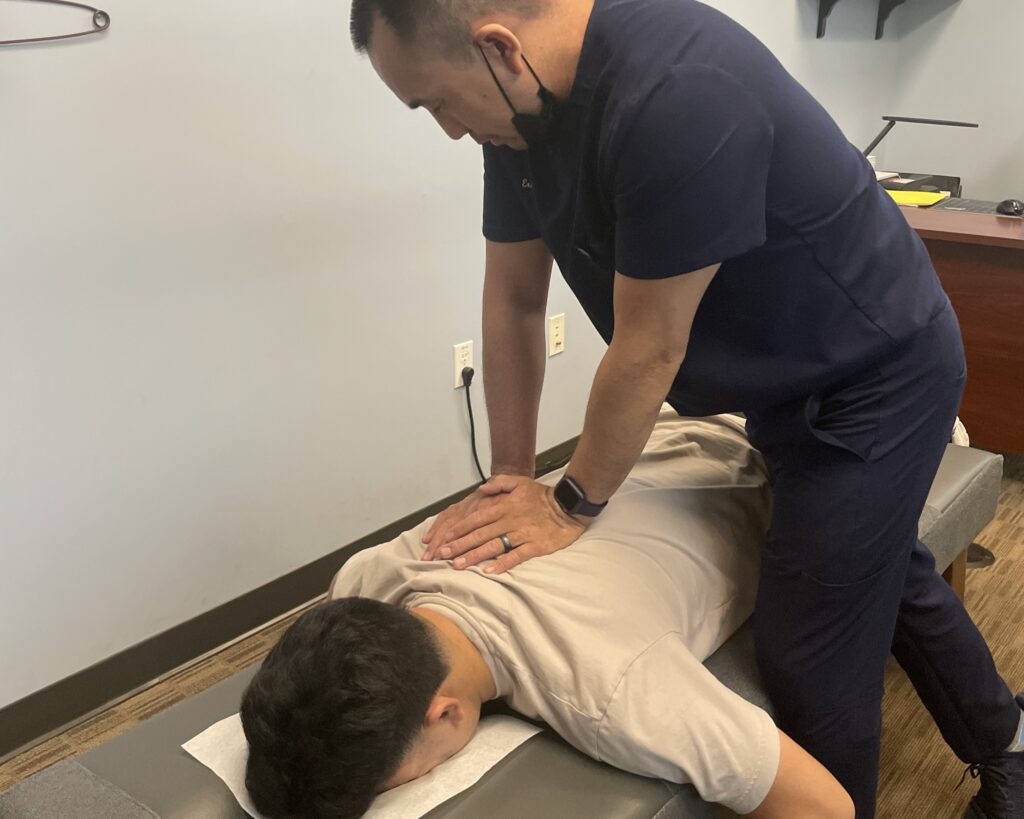
Improving your posture is crucial for your overall health, and it all begins with understanding the key factors that contribute to it. Core strength, flexibility, and muscle conditioning are essential for maintaining proper alignment. You may be surprised to learn how simple exercises can lead to significant improvements in your posture, while also alleviating discomfort and supporting your spine.
As a chiropractor, I believe that chiropractic care is one of the best ways to achieve optimal health and wellness. By addressing spinal alignment and tension through natural healing techniques, we can help your body function at its best. When you prioritize your posture, you not only enhance your physical appearance but also reduce the risk of pain and discomfort in your daily life.
Here are some practical tips you can incorporate into your routine to improve your posture:
- Strengthen Your Core: Incorporate exercises like planks and bridges into your routine. A strong core supports your spine and helps maintain proper alignment.
- Practice Good Sitting Habits: When sitting, ensure your feet are flat on the ground, and your back is supported. Consider using a chair that encourages an upright posture.
- Stay Active: Regular physical activity helps keep your muscles flexible and strong. Aim for a mix of cardio, strength training, and stretching exercises.
- Mind Your Movement: Be mindful of how you lift objects. Bend at the knees and keep your back straight to reduce strain on your spine.
- Incorporate Stretching: Regular stretching can help improve flexibility and reduce muscle tension. Focus on areas that tend to get tight, like your neck, shoulders, and back.
- Consider Chiropractic Care: Regular chiropractic adjustments can help ensure your spine is aligned correctly, which is fundamental for maintaining good posture. These adjustments can relieve tension, reduce pain, and support your body’s natural healing process.
The journey toward better posture starts with small, consistent changes. By focusing on these strategies and considering chiropractic care as a part of your wellness routine, you can achieve lasting improvements in your posture and overall health. Remember, your spine is the foundation of your body—take care of it, and it will take care of you!
Understanding Posture and Its Importance
Posture is a crucial element of our overall health and wellness, significantly impacting both our physical condition and our self-confidence. When you maintain good posture, your body operates more effectively, which reduces strain on muscles and joints. Conversely, slouching or hunching can lead to discomfort and chronic pain over time. You may not realize it, but poor posture can also influence your mood and energy levels.
Consider how you feel when you stand tall compared to when you’re slumped over. Good posture not only enhances your physical presence but can also elevate your self-esteem, making you feel more assertive and ready to take on the day. Additionally, maintaining proper alignment promotes better breathing and digestion, allowing your body to function optimally.
As a chiropractor, I want to emphasize the importance of being mindful of your posture throughout your daily activities, whether you’re sitting at a desk, walking, or even standing in line. Simple adjustments can significantly enhance your well-being.
Here are a few tips to help you maintain good posture:
- Sit with Support: When sitting, ensure your back is supported, and your feet are flat on the floor. Consider using a lumbar roll or cushion to help maintain the natural curve of your lower back.
- Stand Tall: Keep your shoulders back and down, and engage your core. Imagine a string pulling you up from the top of your head.
- Take Breaks: If you sit for long periods, take regular breaks to stretch and move around. This can help relieve tension and reset your posture.
- Mind Your Tech: When using devices, make sure your screen is at eye level to avoid bending your neck down, which can lead to strain.
- Practice Good Habits: Regularly check in with your posture throughout the day. Set reminders on your phone to stand tall or adjust your seating position.
By incorporating these practices into your daily routine, you’re not only investing in your posture but also your overall health. Chiropractic care can further support your journey to better posture and pain relief, offering natural solutions to enhance your well-being.
Core Strengthening Exercises
To enhance your posture effectively, incorporating core strengthening exercises into your routine is essential, and chiropractic care can further support this journey toward optimal health. A strong core not only supports your spine but also helps maintain proper alignment, reducing the risk of discomfort and misalignment.
Start with planks. This exercise engages your entire core, improving stability and balance, which are crucial for maintaining good posture. Aim to hold a plank for 20-30 seconds, gradually increasing the duration as you build strength. Remember, maintaining a straight line from head to heels is key to getting the most benefit.
Next, try bridges. Lie on your back with your knees bent and feet flat on the floor. Lift your hips toward the ceiling while squeezing your glutes and engaging your core. This exercise not only strengthens your core but also activates your lower back muscles, promoting a healthy spine.
Another great exercise is the dead bug. Lying on your back, raise your arms and legs in the air, then slowly lower one arm and the opposite leg while keeping your back flat against the floor. This movement helps improve coordination and strengthens your core, which is vital for spinal support.
Incorporating these exercises into your routine a few times a week can significantly improve your posture, making you feel more confident and comfortable in your body.
To enhance your results, consider regular visits to a chiropractor who can help align your spine and provide guidance on maintaining a healthy posture. Together, these practices can lead to natural healing and a more balanced lifestyle, free from pain and discomfort.
Stretching Tight Muscles
To improve your posture, it’s essential to recognize the key muscles that may be tight and causing misalignment in your spine. These tight muscles can lead to discomfort and affect your overall well-being. By identifying these areas, you can use effective stretching techniques to release tension and enhance your posture.
Incorporating chiropractic care into your routine can be a game changer for achieving optimal health. Chiropractors are trained to assess your posture and identify specific tight muscles that may be contributing to pain or discomfort. Through gentle adjustments and targeted stretching advice, we can help you achieve better alignment and relieve tension naturally.
Here are some simple tips to help you stretch those tight muscles and promote better posture:
- Neck Stretches: Gently tilt your head to one side, bringing your ear towards your shoulder. Hold for 15-30 seconds and switch sides. This helps alleviate tension in the neck area.
- Shoulder Rolls: Roll your shoulders forward and then backward in a circular motion. This exercise can help release tightness and improve mobility in the shoulders.
- Chest Opener: Stand tall and clasp your hands behind your back. Gently pull your shoulders back and down while opening your chest. This stretch counteracts slouching and promotes a more upright posture.
- Hip Flexor Stretch: Kneel on one knee with the other foot in front, ensuring your knee is over your ankle. Gently push your hips forward to stretch the hip flexors, which can become tight from prolonged sitting.
- Lower Back Stretch: Lie on your back and pull your knees toward your chest. This can help relieve tension in the lower back, promoting comfort and better alignment.
Remember, regular chiropractic care not only helps relieve pain but also supports your body’s natural ability to heal and maintain good posture.
If you’re struggling with tight muscles or discomfort, consider visiting your local chiropractor for a personalized assessment and care plan tailored to your needs. A healthier, more aligned you is just a stretch away!
Identify Key Tight Muscles
As a chiropractor, I want to shed light on some key muscles that can become tight and significantly affect your posture. These include the hip flexors, chest muscles, and upper trapezius. If you find yourself sitting for long periods or hunched over a desk, your hip flexors can shorten, which may pull your pelvis forward and lead to discomfort.
Tight chest muscles can cause rounded shoulders, while the upper trapezius may tense up due to stress or poor ergonomics, resulting in neck and shoulder pain. Recognizing these tight areas is crucial for improving your posture and overall well-being. By identifying which muscles feel restricted, you can effectively target them in your stretching routine.
Here are some helpful tips to keep in mind:
- Stretch Regularly: Incorporate simple stretches into your daily routine to help alleviate tightness in the hip flexors, chest, and upper trapezius. Stretching not only improves flexibility but also promotes better posture.
- Maintain Good Ergonomics: Ensure your workspace is set up to support a healthy posture. Adjust your chair, desk, and computer screen to keep your spine aligned and reduce strain on your muscles.
- Stay Active: Regular physical activity can help keep your muscles strong and flexible. Consider incorporating activities like walking, swimming, or yoga into your weekly routine.
- Listen to Your Body: Pay attention to areas that feel tight or restricted. If something feels off, don’t ignore it. Addressing these issues early on can help prevent further discomfort.
- Chiropractic Care: Regular visits to a chiropractor can provide significant benefits. Chiropractic adjustments can help restore proper alignment, alleviate pain, and enhance overall function.
Effective Stretching Techniques
Incorporating effective stretching techniques into your routine can play a significant role in relieving tight muscles and enhancing your posture, which is essential for overall spinal health.
As a chiropractor, I recommend focusing on the major muscle groups that impact your alignment, such as the chest, shoulders, and hip flexors. For example, the doorway stretch is excellent for opening up your chest, while a seated forward bend can help lengthen your hamstrings and alleviate tension.
When performing these stretches, hold each position for about 15-30 seconds and remember to breathe deeply to promote relaxation. Listening to your body is crucial—never push yourself beyond your comfort limits.
To truly experience the benefits of stretching, aim to incorporate these techniques into your routine at least three times a week. Consistency is vital; by making stretching a habit, you’ll likely notice improvements in how you stand and feel in your body.
As you embark on this journey to better health, consider integrating regular chiropractic adjustments into your wellness routine. Chiropractic care not only addresses spinal alignment but also supports your body’s natural ability to heal and function at its best.
Strengthening Upper Back Muscles
Strengthening your upper back muscles is crucial for maintaining good posture and preventing discomfort, which is vital for your overall spinal health. By incorporating specific exercises into your routine, you can build the strength needed to support your spine effectively.
As a chiropractor, I want to emphasize that focusing on proper form during these exercises not only maximizes your workout results but also minimizes the risk of injury. Remember, strong upper back muscles play a key role in supporting your neck and shoulders, reducing the likelihood of pain and tension.
Here are a few tips to help you strengthen your upper back naturally:
- Rowing Movements: Consider incorporating rowing exercises, such as seated rows or bent-over rows, which target the upper back muscles effectively. Use light weights to start, focusing on your form.
- Shoulder Blade Squeezes: This simple exercise can be done anywhere. Sit or stand up straight and squeeze your shoulder blades together, holding for a few seconds before releasing. Aim for 10-15 repetitions.
- Wall Angels: Stand with your back against a wall and raise your arms to form a “W” shape, keeping your elbows and wrists in contact with the wall. Slowly raise your arms to form a “Y,” then return. This helps improve mobility and strength in the upper back.
- Mind Your Posture: Throughout your day, whether sitting or standing, try to be conscious of your posture. Keep your shoulders back and down, and your head aligned over your spine.
- Visit Your Chiropractor: Regular chiropractic adjustments can help maintain spinal alignment and support your upper back strength. A chiropractor can provide personalized advice and exercises tailored to your needs.
By integrating these practices into your lifestyle, you can promote a healthier spine and enhance your overall well-being.
Remember that chiropractic care is a natural and effective way to achieve optimal health, supporting your body’s innate ability to heal itself and function at its best.
Importance of Upper Back
The upper back is crucial for maintaining good posture and ensuring your spine stays healthy. When the muscles in your upper back are strong, they help keep your shoulders back and your spine aligned, which can significantly reduce the risk of slouching. This proper alignment not only enhances your appearance but also helps prevent unnecessary strain on your neck and lower back, which can lead to discomfort over time.
Weak upper back muscles can create imbalances that contribute to pain and tension. That’s why focusing on strengthening this area is essential. By doing so, you’ll find it easier to sit and stand tall, which can boost your confidence and productivity throughout the day.
Chiropractic care is an excellent way to support your upper back health. Regular adjustments can help improve your spinal alignment, alleviate tension, and enhance your overall well-being.
In addition to chiropractic treatments, there are simple tips you can incorporate into your daily routine.
Try these practices to strengthen your upper back and improve your posture:
- Engage in Upper Back Exercises: Simple exercises, such as rows or shoulder blade squeezes, can help build strength in your upper back.
- Practice Good Posture: When sitting or standing, consciously pull your shoulders back and keep your back straight. Setting reminders throughout the day can help.
- Take Breaks: If you sit for long periods, make sure to take short breaks to stretch and move around. This can relieve tension and prevent stiffness.
- Stay Active: Regular physical activity, like walking or swimming, can strengthen your upper back and improve flexibility.
Effective Strengthening Exercises
To enhance your upper back muscles effectively, it’s important to focus on exercises that not only strengthen but also support spinal health. Incorporating a variety of targeted exercises can make a big difference.
Start with rows, using either dumbbells or resistance bands, to engage your rhomboids and trapezius. These muscles play a crucial role in maintaining good posture and a healthy spine.
Face pulls are another excellent option; they help improve shoulder stability and posture, which can alleviate strain on your neck and upper back. The reverse fly is also beneficial, as it works the rear deltoids and upper back, helping to balance muscle development and support spinal alignment.
Don’t overlook wall angels; this simple movement promotes mobility and strengthens the muscles that support your spine, making it a great addition to your routine.
Furthermore, integrating yoga poses like cobra or bridge can provide both stretching and strengthening benefits, enhancing your overall wellness.
As you embark on these exercises, aim for two to three sets of each, and remember that consistency is key. A regular routine can lead to noticeable improvements in your upper back strength and posture, contributing to your overall health.
Chiropractic care can be an invaluable partner in your journey to better upper back strength and pain relief. Regular adjustments can help ensure your spine is aligned and functioning optimally, allowing you to get the most out of your exercise routine.
Consider visiting your chiropractor to discuss how they can support your wellness goals and help you achieve a pain-free, healthier lifestyle.
Tips for Proper Form
Proper form is crucial when performing exercises to strengthen your upper back muscles. Not only does it enhance the effectiveness of your workouts, but it also plays a significant role in preventing injury, which is vital for overall health and wellness.
To start, remember to keep your shoulders pulled back and down during the exercise. This simple adjustment helps engage the right muscles and supports proper spinal alignment. Maintaining a neutral spine is essential; try to avoid arching or rounding your back, as this can lead to discomfort and strain.
If you’re incorporating weights, begin with lighter options. This ensures that you can maintain control and focus on your form rather than lifting heavy too soon. Slow, deliberate movements are key; rushing through reps can compromise your technique and lead to unnecessary stress on your spine.
As you perform each movement, pay attention to your breathing. Exhale as you exert force and inhale as you return to the starting position. This not only helps with oxygen flow but also supports your overall stability during the exercise.
Finally, always listen to your body. If you experience pain (which is different from normal discomfort during exercise), it’s important to stop and reassess your form. Prioritizing proper technique not only leads to better results but also promotes a healthier back and body overall.
Incorporating these tips into your exercise routine can enhance your physical health. Remember that chiropractic care is an excellent resource for maintaining optimal spinal health and achieving natural pain relief.
Regular chiropractic adjustments can complement your exercise efforts, helping you to stay aligned and prevent future injuries. Embrace these practices for a healthier, more active lifestyle!
Improving Flexibility and Mobility
While many people prioritize strength training, improving flexibility and mobility is equally vital for maintaining good posture and overall health. When your muscles and joints are flexible, you can move more freely, which reduces strain on your body and supports spinal alignment. Incorporating stretches into your daily routine can help alleviate tightness and enhance your range of motion, leading to a more comfortable and active lifestyle.
Consider starting with dynamic stretches, such as arm circles and leg swings, before your workouts to prepare your muscles for movement. After exercising, static stretches like hamstring stretches or chest openers can promote relaxation and improve flexibility. These simple practices can be a great complement to your chiropractic care, enhancing the benefits you receive from your treatments.
Yoga and Pilates are also wonderful options for boosting flexibility and mobility. These practices emphasize controlled movements and deep stretching, which can help support a healthy spine and body. Plus, they offer a great way to connect with your breath and reduce stress.
As you incorporate these practices into your routine, remember to listen to your body. It’s important not to push too hard; gentle consistency is key. By dedicating time to flexibility and mobility exercises, you’ll likely notice improvements in your posture and overall movement. This can lead to enhanced comfort in your daily activities and a reduced risk of injury.
Chiropractic care plays a crucial role in achieving optimal health and wellness. Regular visits can help ensure that your spine is properly aligned, which can further enhance your flexibility and mobility. Together, these practices can support your journey toward a healthier, pain-free life.
Balance and Stability Exercises
Incorporating balance and stability exercises into your routine can significantly enhance your posture and overall body awareness, which is essential for spinal health.
These exercises not only strengthen your core but also improve coordination, helping you maintain proper alignment and avoid unnecessary strain on your spine.
As a chiropractor, I believe that these practices complement chiropractic care beautifully, contributing to your journey toward optimal health and natural wellness.
Here are four effective exercises to consider:
- Single-leg Stand: Stand on one leg for 30 seconds, then switch to the other leg. This simple exercise improves your balance and strengthens the stabilizing muscles around your spine, promoting better posture.
- Plank: Hold a plank position for 30-60 seconds. This exercise engages your core muscles, providing support to your spine and helping to alleviate discomfort.
- Bosu Ball Squats: If you have access to a Bosu ball, try performing squats on it. This not only challenges your balance but also strengthens your legs and core, which are vital for spinal support.
- Tai Chi: This gentle martial art focuses on slow, controlled movements that enhance stability and body awareness. Practicing Tai Chi can be a wonderful way to reduce stress and promote relaxation, both of which are beneficial for your overall well-being.
Integrating these exercises into your weekly routine can lead to noticeable improvements in your posture and physical stability.
Remember, chiropractic care can further enhance these benefits by addressing any underlying spinal issues and ensuring your body is aligned.
By combining these exercises with regular chiropractic adjustments, you’re taking proactive steps toward a healthier, pain-free life.
Always listen to your body, and if you experience any discomfort, consult with your chiropractor for personalized guidance.
Daily Posture Habits to Adopt
To maintain good posture throughout your day, it’s crucial to develop habits that support your spine and overall alignment, which is where chiropractic care can make a significant difference.
Start by being mindful of your posture as you go about your daily activities—whether sitting, standing, or walking. Remember to keep your shoulders back and relaxed while engaging your core muscles for added stability. When you sit, ensure your feet are flat on the floor with your knees bent at a right angle, as this promotes a healthier spine.
A great habit to adopt is taking short breaks every hour to stand, stretch, and move around. This not only reduces stiffness but also keeps your muscles active and engaged.
If you find yourself using your phone or tablet, bring it up to eye level to prevent straining your neck—a common issue that can benefit greatly from chiropractic adjustments.
Additionally, incorporating deep breathing exercises into your routine can be incredibly beneficial. Not only does it help calm your mind, but it also encourages proper ribcage expansion and spinal alignment, which is essential for overall health.
By integrating these simple daily habits and considering chiropractic care as a natural way to enhance your well-being, you’ll be taking important steps towards improving your posture and supporting your health without the need for medications or surgeries.
Ergonomic Tips for Your Workspace
Creating a workspace that promotes good posture is essential not only for your comfort but also for your spinal health. As a chiropractor, I know firsthand how crucial it’s to take care of your spine, and the right ergonomic setup can make a significant difference.
By implementing a few simple changes in your workspace, you can enhance your comfort and reduce strain on your body, helping you avoid pain and discomfort in the long run. Here are some chiropractic-friendly ergonomic tips to consider:
- Chair Height: Adjust your chair so that your feet are flat on the floor and your knees form a 90-degree angle. This position supports your lower back and promotes proper spinal alignment.
- Monitor Position: Elevate your monitor to eye level and position it about an arm’s length away. This helps prevent neck strain, which can lead to tension headaches and discomfort.
- Keyboard and Mouse: Keep your keyboard and mouse close enough so you can use them comfortably without reaching out. Your elbows should remain close to your body, reducing the risk of shoulder and wrist strain.
- Desk Setup: Consider a desk that allows you to alternate between sitting and standing. This promotes movement throughout your day, supporting your overall health and encouraging good posture.
By incorporating these ergonomic tips into your daily routine, you can help maintain a healthy spine and enhance your overall well-being.
Remember, chiropractic care is an excellent choice for achieving optimal health and relieving pain naturally. Regular adjustments can support your posture and help your body function at its best.
Prioritizing your spine won’t only improve your work experience but also contribute to your long-term health.
Tracking Your Progress and Adjustments
As you begin to make changes to your workspace and posture, tracking your progress is essential for achieving optimal health and wellness. A simple way to do this is by keeping a daily journal where you can note your posture, any discomfort levels you experience, and the exercises or stretches you’ve completed. This practice helps you identify patterns and discover what works best for your body over time.
Taking progress photos from various angles can also be a valuable tool in visually assessing your improvements. Additionally, consider using apps or tools designed to help you monitor your posture throughout the day. These can serve as gentle reminders to adjust your position when needed, contributing to your overall spinal health.
Setting specific goals, such as enhancing your sitting posture or increasing the duration you maintain an ergonomic position, can be very beneficial. Regularly reviewing your journal entries allows you to see which adjustments lead to positive changes.
Consistency is crucial in this process—making these tracking habits a part of your daily routine will keep you motivated and help you make necessary adjustments effectively.
Remember, chiropractic care is a powerful ally in your journey towards natural wellness. It not only helps alleviate pain but also promotes proper spinal alignment, which is key to overall health.
Conclusion
By incorporating these exercises into your daily routine, you can significantly enhance your posture and overall well-being, naturally. As a chiropractor, I encourage you to focus on building your core strength, stretching those tight muscles, and strengthening your upper back to achieve ideal spinal alignment. These steps can help alleviate discomfort and promote better posture without the need for medications or surgeries.
In addition to exercise, adopting good daily habits and ergonomic practices in your workspace is crucial. Make sure your chair supports your lower back, your computer screen is at eye level, and take regular breaks to move around. Small changes can make a big difference!
Tracking your progress can also keep you motivated. Celebrate the small victories, and make adjustments as needed to your routine. With commitment and consistency, not only will you stand taller, but you’ll also feel more confident and comfortable in your everyday life. Chiropractic care plays a vital role in this journey, as it helps ensure your spine is in optimal condition, supporting your overall health and wellness. Remember, a healthy spine contributes to a healthier you!