If you’re dealing with back pain, know that you’re not alone in this experience. Many individuals seek relief through various methods, but I’d like to introduce you to some natural techniques that can serve as effective alternatives. As a chiropractor, I believe it’s essential to first understand the underlying causes of your discomfort.
In our practice, we focus on simple exercises that can strengthen your back and improve your flexibility. Incorporating mindfulness practices can also help manage pain and reduce stress, which often contributes to discomfort. Additionally, making dietary changes can support your overall health and assist in your body’s natural healing process.
There are also alternative therapies that can complement your healing journey, such as massage therapy, acupuncture, or specific chiropractic adjustments tailored to your needs. I encourage you to explore these approaches and see how they might benefit you in your quest for relief and comfort. Together, we can create a personalized plan that addresses your unique situation and helps you achieve a pain-free life.
Understanding the Causes of Back Pain
As a local chiropractor, I want to help you understand the multifaceted nature of back pain. Often, it stems from a combination of everyday habits and underlying health issues.
For instance, poor posture—whether you’re sitting at a desk or standing—can place excessive strain on your spine, leading to discomfort. If you find yourself spending long hours at a desk without proper ergonomic support, you might notice that your pain worsens over time.
Additionally, a sedentary lifestyle can weaken the muscles that support your back, increasing the risk of injury.
It’s also important to consider certain medical conditions that may contribute to your pain, such as herniated discs, arthritis, or sciatica. Even emotional stress can have a physical impact, leading to muscle tension in your back.
Furthermore, your sleeping environment, like an unsupportive mattress, can influence your back health as well.
Understanding these root causes is crucial for effectively addressing your back pain and finding long-term relief.
As a chiropractor, I emphasize the importance of identifying what lies behind your discomfort. This awareness is the first step towards improving your overall well-being and utilizing natural healing methods to support your spine and body.
Stretching and Strengthening Exercises for Relief
As a local chiropractor, I’m here to help you understand how incorporating stretching and strengthening exercises into your daily routine can be a natural and effective way to alleviate back pain and improve your overall spinal health.
These exercises are essential as they enhance flexibility and build muscle support around your spine, promoting a healthier back. Here’s a simple list of exercises to get you started:
- Cat-Cow Stretch: This gentle stretch is fantastic for increasing flexibility in your spine, which can help relieve tension and discomfort.
- Bird-Dog Exercise: This exercise is great for strengthening your core and back muscles. It improves stability and balance, which can significantly reduce strain on your back.
- Bridges: By engaging your glutes and lower back, bridges not only support your spine but also help alleviate discomfort.
I encourage you to perform these exercises a few times a week. Consistency is essential for seeing results.
Always listen to your body; if you experience any pain, consider modifying the movements or consult with a healthcare professional for guidance.
With dedication, you’ll be on the path to a healthier back in no time!
The Benefits of Yoga and Mindfulness Practices
As a local chiropractor, I want to share with you the incredible benefits of yoga and mindfulness practices in managing back pain. These holistic approaches can greatly complement the traditional exercises we often recommend in chiropractic care. By incorporating breath control and meditation into your routine, you can foster a deeper connection between your body and mind, which is essential for reducing stress and tension that may contribute to your discomfort.
Certain yoga poses, like Cat-Cow and Child’s Pose, are particularly beneficial as they gently stretch and strengthen your back muscles. This not only enhances flexibility but also improves your overall alignment, leading to better posture. As a result, you may experience less strain on your spine, which is a key factor in alleviating back pain.
Additionally, mindfulness practices encourage you to be fully present in the moment. This heightened awareness can help you identify and address the triggers of your pain. By being mindful, you might find it easier to avoid certain movements or habits that can exacerbate your back issues.
Incorporating yoga and mindfulness into your daily routine can significantly promote relaxation and enhance your overall well-being. These practices empower you to take an active role in managing your back health, working in harmony with the chiropractic care you receive.
Dietary Changes to Support Back Health
As a local chiropractor, I want to emphasize that while many people often think of exercise as the primary approach for relieving back pain, the foods you consume can significantly impact your back health as well. Your diet can influence factors such as inflammation, muscle strength, and your overall well-being.
Here are three dietary changes I recommend considering to support your spine:
- Incorporate More Omega-3 Fatty Acids: Foods rich in omega-3s, such as salmon, walnuts, and flaxseeds, are known for their anti-inflammatory properties. Reducing inflammation can be beneficial in easing discomfort in your back.
- Prioritize Hydration: Staying well-hydrated is crucial. Drinking plenty of water helps maintain the hydration and flexibility of your spinal discs, which can reduce stiffness and discomfort.
- Emphasize Calcium and Vitamin D: It’s essential to support your bone health with adequate calcium and vitamin D. Including dairy products, leafy greens, and fortified foods in your diet can strengthen your bones, which is vital for a resilient back.
By making these dietary adjustments, you can complement your chiropractic care and enhance your overall back health.
Alternative Therapies: Acupuncture and Chiropractic Care
As a local chiropractor, I want to share the benefits of alternative therapies like chiropractic care and acupuncture for those of you who may not be familiar with these natural healing methods. Many patients come to me seeking relief from back pain, and I often recommend integrating these therapies into their pain management plan.
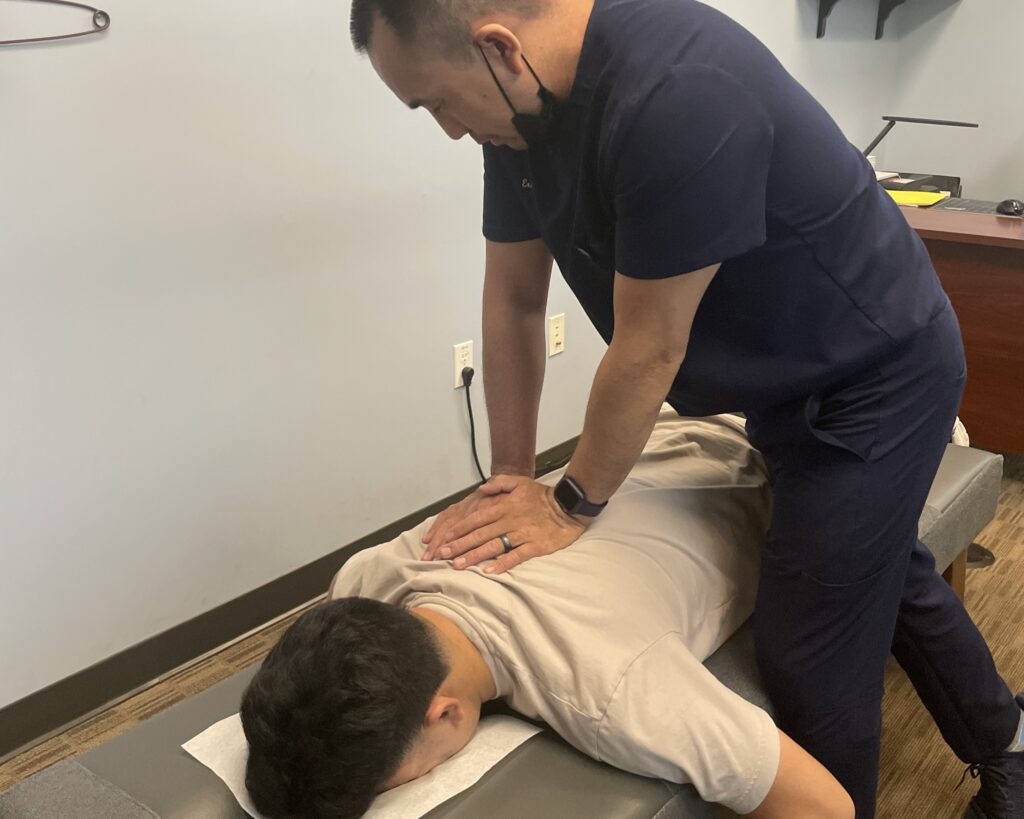
Chiropractic care is centered around diagnosing and treating musculoskeletal disorders, with a key focus on spinal manipulation. By realigning the spine, I can help alleviate tension, improve mobility, and promote overall wellness. Many of my patients experience quick relief after their adjustments, and it can be a vital component of a comprehensive approach to managing pain.
Acupuncture is another effective alternative therapy that I sometimes suggest. It involves the insertion of thin needles into specific points on the body, which can help reduce pain and encourage healing. Patients often report feeling immediate relief and enhanced well-being after sessions.
While both chiropractic care and acupuncture are generally safe, I always recommend consulting with a healthcare provider before starting any new treatment. This ensures that you receive personalized advice tailored to your specific needs.
Conclusion
As a local chiropractor, I want to share how incorporating natural techniques for back pain relief can significantly enhance your overall well-being. Many of my patients come in seeking relief without fully understanding the root causes of their discomfort. By educating yourself on these causes and engaging in regular stretching and strengthening exercises, you can find meaningful relief from your pain.
Additionally, practices like yoga and mindfulness can play a pivotal role in your healing journey. These techniques not only promote relaxation but also help improve flexibility and strength, which are crucial for a healthy back. I also encourage you to consider the impact of dietary changes and explore alternative therapies such as acupuncture and chiropractic adjustments.
Taking a holistic approach means you’re not just addressing the pain but also nurturing your body and mind for a more balanced and healthier life. Let’s work together to explore these natural methods and find the best solutions tailored for you!