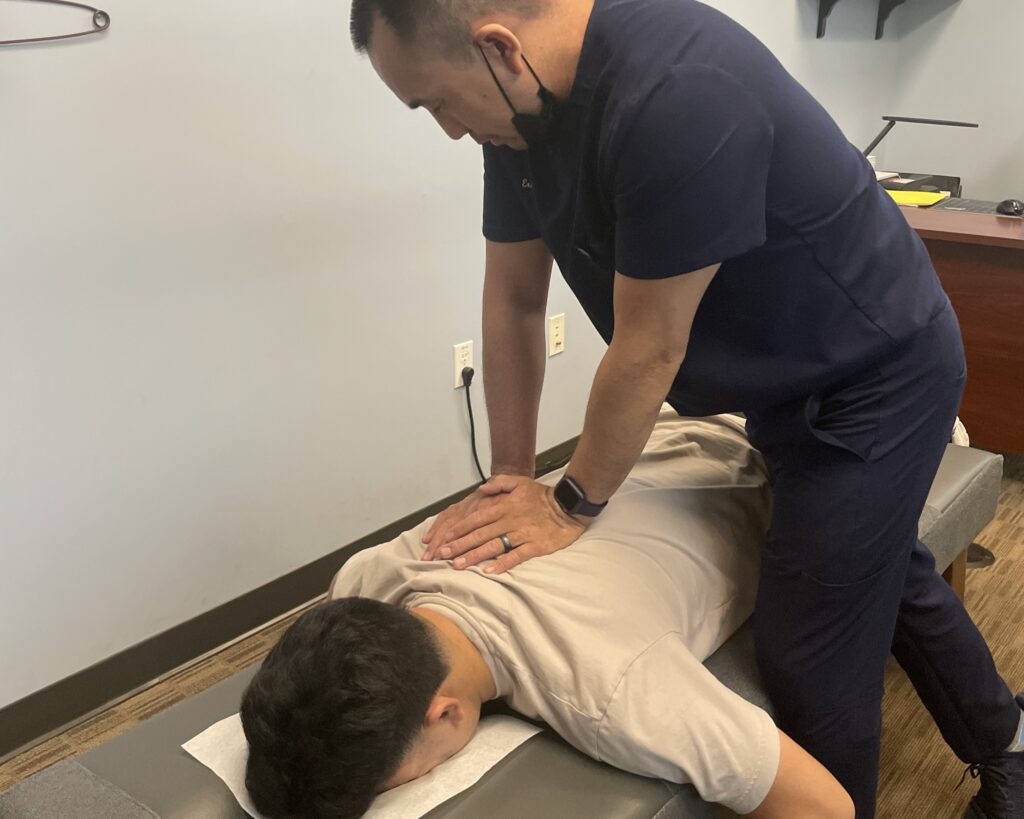
If you’ve ever dealt with migraines, you understand just how debilitating they can be. Many people find that traditional treatments only offer temporary relief or come with side effects that aren’t ideal. That’s where chiropractic care comes in, presenting a natural approach that focuses on spinal health and its vital connection to your nervous system. So, how does it work, and what can you expect during your first visit? Let’s dive into the relationship between chiropractic adjustments and migraine relief.
Chiropractic care centers on restoring proper alignment to your spine, which can significantly impact your overall health. Misalignments in your spine can lead to tension and stress in surrounding muscles and nerves, contributing to migraine pain. By addressing these misalignments through gentle spinal adjustments, we can help alleviate the triggers that lead to your migraines.
During your first visit, we’ll conduct a thorough assessment to understand your symptoms and overall health. This may include a physical examination and a discussion of your medical history. From there, we’ll create a personalized plan tailored to your specific needs, focusing on natural healing techniques that promote wellness without the use of medications or invasive procedures.
Here are a few tips you can implement right away to help manage your migraine symptoms:
- Stay Hydrated: Dehydration can be a major trigger for migraines. Aim for at least 8 glasses of water a day to keep your body hydrated.
- Maintain Good Posture: Poor posture can contribute to spinal misalignments. Be mindful of your posture, especially when sitting for long periods. Consider ergonomic furniture or supports if necessary.
- Incorporate Relaxation Techniques: Stress is a known trigger for migraines. Engage in activities such as yoga, meditation, or deep-breathing exercises to help reduce stress levels.
- Regular Chiropractic Visits: Consistent chiropractic care can help maintain spinal alignment and reduce the frequency and intensity of migraine attacks.
Choosing chiropractic care is not just about finding relief; it’s about promoting your body’s natural healing abilities and achieving optimal health. Together, we can work towards a future where migraines are less of a burden and your well-being is a priority. If you’re ready to explore how chiropractic care can help you, don’t hesitate to reach out for a consultation. Your journey to better health starts here!
Key Takeaways
Chiropractic care offers a natural and effective approach to managing migraines by addressing the root causes through gentle spinal adjustments. These adjustments help realign the spine, reducing tension on nerves and promoting better overall function in the body.
When your spine is aligned properly, it enhances communication between your brain and body, which can lead to fewer migraine episodes and a reduction in the intensity of pain when they do occur. Many of my patients report experiencing significant relief after regular chiropractic visits, as their bodies learn to function more optimally.
To support your journey toward migraine relief, a personalized treatment plan is essential. This might include specific lifestyle changes, gentle stretches, and exercises that you can do at home. Simple practices like staying hydrated, maintaining good posture, and managing stress can also make a big difference in your overall wellness and help keep migraines at bay.
Regular chiropractic care is a proactive way to maintain your spine health and promote overall well-being. By choosing this natural path, you can take control of your health and reduce the frequency and severity of migraine attacks.
Remember, making small adjustments to your daily routine can lead to significant improvements in your health. If you’re struggling with migraines, consider visiting a chiropractor to explore how this holistic approach can benefit you. Your journey to a healthier, migraine-free life starts here!
Understanding Migraines: Causes and Symptoms
When you think about migraines, it’s essential to realize that they’re more than just severe headaches; they can be debilitating episodes that disrupt your daily life. Migraines often come with a variety of symptoms, including intense throbbing or pulsing pain, usually on one side of your head. You might also experience nausea, vomiting, and heightened sensitivity to light or sound.
Understanding the causes of migraines can empower you to manage them more effectively. Triggers can vary widely, from hormonal changes and stress to specific foods or environmental factors. Even lack of sleep or dehydration can set them off. As a chiropractor, I encourage you to keep a migraine diary to help identify your personal triggers. By recognizing these patterns, you can take proactive steps toward relief.
Chiropractic care offers a natural approach to managing migraines. Spinal adjustments can help align your spine, which may reduce tension and improve your overall nervous system function. This can lead to fewer migraine episodes and less intense pain when they do occur.
In addition to chiropractic adjustments, here are a few general tips to help you manage migraines naturally:
- Stay Hydrated: Ensure you’re drinking enough water throughout the day. Dehydration can trigger migraines.
- Maintain a Regular Sleep Schedule: Try to go to bed and wake up at the same time every day to help regulate your body’s internal clock.
- Practice Stress Management: Techniques such as deep breathing, yoga, or meditation can help reduce stress, which is a common migraine trigger.
- Limit Caffeine and Alcohol: These substances can trigger migraines in some individuals, so it’s wise to monitor your intake.
- Eat Regularly: Skipping meals can lead to low blood sugar, which might trigger a migraine. Aim for balanced meals throughout the day.
The Spine and Its Connection to Neurological Health
Your spine is crucial to your overall neurological health and significantly impacts how your body functions, including nerve health and even migraine symptoms.
When your spine is misaligned, it can hinder the way your body communicates and processes pain. This is where chiropractic care shines as a natural solution.
By focusing on spinal alignment, chiropractic techniques can help restore proper nerve function and alleviate the tension that often leads to migraines.
Regular adjustments not only help with pain relief but also promote overall wellness, allowing your body to heal naturally without the need for medications or invasive procedures.
To support your spine and enhance your neurological health, consider these simple tips:
- Maintain Good Posture: Whether you’re sitting at a desk or standing, be mindful of your posture. Keep your shoulders back, and your head aligned over your spine to reduce strain.
- Stay Active: Regular physical activity strengthens your back muscles and promotes flexibility, which is essential for spinal health.
- Hydrate: Drinking enough water is vital for keeping your spinal discs hydrated and functioning properly.
- Stretch Regularly: Incorporate gentle stretching into your daily routine to relieve tension and improve mobility in your spine.
- Visit Your Chiropractor: Regular chiropractic check-ups can help maintain spinal alignment and prevent issues before they start.
Understanding the connection between your spine and neurological health empowers you to take charge of your well-being.
Embracing chiropractic care is one of the best choices you can make for pain relief and natural wellness.
Let’s work together to achieve optimal health!
Spine Alignment and Health
As a local chiropractor, I want to share how crucial spine alignment is for your overall neurological health. Many people may not realize that when your spine is in proper alignment, it helps keep your nervous system functioning well.
On the flip side, misalignments can put pressure on your nerves, leading to a range of health issues, including headaches and migraines. These discomforts can arise when your spine isn’t aligned properly, disrupting the communication pathways in your body.
One of the best ways to restore proper alignment is through regular chiropractic adjustments. These gentle, non-invasive treatments not only help relieve pain but also promote better overall health.
By prioritizing your spine’s alignment, you’re investing in your neurological wellness and overall vitality.
If you’ve been dealing with migraines or other discomforts, it’s worth considering how your spine’s health might be influencing your well-being. Remember, everything in your body is interconnected, and a balanced spine can lead to a more balanced life.
Here are a few simple tips to help maintain healthy spine alignment in your daily life:
- Practice Good Posture: Whether you’re sitting at a desk or standing, keeping your back straight and shoulders relaxed can make a big difference.
- Stay Active: Regular physical activity, such as walking, swimming, or yoga, helps strengthen the muscles that support your spine.
- Stretch Regularly: Incorporating stretching into your routine can alleviate tension in your back and neck, promoting better alignment.
- Mind Your Sleep Position: Sleeping on your back with a supportive pillow can help maintain the natural curve of your spine.
- Stay Hydrated: Drinking enough water is vital for keeping your discs healthy and your spine functioning well.
By incorporating these practices and seeking regular chiropractic care, you’re taking proactive steps toward pain relief and natural wellness.
Your spine is the foundation of your body, and by keeping it healthy, you’re setting yourself up for a life of health and happiness.
Nerve Function and Migraines
Spine alignment is crucial for how well your nerves function, and this can significantly affect the frequency and intensity of migraines. When your spine is misaligned, it can create nerve interference, disrupting the important communication between your brain and body. This disruption may trigger migraine episodes or make existing ones worse.
Proper nerve function is essential for keeping your neurological system balanced and healthy. If your nerves aren’t working efficiently, you may experience increased sensitivity to pain and other migraine symptoms. By ensuring your spine is aligned, you can support optimal nerve function, which could lead to fewer migraine occurrences and an overall improvement in your well-being.
As a local chiropractor, I encourage you to prioritize your spinal health. Regular chiropractic adjustments can help keep your spine aligned, which may lead to better nerve function and reduced migraine symptoms.
Additionally, here are some simple tips to support your spinal health and potentially alleviate migraines:
- Maintain Good Posture: Whether sitting at a desk or standing, keeping your spine straight can help prevent misalignments.
- Stay Hydrated: Drinking plenty of water supports overall health and can help reduce headache triggers.
- Practice Stress-Relief Techniques: Activities like yoga, meditation, or deep breathing can help manage stress, which is a common migraine trigger.
- Get Regular Chiropractic Care: Regular visits to a chiropractor can help maintain spinal alignment and promote optimal nerve function.
By incorporating these practices into your routine, you can take proactive steps towards a healthier, more comfortable life, free from the discomfort of migraines.
Chiropractic Techniques Explained
Chiropractic techniques are vital for maintaining optimal neurological health, as they focus on improving spinal alignment to enhance nerve function. When your spine is aligned properly, it can help reduce pressure on the nerves—this is important because pressure on nerves can often trigger migraines.
Techniques like spinal manipulation and adjustments are designed to restore normal motion and position of the vertebrae, which promotes better communication between your brain and body.
In addition to spinal adjustments, soft tissue therapies can be incredibly beneficial. They help relieve muscle tension, which can also contribute to headache pain. By addressing these spinal issues, chiropractic care goes beyond just treating symptoms; it targets the root causes of your migraines, promoting lasting relief.
Here are some tips you can incorporate into your daily routine to support your spinal health and reduce the risk of migraines:
- Maintain Good Posture: Be mindful of your posture, especially when sitting for long periods. Ensure that your workspace is ergonomically friendly to keep your spine aligned.
- Stay Active: Regular physical activity can help maintain spinal health. Simple exercises like walking, stretching, or yoga can improve flexibility and strength.
- Stay Hydrated: Drinking plenty of water can help prevent headaches and keep your body functioning optimally. Dehydration can often be a trigger for migraines.
- Manage Stress: Stress can lead to muscle tension and headaches. Consider incorporating relaxation techniques such as deep breathing, meditation, or gentle stretches into your routine.
- Prioritize Sleep: Aim for a consistent sleep schedule and ensure you’re getting enough restful sleep each night, as poor sleep can increase the likelihood of migraines.
How Chiropractic Adjustments Work for Migraine Relief
Chiropractic adjustments are a powerful tool for improving spinal alignment, which is crucial for how your body handles pain. When your spine is in proper alignment, it allows your nervous system to communicate more effectively with the rest of your body. This enhanced interaction can lead to a significant reduction in the frequency and intensity of migraines, helping you feel more balanced and comfortable in your daily life.
By choosing chiropractic care, you’re opting for a natural and holistic approach to health and wellness. Unlike medications or surgeries, chiropractic adjustments focus on addressing the root causes of pain, rather than just masking the symptoms. This means you can experience long-lasting relief and improved overall health.
To support your journey toward better wellness, here are some simple tips you can incorporate into your daily routine:
- Practice Good Posture: Whether sitting at a desk or standing, maintaining good posture can help keep your spine aligned and reduce tension on your muscles.
- Stay Hydrated: Drinking plenty of water is essential for overall health, and it can also help reduce the frequency of migraines.
- Regular Exercise: Engaging in regular physical activity can promote blood flow, reduce stress, and contribute to a healthier spine.
- Manage Stress: Stress can trigger migraines, so finding ways to relax, such as through yoga or meditation, can be beneficial.
- Sleep Well: Aim for consistent sleep patterns and ensure your sleeping environment supports a healthy spine.
Choosing chiropractic care is a proactive step toward achieving optimal health and well-being. If you’re struggling with migraines or any other discomfort, consider visiting a chiropractor who can guide you on your path to natural healing and wellness.
Spinal Alignment Benefits
While there are many factors that can lead to migraines, achieving proper spinal alignment through chiropractic care can significantly alleviate your symptoms.
When your spine is in alignment, you can enjoy a variety of benefits that may help reduce the frequency and severity of migraine attacks:
- Reduced Nerve Irritation – When your vertebrae are aligned, there’s less pressure on your nerves. This means your body sends fewer pain signals, helping to ease discomfort.
- Improved Blood Flow – Proper spinal alignment can enhance your circulation. This ensures that your brain gets the oxygen and nutrients it needs to function optimally, which can be particularly important for those suffering from migraines.
- Decreased Muscle Tension – Misalignments in your spine can lead to tightness in your neck and shoulder muscles, which often contribute to headaches. By correcting these misalignments through chiropractic adjustments, you can relieve muscle tension and help prevent migraines.
- Enhanced Mobility – Good spinal health improves your range of motion, allowing you to move more freely. This increased mobility can help reduce stress, which is a common trigger for migraines, and promote overall relaxation.
In addition to seeking chiropractic care, here are some general tips to help manage migraine symptoms:
- Stay hydrated: Drink plenty of water throughout the day to keep your body functioning well.
- Maintain a regular sleep schedule: Aim for consistent sleep patterns to help minimize migraine triggers.
- Practice stress-reduction techniques: Consider yoga, meditation, or deep-breathing exercises to help manage stress levels.
Incorporating these tips along with regular chiropractic visits can pave the way for a healthier, more balanced life.
Nervous System Interaction
When your spine is out of alignment, it can throw off the delicate balance of your nervous system. This misalignment can lead to more frequent and intense migraines.
Fortunately, chiropractic adjustments are a natural way to realign your spine, easing pressure on your nerves and restoring the vital communication between your brain and body. This process not only helps to reduce inflammation but also improves blood flow—both of which are essential in relieving migraine symptoms.
By correcting these misalignments, chiropractic care can help decrease the frequency of triggers that contribute to migraines, allowing you to manage stress and tension more effectively. As your nervous system finds its balance again, you may notice a reduction in migraine episodes and an overall improvement in your well-being.
To maintain this balance and enhance your quality of life, consider regular visits to a chiropractor. This proactive approach can serve as a foundation for optimal health and natural wellness.
Additionally, here are some general tips to help you manage migraines:
- Stay Hydrated: Drink plenty of water throughout the day to prevent dehydration, a common migraine trigger.
- Maintain Good Posture: Be mindful of your posture, especially when sitting for long periods. Good posture can help keep your spine aligned.
- Incorporate Relaxation Techniques: Practices like deep breathing, yoga, or meditation can help reduce stress and tension, which may contribute to migraines.
- Limit Caffeine and Alcohol: Both substances can be triggers for some individuals, so be mindful of your intake.
- Keep a Migraine Diary: Tracking your migraines can help identify patterns and triggers, allowing you to make informed lifestyle adjustments.
Benefits of Chiropractic Care for Migraines
Many individuals suffering from migraines discover significant relief through chiropractic care, which provides a natural and holistic approach to pain management. Instead of simply masking symptoms, chiropractic care focuses on addressing the root causes of migraines, promoting overall well-being.
Here are some key benefits you can experience:
1. Improved Alignment: Chiropractic adjustments play a crucial role in realigning your spine. This can reduce nerve irritation that may be contributing to your migraines, allowing your body to function optimally.
2. Reduced Tension: By alleviating muscle tension in the neck and shoulders, chiropractic care can help decrease the frequency and intensity of headaches. Incorporating stretches and gentle exercises at home can also support this tension release.
3. Enhanced Blood Flow: Chiropractic care boosts circulation, ensuring that your brain receives essential nutrients and oxygen. This proactive approach can help in preventing migraines before they start.
Consider staying hydrated and maintaining a balanced diet to further support your body.
4. Stress Relief: Regular chiropractic visits can help you manage stress, a common trigger for migraines. Techniques such as deep breathing, meditation, and relaxation exercises can complement your chiropractic care and enhance your stress management.
By embracing these benefits, chiropractic care can become an invaluable part of your journey toward managing and reducing migraine occurrences.
What to Expect During a Chiropractic Visit
During your first chiropractic visit, you can look forward to a comprehensive assessment that focuses on understanding your health and wellness needs. This will include a detailed conversation about your medical history and the specific symptoms you’re experiencing, such as pain or discomfort. Your chiropractor will also conduct a physical examination to pinpoint any areas of tension or misalignment in your body.
Here’s a simple overview of what you can expect:
| Step | Description |
|---|---|
| Initial Consultation | We’ll discuss your concerns and medical history to understand how we can help you achieve optimal health. |
| Physical Exam | I’ll assess your posture, spine alignment, and muscle tension to identify areas that may need attention. |
| Diagnostic Tests | If necessary, I may recommend X-rays or other imaging to get a clearer picture of your spine’s health. |
| Treatment Plan | Together, we’ll create a personalized plan that addresses your unique needs for natural healing and wellness. |
| Follow-Up | We’ll schedule future visits to monitor your progress and adjust your plan as needed to keep you on the path to better health. |
Chiropractic care is a powerful approach to pain relief and achieving a healthier lifestyle. By focusing on your spine and nervous system, we can help your body heal naturally and improve your overall well-being. Remember, taking care of your spine is essential for maintaining good health. Simple habits like maintaining good posture, stretching regularly, and staying active can go a long way in supporting your spinal health. Embrace the journey to wellness with chiropractic care – it’s a natural and effective way to enhance your quality of life!
Incorporating Chiropractic Care Into Your Migraine Management Plan
Understanding your body’s needs through chiropractic care is essential for effectively managing migraines. By incorporating chiropractic treatment into your migraine management plan, you can find natural relief and enhance your overall wellness. Here are some simple steps to consider:
- Consult a Chiropractor: Begin by scheduling an initial assessment to share your migraine history and discuss your wellness goals. Your chiropractor is here to listen and understand your unique situation.
- Establish a Personalized Treatment Plan: Together, you and your chiropractor can create a tailored plan that may include gentle spinal adjustments, therapeutic stretches, and practical lifestyle changes. This personalized approach ensures you receive the most effective care.
- Maintain Consistency with Appointments: Regular chiropractic sessions are vital for keeping your spine aligned and reducing muscle tension, which can contribute to migraine triggers. Make it a priority to attend your appointments consistently for the best results.
- Incorporate Home Exercises: Your chiropractor may suggest specific exercises you can do at home to complement your in-office treatments. These exercises won’t only enhance your recovery but also empower you to take an active role in managing your health.
- Practice Good Posture: Maintaining good posture throughout your daily activities can help prevent tension buildup in your neck and shoulders, which are common contributors to migraines. Be mindful of how you sit, stand, and move to support your spine’s health.
- Stay Hydrated and Nourished: Proper hydration and nutrition play a key role in overall wellness and can help reduce migraine frequency. Ensure you’re drinking enough water and consuming a balanced diet rich in whole foods.
- Manage Stress: High stress levels can lead to tension headaches and migraines. Incorporating relaxation techniques, such as deep breathing exercises, meditation, or yoga, can help you manage stress and improve your well-being.
By focusing on chiropractic care as a natural and effective way to alleviate migraine pain and promote overall health, you can take control of your wellness journey.
Conclusion
Incorporating chiropractic care into your migraine management plan can truly transform your experience with these debilitating headaches. By focusing on spinal health and addressing the underlying causes of your migraines, you may find that you have fewer episodes and a significant reduction in pain intensity.
Chiropractic adjustments can help realign the spine, relieve tension, and improve circulation, all of which can contribute to alleviating migraine symptoms. As you explore this natural approach, you may discover not only relief from migraines but also an enhancement in your overall well-being.
Here are some general tips to complement your chiropractic care:
- Stay Hydrated: Dehydration can trigger migraines. Aim to drink plenty of water throughout the day.
- Maintain Good Posture: Poor posture can strain your neck and back, potentially leading to migraines. Be mindful of your posture while sitting, standing, and using devices.
- Manage Stress: Stress is a common migraine trigger. Consider incorporating relaxation techniques, such as deep breathing, yoga, or meditation, into your routine.
- Regular Sleep Schedule: Consistent sleep patterns can help regulate your body’s rhythms and reduce the chances of migraine onset.
- Balanced Diet: Eating a well-rounded diet can prevent blood sugar fluctuations that may lead to migraines.
Don’t hesitate to reach out to a chiropractor and start your journey towards a healthier, migraine-free life. Chiropractic care is a natural, effective approach to achieving optimal health and wellness. Together, we can work towards reducing your migraine symptoms and improving your overall quality of life.