When you face a sports injury, it's essential to understand that relief isn't just about resting and waiting for time to heal. It involves a proactive approach, starting with early intervention and tailored treatment strategies that cater specifically to your needs. By identifying the injury's nature and severity, you can work with professionals who provide extensive care designed to optimize your recovery. But what happens when conventional methods fall short? Exploring the innovative solutions available might just be the key to your comeback.
Understanding Sports Injuries
Sports injuries can affect anyone, from weekend warriors to elite athletes. You might think these injuries happen only to those who push their bodies to the limit, but the truth is they can occur during any physical activity. A misstep while running, an awkward fall while playing a casual game, or even repetitive movements can lead to injuries. Understanding what these injuries are and how they happen is vital for prevention and recovery.
Injuries can be classified into two main categories: acute and chronic. Acute injuries happen suddenly, like sprains, fractures, or strains. You might feel immediate pain, swelling, or loss of function, making it clear that something's wrong.
Chronic injuries, on the other hand, develop over time due to repetitive stress on specific body parts. Conditions like tendinitis or stress fractures can sneak up on you, often resulting from improper technique or inadequate rest.
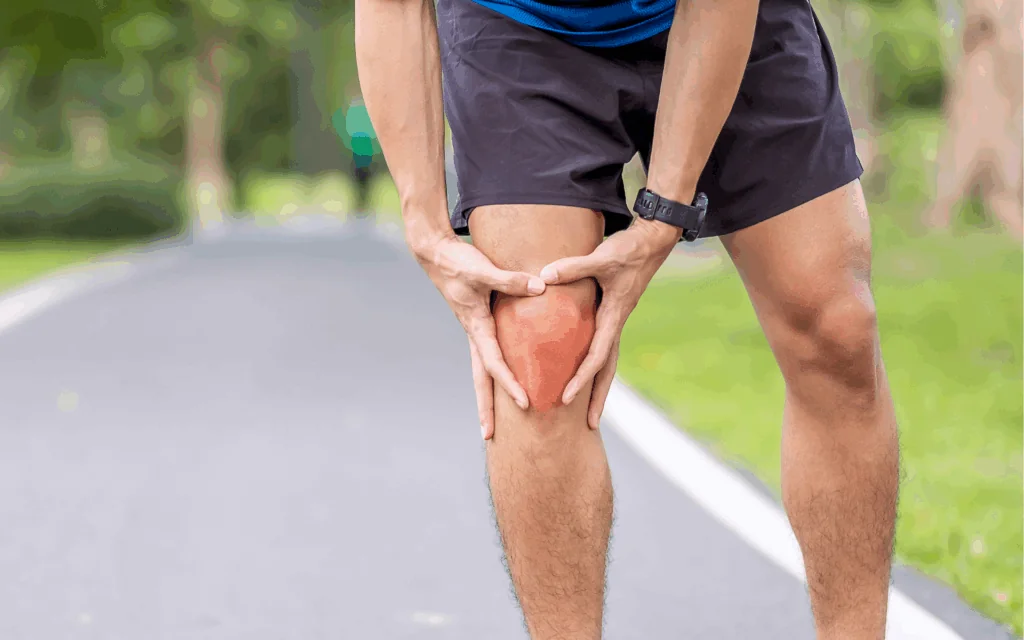
It's also essential to recognize that different sports carry unique risks. For instance, runners often face issues like shin splints or runner's knee, while basketball players might deal with ankle sprains. By understanding the specific types of injuries related to your sport, you can take proactive steps to protect yourself.
Finally, remember that your body needs time to recover from any injury. Ignoring pain or pushing through it could lead to further complications. By being aware of the types of injuries and their causes, you can make informed decisions that keep you safe and active.
Importance of Early Intervention
When you experience a sports injury, acting quickly can make all the difference.
Early intervention helps prevent long-term damage and can greatly speed up your recovery process.
Preventing Long-Term Damage
Many athletes underestimate the significance of early intervention in preventing long-term damage from injuries. When you push through pain or delay seeking treatment, you risk worsening your condition and creating complications that could sideline you for even longer.
Recognizing the warning signs—like persistent discomfort or swelling—can be essential in addressing issues before they escalate. By acting quickly, you give yourself the best chance of healing effectively.
Early intervention not only helps alleviate immediate pain but also reduces the likelihood of chronic issues that could affect your performance and overall quality of life. This means getting a proper diagnosis and starting a tailored treatment plan as soon as possible.
Don't wait until your injury becomes a major problem. Consult a healthcare professional at the first sign of trouble. They can provide valuable insights into the nature of your injury and recommend the most effective course of action.
With the right approach, you can return to your sport stronger and healthier, avoiding the pitfalls of long-term damage. Remember, your body is your most valuable asset; taking care of it should always be your top priority.
Accelerating Recovery Process
Early intervention plays an essential role in accelerating your recovery process after an injury. When you seek prompt medical attention, you're not just addressing the immediate pain; you're also preventing further complications. The sooner you get a professional assessment, the better your chances of a full recovery without long-term issues.
By acting quickly, you allow healthcare providers to tailor a treatment plan that suits your specific needs. This could include physical therapy, medication, or even specialized exercises to strengthen the injured area.
Early intervention often leads to shorter recovery times, helping you get back to your favorite activities sooner.
Moreover, addressing the injury promptly can reduce inflammation and pain, allowing you to focus on rehabilitation rather than living with discomfort.
You'll likely find that a proactive approach not only improves your physical healing but also boosts your mental resilience.
Physical Therapy Techniques
Physical therapy techniques play an essential role in your recovery from sports injuries, helping you bounce back to your peak performance. You'll find a variety of methods tailored to your specific needs, aimed at reducing pain, improving mobility, and restoring function.
One effective technique is manual therapy, which involves hands-on manipulation of soft tissues and joints. This approach can relieve tightness, reduce swelling, and enhance blood circulation, speeding up your recovery.
Another common method is therapeutic exercise, where your therapist designates specific movements to strengthen muscles and improve flexibility, preparing your body for athletic demands.
You might also benefit from modalities like ultrasound or electrical stimulation. Ultrasound uses sound waves to promote healing at deeper tissue levels, while electrical stimulation can help reduce pain and improve muscle activation.
Additionally, techniques like ice or heat therapy can effectively manage inflammation and promote relaxation in injured areas.
Don't overlook the importance of education in physical therapy. Your therapist will guide you on proper biomechanics, helping you understand how to move safely to prevent further injury. This knowledge empowers you to take charge of your recovery and optimize your performance.
Ultimately, the combination of these techniques will create a thorough treatment plan designed just for you. By engaging actively in your physical therapy sessions, you'll not only recover faster but also equip yourself with tools to maintain peak performance in your sport.
Rehabilitation Strategies
When recovering from a sports injury, effective rehabilitation strategies can make all the difference in your journey back to peak performance. To start, it's essential to focus on a tailored rehabilitation plan that addresses your specific injury. Collaborate with a qualified physical therapist to assess your condition and set realistic goals.
You'll want to incorporate a mix of strength training, flexibility exercises, and functional movements. Strength training helps rebuild muscle around the injured area, while flexibility exercises enhance your range of motion and prevent future injuries. Be consistent with your routine; progress often comes with time and dedication.
Don't overlook the importance of rest and recovery. Your body needs time to heal, so listen to it. Overdoing it can lead to setbacks, making it important to strike a balance between pushing your limits and allowing adequate rest.
You should also focus on pain management techniques, such as ice, heat, or compression, as these can aid your recovery process. Staying hydrated and maintaining a balanced diet rich in nutrients will support your healing as well.
Additionally, consider incorporating mental strategies into your rehab. Visualization techniques and positive affirmations can help maintain your motivation and confidence during recovery.
Ultimately, patience is key. Every athlete's recovery timeline is unique, so stay committed to your rehabilitation strategy, and you'll be back to doing what you love in no time.
Innovative Treatment Options
In recent years, innovative treatment options have emerged that can considerably enhance your recovery from sports injuries. These approaches not only target the injury itself but also promote overall healing and well-being.
By incorporating cutting-edge techniques, you can accelerate your return to peak performance and minimize downtime.
One of the most exciting advancements is the use of regenerative medicine. This includes therapies such as platelet-rich plasma (PRP) injections and stem cell treatments, which harness your body's natural healing processes.
Additionally, advancements in technology, like cryotherapy and laser therapy, provide non-invasive ways to reduce pain and inflammation.
Here are some innovative treatment options to explore:
- Platelet-Rich Plasma (PRP) Therapy: A procedure that uses your own blood to promote healing in damaged tissues.
- Cryotherapy: This method exposes you to extremely cold temperatures to reduce inflammation and speed recovery.
- Hydrotherapy: Utilizing water for pain relief and rehabilitation, it helps improve mobility and reduce stress on injured areas.
- Active Release Techniques (ART): A manual therapy that targets soft tissue and helps alleviate pain and restore function.
Exploring these innovative treatments can empower you to make informed decisions about your recovery.
Each option has its unique benefits, so discussing them with a qualified healthcare professional is important.
With the right approach, you'll be back in action sooner than you think.
Role of Nutrition in Recovery
When you're recovering from a sports injury, the right nutrition can make a big difference.
Essential nutrients help repair tissues, while proper hydration speeds up healing.
Plus, timing your meals effectively can enhance your overall performance as you get back on track.
Essential Nutrients for Recovery
Fueling your body with the right nutrients is essential for a swift recovery from sports injuries. When you experience an injury, your body needs specific nutrients to heal effectively. By focusing on these essential nutrients, you can support your recovery and get back in the game sooner.
Here are some key nutrients to include in your diet:
- Protein: Important for repairing tissues and building muscle. Aim for lean sources like chicken, fish, and legumes.
- Omega-3 Fatty Acids: These healthy fats help reduce inflammation. Consider incorporating fatty fish, flaxseeds, or walnuts into your meals.
- Vitamins C and E: Both are antioxidants that support healing. Citrus fruits, berries, nuts, and green leafy vegetables are excellent sources.
- Zinc: Critical for tissue repair and immune function. You can find zinc in nuts, seeds, and whole grains.
Hydration's Impact on Healing
Hydration plays an essential role in the healing process, often overlooked in discussions about recovery. When you're injured, your body needs adequate fluids to function properly and speed up recovery. Water helps transport nutrients to damaged tissues, flush out toxins, and maintain ideal blood circulation. If you're not properly hydrated, you might slow down your healing or even increase the risk of further injury.
During recovery, it's important to recognize that hydration isn't just about drinking water. Electrolytes like sodium, potassium, and magnesium are vital for maintaining fluid balance and muscle function. Incorporating hydrating foods like fruits and vegetables into your diet can also support your hydration needs.
You should aim to drink water consistently throughout the day, not just when you feel thirsty. Monitor your urine color; a light yellow usually indicates good hydration, while dark urine suggests you need to drink more.
Keep in mind that factors such as activity level and environment can increase your hydration needs. By prioritizing hydration, you're giving your body the best chance to heal effectively and return to your favorite activities sooner.
Timing Meals for Performance
Nutrition timing plays a significant role in optimizing your performance and recovery. When you fuel your body at the right times, you enhance your energy levels, muscle repair, and overall recovery processes.
Timing your meals around your training and competition schedule can make a noticeable difference.
Here are some key points to evaluate when timing your meals:
- Pre-Workout: Eat a balanced meal 2-3 hours before training to provide sustained energy.
- Post-Workout: Refuel within 30 minutes after exercise with protein and carbohydrates to kickstart recovery.
- Hydration: Stay hydrated before, during, and after meals to support muscle function and recovery.
- Consistent Meals: Maintain regular meal times to keep your energy levels stable throughout the day.
Preventive Measures for Athletes
While injuries can sometimes feel inevitable in sports, there are effective preventive measures you can take to greatly reduce your risk. First and foremost, always warm up before your activities. Dynamic stretches and light exercises prepare your muscles for more intense movements, considerably lowering injury chances.
Likewise, cooling down after workouts helps your body recover and reduces stiffness.
Next, focus on strength training. Incorporating exercises that target your core, legs, and upper body enhances your overall stability and support during physical activities. Strong muscles can absorb more impact, which is essential in high-intensity sports.
Additionally, flexibility is important; regular stretching can improve your range of motion and decrease the likelihood of strains.
Another key aspect is to pay attention to your equipment. Always use the right gear for your sport, whether it's supportive shoes, helmets, or protective pads. Proper equipment can make a notable difference in preventing injuries.
Lastly, listen to your body. If something feels off, don't push through the pain. Resting and addressing discomfort can prevent minor issues from escalating into major injuries.
Keep your body hydrated and maintain a balanced diet to support your athletic performance.
Psychological Aspects of Injury
Injuries not only affect your body but also take a notable toll on your mental well-being. The emotional fallout from being sidelined can be as challenging as the physical pain itself. You might experience feelings of frustration, anxiety, or even depression as you grapple with the limitations that an injury imposes. Understanding these psychological aspects is vital for your recovery.
Here are some common emotional responses you might face during your healing process:
- Frustration: You may feel irritated by your inability to perform at your usual level.
- Anxiety: Worrying about your future performance or potential re-injury can weigh heavily on your mind.
- Depression: Losing your routine and social interactions can lead to feelings of sadness or isolation.
- Loss of Identity: As an athlete, your identity is often tied to your performance; an injury can make you question who you're without that role.
Addressing these mental challenges is essential for a holistic recovery. You can start by acknowledging your feelings and seeking support from friends, family, or mental health professionals who understand the psychological impact of sports injuries.
Engaging in mindfulness or relaxation techniques can also help you cope. Remember, taking care of your mental health is just as important as your physical rehabilitation, and it can notably impact your overall healing process.
Choosing the Right Care Provider
When steering the recovery journey, choosing the right care provider can greatly influence your healing process. It's important to find someone who understands your specific sport and injury type. Start by researching professionals who specialize in sports injuries, such as orthopedic surgeons, physical therapists, or sports medicine specialists.
Consider their qualifications and experience. Look for providers with advanced degrees and certifications in sports medicine. You want someone who not only knows the latest treatment techniques but also has a proven track record in helping athletes recover efficiently.
Don't hesitate to ask for recommendations from teammates, coaches, or other athletes who've faced similar injuries.
Next, assess their communication style. You'll want a provider who listens to your concerns and explains treatment options clearly. Feeling comfortable discussing your injury and recovery goals is critical for a successful partnership.
Location and availability also play significant roles. A nearby clinic that offers flexible hours can make attending sessions easier, ensuring you stay committed to your recovery plan.
Finally, trust your instincts. Choose a provider you feel confident in, someone who inspires trust and motivation. Your recovery journey is a personal one, and having the right support can make all the difference.
Real-Life Success Stories
You'll find that real-life success stories from athletes can inspire and motivate you on your own recovery journey.
Hearing how others have overcome injury challenges and experienced transformative treatments can provide valuable insights.
Let's explore these powerful narratives and see how they can guide your path to healing.
Athlete Recovery Journeys
Every athlete faces challenges on their journey, but stories of recovery can inspire and motivate. When you hear about others overcoming injuries, it reminds you that setbacks are just part of the game.
Take a moment to reflect on some key elements that contribute to successful recovery journeys:
- Support System: Surrounding yourself with friends, family, and coaches who believe in you can make a huge difference.
- Positive Mindset: Maintaining a hopeful and determined attitude helps you push through tough times.
- Professional Guidance: Working with trainers, physiotherapists, and doctors guarantees you take the right steps toward healing.
- Goal Setting: Breaking down your recovery into smaller, achievable milestones keeps you focused and motivated.
These elements are common threads in numerous athlete recovery stories.
Whether it's a runner bouncing back from a torn ligament or a basketball player regaining strength after surgery, each journey is unique yet relatable.
By learning from their experiences, you can cultivate resilience and find your own path to recovery.
Overcoming Injury Challenges
Inspiring stories of athletes overcoming injury challenges highlight the resilience of the human spirit. You might find motivation in the journey of a professional runner who faced a devastating knee injury. Instead of giving up, she dedicated herself to a rigorous rehabilitation program, pushing through the pain and setbacks.
With determination, she regained her strength and eventually returned to the track, even breaking her personal record.
Another remarkable tale is that of a young soccer player who suffered a severe ankle injury. Initially, he felt defeated, but with the support of his coaches and teammates, he focused on mental and physical recovery.
By embracing cross-training and setting small goals, he not only healed but also emerged with a renewed passion for the game.
These real-life success stories serve as powerful reminders that injuries don't have to define you. You can find your way back, stronger and more resilient than before.
Whether you're an elite athlete or an amateur, drawing inspiration from these journeys can help you tackle your own injury challenges head-on, reminding you that perseverance often leads to triumph.
Transformative Treatment Experiences
When athletes tap into innovative treatments, they often experience life-changing recoveries that restore both their bodies and confidence. You might be surprised to learn how individuals just like you have transformed their sports careers through effective therapies. Real success stories highlight the power of personalized care and cutting-edge techniques.
Here are some key outcomes athletes have achieved through transformative treatments:
- Faster Recovery: Many athletes return to their sport sooner than expected, minimizing downtime.
- Improved Performance: Enhanced strength and flexibility can lead to better performance on the field.
- Increased Confidence: Overcoming injuries boosts mental resilience and self-belief.
- Long-Term Health: Effective treatments can reduce the risk of future injuries.
These narratives showcase that with the right approach, recovering from injuries isn't just possible—it can also lead to newfound strength and motivation.
As you consider your own journey, remember that embracing innovative treatments can pave the way for your remarkable comeback. Don't let injuries define you; instead, let them be a stepping stone toward an even greater athletic future.
Conclusion
Injuries can be tough, but by understanding your condition and seeking early intervention, you set yourself up for a successful recovery. Embracing physical therapy, innovative treatments, and preventive measures not only helps you heal but also strengthens your resilience as an athlete. Remember, choosing the right care provider makes a world of difference. With the right support and a tailored plan, you'll be back in the game, stronger and more confident than ever.