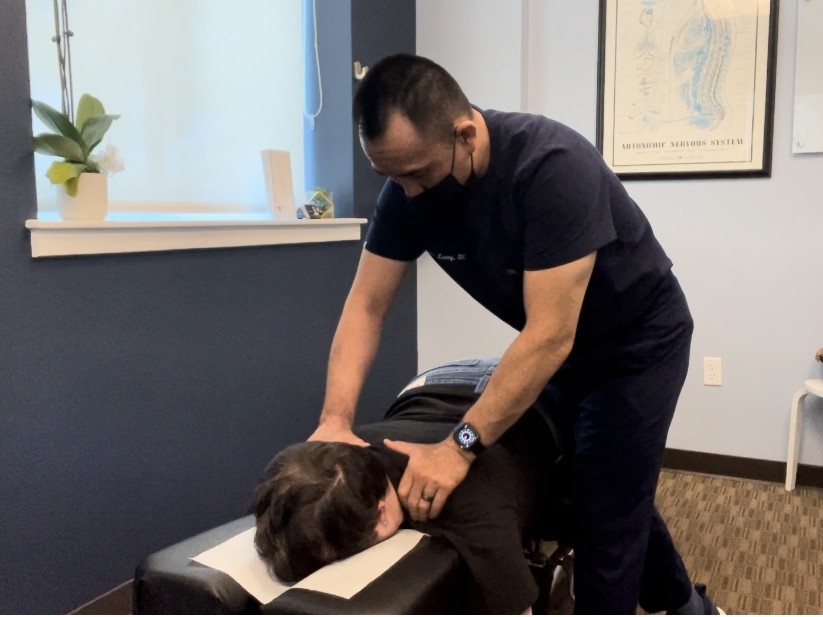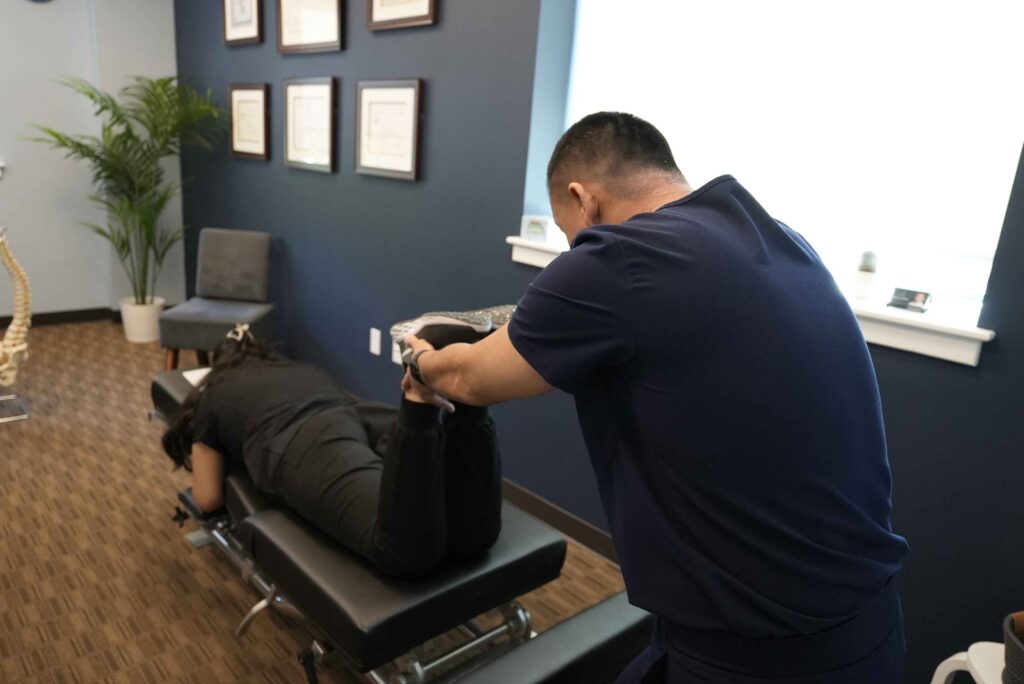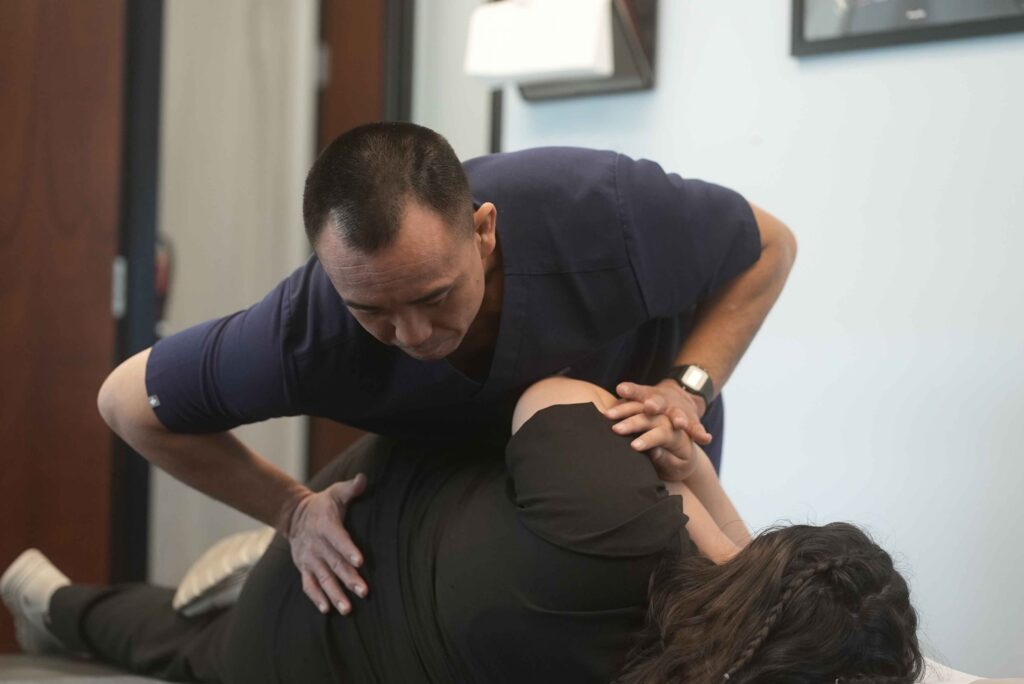
As a local chiropractor, I want to share some gentle techniques that can provide relief for neck pain. If you're experiencing discomfort, exploring these methods can be a beneficial step toward recovery. Simple stretching exercises, such as neck tilts and chin tucks, can significantly enhance your flexibility and alleviate muscle tension. Additionally, incorporating shoulder rolls and side stretches into your routine may help improve your overall comfort.
However, it's important to remember that relieving neck pain goes beyond just stretching. Embracing self-care strategies and making ergonomic adjustments in your daily activities can further support your healing process. For instance, ensuring that your workspace is set up correctly and maintaining good posture can make a notable difference in how you feel. As you embark on this journey toward relief, consider what other simple practices, like mindful breathing or gentle massage, could complement your efforts. Remember, taking a holistic approach is key to achieving lasting relief.
Understanding Neck Injuries
As a local chiropractor, it's important for me to help you understand neck injuries and how they can impact your life. Neck injuries can be quite debilitating, affecting not only your daily activities but also your overall well-being. To facilitate effective recovery, it's essential to recognize the various types of neck injuries that can occur.
Common neck injuries include strains, sprains, herniated discs, and whiplash. Each of these injuries presents distinct symptoms and requires tailored care strategies. For instance, a neck strain often results from overstretching or tearing of the muscles or tendons. If you've experienced this, you may notice pain, stiffness, or a restricted range of motion.
On the other hand, sprains affect the ligaments and may lead to symptoms similar to strains, but they often include additional signs such as swelling and bruising. Understanding these differences is crucial for identifying the issue and seeking the right treatment.
Herniated discs are another concern. This injury occurs when the gel-like center of a spinal disc bulges out and places pressure on the surrounding nerves. The result can be sharp pain, tingling, or numbness that may radiate down your arms.
Whiplash, typically seen in car accidents, arises from sudden movements of the head, which can lead to muscle strains and pain. Recognizing these symptoms early on can significantly influence your recovery journey.
Additionally, it's vital to be aware of the causes behind these injuries, such as poor posture, repetitive motions, or sudden impacts. By understanding these risk factors, you can take proactive measures to protect your neck. This knowledge empowers you to make informed decisions about treatment options and lifestyle changes that can enhance your healing process.
At my chiropractic practice, I focus on natural healing methods to alleviate pain and restore function. Together, we can work towards improving your quality of life through tailored care and education about your body's needs.
Gentle Stretching Exercises
As a local chiropractor, I often see patients struggling with neck pain and discomfort. One effective way to alleviate this pain is through gentle stretching exercises. These exercises not only enhance flexibility but also help to reduce tension and improve blood circulation in the neck region.
By incorporating gentle stretching into your routine, you can ease stiffness and significantly enhance your neck mobility. It's essential to listen to your body as you perform these stretches, taking care to move slowly to avoid any potential injury.
Here are some gentle stretching exercises I recommend:
- Neck Tilts: Begin by slowly tilting your head towards one shoulder. Hold this position for a few seconds, then switch to the other side. This stretch helps to relieve tightness in the neck muscles.
- Chin Tucks: Gently tuck your chin toward your chest without bending your neck. Hold for a few seconds; this movement promotes proper alignment and helps relieve tension in the neck.
- Shoulder Rolls: Raise your shoulders towards your ears, then roll them back and down. Repeat this several times to help release tension in the shoulders and neck.
- Side Stretches: With one arm reaching up, lean your body toward the opposite side. You should feel a gentle stretch along the side of your neck. This exercise helps to open up the muscles and improve flexibility.
- Forward Neck Stretch: While sitting or standing, gently push your head forward. Hold the stretch for a few seconds to help relieve built-up tension in the neck.
Incorporating these stretches into your daily routine can contribute to a healthier neck and overall well-being. Remember to perform each stretch in a controlled manner, and if you experience any pain, it's important to stop.
Regular practice can lead to lasting relief and improved neck health, making it easier for you to enjoy daily activities without discomfort. If you have any questions or need guidance, don't hesitate to reach out to your chiropractor for personalized advice.
Heat and Cold Therapy
As your local chiropractor, I want to share some valuable insights about managing neck injuries through natural healing techniques like heat and cold therapy.
When you're experiencing discomfort in your neck, utilizing these therapies can make a significant difference in your recovery.
Heat therapy is an excellent way to relax tight muscles and promote better blood flow to the affected area. This increased circulation helps to ease tension and can ultimately lead to improved mobility.
On the other hand, cold therapy is effective at reducing inflammation and numbing sharp pain, providing immediate relief when you need it most.
By combining both heat and cold therapies, you can maximize your healing process and experience the benefits of both methods.
This holistic approach not only alleviates pain but also supports your body's natural ability to heal.
If you have any questions about how to effectively incorporate these therapies into your recovery plan, feel free to reach out. I'm here to help you understand and navigate your healing journey!
Benefits of Heat Therapy
As a chiropractor, I often recommend heat therapy as an effective technique for alleviating neck injuries and promoting healing. Many patients may not be familiar with the benefits this natural approach can offer. When you apply heat to your neck, it can create a soothing experience that supports your recovery.
Here are some of the key advantages of incorporating heat therapy into your healing routine:
- Boosted blood circulation: Heat therapy enhances blood flow, which is crucial for delivering essential nutrients and oxygen to the injured area, aiding in the healing process.
- Relaxed muscle tension: The application of heat helps to relax tight and tense muscles, alleviating stiffness and discomfort that can accompany neck injuries.
- Improved flexibility: By warming the muscles and tissues, heat can increase your neck's range of motion, allowing for easier movement without pain.
- Effective pain relief: Heat therapy can help diminish pain signals, providing immediate comfort from discomfort associated with neck injuries.
- Stress alleviation: The gentle warmth of heat therapy promotes relaxation, which can help reduce stress that often contributes to neck tension.
You can utilize various heat sources, such as heating pads, warm towels, or hot baths, to experience these benefits.
However, it's important to remember to avoid prolonged exposure to prevent burns.
Heat therapy can be a gentle and effective method to support your recovery from neck injuries and assist you in returning to your daily activities with greater ease and comfort.
If you have any questions about how to effectively incorporate heat therapy into your care plan, feel free to ask during your visit!
Advantages of Cold Therapy
As a local chiropractor, I want to share the benefits of cold therapy, particularly for those of you dealing with neck injuries or inflammation. Cold therapy, when utilized alongside heat therapy, can be a powerful tool in your recovery journey.
When you apply cold to your neck, it causes blood vessels to constrict, effectively reducing swelling and bruising. This is particularly important right after an injury, as it can significantly alleviate pain and discomfort. Many of my patients have found that using cold therapy helps them feel better much faster.
Cold therapy also has the added benefit of numbing the affected area, which provides quick relief from sharp pains. You can use ice packs, cold compresses, or even a bag of frozen peas—just make sure to wrap them in a cloth to protect your skin from frostbite.
I recommend applying cold therapy for about 15-20 minutes at a time, allowing your skin to return to a normal temperature before reapplying.
Another advantage of cold therapy is its ability to reduce muscle spasms that often accompany neck injuries. By calming the nervous system, you may find it easier to relax and recover, which is essential for your healing process.
Incorporating cold therapy into your recovery routine can enhance your comfort and promote healing. Always listen to your body and adjust your treatment as needed for the best results.
If you have any questions about how to effectively use cold therapy or how it fits into your overall treatment plan, feel free to reach out!
Combining Heat and Cold
As a local chiropractor, I want to share the importance of utilizing both heat and cold therapy to enhance your recovery from neck injuries. Each method has its own unique benefits that can help alleviate pain and promote healing. When combined, these therapies can provide your body with the relief it truly needs.
Here's how you can effectively use heat and cold therapy in your recovery process:
- Cold Therapy: Start by applying ice packs to your neck for 15-20 minutes. This will help reduce inflammation and numb any sharp pain you may be experiencing.
- Heat Therapy: After cold therapy, you can switch to using a warm towel or heating pad for 15-20 minutes. This will help relax tense muscles and improve blood flow, aiding in your recovery.
- Alternating Methods: To effectively manage pain and stiffness, alternate between heat and cold every 1-2 hours. This can help keep your symptoms under control and promote healing.
- Monitor Your Response: It's crucial to pay attention to how your neck feels after each treatment. Everyone's body responds differently, so feel free to adjust the duration of each application based on your comfort level.
- Stay Hydrated: Don't forget to drink plenty of water! Both heat and cold therapies can impact your hydration levels, so staying hydrated will support your overall recovery process.
By incorporating these therapies into your recovery routine, you can enhance your healing and alleviate discomfort.
If you have any questions or need further guidance, feel free to reach out to me during your next visit!
Mindfulness and Relaxation Techniques
As a local chiropractor, I want to share how incorporating mindfulness and relaxation techniques can significantly help with neck pain.
One effective method is through breathing exercises, which can aid in releasing tension and promoting a sense of relaxation.
Additionally, guided imagery can be a powerful tool, allowing your mind to visualize a calm and peaceful environment that can further ease your discomfort.
By integrating these practices into your daily routine, not only can you alleviate neck pain, but you can also enhance your overall well-being and support your recovery naturally.
It's important to recognize that chiropractic care works hand in hand with these techniques, offering a holistic approach to your health.
Breathing Exercises Benefits
As a local chiropractor, I want to share with you the incredible benefits of breathing exercises, especially for those of you who may be dealing with neck injuries. Many people aren't aware of how simply focusing on your breath can help alleviate tension and promote relaxation.
Let me explain how these exercises can enhance your overall wellness:
- Reduces stress: When you engage in deep breathing, you activate your body's natural relaxation response, which can significantly decrease your stress levels. This is essential for anyone experiencing pain or discomfort.
- Enhances focus: Concentrating on your breath not only helps you shift your attention away from discomfort, but it also improves your mental clarity. This can be particularly helpful when navigating daily challenges.
- Promotes relaxation: By practicing slow and controlled breathing, you can ease muscle tension throughout your body, including your neck and shoulders. This relaxation can lead to a more comfortable state of being.
- Improves posture: Breathing exercises encourage mindfulness about your body's alignment. Being aware of how you carry yourself can lead to better posture, which in turn can reduce strain on your neck.
- Boosts overall well-being: Regularly incorporating breathing exercises into your routine can greatly enhance your emotional health, making it easier to cope with any pain or discomfort you may experience.
I encourage you to take a few moments each day to focus on your breath. This simple practice can make a significant difference in how you manage neck pain and overall wellness.
Guided Imagery Practice
As a local chiropractor, I want to introduce you to a powerful technique known as guided imagery, which can significantly enhance your relaxation and mindfulness practices, particularly if you're dealing with neck injuries. This method allows you to harness the power of your imagination to create a mental environment that promotes healing and alleviates tension.
To begin, find a quiet and comfortable spot where you can either sit or lie down. Close your eyes and take a few deep breaths to help center yourself.
Now, I encourage you to visualize a serene landscape—maybe a peaceful beach with gentle waves or a tranquil forest filled with the sounds of nature. Focus on the colors, sounds, and scents that fill this space. As you immerse yourself in this imagery, picture a warm, healing light surrounding your neck. With every breath you take, imagine this light soothing your pain and tension, gradually melting away any discomfort you may feel.
If your thoughts start to wander, that's perfectly normal. Gently guide your attention back to your visualization. You can also incorporate positive affirmations during this practice, such as "I am relaxed and free of pain." Aim to spend at least 10-15 minutes in this guided imagery session.
When you feel ready, slowly bring your awareness back to your surroundings. This guided imagery practice can't only help you achieve a deeper state of relaxation but can also support the healing process in your neck.
Ergonomic Adjustments
As a local chiropractor, I want to share some important insights about how making ergonomic adjustments in your workspace can significantly alleviate neck strain and discomfort.
By optimizing your environment, you can promote better posture and reduce the likelihood of injuries, which is essential for your overall health and well-being.
Here are some key adjustments to consider:
- Monitor Height: Ensure your computer monitor is positioned at eye level. This simple adjustment prevents you from bending your neck up or down, which can lead to discomfort over time.
- Chair Support: Invest in a chair that provides good lumbar support. A chair designed to encourage a natural curve in your spine will help you maintain proper posture and keep your back fully supported.
- Keyboard Position: Position your keyboard so that your elbows are close to your body and form a right angle. This helps keep your shoulders relaxed and reduces strain on your neck and upper back.
- Frequent Breaks: It's important to take regular breaks to stretch and move around. This practice not only helps relieve tension but also prevents stiffness that can contribute to pain.
- Phone Position: If you often use your phone, consider utilizing a headset or speakerphone. This avoids the common habit of cradling the phone between your shoulder and ear, which can lead to neck strain.
By incorporating these adjustments into your daily routine, you can create a more supportive workspace that promotes your health and comfort.
If you have any questions or need further guidance, feel free to reach out; I'm here to help you on your journey to natural healing.
When to Seek Professional Help
As a local chiropractor, it's important to help you understand when to seek professional assistance for neck injuries, especially if you're unfamiliar with chiropractic care and natural healing. Your long-term health is our priority, and recognizing the right time to reach out for help can make all the difference.
If you're dealing with persistent neck pain that doesn't seem to improve with self-care methods, it's a clear signal to consult a healthcare professional like a chiropractor. Ignoring this ongoing discomfort can lead to more significant issues in the future.
Additionally, if you experience numbness, tingling, or weakness in your arms or hands, it's crucial to get checked out. These symptoms can suggest nerve compression or injury, which requires prompt attention.
Similarly, if you're experiencing severe headaches or dizziness along with neck pain, it's important not to delay in seeking evaluation, as these could indicate more serious underlying conditions.
Another indicator that it's time to seek help is a limited range of motion. If you find it challenging to turn your head or if certain movements trigger sharp pain, it's advisable to contact a chiropractor. We're trained to assess your condition and recommend effective, natural interventions tailored to your needs.
Lastly, if your neck injury is a result of a traumatic event, such as a fall or car accident, don't hesitate to reach out for professional guidance. Even if you feel okay initially, it's possible that underlying injuries could emerge later on, and early intervention can be key to a smoother recovery.
Conclusion
As a local chiropractor, I want to share how incorporating gentle techniques for neck injury relief into your daily routine can greatly enhance your comfort and mobility. Simple stretching exercises can help ease tension, while applying heat or cold therapy can facilitate healing and reduce inflammation. Maintaining good posture throughout the day is also crucial for supporting your neck health.
I encourage you to take time for yourself to relax and recharge, as this is an important part of the healing process. Remember, if your symptoms persist or you have any concerns, seeking professional guidance is always a wise choice. Your neck health is vital, and I'm here to support you on your journey to wellness!