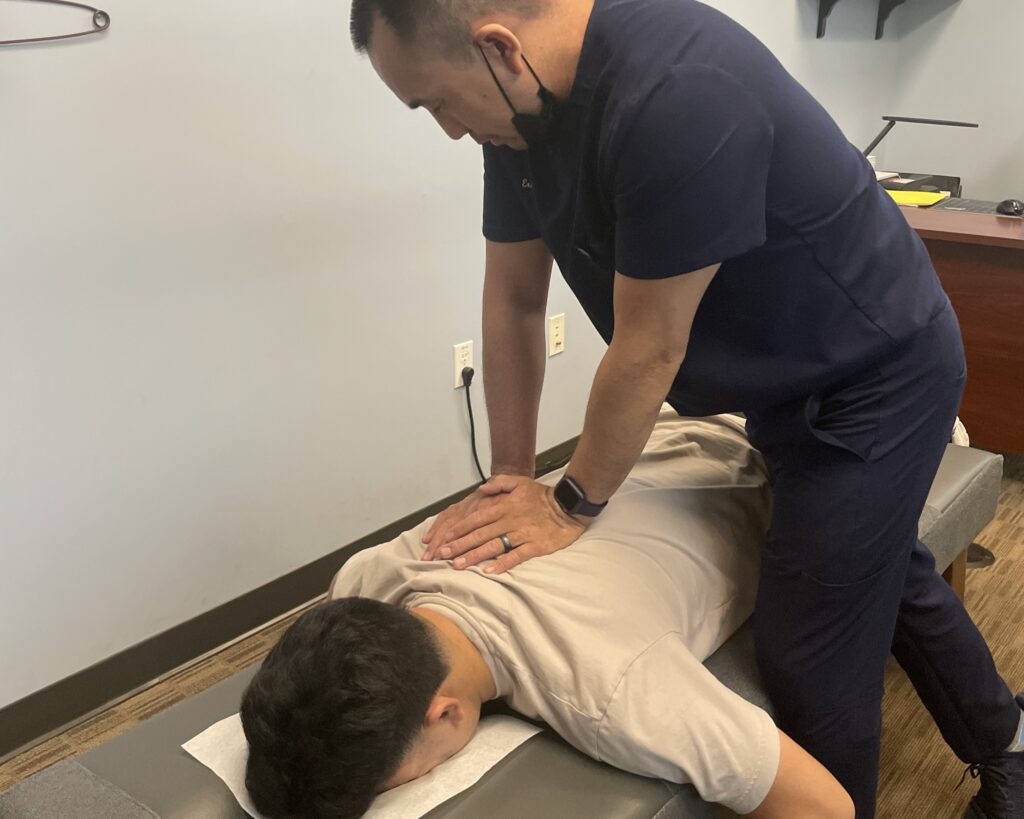
As a local chiropractor, I understand that if you’re experiencing back pain from sports activities, it can significantly impact both your athletic performance and your everyday life. The good news is that there are natural methods to help relieve this discomfort without immediately resorting to medication. By emphasizing flexibility, strength, and complementary therapies, you can embark on a journey toward recovery.
Many patients are often unaware of the benefits of chiropractic care and how it can play a crucial role in your healing process. Through gentle adjustments, we can help realign your spine, which not only alleviates pain but also enhances your overall mobility. In addition to chiropractic adjustments, I recommend incorporating specific techniques and lifestyle changes that can support your recovery.
For instance, engaging in regular stretching and strengthening exercises can improve your flexibility and stability, reducing the likelihood of future injuries. Complementary therapies such as massage or acupuncture can also be beneficial in managing pain and promoting relaxation.
As we explore these effective strategies together, my goal is to empower you with the knowledge and tools needed to support your journey toward a pain-free life. Remember, you don’t have to navigate this challenge alone—I’m here to guide you every step of the way.
Understanding Sports-Related Back Pain
As a local chiropractor, I want to emphasize the importance of understanding back pain, especially for those of you who are active in sports. Back pain can significantly affect both your performance and your overall enjoyment of your favorite activities.
Often, this type of pain arises from muscle strains, ligament sprains, or even herniated discs, which can result from repetitive movements or improper techniques during sports.
It’s crucial to recognize the signs of back pain early on to prevent more serious injuries down the line. Be mindful of any sharp or persistent pain, stiffness, or soreness that doesn’t seem to improve with rest. Identifying the specific movements or activities that trigger your pain is key to managing it effectively and can help guide us in providing the right care.
Additionally, understanding the difference between acute and chronic pain is essential. Acute pain often appears suddenly and is typically linked to a specific injury, while chronic pain develops gradually over time and may require a different treatment approach.
The Importance of Stretching and Flexibility
As a local chiropractor, I want to emphasize the vital role that stretching and flexibility play in preventing and managing sports-related back pain. Many of my patients are often surprised to learn that incorporating regular warm-ups and specific flexibility exercises can significantly improve their range of motion while also alleviating tension in their muscles.
Stretching not only enhances mobility but also helps maintain proper posture and alignment, which are essential for overall spinal health. By taking the time to stretch before and after physical activities, you can reduce the risk of injury and promote faster recovery.
Let’s delve into some effective stretching exercises that you can easily incorporate into your routine. These exercises not only help in relieving tension but also support your body’s natural healing processes, making them an integral part of your wellness journey.
Benefits of Stretching
As a local chiropractor, I want to emphasize the importance of flexibility in maintaining a healthy, active lifestyle. Stretching isn’t just about improving your range of motion; it plays a crucial role in preventing injuries and enhancing your overall performance, whether you’re exercising or simply going about your daily activities.
When you make stretching a regular part of your routine, you’re actively reducing muscle tension and promoting better circulation. This can lead to quicker recovery times and less soreness after physical exertion, which is something we all appreciate.
Moreover, stretching contributes to better posture, which is vital for supporting a strong and stable core—something that can significantly impact your overall health and well-being.
Additionally, incorporating stretching into your life increases your body awareness, allowing you to move more efficiently and effectively. Whether you’re a weekend warrior or just someone looking to stay active, understanding the benefits of stretching is essential.
It can truly make a significant difference in how you feel and function every day. So, I encourage you to consider adding stretching to your wellness routine, as it complements the natural healing practices we promote in chiropractic care.
Flexibility Exercises to Try
As a local chiropractor, I want to emphasize the importance of incorporating flexibility exercises into your daily routine for better physical health and performance. These exercises are essential for improving your range of motion, reducing the risk of injuries, and alleviating muscle tension, all of which are crucial for maintaining a healthy spine and overall well-being.
To get started, I recommend some basic stretches that are easy to incorporate into your day. The cat-cow pose is a fantastic way to mobilize your spine and promote spinal health. For those tight hamstrings and lower back discomfort, the seated forward bend can provide a soothing stretch. If you often experience tightness in your hip flexors, the standing quadriceps stretch is particularly beneficial.
Additionally, the child’s pose is a gentle stretch that can help relieve tension in your back.
Remember, it’s important to hold each stretch for at least 15 to 30 seconds, and focus on your breathing throughout the process. By regularly practicing these flexibility exercises, you can alleviate back pain, enhance athletic performance, and significantly improve your overall quality of life.
As your chiropractor, I’m here to support you on your journey to natural healing and optimal health.
Incorporating Warm-ups Regularly
As your local chiropractor, I want to emphasize the importance of warm-ups in preparing your body for any physical activity. Incorporating a proper warm-up routine is key to complementing the flexibility exercises we’ve discussed in our sessions.
When you warm up, you increase blood flow to your muscles, which enhances their elasticity and significantly reduces the risk of injury.
I recommend starting with light aerobic activities like jogging or jumping jacks. These exercises elevate your heart rate and warm your core, setting the stage for what’s to come.
Following this, engage in dynamic stretches that focus on your back, hips, and legs. These stretches not only improve your range of motion but also help to prime your muscles for the activities ahead.
By making warm-ups a regular part of your routine, you’re not just boosting your performance; you’re also protecting your back from strains and sprains that can lead to discomfort and complications.
Strengthening Exercises for a Resilient Back
As a local chiropractor, I often see patients who may not be aware of the importance of back strength for overall health and well-being. Many individuals, particularly athletes, tend to prioritize agility and endurance, but overlooking back strength can result in chronic pain and injuries.
To promote a resilient back, I encourage you to incorporate specific strengthening exercises into your routine.
One excellent exercise to begin with is the plank. This move not only engages your core but also strengthens your back muscles. I recommend starting with three sets of 30 seconds. As you become more comfortable, you can gradually increase the duration.
Another beneficial exercise is the bird-dog. Begin by positioning yourself on all fours, and then extend one arm and the opposite leg simultaneously. Hold this position for a few seconds before switching sides. This exercise helps enhance your stability and coordination, which are crucial for maintaining a healthy back.
The bridge is another effective exercise you should consider. Lie on your back with your knees bent, and lift your hips towards the ceiling while squeezing your glutes. Hold this position for a couple of seconds before lowering your hips back down. Aim for three sets of 10-15 repetitions to build strength in your lower back and glutes.
Finally, I encourage you to incorporate rows into your routine, whether using resistance bands or weights. This exercise is essential for strengthening your upper back, which can help improve your posture and reduce strain on your spine.
By consistently practicing these exercises, you can foster a strong, resilient back that supports not only your athletic pursuits but also your overall health.
If you have any questions about proper techniques or how these exercises can fit into your chiropractic care plan, please feel free to ask during your next visit!
The Benefits of Yoga for Back Pain Relief
As a local chiropractor, I want to share with you the incredible benefits of yoga for managing back pain, especially if you’re new to chiropractic care and natural healing.
Yoga is more than just a set of physical exercises; it offers a comprehensive approach that includes postures, breathing techniques, and mindfulness practices. Engaging in yoga can significantly ease your discomfort and enhance your overall well-being.
Here are three essential benefits to consider:
- Increased Flexibility: Practicing yoga regularly helps stretch and strengthen your back muscles, which promotes flexibility and minimizes stiffness. This can be particularly beneficial for those suffering from chronic back pain.
- Improved Posture: One of the key focuses of yoga is body awareness and alignment. As you become more attuned to your posture through yoga, you can develop better habits that alleviate unnecessary strain on your spine.
- Stress Reduction: Yoga incorporates mindfulness and breathing techniques that can effectively reduce stress and tension. Since stress can often exacerbate pain, learning to manage it through yoga can provide significant relief.
By integrating yoga into your daily routine, you not only address the physical symptoms of back pain but also cultivate mental resilience.
Whether you’re just starting out or have some experience, yoga can be adapted to fit your unique needs. It’s a natural, effective way to support your chiropractic care and manage back pain holistically.
Exploring Acupuncture and Massage Therapy
As a local chiropractor, I want to introduce you to some natural methods for alleviating sports-related back pain that you may not be familiar with, particularly acupuncture and massage therapy.
These therapies provide distinct advantages, including effective pain relief and enhanced mobility.
When used in conjunction with chiropractic care, they can lead to even better outcomes for your recovery.
Let’s delve into how these holistic techniques can help you return to your favorite activities and feel your best.
Benefits of Acupuncture
As a local chiropractor, I want to share with you how acupuncture can be a valuable component in treating sports-related back pain, especially when combined with the adjustments and therapies we provide in our practice.
This ancient healing method offers a range of benefits that can significantly enhance your recovery process. Here are three key advantages of incorporating acupuncture into your treatment plan:
- Pain Relief: Acupuncture works by stimulating the release of endorphins, which are your body’s natural pain-relieving chemicals. This can help alleviate discomfort and foster an overall sense of well-being, making it easier for you to engage in your daily activities.
- Improved Circulation: One of the remarkable effects of acupuncture is its ability to boost blood flow to the areas in need of healing. Enhanced circulation not only aids in recovery but also helps to reduce inflammation, allowing your body to heal more efficiently.
- Muscle Relaxation: By focusing on specific acupuncture points, this practice effectively reduces muscle tension, improving flexibility and range of motion. This is particularly beneficial for athletes or anyone dealing with tightness in their back muscles.
Integrating acupuncture into your chiropractic care can offer you a holistic and natural approach to effectively manage your back pain.
Together, we can work towards your optimal health and recovery.
Massage Techniques for Relief
As a local chiropractor, I want to share how incorporating massage therapy into your treatment plan can significantly enhance your recovery from sports-related back pain. When paired with chiropractic care, massage therapy creates a holistic approach to managing your discomfort and promoting overall well-being.
There are several effective massage techniques that I recommend, including deep tissue, trigger point therapy, and myofascial release. Each of these methods targets muscle tension and improves blood flow, which is essential for healing.
For instance, if you’re feeling tightness in your back, deep tissue massage can work wonders by breaking up knots and alleviating pain. Trigger point therapy, on the other hand, hones in on specific areas of tension, helping to release built-up stress in your muscles.
Myofascial release is another valuable technique that addresses the fascia, the connective tissue surrounding your muscles. By relieving restrictions in the fascia, this method can enhance your mobility and range of motion.
I encourage you to consider regular massage sessions as part of your recovery journey. Not only can they promote relaxation and reduce stress, but they also support the effectiveness of chiropractic adjustments.
It’s important to communicate openly with your massage therapist about your pain levels and specific areas of concern. This way, you can ensure that each treatment is tailored to your unique needs.
Combining Therapies Effectively
As your local chiropractor, I want to share some insights on how integrating different therapies can significantly enhance your recovery from sports-related back pain.
Specifically, combining acupuncture and massage therapy can provide powerful benefits. Here’s why this approach is worth considering:
- Pain Relief: Acupuncture works by targeting specific points in your body to alleviate pain, while massage therapy helps to relax your muscles, providing an additional layer of comfort. Together, they can create a more effective pain management strategy.
- Improved Circulation: By promoting blood flow, acupuncture aids in healing your injuries. When paired with massage therapy, which further stimulates circulation, your body can ensure that essential nutrients reach the areas in need of recovery.
- Stress Reduction: Both acupuncture and massage therapy are excellent for reducing stress. This relaxation is crucial for your overall recovery, as it helps your body heal more effectively.
By combining these therapies, we can develop a holistic approach to your treatment, addressing both the physical and emotional aspects of pain relief.
This not only leads to enhanced recovery but can also improve your overall performance in sports and daily activities.
If you have any questions or would like to learn more about how these therapies can benefit you, please don’t hesitate to reach out!
Incorporating Proper Nutrition for Healing
As a local chiropractor, I want to highlight the vital role that proper nutrition plays in your healing journey, particularly when it comes to sports-related back pain. Many people may not realize that the food you consume can significantly impact your recovery. To support your healing process, it’s essential to focus on a diet that reduces inflammation and promotes muscle recovery.
Start by incorporating a variety of fruits and vegetables into your meals. These foods are packed with antioxidants and essential vitamins that can help your body fight inflammation. Leafy greens, such as spinach and kale, are excellent choices because they’re known for their anti-inflammatory properties. Additionally, berries are incredibly beneficial due to their powerful ability to combat inflammation.
Don’t overlook the importance of healthy fats in your diet. Foods like avocados and fatty fish, such as salmon, are rich in omega-3 fatty acids, which are crucial for maintaining joint health and can help alleviate pain. Staying well-hydrated is equally important; drinking plenty of water helps keep your muscles elastic and supports overall bodily function.
Moreover, protein plays a key role in repairing damaged tissues. I recommend including sources of lean protein, like chicken, turkey, beans, and legumes in your meals. By prioritizing these nutritious options, you’ll establish a strong foundation for healing, allowing you to return to your favorite activities more quickly and effectively.
Lifestyle Changes to Prevent Future Injuries
As a local chiropractor dedicated to helping you achieve optimal health, I want to share some important lifestyle changes that can help prevent future injuries and promote overall wellness, particularly for your back.
Here are three key adjustments to consider:
- Strengthen Your Core Muscles: A strong core is essential for maintaining stability and support for your spine. I recommend incorporating exercises like planks, bridges, and various abdominal workouts into your routine. These exercises can significantly enhance your spinal health and reduce the risk of injury.
- Prioritize Flexibility: Flexibility plays a crucial role in keeping your back healthy. Regular stretching can alleviate tension in your back muscles and improve your overall range of motion. Be sure to include stretches that target key areas such as your hamstrings, hip flexors, and lower back. This can help you maintain a supple and resilient spine.
- Embrace Good Posture: Your posture matters more than you might think! Whether you’re sitting at your desk, standing in line, or lifting heavy objects, maintaining a neutral spine is vital. I encourage you to be mindful of your posture throughout the day. Simple adjustments can help alleviate undue strain on your back and promote better alignment.
By implementing these lifestyle changes, you can take proactive steps toward preventing future injuries and enhancing your overall well-being.
If you have any questions or need personalized guidance, don’t hesitate to reach out. Your health is my priority!
Conclusion
As a local chiropractor, I want to emphasize that treating sports-related back pain naturally requires a holistic approach that encompasses a variety of methods. It’s essential to focus on stretching and strengthening your body to support your spine and overall health. Incorporating flexibility exercises, such as those found in yoga, can greatly improve your range of motion and help prevent future injuries.
Additionally, I encourage you to consider complementary therapies like acupuncture and massage, which can provide relief and promote healing in your muscles and joints. Remember, proper nutrition and hydration play a crucial role in your recovery process. By nourishing your body with the right foods and staying well-hydrated, you can enhance your overall well-being and support your healing journey.
With these strategies, not only can you alleviate current back pain, but you can also reduce the risk of future injuries, allowing you to remain active and continue enjoying your favorite sports. If you have any questions about how chiropractic care can assist you in this process, please feel free to reach out. I’m here to help!