If you’re experiencing stiffness discomfort, it’s important to know that you’re not alone in this journey. Many individuals face this challenge, often due to factors like age, lifestyle, or past injuries. As a chiropractor, I believe in the power of holistic approaches that not only alleviate discomfort but also promote overall wellness.
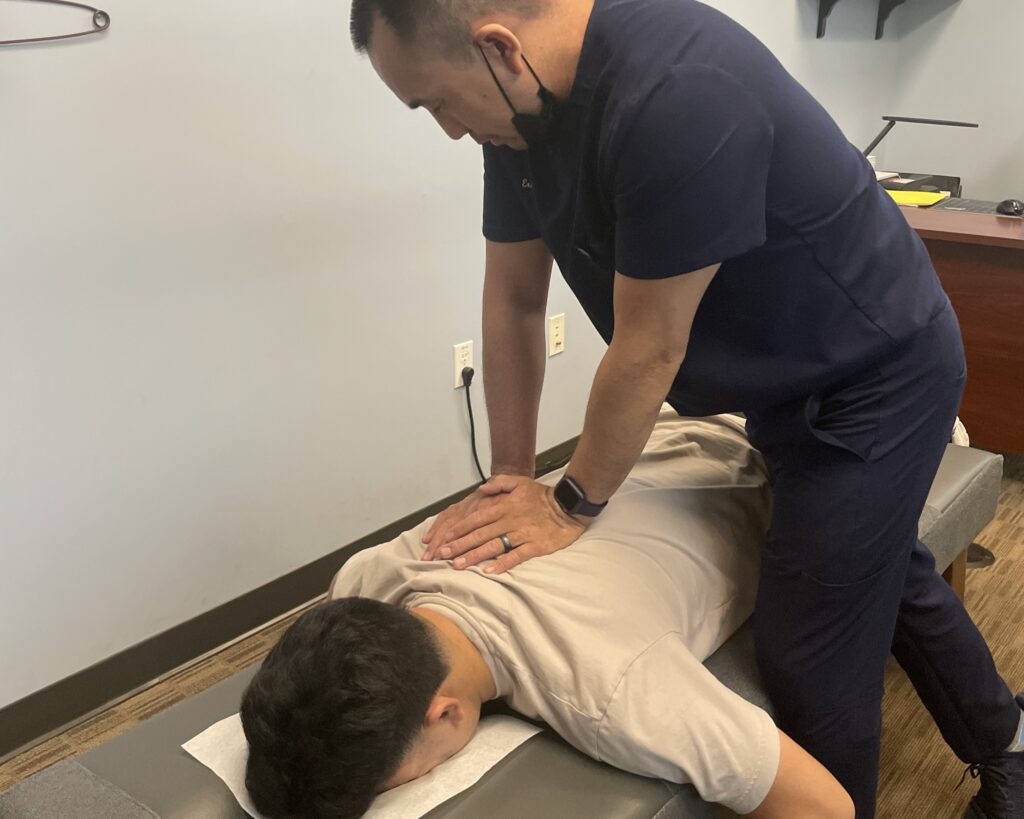
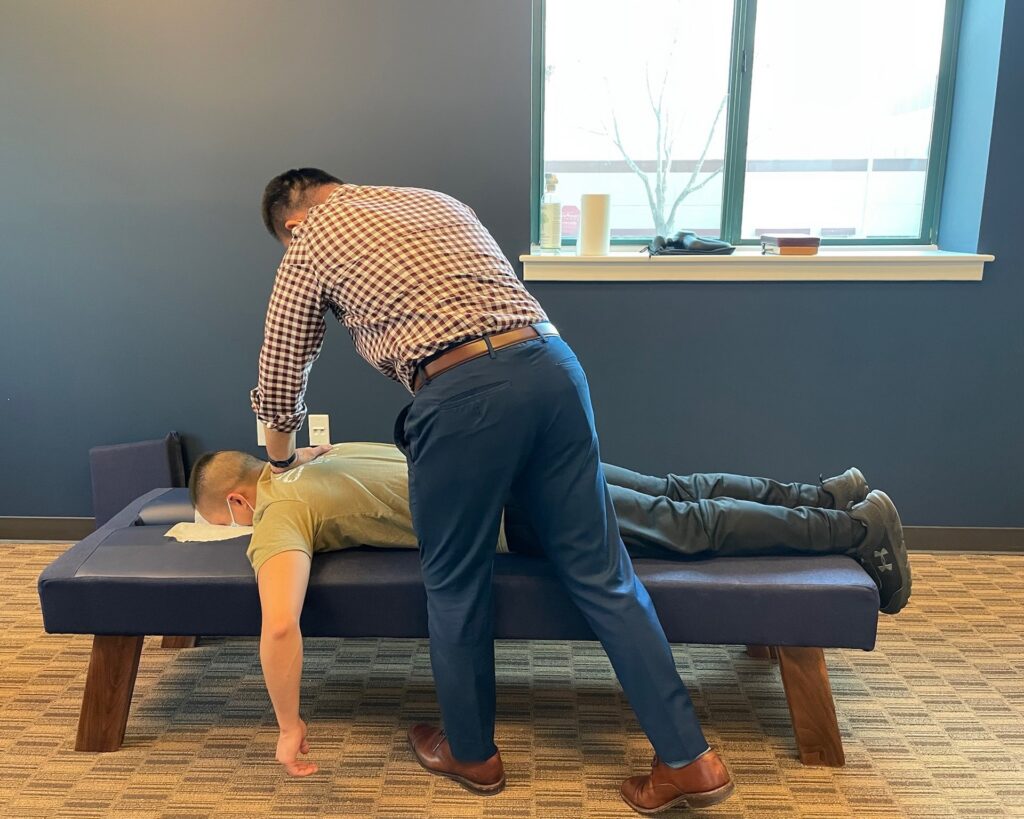
Chiropractic care is a natural and effective way to address stiffness. By focusing on spinal alignment and mobility, we can help improve your body’s function and reduce discomfort. Gentle adjustments can restore balance to your spine, which is crucial for optimal health.
In addition to chiropractic adjustments, incorporating gentle movement into your daily routine can significantly enhance your well-being. Activities like stretching, yoga, or even simple walking can keep your joints flexible and reduce stiffness. Pair this with a balanced diet rich in anti-inflammatory foods—like fruits, vegetables, and whole grains—and you’ll be on the path to better health.
Mindfulness practices, such as deep breathing or meditation, can also play a role in managing discomfort. These techniques help reduce stress, which can contribute to muscle tension and stiffness.
So, if you’re curious about how to ease your discomfort, consider these strategies:
- Regular Chiropractic Care: Schedule regular visits to your chiropractor to maintain spinal health and address any misalignments.
- Stay Active: Incorporate gentle exercises into your routine to keep your muscles and joints moving.
- Eat Well: Focus on a diet that supports inflammation reduction and overall health.
- Practice Mindfulness: Take time each day to engage in mindfulness practices that help you relax and reduce tension.
By embracing these holistic strategies, you can alleviate stiffness discomfort and enhance your overall quality of life. Remember, your path to wellness begins with a healthy spine!
Understanding Stiffness: Causes and Effects
When you experience stiffness, it can come from a variety of sources, such as muscle fatigue or even deeper issues related to your spine and overall health. Stiffness often appears after physical activity, especially if you’ve pushed your body or tried something new. It’s your body’s way of signaling that it’s time for some rest and recovery.
However, factors like dehydration, poor posture, and prolonged inactivity can also lead to that tight, uncomfortable feeling. In some instances, stiffness may point to more serious conditions like arthritis or fibromyalgia, which involve inflammation that can affect your quality of life. You may notice stiffness in specific areas, like your back or joints, indicating localized strain or injury.
Understanding these causes is crucial for effectively addressing your discomfort. Chiropractic care offers a natural approach to relieve stiffness and promote overall wellness. By focusing on spinal health, we can help improve your body’s function, reduce pain, and enhance your ability to recover.
Here are a few tips to help you manage stiffness:
- Stay Hydrated: Drinking plenty of water helps keep your muscles and joints lubricated, reducing stiffness.
- Maintain Good Posture: Be mindful of how you sit and stand. Proper alignment can prevent unnecessary strain on your spine and muscles.
- Incorporate Stretching: Gentle stretching can improve flexibility and alleviate stiffness. Consider including a daily routine to keep your muscles loose.
- Engage in Regular Movement: Avoid prolonged inactivity. Simple activities like walking or light exercises can keep your body moving and prevent stiffness.
- Listen to Your Body: If you’re feeling stiff, give yourself time to rest and recover. Your body knows what it needs.
The Role of Gentle Yoga in Relieving Stiffness
Gentle yoga can be an excellent complement to chiropractic care when it comes to easing stiffness and enhancing flexibility. As a chiropractor, I often see the benefits of incorporating gentle movements into a wellness routine. Specific yoga poses can help target areas of discomfort, promote relaxation, and support your overall spinal health.
Gentle yoga helps to stretch and strengthen the muscles that support your spine, which can lead to improved alignment and reduced tension. It’s important to remember that while yoga can be beneficial, it should be viewed as a part of a comprehensive approach to health that includes regular chiropractic adjustments. These adjustments can help restore proper function to your spine, allowing you to experience the full benefits of gentle yoga.
Here are a few gentle yoga poses that can help you find relief from stiffness:
- Child’s Pose: This pose encourages relaxation and stretches the back, helping to alleviate tension. It’s a great way to unwind after a long day.
- Cat-Cow Stretch: This dynamic movement helps to increase flexibility in the spine and relieve tension in the neck and back. It’s a simple yet effective way to warm up your spine.
- Seated Forward Bend: This pose helps stretch the hamstrings and lower back, which can be particularly beneficial if you spend a lot of time sitting.
- Gentle Twists: Twists can help improve spinal mobility and relieve stiffness in the back. Just be sure to listen to your body and avoid forcing any movements.
As you explore these poses, remember to pair your gentle yoga practice with regular chiropractic visits. Chiropractic care addresses the root causes of discomfort and supports your body in healing naturally. Together, gentle yoga and chiropractic adjustments can help you achieve optimal health and wellness.
In addition to these practices, here are some general tips to keep in mind for maintaining a healthy spine:
- Stay hydrated to keep your muscles and joints well-lubricated.
- Incorporate movement into your day, even if it’s just a short walk or some gentle stretches.
- Pay attention to your posture, especially when sitting for long periods.
- Listen to your body and take breaks when you start to feel stiff or uncomfortable.
Benefits of Gentle Yoga
Many individuals discover that practicing gentle yoga can significantly alleviate stiffness and discomfort in their bodies. This form of yoga emphasizes slow, mindful movements that not only enhance flexibility and circulation but also support spinal health.
As you transition through gentle poses, you’ll likely experience a gradual release of tension, allowing your muscles and joints to relax. Focusing on your breath during these sessions promotes relaxation, which can help reduce stress—a common contributor to stiffness.
Moreover, gentle yoga encourages body awareness, empowering you to identify areas that may need additional care. This awareness can be particularly beneficial when combined with chiropractic care, which aims to align the spine and promote optimal nerve function.
By incorporating gentle yoga into your routine alongside regular chiropractic adjustments, you can cultivate a greater sense of overall well-being. This combination may enable you to move more freely and comfortably in your daily life, enhancing your quality of life.
Here are a few tips to get started:
- Start Slow: Begin with just a few gentle poses and gradually increase the duration as your body adapts.
- Listen to Your Body: Pay attention to how you feel during and after each pose, adjusting as needed to avoid any discomfort.
- Incorporate Breathing Techniques: Focus on deep, controlled breathing to enhance relaxation and help reduce tension.
- Stay Consistent: Aim to practice regularly, even if it’s just for a few minutes each day, to maintain flexibility and support spinal health.
Recommended Poses for Relief
Incorporating specific poses into your gentle yoga practice can be a fantastic way to address areas of stiffness and discomfort, especially when complemented by chiropractic care.
Here are four recommended poses that can help alleviate tightness and promote overall wellness:
- Child’s Pose: This restorative position gently stretches the spine and hips, promoting relaxation. It can also help relieve tension in the back, making it a great complement to spinal adjustments.
- Cat-Cow Stretch: Flowing between these two poses helps warm up the back and encourages flexibility in the spine. This movement can enhance the benefits of chiropractic adjustments by maintaining spinal mobility.
- Seated Forward Bend: This pose lengthens the back and hamstrings, releasing tension in the lower body. Regularly practicing this stretch can support your chiropractic care by helping to maintain a healthy spine and reducing tightness.
- Reclined Bound Angle Pose: By opening the hips, this pose encourages relaxation and reduces stiffness. It can be particularly beneficial for those who spend long hours sitting or who experience discomfort in the pelvic area.
Integrating these poses into your routine, alongside regular chiropractic care, can significantly enhance your overall comfort and mobility.
Remember, chiropractic adjustments are designed to align your spine and promote natural healing, making it easier for your body to respond to these gentle stretches.
Together, they can be your pathway to relief and a healthier, more active lifestyle.
Mindfulness and Meditation Techniques for Pain Relief
When you’re experiencing stiffness and discomfort, incorporating mindfulness and meditation into your routine can be a valuable complement to chiropractic care. These practices can enhance your overall well-being and support your journey to optimal health.
Breath awareness techniques are a great way to connect with your body and help alleviate tension. Simply focus on your breathing—inhale deeply and exhale slowly. This not only calms your mind but also encourages your body to relax, creating a helpful environment for your spine and muscles.
Guided imagery exercises are another excellent tool. Imagine yourself in a peaceful setting, like a serene beach or a quiet forest. Visualizing relaxation can help your mind and body release stress, which is crucial for maintaining a healthy spine.
Additionally, body scan techniques can be particularly beneficial. Start at your head and slowly move down to your toes, paying attention to any areas of tension. As you identify these areas, consciously relax them. This practice promotes awareness of your body and helps you feel more at ease, supporting your chiropractic treatment.
Remember, chiropractic care focuses on the alignment of your spine and nervous system, which is essential for overall health. By combining these mindfulness techniques with regular chiropractic adjustments, you can achieve greater pain relief and enhance your natural healing process.
Prioritize your well-being by integrating these simple practices into your daily routine. Your body—and your spine—will thank you!
Breath Awareness Practices
How can simply focusing on your breath transform your experience of stiffness and discomfort? Breath awareness practices can be a powerful tool to cultivate mindfulness, reduce tension, and promote relaxation, all of which can enhance the benefits of chiropractic care.
Here are four simple techniques to incorporate breath awareness into your daily routine:
- Deep Breathing: Begin by inhaling deeply through your nose, allowing your diaphragm to expand fully. This oxygenates your body and encourages relaxation. Exhale slowly through your mouth, letting go of any tension. Repeat this several times to create a calming rhythm.
- Counted Breaths: To help you stay focused and in the moment, count each inhalation and exhalation up to ten. This practice not only centers your mind but also helps you become more aware of your body and any areas of discomfort.
- Body Scan: As you breathe, take a moment to mentally scan your body for areas of tightness or stiffness. With each exhale, visualize releasing that tension, allowing your body to relax further. This technique complements the adjustments you receive in chiropractic care, enhancing your overall sense of well-being.
- Visualization: Imagine your breath as a warm light that travels through your body, soothing and relaxing any stiff areas. This visualization can help you connect deeper with your body, supporting the healing process that chiropractic care promotes.
Incorporating these breath awareness practices into your routine can significantly ease discomfort and enhance your overall wellness.
Guided Imagery Exercises
Building on the foundation of breath awareness, guided imagery exercises can be a wonderful addition to your wellness routine, especially when paired with chiropractic care. These exercises help you manage stiffness and discomfort by allowing you to visualize calming scenes that distract your mind from pain and promote relaxation.
Imagine a warm, golden light enveloping the areas of your body that feel tight or stiff. Visualize this light loosening your muscles and easing any discomfort. As you take deep breaths, picture each exhale releasing tension, while each inhale brings in healing energy. You might even see yourself moving freely, engaging in activities you love without any restrictions.
Incorporating guided imagery into your daily routine not only calms your mind but also encourages your body to respond positively. When combined with regular chiropractic adjustments, which help restore spinal alignment and improve nerve function, you can enhance your overall well-being significantly.
Here are a few simple tips for practicing guided imagery:
- Find a Quiet Space: Choose a comfortable, quiet place where you can sit or lie down without distractions.
- Focus on Your Breath: Begin by taking a few deep breaths to center yourself. Inhale deeply through your nose and exhale slowly through your mouth.
- Visualize Calmness: Picture a scene that makes you feel relaxed, like a peaceful beach or a serene forest. Allow this imagery to fill your mind.
- Feel the Healing: As you visualize, focus on how good it feels to be free from pain and discomfort. Let that feeling wash over you.
- Practice Regularly: Set aside a few minutes each day for this practice. Consistency is key to reaping the benefits.
Body Scan Techniques
Body scan techniques can be an excellent way to foster mindfulness and alleviate discomfort, especially when combined with chiropractic care. By tuning into your body, you can identify areas of tension and promote relaxation, which is crucial for maintaining a healthy spine and overall well-being.
Here’s a straightforward guide to practicing a body scan that complements chiropractic principles:
- Find a Comfortable Position: Choose a quiet space to sit or lie down where you won’t be interrupted. This helps create an environment conducive to relaxation and mindfulness.
- Close Your Eyes: Closing your eyes can eliminate distractions and help you focus more deeply on your body’s sensations.
- Breathe Deeply: Take slow, deep breaths. This not only centers your mind but also helps reduce stress, which is essential for spinal health.
- Scan Your Body: Begin at your toes and gradually move up to your head. Notice any areas of tension or discomfort. As you identify these areas, consciously relax them. This practice can help you become more aware of your body and its needs.
Incorporating body scans into your regular routine can significantly reduce stiffness and discomfort, enhancing your overall wellness.
Herbal Remedies and Supplements for Joint Health
While many individuals look to conventional treatments for joint discomfort, it’s important to recognize that chiropractic care can be an effective natural alternative that supports joint health and overall wellness. By focusing on spinal alignment and mobility, chiropractic adjustments can help alleviate pain and improve joint function.
In addition to chiropractic care, incorporating natural remedies into your daily routine can further support joint health. For instance, turmeric, with its active compound curcumin, is celebrated for its anti-inflammatory properties and may help reduce pain.
Ginger, a well-known natural remedy, has been used for centuries to ease joint stiffness and promote flexibility. Boswellia, also known as Indian frankincense, may be beneficial for enhancing mobility and reducing inflammation in the joints.
Similarly, supplements like glucosamine and chondroitin can aid in the repair of cartilage and support joint function, while omega-3 fatty acids found in fish oil may help diminish inflammation and stiffness.
It’s always a good idea to consult with a healthcare professional before trying new remedies or supplements, especially if you’re currently under chiropractic care. Your chiropractor can provide tailored advice on dosages and how to best integrate these natural options into your wellness routine.
Incorporating regular chiropractic adjustments, staying active with gentle exercises, and maintaining a balanced diet rich in anti-inflammatory foods can empower you to manage joint discomfort more effectively.
Nutritional Strategies to Combat Stiffness
Proper nutrition is a vital component of managing stiffness and enhancing joint health, and it can complement the benefits of chiropractic care. What you eat has a significant impact on inflammation and discomfort in your joints, and understanding this can empower you to make healthier choices. Here are some nutritional strategies to consider:
- Omega-3 Fatty Acids: Incorporate fatty fish, like salmon, and walnuts into your diet. These foods are known for their ability to help reduce inflammation, supporting your chiropractic treatments and overall joint health.
- Antioxidant-Rich Foods: Load up on colorful fruits and vegetables, such as berries and leafy greens. These foods are packed with antioxidants that combat oxidative stress and can help your body heal naturally, enhancing the effectiveness of your chiropractic adjustments.
- Turmeric and Ginger: These spices aren’t just flavorful; they contain natural compounds that may alleviate inflammation. Try adding them to your meals to support your body’s healing processes alongside your chiropractic care.
- Hydration: Staying well-hydrated is essential for joint lubrication and overall health. Drinking plenty of water can help maintain the fluid balance in your joints, making it easier for your chiropractor to perform adjustments and improve your mobility.
By focusing on these nutritional strategies, you can complement the benefits of chiropractic care and take significant steps toward a healthier, pain-free life.
The Importance of Regular Movement and Stretching
Incorporating regular movement and stretching into your daily routine is essential for maintaining joint flexibility and reducing stiffness, especially for your spine. As a chiropractor, I want to emphasize how keeping your body active encourages blood flow to your muscles and joints, which can significantly alleviate discomfort and enhance your overall well-being. Activities like walking, cycling, or swimming aren’t only enjoyable but can also help keep your spine healthy and pain-free.
Stretching plays a crucial role in spinal health as well. It helps lengthen muscles and maintain their elasticity, which is vital for proper alignment and function of your spine. You don’t need to dedicate hours to stretching; just a few minutes each day can yield significant benefits. Focus on gentle stretches targeting key areas that often feel tight, such as your back, shoulders, and hips. Simple movements like gentle neck rolls or shoulder shrugs can make a world of difference.
It’s important to listen to your body. If something feels uncomfortable, ease into it gradually. Developing a consistent routine of movement and stretching won’t only help you feel better physically but can also enhance your overall well-being.
Remember, chiropractic care is an excellent way to support your journey towards optimal health. Regular adjustments can help ensure that your spine is aligned, which can make movement and stretching more effective.
Conclusion
Incorporating holistic approaches can significantly enhance your comfort and overall well-being, especially when it comes to alleviating stiffness. Understanding the underlying causes of stiffness is crucial, and this is where chiropractic care shines. By addressing spinal alignment and function, chiropractic adjustments can help relieve tension and improve mobility.
Gentle yoga is a fantastic complement to chiropractic care. It encourages flexibility and helps you connect with your body, making it easier to recognize and address stiffness. Additionally, practicing mindfulness can enhance your awareness of how your body feels, allowing you to respond proactively to discomfort.
Herbal remedies can also play a role in your wellness journey. However, remember that these should be seen as supportive measures alongside the foundational benefits of chiropractic care. Nutrition is another key element; a balanced diet rich in anti-inflammatory foods can help reduce stiffness and promote healing.
Regular movement is essential too—aim for activities that keep your body engaged without overexerting yourself. Start small, listen to your body, and gradually incorporate these practices into your routine. Your journey to comfort can begin with these mindful choices, all while prioritizing chiropractic care as your primary avenue for achieving optimal health and natural relief. Embrace these tips, and take proactive steps towards a more flexible and pain-free life!