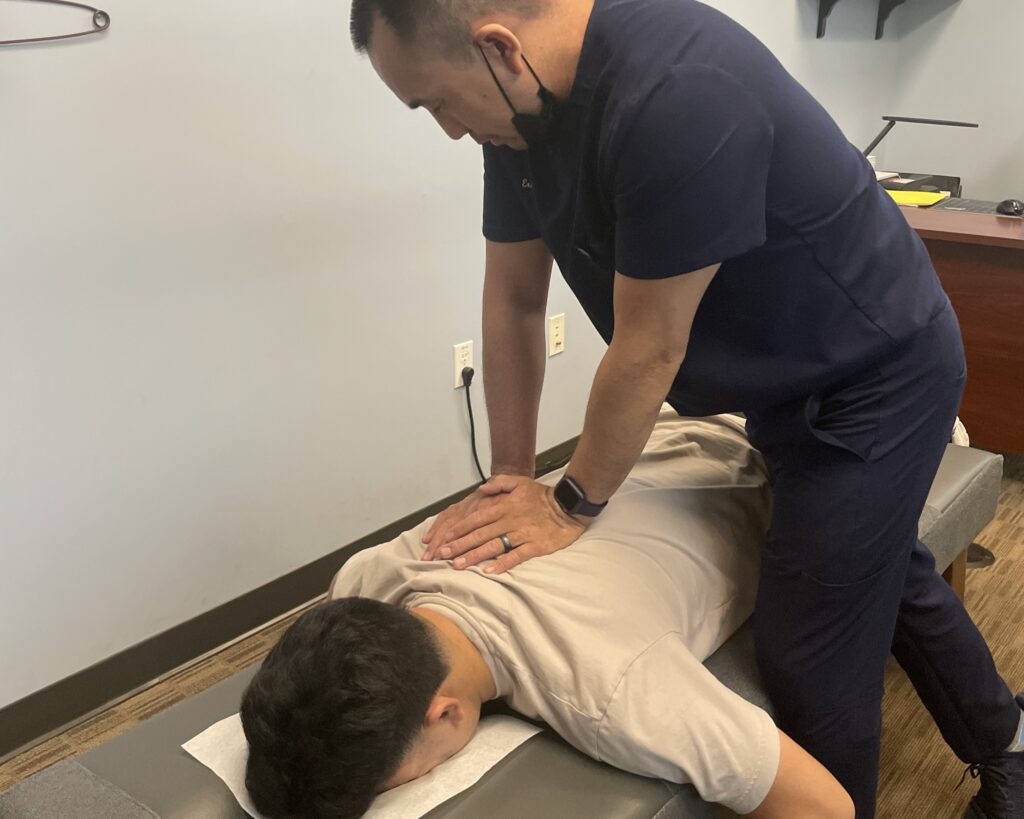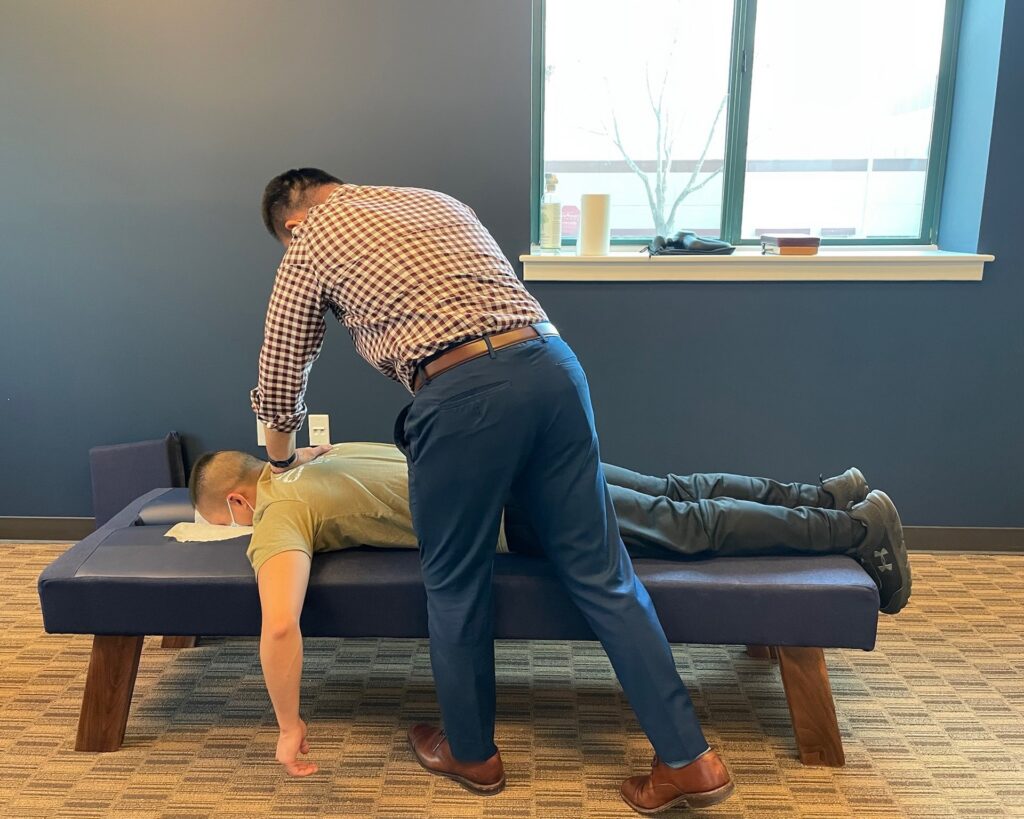
As a local chiropractor, I often see patients who are struggling with chronic back pain and are looking for effective relief. If you’ve been dealing with this discomfort, I encourage you to consider a holistic approach to your care. This method goes beyond traditional treatments and focuses on the whole person—mind, body, and spirit.
Incorporating mindful movement into your daily routine can greatly enhance your physical well-being. Activities like yoga or gentle stretching can help improve flexibility and strengthen the muscles that support your spine. Additionally, making dietary changes can play a significant role in reducing inflammation and promoting overall health.
Stress management is another crucial component. Chronic stress can exacerbate back pain, so finding techniques that work for you—like meditation, deep breathing exercises, or even regular chiropractic adjustments—can help you manage stress effectively.
By integrating these elements, you can empower yourself to address the root causes of your back pain rather than just masking the symptoms. If you’re curious about how these aspects of holistic care work together, I invite you to explore the various facets of chiropractic solutions. Together, we can transform your pain management journey into one that leads to lasting relief and improved quality of life.
Understanding Chronic Back Pain
As a local chiropractor, I want to shed light on chronic back pain and how we can address it through natural healing methods. Chronic back pain can be incredibly debilitating, often persisting for months or even years. Many of you may struggle with daily tasks, and this discomfort can significantly diminish your quality of life.
Understanding the underlying causes of your pain is essential. It may arise from injuries, poor posture, or even stress—often, it’s a combination of these factors that leads to ongoing discomfort.
It’s not uncommon for certain activities to worsen your pain, while others may offer temporary relief. By recognizing these patterns, we can work together to develop effective management strategies tailored to your needs. Listening to your body is crucial; understanding what alleviates your symptoms and what exacerbates them can empower you to take control of your health.
Common signs of chronic back pain include stiffness, shooting pains, or a persistent ache. By becoming more attuned to your body’s signals and triggers, you can take proactive steps toward relief.
Chiropractic care focuses on addressing the root causes of pain, promoting natural healing, and improving your overall well-being. Together, we can explore methods to regain control over your daily life and enhance your quality of life.
The Role of Mindful Movement Practices
As a local chiropractor, I want to emphasize the importance of integrating mindful movement practices into your daily routine to enhance your back health. Many patients often feel overwhelmed by pain, but activities such as yoga, tai chi, or even simple stretching can truly make a difference. These practices promote flexibility and strengthen your core, which plays a crucial role in supporting your spine.
When you engage in mindful movement, you’re not merely exercising; you’re also taking steps to reduce stress and anxiety that can exacerbate discomfort. By focusing on your body’s movements and sensations, you become more aware of where you might be holding tension. This awareness is key to your overall well-being.
Breathing deeply and moving with intention creates a calming effect that can alleviate pain. Additionally, improving your posture through these practices is essential for preventing future back issues.
Nutritional Adjustments for Pain Management
As a chiropractor, I want to emphasize the significant role nutrition plays in managing back pain. What you choose to eat can greatly impact your body’s ability to heal and reduce inflammation.
Incorporating anti-inflammatory foods into your diet, staying well-hydrated, and ensuring you receive the essential vitamins and minerals can make a substantial difference in your pain levels.
Let’s dive into how these nutritional adjustments can support your body and help alleviate your discomfort. By making mindful choices about your diet, you can enhance the effectiveness of the chiropractic care you receive and promote a healthier, pain-free lifestyle.
Anti-inflammatory Foods Selection
As your local chiropractor, I want to share with you how incorporating anti-inflammatory foods into your diet can play a crucial role in managing back pain and enhancing your overall wellness.
When you think about your meals, consider including foods rich in omega-3 fatty acids, such as salmon, walnuts, and flaxseeds. These foods are known to help reduce inflammation in the body, which can lead to significant pain relief and promote healing.
In addition, leafy greens like spinach and kale are packed with antioxidants that not only support your overall health but might also help alleviate discomfort.
Berries are another excellent choice; they’re high in vitamins and possess strong anti-inflammatory properties that can benefit you.
Don’t overlook the power of spices like turmeric and ginger. These natural ingredients are recognized for their pain-relieving effects and can be easily added to your cooking.
Also, consider using olive oil in your meals; it contains healthy fats that help combat inflammation, making it a great alternative to less healthy oils.
By making these simple dietary adjustments, you can support your chiropractic care and take significant steps toward a more comfortable, pain-free life.
Hydration and Joint Health
As your local chiropractor, I want to emphasize the often-overlooked connection between hydration and joint health, especially for those of you who may not be familiar with how it impacts your overall well-being.
Proper hydration is crucial for maintaining the synovial fluid in your joints. This fluid acts as a natural lubricant, reducing friction and promoting smooth movement. When you’re not drinking enough water, your body struggles to produce adequate synovial fluid, which can lead to stiffness and an increase in pain.
I recommend aiming for at least eight glasses of water each day. You can also boost your hydration by including water-rich foods like cucumbers and oranges in your meals.
Additionally, it’s important to consider electrolytes, as they play a vital role in muscle function and hydration, particularly after physical activity.
By prioritizing your hydration, you’re not just benefiting your joints; you may also find relief from discomfort in your back and other areas of your body.
Vitamins for Muscle Support
As a local chiropractor, I want to emphasize the often-overlooked importance of vitamins in supporting your muscles and managing pain effectively. One of the key players in this is Vitamin D; it’s crucial for muscle function and can significantly help reduce pain by enhancing muscle strength.
Additionally, B vitamins, particularly B12, are vital for maintaining nerve health and minimizing discomfort. Don’t forget about Vitamin C, which is essential for collagen production—this is critical for repairing both muscles and joints.
Incorporating these important vitamins into your diet can be quite simple. Focus on eating a variety of fruits, vegetables, and lean proteins to ensure you’re getting enough. For those who find it challenging to meet their nutritional needs through diet alone, a balanced multivitamin can be a helpful supplement.
However, I always recommend consulting with a healthcare professional before making any significant changes to your diet.
By prioritizing these essential nutrients, you can’t only enhance your muscle support but also potentially alleviate some of your back pain. Remember, chiropractic care works best when combined with a holistic approach to health, including nutrition.
Let’s work together to help you feel your best!
Stress Management Techniques
As a local chiropractor, I want to emphasize the importance of managing stress in relation to alleviating back pain. Stress can significantly exacerbate your discomfort, leading to increased tension in your muscles and spine.
That’s why incorporating stress management techniques into your wellness routine is vital.
Practices such as mindfulness meditation, deep breathing exercises, and progressive muscle relaxation can be incredibly effective in helping you find a state of calm and reducing tightness in your body.
These methods not only promote relaxation but also support your overall pain management journey.
Let’s dive deeper into how these natural healing practices can complement your chiropractic care and enhance your well-being.
Together, we can work towards a healthier, more pain-free life.
Mindfulness Meditation Practices
As a local chiropractor, I want to share how mindfulness meditation practices can be an effective complement to your chiropractic care, especially if you’re dealing with stress-related back pain.
Stress can lead to muscle tension and discomfort, and by focusing on the present moment, you can cultivate a sense of calm that helps alleviate that tension.
Here are some techniques you can easily incorporate into your daily routine:
- Body Scan: This practice involves focusing your attention on various parts of your body, which can help you identify areas of tension or discomfort. By recognizing these sensations, you can better understand how stress affects your body.
- Guided Meditation: Utilizing apps or audio recordings can provide you with structured relaxation techniques, guiding you through visualizations that promote a sense of peace and tranquility. This can be particularly helpful after a chiropractic adjustment.
- Mindful Breathing: This simple yet powerful technique encourages you to focus on your breath. By inhaling deeply and exhaling slowly, you can activate your body’s relaxation response, which may improve your overall well-being and reduce pain.
- Loving-Kindness Meditation: This practice encourages you to cultivate positive feelings towards yourself and others. By fostering a sense of connection and compassion, you can enhance your emotional health, which is closely linked to physical health.
Integrating these mindfulness practices into your lifestyle can significantly help in managing stress levels, supporting your chiropractic treatment, and potentially easing your back pain.
Deep Breathing Exercises
As a local chiropractor, I want to share with you the benefits of deep breathing exercises, particularly for those experiencing back pain. These exercises can be a valuable addition to your wellness routine and help manage stress effectively.
When you focus on your breathing, you can create a soothing effect that alleviates tension in both your mind and body, which is essential for overall health.
To get started, find a comfortable position—whether sitting or lying down. Take a deep breath in through your nose, allowing your abdomen to rise fully as you fill your lungs. Hold that breath for a moment, and then slowly exhale through your mouth.
Repeat this process for several minutes, concentrating on each breath. As you breathe, I encourage you to visualize the tightness in your back melting away.
Incorporating deep breathing into your daily routine can significantly lower stress levels, enhance relaxation, and ultimately aid in pain management.
As we focus on holistic approaches to healing, remember that combining deep breathing with chiropractic adjustments can lead to a more balanced and pain-free life.
Progressive Muscle Relaxation
As a local chiropractor dedicated to promoting natural healing and wellness, I want to share an effective technique for stress management that can complement your chiropractic care: Progressive Muscle Relaxation (PMR).
This method is particularly beneficial for reducing tension and fostering relaxation throughout your body. By consciously tensing and then relaxing various muscle groups, you can enhance your awareness of physical sensations and effectively alleviate stress.
Here’s how to practice PMR effectively:
- Find a quiet space where you won’t be disturbed, allowing your mind and body to focus.
- Sit or lie down comfortably, ensuring that your body is well-supported to enhance relaxation.
- Start from your toes, tensing each muscle group for about 5 seconds, then allow them to relax completely.
- Gradually work your way up to your head, paying attention to each area as you go.
Incorporating PMR into your daily routine can significantly enhance your overall well-being and complement the benefits of chiropractic adjustments, especially in relieving back pain.
The Benefits of Alternative Therapies
As a local chiropractor, I want to shed light on how chiropractic care and alternative therapies can provide a holistic approach to managing back pain. While many people often rely on medications and surgical interventions, these methods can sometimes overlook the underlying issues contributing to pain.
Chiropractic care, along with therapies like acupuncture and yoga, focuses on not only relieving physical discomfort but also addressing the emotional aspects of pain. Chiropractic adjustments help to realign the spine and improve your body’s function, which can significantly reduce tension and enhance your overall well-being.
By targeting the root causes of your pain instead of just masking the symptoms, chiropractic care can lead to more sustainable relief and improved quality of life. One of the remarkable benefits of these therapies is how they foster a deeper connection between the mind and body.
You may find that as we work together to alleviate your pain, you’re better equipped to manage stress and anxiety that often accompany it. Many patients express a newfound sense of empowerment and control over their health after exploring these natural healing methods.
Moreover, chiropractic care often encourages lifestyle changes that can lead to long-term improvements. By incorporating these approaches into your daily routine, you can create a more balanced and fulfilling life, free from the constraints of back pain.
If you’re curious about how chiropractic care can benefit you, I invite you to reach out and learn more about how we can work together towards your wellness goals.
Creating a Personalized Holistic Plan
As a local chiropractor, I want to emphasize the importance of addressing back pain through a personalized holistic plan that’s tailored to your individual needs and lifestyle.
It’s essential to start by assessing your current situation, so we can pinpoint what strategies are effective for you and which ones might need adjustment.
Here are some key components that can be beneficial to incorporate into your plan:
- Physical Activity: It’s crucial to engage in exercises that can strengthen your back safely. I can guide you through tailored exercises that focus on building strength without putting undue strain on your body.
- Nutrition: Eating a diet rich in anti-inflammatory foods can significantly support your overall health and aid in pain management. I can provide recommendations on foods that may help reduce inflammation and promote healing.
- Mindfulness Practices: Activities such as yoga and meditation can be incredibly beneficial for reducing stress and promoting relaxation. These practices can enhance your overall well-being and complement your chiropractic care.
- Therapeutic Treatments: I encourage you to explore various therapeutic options, such as acupuncture or chiropractic adjustments, which can align with your preferences and holistic approach to healing.
These treatments can work in harmony with your personal plan to alleviate pain and improve mobility.
Together, we can develop a comprehensive strategy that not only addresses your back pain but also enhances your overall health and quality of life.
Conclusion
As your local chiropractor, I want to share how incorporating holistic solutions into your daily routine can significantly enhance your experience with back pain. By embracing mindful movement, making conscious dietary choices, and effectively managing stress, you’re not just covering up the discomfort; you’re addressing the underlying issues that contribute to it.
It’s essential to find the right balance, so I encourage you to explore a variety of practices and therapies that resonate with you. Whether it’s gentle stretching, yoga, or specific nutritional adjustments, each step can bring you closer to relief.
With a tailored plan that considers your unique needs, you can take charge of your health, paving the way for lasting relief and an improved overall quality of life. Remember, chiropractic care is not just about immediate pain relief; it’s about fostering long-term wellness. Let’s work together to find the best approach for you!