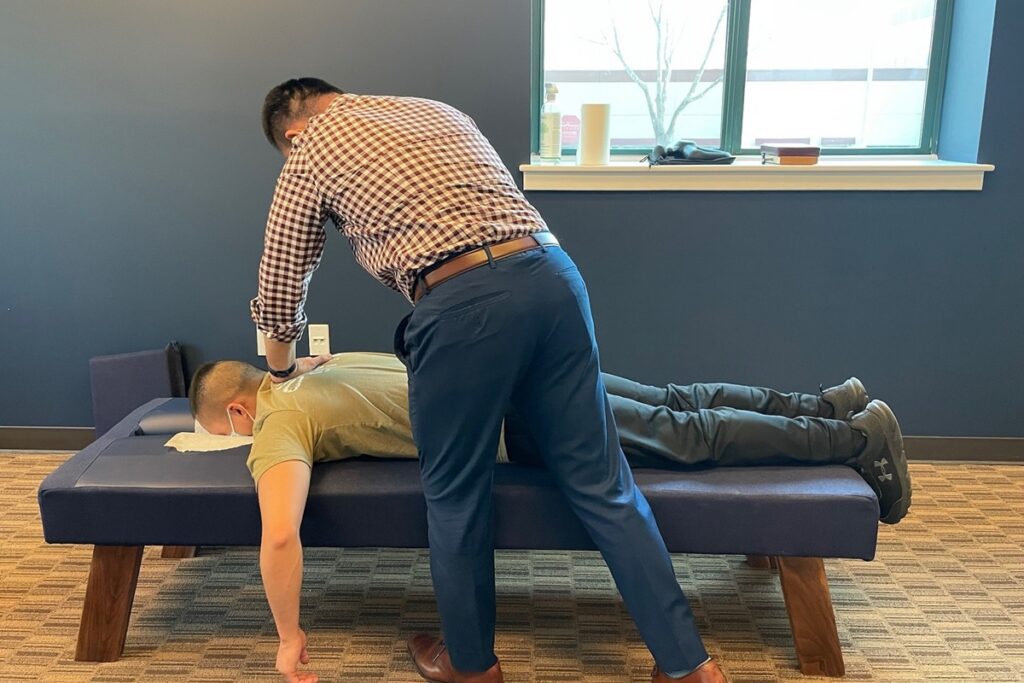
If you’re experiencing chronic headaches, determining how often to visit a chiropractor can be a bit challenging. Regular chiropractic appointments are essential for monitoring your condition, alleviating pain, and promoting overall well-being. But how do you know when it’s time to schedule a visit? Understanding your unique situation is crucial, and several factors can influence the frequency of your chiropractic sessions.
First, consider the nature of your headaches. Are they tension headaches, migraines, or another type? Each may respond differently to chiropractic care. Many patients find relief through spinal adjustments, which can help align the spine and reduce tension in the neck and shoulders—common culprits of headache pain.
As a general guideline, if you’re experiencing frequent headaches, you might benefit from visiting your chiropractor once a week or every other week initially. This allows for consistent care and helps your chiropractor adjust your treatment plan based on your progress. Over time, as your headaches become more manageable, you may be able to reduce the frequency of your visits.
It’s also important to communicate openly with your chiropractor about your symptoms. They can provide personalized recommendations tailored to your needs. If you notice changes in the intensity or frequency of your headaches, don’t hesitate to reach out for additional support.
Incorporating some simple lifestyle changes can also complement your chiropractic care. Stay hydrated, manage stress through relaxation techniques, and maintain good posture throughout the day. These small adjustments can make a significant difference in your overall health and help prevent headaches.
Remember, chiropractic care is a natural and effective way to achieve optimal health and wellness. By prioritizing your spinal health, you can take proactive steps toward eliminating headaches and enhancing your quality of life.
Key Takeaways
- For optimal headache management, I recommend scheduling regular chiropractic appointments every three to six months. This allows us to monitor your progress and adjust your care as needed.
- If you notice any changes in your headache patterns or if over-the-counter remedies don’t seem to help anymore, please reach out to me sooner. It’s important to stay on top of any shifts in your health.
- Open communication is key! Let me know about any significant changes in how often you experience headaches or how intense they feel. This information helps us work together to find the best solutions.
- By being proactive and coming in for visits, we can identify potential headache triggers and create tailored lifestyle recommendations that can help prevent future headaches.
- Always trust your instincts. If you experience severe, persistent, or unusual headaches, seeking professional care is essential. Chiropractic care is a natural, effective option that focuses on your overall wellness and spinal health, helping you achieve lasting relief and a better quality of life.
Remember, your health is your wealth! Take charge of it with regular chiropractic care, and let’s work together for a headache-free future.
Understanding Different Types of Headaches
When you experience a headache, it’s important to remember that not all headaches are the same, and understanding the differences can help you find relief. There are various types of headaches, each with unique causes and symptoms.
For example, tension headaches are the most common, often triggered by stress or muscle tension. You may feel a dull, aching sensation that wraps around your head, indicating that your body might be in need of some relaxation and care.
Migraines can be particularly debilitating, often accompanied by nausea or sensitivity to light. If you’ve ever experienced a throbbing pain, this could be a migraine. These headaches can be intense, but chiropractic care can help alleviate the discomfort by addressing the underlying issues in your spine and nervous system.
Cluster headaches, although less common, are known for their severe intensity and tend to occur in cycles, usually affecting one side of your head. If you suffer from these types of headaches, seeking chiropractic treatment can be beneficial, as it focuses on restoring balance and reducing tension in the body.
Sinus headaches arise from sinus infections or allergies, causing pressure and discomfort in your forehead and cheeks. Chiropractic adjustments can help improve drainage and reduce inflammation, potentially easing your symptoms naturally.
Recognizing the different types of headaches can empower you to manage your symptoms more effectively. Here are some general tips for headache relief:
- Stay Hydrated: Dehydration can contribute to headaches, so make sure to drink plenty of water throughout the day.
- Practice Good Posture: Maintaining proper posture can reduce muscle tension in the neck and shoulders, which may help prevent tension headaches.
- Incorporate Stretching: Gentle neck and shoulder stretches can alleviate tightness and promote relaxation.
- Consider Chiropractic Care: Regular adjustments can help maintain spinal health, reduce tension, and promote overall wellness.
By understanding your headaches and exploring natural ways to relieve them, you can take significant steps toward achieving optimal health and wellness.
If your headaches persist, consider consulting with a chiropractor who can provide personalized care and support tailored to your needs.
Identifying Headache Triggers
Identifying headache triggers is crucial for managing your pain naturally and effectively, as understanding what sparks your headaches can empower you to take preventive steps. A great starting point is to keep a headache diary. In this diary, note when your headaches occur, how intense they are, and any other symptoms you experience. It’s helpful to jot down what you ate, how much water you consumed, and your stress levels for that day.
Some common headache triggers include certain foods, dehydration, lack of sleep, and stress. You may also notice that specific activities—like intense exercise or being around bright lights—can contribute to your discomfort.
After you begin to recognize patterns in your headache diary, you can take proactive steps to avoid these triggers or reduce their impact. For instance, if you find that stress plays a significant role in your headaches, consider incorporating relaxation techniques into your daily routine, such as deep breathing exercises, yoga, or gentle stretching.
Chiropractic care is an excellent way to address headaches and promote overall wellness. Regular adjustments can help align your spine, reduce tension, and improve your body’s ability to manage pain naturally. By focusing on holistic approaches to health, you can decrease the frequency and severity of your headaches, leading to a better quality of life.
Remember, living a healthier lifestyle can also play a key role in headache management. Make sure to stay hydrated, prioritize sleep, and incorporate regular physical activity into your routine.
Recognizing Symptoms That Require Medical Attention
Understanding your headache triggers is a great first step toward managing your overall health and wellness. However, it’s just as important to recognize when your symptoms may require professional attention. If you notice that your headaches are becoming more severe or frequent, it may be time to consult with a chiropractor who can help identify underlying issues and provide natural, effective solutions.
If your headaches are accompanied by neurological symptoms like confusion, changes in vision, or difficulty speaking, don’t hesitate to seek help right away. These symptoms can be serious, and a chiropractor can assess your condition and guide you toward a holistic approach to relief.
It’s also essential to pay attention to persistent headaches that don’t respond to typical at-home remedies or those that wake you from sleep. These could indicate that your body needs a deeper examination. Headaches that follow an injury or come with symptoms such as fever, a stiff neck, or rash should be addressed carefully. While these could signal more significant issues, a chiropractor can often help alleviate the tension and discomfort that may be contributing to your headaches.
Remember, if something doesn’t feel right, trust your instincts and reach out to a healthcare professional. Chiropractic care focuses on addressing the root cause of pain and discomfort, promoting natural healing through spinal alignment and overall wellness strategies.
Here are some simple tips to manage headaches naturally:
- Stay Hydrated: Dehydration can lead to headaches, so make sure you’re drinking enough water throughout the day.
- Maintain Good Posture: Poor posture can strain your neck and back, contributing to headaches. Be mindful of your posture, especially when sitting for long periods.
- Practice Stress Management: Techniques such as deep breathing, meditation, or gentle yoga can help relieve tension that may trigger headaches.
- Regular Chiropractic Adjustments: Regular visits to a chiropractor can help maintain spinal health, reduce tension in the neck and shoulders, and prevent headaches from occurring.
Your well-being is worth it, and incorporating chiropractic care into your wellness routine can make all the difference in managing headaches effectively and promoting a healthier, pain-free lifestyle.
Recommended Frequency of Doctor Visits
While it might be tempting to wait until headaches become unbearable, regular visits to your chiropractor can be a game changer in managing your symptoms effectively. Ideally, you should schedule appointments every three to six months if you’re experiencing chronic headaches. This frequency allows your chiropractor to monitor changes in your condition, adjust your care plan, and discuss any new symptoms that may arise.
Chiropractic care focuses on the alignment of your spine, which can have a significant impact on your overall health and well-being. If you notice significant changes in your headache patterns or if over-the-counter remedies aren’t providing relief, it’s a great idea to see your chiropractor sooner. They can help identify potential triggers related to your posture, daily habits, or stress levels and recommend natural lifestyle changes tailored to your needs.
Here are some general tips to help manage headaches naturally:
- Stay Hydrated: Dehydration can often lead to headaches. Aim to drink plenty of water throughout the day.
- Maintain Good Posture: Poor posture can lead to tension in your neck and shoulders, contributing to headaches. Be mindful of your posture, especially if you spend long hours at a desk.
- Practice Relaxation Techniques: Stress can be a major trigger for headaches. Techniques such as deep breathing, meditation, or yoga can help reduce stress levels.
- Get Regular Exercise: Physical activity can help improve blood flow and reduce tension, which may help decrease the frequency and intensity of headaches.
- Prioritize Sleep: Ensure you’re getting enough quality sleep, as fatigue can aggravate headache symptoms.
When to Seek Emergency Care for Headaches
Understanding when to seek emergency care for headaches is crucial, especially when considering how chiropractic care can support your overall health and wellness. While many headaches can be managed through natural methods, there are specific situations where immediate attention is necessary.
If you experience a sudden, intense headache that feels like a thunderclap, it’s important to seek help right away. This type of headache can be a sign of a more serious issue, such as a brain aneurysm or meningitis.
Pay attention to any additional symptoms like confusion, difficulty speaking, or changes in vision. These can be warning signs that your body needs immediate care. If your headache occurs after a head injury, particularly if it becomes worse over time, it’s essential to get assessed by a healthcare professional.
Other red flags include headaches accompanied by fever, a stiff neck, or a rash, as these symptoms could indicate a more urgent medical condition. If you’ve never experienced headaches before and suddenly find yourself with frequent or severe pain, don’t hesitate to seek care.
While chiropractic care is a fantastic way to manage and alleviate headache pain through natural, holistic methods, your health should always come first. Trust your instincts and listen to your body.
In addition to knowing when to seek help, consider some general tips for headache relief: stay hydrated, maintain a balanced diet, practice good posture, and incorporate relaxation techniques such as deep breathing or gentle stretches.
These practices can help support your overall well-being and potentially reduce the frequency and intensity of headaches. Remember, chiropractic care is here to support your journey to optimal health!
Conclusion
To sum up, managing chronic headaches is crucial for your overall well-being. Regular visits to your chiropractor every three to six months can play a significant role in monitoring your headaches and adjusting your care plan as necessary. Chiropractic care focuses on aligning your spine and improving your nervous system function, which can help alleviate headache pain naturally.
If you notice changes in the frequency or severity of your headaches, or if over-the-counter remedies aren’t providing relief, it’s important to consult your chiropractor sooner rather than later. Being proactive in your care can help identify potential triggers and improve your quality of life.
In addition to regular chiropractic visits, here are some simple tips to manage headaches:
- Stay Hydrated: Dehydration can often lead to headaches, so make sure you’re drinking enough water throughout the day.
- Maintain Good Posture: Poor posture can strain your neck and back, contributing to headaches. Be mindful of your posture, especially when sitting at a desk or using your phone.
- Practice Relaxation Techniques: Stress can trigger headaches, so consider incorporating relaxation practices like deep breathing, yoga, or meditation into your daily routine.
- Get Regular Exercise: Gentle exercises can help reduce tension and improve circulation, which may alleviate headache discomfort.
- Prioritize Sleep: Ensure you’re getting enough restful sleep each night, as lack of sleep can worsen headache symptoms.
Take charge of your health by scheduling those chiropractic appointments and implementing these tips into your daily life. With chiropractic care as a foundation, you can work towards a pain-free, healthier lifestyle!