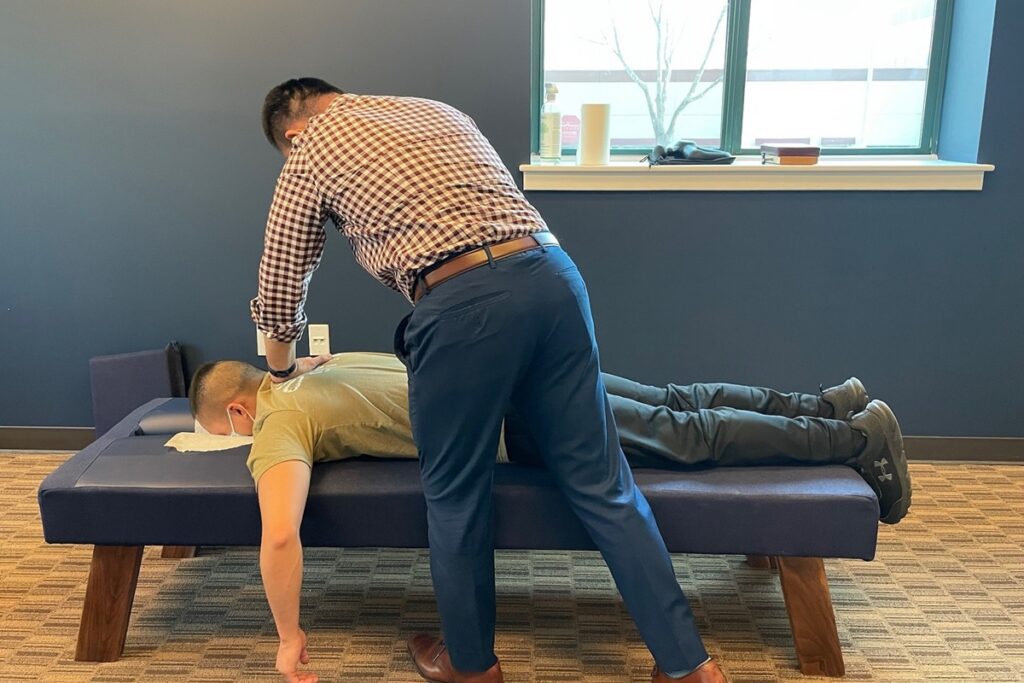
If you’re dealing with migraines that are connected to neck pain, know that you’re not alone in this struggle. Many individuals find themselves facing this challenging relationship. Fortunately, there are effective strategies that can help alleviate both issues. As a chiropractor, I believe that chiropractic care is one of the best ways to find relief naturally without resorting to medications or surgeries.
One of the key approaches is to incorporate gentle stretching techniques aimed at easing tension in your neck and shoulders. Simple stretches can help improve flexibility and reduce muscle tightness, which may contribute to your migraines. Additionally, making ergonomic adjustments in your workspace can play a significant role in minimizing neck strain. This includes ensuring that your computer screen is at eye level and using a chair that provides proper support.
Chiropractic care focuses on aligning the spine and relieving nerve pressure, which can be a major factor in headaches and neck pain. Regular visits to a chiropractor can help restore proper function to your spine and promote overall wellness. This natural healing approach can lead to fewer migraines and reduced neck discomfort over time.
Incorporating relaxation techniques such as deep breathing exercises or mindfulness meditation can also be beneficial. These practices can help reduce stress, which is often a trigger for migraines.
Ultimately, understanding how to integrate these strategies into your daily routine is key to improving your overall well-being. By prioritizing chiropractic care and making small lifestyle adjustments, you can take significant steps toward alleviating migraines and neck pain naturally. Embrace these changes, and you’ll be on the path to a healthier, pain-free life.
Understanding the Connection Between Neck Pain and Migraines
Neck pain might be more than just a nuisance; it can actually trigger migraines for many individuals. It’s important to understand that tension in your neck can lead to increased pressure in your head, which may set off those painful headaches.
When your neck muscles are tight or strained, they can irritate nearby nerves, potentially contributing to the onset of migraines. One common culprit for neck pain is poor posture, particularly from spending long hours in front of screens. This can exacerbate tension in your neck, making you more susceptible to migraines.
You may notice that when your neck is hurting, your head often feels the effects too. Recognizing this connection is essential, as it can empower you to take proactive steps toward relief. Chiropractic care is an excellent approach to addressing neck pain and, in turn, may help reduce the frequency or intensity of your migraines.
By focusing on spinal alignment and muscle balance, a chiropractor can help alleviate tension in your neck and promote overall wellness. In addition to seeking chiropractic care, here are some simple tips you can incorporate into your daily routine to support neck health:
- Practice Good Posture: Ensure your workstation is ergonomically set up to minimize strain on your neck. Keep your monitor at eye level and take regular breaks to stretch.
- Stay Hydrated: Drinking enough water can help maintain muscle function and reduce tension.
- Gentle Stretching: Incorporate gentle neck stretches into your day to relieve tension. Simple movements like tilting your head side to side can make a big difference.
- Mindfulness and Relaxation Techniques: Stress can contribute to muscle tension. Techniques like deep breathing, yoga, or meditation can help relax your body and mind.
By being aware of the connection between neck pain and migraines and taking steps to address neck discomfort, you can move towards better overall health and well-being.
Effective Stretching Techniques for Neck Relief
When you’re experiencing neck pain, incorporating gentle neck stretches can significantly help alleviate discomfort. However, it’s important to remember that these stretches work best in conjunction with chiropractic care, which focuses on the health of your spine and overall well-being.
As a chiropractor, I often emphasize the importance of posture correction exercises to support your neck and reduce tension.
Let’s explore some effective techniques that can’t only relieve discomfort but also promote natural healing and potentially ease migraine symptoms.
- Gentle Neck Stretches: Start with simple stretches like tilting your head from side to side or gently rolling your shoulders. These movements can help increase flexibility and reduce tightness in the neck muscles.
- Posture Awareness: Maintaining good posture while sitting or standing can drastically improve your neck health. Keep your shoulders back and your ears aligned with your shoulders. Consider using ergonomic furniture to support your spine.
- Regular Chiropractic Adjustments: Regular visits to your chiropractor can help realign your spine, relieve tension, and promote overall wellness. Chiropractic adjustments are a natural and effective way to address neck pain and improve your quality of life.
- Hydration and Nutrition: Staying hydrated and consuming a balanced diet rich in anti-inflammatory foods can support your body’s natural healing processes and reduce muscle tension.
- Stress Management: Incorporating relaxation techniques such as deep breathing, meditation, or yoga can help manage stress, which often contributes to neck tension.
By integrating these techniques into your daily routine and prioritizing chiropractic care, you can take significant strides towards optimal health and a pain-free neck.
Gentle Neck Stretches
Gentle neck stretches can be incredibly beneficial for those suffering from neck pain and migraines, as they help to release tension and improve flexibility—a key aspect of spinal health. Here’s how you can incorporate these simple stretches into your daily routine to promote natural healing and wellness.
Start by finding a comfortable seated position, allowing your shoulders to relax. Slowly tilt your head to one side, bringing your ear toward your shoulder. Hold this position for 15-30 seconds, and you’ll likely feel a gentle stretch on the opposite side of your neck. Switch sides and repeat this movement. This exercise helps alleviate tension and can improve your range of motion.
Next, try gently rotating your head in a circular motion. Begin with clockwise rotations, followed by counterclockwise. This action helps loosen tight muscles that may be contributing to your discomfort. Remember to keep your movements slow and controlled, as this promotes better spinal alignment and overall neck health.
Another excellent stretch is the chin tuck. Simply pull your chin back while keeping your head level, holding for a few seconds. This movement strengthens the neck muscles and helps maintain proper spinal posture, which is essential for reducing pain and preventing migraines.
Incorporating these gentle neck stretches into your daily routine can relieve discomfort and support your body’s natural healing processes.
Posture Correction Exercises
To effectively alleviate neck pain and reduce the frequency of migraines, integrating posture correction exercises into your daily routine is a powerful step toward optimal health. As a chiropractor, I emphasize the importance of maintaining good posture, which can significantly influence your overall well-being.
Start by practicing wall angels. Simply stand with your back against a wall, raise your arms to a 90-degree angle, and slowly slide them up and down. This exercise not only helps improve shoulder mobility but also enhances your posture, creating a solid foundation for spinal health.
Next, incorporate chin tucks into your routine. Gently pull your chin back towards your neck while keeping your spine straight. Hold this position for a few seconds before repeating. This simple movement can strengthen the muscles in your neck, helping to reduce strain and tension.
Don’t forget about neck stretches as well! Tilt your head gently to each side and hold for 15-30 seconds. This helps to release tightness and improve flexibility in your neck muscles.
Remember, consistency is key! By regularly integrating these exercises into your life, you can strengthen your neck muscles, enhance your posture, and ultimately find relief from migraines.
Chiropractic care can further support these efforts by ensuring your spine is properly aligned, which is essential for overall health and wellness. So, make these exercises a part of your routine and consider regular chiropractic visits to help you on your journey to a pain-free life. Your body will thank you!
Strengthening Exercises to Support Neck Health
Migraines can often stem from issues in the neck, and one of the best ways to address this pain is by strengthening the muscles that support your neck. By incorporating specific exercises into your routine, you can build resilience and significantly reduce discomfort.
One effective exercise is the neck isometric exercise. To perform this, sit or stand upright, place your hand on your forehead, and gently push against it while resisting with your neck. Hold this position for about five seconds. Then, switch to the back of your head and each side to ensure you’re engaging all areas of your neck.
Another simple yet beneficial exercise is the chin tuck. While sitting or standing, gently pull your chin in toward your chest, all while keeping your spine straight. Hold this position for five seconds before releasing. Aim to practice these exercises a few times a week for optimal results. Remember, consistency is key!
Strengthening your neck muscles not only helps alleviate migraines but also enhances overall neck stability and posture, leading to long-term relief.
As a chiropractor, I encourage my patients to view these exercises as part of a holistic approach to wellness. Regular chiropractic care can also provide significant benefits by aligning the spine, which is essential for optimal nerve function and overall health.
Ergonomic Adjustments for Your Workspace
Adjusting your workspace is essential not only for your productivity but also for your neck health, and it can play a significant role in alleviating migraines. As a chiropractor, I want to emphasize the importance of creating an ergonomic environment that supports your spine and overall well-being.
Start by ensuring that your desk height is appropriate. Your elbows should be at a relaxed angle, ideally around 90 degrees, when typing or using your mouse. This position helps maintain the natural curve of your spine and reduces unnecessary strain on your neck.
Next, position your monitor at eye level. This simple adjustment can prevent you from tilting your head up or down, which is a common cause of neck discomfort. Your eyes should be aligned with the top third of your screen, allowing you to maintain a neutral neck position while working.
In addition to these adjustments, I recommend taking regular breaks to stand up, stretch, and move around. This practice is vital for keeping your spine healthy and reducing tension that can lead to headaches.
Simple neck stretches can also be beneficial—gently tilting your head from side to side and rolling your shoulders can help relieve tightness.
Remember, making these ergonomic changes can significantly enhance your comfort and productivity. Coupled with regular chiropractic care, you can achieve optimal health and prevent pain before it starts.
Desk Height Optimization
When you’re spending long hours at your desk, the height of your workspace plays a crucial role in your overall comfort and well-being. This is especially important for those who experience migraines and neck pain. The right desk height allows your arms to rest comfortably at a 90-degree angle while typing, which can significantly reduce strain on your neck and shoulders.
If your desk is too high, you might find yourself hunching your shoulders, leading to increased discomfort. Conversely, a desk that’s too low can cause wrist strain. Ideally, your elbows should align with the desk surface, promoting a more natural posture. An adjustable desk or a keyboard tray can help you reach this optimal height, allowing for better alignment and less tension in your body.
In addition to desk height, wearing supportive shoes and maintaining good posture are essential for alleviating tension and improving your overall workspace experience.
Remember, chiropractic care is a natural and effective way to address any pain or discomfort you might be experiencing. Regular chiropractic adjustments can help keep your spine aligned and support your body’s natural healing processes.
Monitor Positioning Techniques
Proper monitor positioning is crucial for maintaining spinal health and reducing discomfort during long hours of work. As a chiropractor, I emphasize the importance of keeping your monitor at eye level. This positioning prevents unnecessary tilting of your head, which can strain your neck and contribute to pain. Aim for the top of the screen to be just below your eye line, allowing your neck to stay relaxed and supported.
It’s also important to place your monitor about an arm’s length away. This distance helps reduce strain on both your eyes and neck. If you notice yourself leaning forward, consider using a monitor stand to bring the screen to the right height. Remember to position the monitor directly in front of you to avoid twisting your neck, which can lead to discomfort over time.
Additionally, adjusting the brightness and contrast of your screen can help reduce eye strain and create a more comfortable workspace. By making these simple adjustments, you can significantly enhance your comfort and well-being while working.
For ongoing support, incorporating regular chiropractic care into your routine can help maintain spinal alignment and promote overall health. Chiropractic care is a natural approach to pain relief and wellness, allowing your body to function optimally without the need for medications or invasive procedures.
The Role of Hydration in Migraine Management
Although many factors contribute to migraine triggers, one often overlooked yet vital aspect of effective management is hydration. Dehydration can lead to headaches and worsen migraine symptoms, making it essential to maintain proper fluid intake throughout the day. Aim for at least eight glasses of water daily, but adjust this based on your activity level and the climate you live in.
You mightn’t notice the signs of dehydration until it’s too late, so keeping a water bottle close by can serve as a great reminder to drink regularly. If plain water isn’t appealing to you, consider herbal teas or infused waters to make hydration more enjoyable.
Additionally, electrolytes play a significant role, especially if you’re sweating a lot or dealing with issues like vomiting. Foods rich in potassium and magnesium, such as bananas and leafy greens, can help support your overall hydration. By prioritizing hydration, you can take a proactive step toward reducing the frequency and intensity of your migraines.
As a chiropractor, I encourage you to consider how hydration complements the benefits of chiropractic care for managing pain and promoting overall wellness. Staying hydrated helps your body function optimally, which can enhance the effectiveness of your chiropractic sessions.
Heat and Cold Therapy for Neck Pain Relief
Managing neck pain effectively can significantly alleviate discomfort and reduce the frequency of migraines. One powerful way to do this is through heat and cold therapy. As a chiropractor, I recommend incorporating these simple techniques into your daily routine for natural relief.
Heat therapy, such as using a warm towel or a heating pad, is excellent for relaxing tight muscles and increasing blood flow to your neck. This gentle warmth can soothe discomfort and help prevent migraines from flaring up.
On the flip side, cold therapy can be just as beneficial. Applying an ice pack or a cold compress to the painful area can numb the sensations and decrease inflammation. For many, alternating between heat and cold offers a well-rounded approach to pain relief, making it easier to discover what works best for you.
Here are a few tips to keep in mind: apply heat or cold for about 15-20 minutes at a time. It’s also important to let your skin rest between treatments. By consistently integrating these therapies into your wellness routine, you may notice a significant improvement in both neck pain and migraine occurrences.
While these methods are helpful, remember that chiropractic care is an excellent option for achieving optimal health and wellness. Chiropractors focus on addressing the underlying issues of neck pain and can help you maintain a healthy spine, which is crucial for overall well-being.
Alternative Therapies: Acupuncture and Massage
If you’re seeking relief from migraines associated with neck pain, chiropractic care should be at the top of your list. Unlike alternative therapies like acupuncture and massage, which can provide temporary relief, chiropractic adjustments target the root cause of your discomfort by aligning your spine and improving your overall spinal health.
Chiropractic care helps to release tension in the neck and restore proper function, which can alleviate migraines and reduce muscle tightness. Regular adjustments not only promote relaxation but also enhance your body’s natural healing abilities.
Incorporating some simple tips into your daily routine can further support your well-being. Make sure to maintain good posture, take regular breaks if you’re sitting for long periods, and incorporate gentle stretches to keep your neck and spine flexible.
Staying hydrated and managing stress through relaxation techniques can also contribute to a healthier spine.
Benefits of Acupuncture
When you’re dealing with migraines that come with neck pain, it’s important to consider holistic approaches to help you find relief. One effective method is chiropractic care, which focuses on aligning your spine and improving overall body function.
By addressing misalignments in the spine, chiropractors can help restore proper nerve function, which may reduce the frequency and intensity of your migraines. Chiropractic adjustments can also alleviate tension in your neck and head, leading to a decrease in discomfort.
By promoting better alignment, you can support your body’s natural healing processes and reduce muscle tightness that often contributes to headaches. Regular chiropractic visits can foster long-term wellness, helping you manage your symptoms more effectively.
In addition to chiropractic care, there are simple tips you can incorporate into your daily routine for better wellness. Staying hydrated, practicing good posture, and incorporating gentle neck stretches can all support your overall health and help minimize migraines.
Efficacy of Massage Therapy
Massage therapy can be a beneficial complement to chiropractic care in managing migraines, particularly when neck pain is present. By addressing muscle tension and enhancing blood circulation, massage can help ease both neck discomfort and headache symptoms.
Here are some key benefits you might find:
- Reduced Muscle Tension: Massage therapy helps to release tightness in the neck and shoulders, which can contribute to migraines.
- Improved Circulation: Enhanced blood flow can alleviate headache pain and promote overall health.
- Stress Reduction: Regular massage can promote relaxation, helping to lower the intensity and frequency of migraines.
- Enhanced Range of Motion: Massage can improve flexibility in the neck, potentially preventing future pain.
While massage therapy is effective, integrating it with chiropractic care can offer even more significant benefits. Chiropractors focus on aligning the spine and optimizing nervous system function, which can lead to improved health outcomes.
To support your migraine management plan, consider these general tips:
- Maintain good posture, especially when sitting for long periods.
- Stay hydrated, as dehydration can trigger headaches.
- Practice relaxation techniques, such as deep breathing or meditation, to manage stress.
- Incorporate gentle neck stretches into your daily routine to promote flexibility.
The Impact of Stress on Migraines and Neck Pain
Stress is an everyday part of life, but it can significantly impact your health, particularly when it comes to migraines and neck pain. When you’re feeling stressed, your body tends to tense up, especially in the neck and shoulders. This tension can lead to muscle tightness that may trigger those painful migraines. If you’ve ever noticed that a hectic day often concludes with a throbbing headache or discomfort in your neck, you’re not alone.
Moreover, stress can interfere with your sleep quality, leaving you feeling fatigued and more vulnerable to pain. When you’re sleep-deprived, your pain threshold decreases, making you more likely to experience stronger migraines.
Understanding the link between stress and physical discomfort is essential for your well-being. By recognizing this connection, you can take proactive steps to manage stress effectively, which can help relieve both migraines and neck pain over time.
Chiropractic care is a fantastic option for addressing these issues naturally. Regular adjustments can help alleviate tension in your neck and shoulders, promote better spinal alignment, and improve your overall health. This, in turn, can lead to reductions in both stress and pain.
Here are some simple tips to help you manage stress and enhance your wellness:
- Practice Relaxation Techniques: Consider incorporating deep breathing exercises, meditation, or gentle yoga into your daily routine to help reduce stress and tension.
- Stay Active: Regular physical activity can help release endorphins, which are natural mood lifters. Even a short walk can make a difference.
- Maintain Good Posture: Keeping your spine aligned and maintaining good posture can help reduce neck strain and prevent headaches.
- Stay Hydrated: Drink plenty of water throughout the day. Dehydration can contribute to headaches and muscle tightness.
- Schedule Regular Chiropractic Visits: Regular adjustments can help keep your spine healthy and reduce stress-related tension.
By incorporating these practices into your life and considering chiropractic care, you can take significant steps toward reducing stress and its physical manifestations, leading to a healthier, pain-free lifestyle.
Lifestyle Modifications for Long-term Relief
Managing stress is only one part of the equation when it comes to finding relief from migraines and neck pain. As a chiropractor, I believe that incorporating certain lifestyle modifications can greatly enhance your well-being and promote long-term relief. Here are some simple yet effective changes you can make:
- Stay Hydrated: Drinking plenty of water throughout the day is crucial. Dehydration is a common migraine trigger, so keeping your body well-hydrated can help reduce the frequency of your headaches.
- Maintain Good Posture: It’s essential to be mindful of your posture, especially when sitting at a desk or using your phone. Poor posture can lead to unnecessary strain on your neck, which can contribute to pain. Try to keep your shoulders back, and your head aligned over your spine.
- Incorporate Regular Exercise: Engaging in low-impact activities like walking or yoga can strengthen your neck and back, improve circulation, and reduce tension. These exercises also promote overall wellness and can complement your chiropractic care, helping you feel your best.
- Establish a Sleep Routine: Aim for 7-9 hours of quality sleep each night. A consistent sleep schedule helps regulate your body’s internal clock, which can reduce the likelihood of migraines. Good sleep hygiene is vital for your overall health.
Incorporating these lifestyle changes can help you manage pain more effectively and enhance your overall quality of life.
When to Seek Professional Help for Migraines and Neck Pain
When should you consider seeking professional help for migraines and neck pain? If your symptoms linger despite trying home remedies or seem to get worse over time, it’s a good idea to consult a chiropractor. We specialize in understanding how your spine and nervous system affect your overall health, and we can help you find relief.
If you notice new symptoms such as changes in your vision, severe nausea, or difficulty speaking, it’s important to seek help right away. These could be signs of something more serious, and a chiropractor can help guide you through the next steps.
For neck pain, if you experience numbness, weakness, or tingling in your arms, it’s essential to get evaluated. These sensations can often relate to issues in the cervical spine, and chiropractic adjustments may be able to alleviate the pressure on your nerves.
Chronic migraines can significantly impact your daily life, and a chiropractor can help identify what triggers your headaches and create a personalized treatment plan. This may include spinal adjustments, posture correction, and lifestyle tips to manage your symptoms naturally.
Remember, it’s vital to pay attention to how these conditions affect your everyday activities. A chiropractor can offer natural solutions, like gentle spinal manipulation, which can help restore your body’s balance and function.
Plus, we can provide you with tips on maintaining good posture, staying hydrated, and managing stress, all of which are important for overall wellness.
Don’t wait too long to seek help. Early intervention from a chiropractor often leads to better outcomes, allowing you to enjoy a healthier, pain-free life.
Conclusion
To sum up, addressing both neck pain and migraines together can lead to significant relief, and chiropractic care is a powerful ally in this journey. By maintaining good posture, engaging in gentle stretching, staying hydrated, and managing stress, you can promote better neck health and potentially reduce the frequency of migraines. Regular chiropractic adjustments can help align your spine, relieve tension in your neck, and improve overall function, which may further alleviate your symptoms.
Consider incorporating alternative therapies like acupuncture or massage alongside chiropractic care for added support. These approaches can complement your treatment and enhance your well-being. If your symptoms persist, don’t hesitate to seek professional help from a chiropractor who specializes in spinal health and natural healing.
With consistency and the right strategies, including regular chiropractic visits, you can take control of your health and enjoy a more comfortable life. Remember, a healthy spine is key to a healthy body, so prioritize your spinal health for lasting relief.