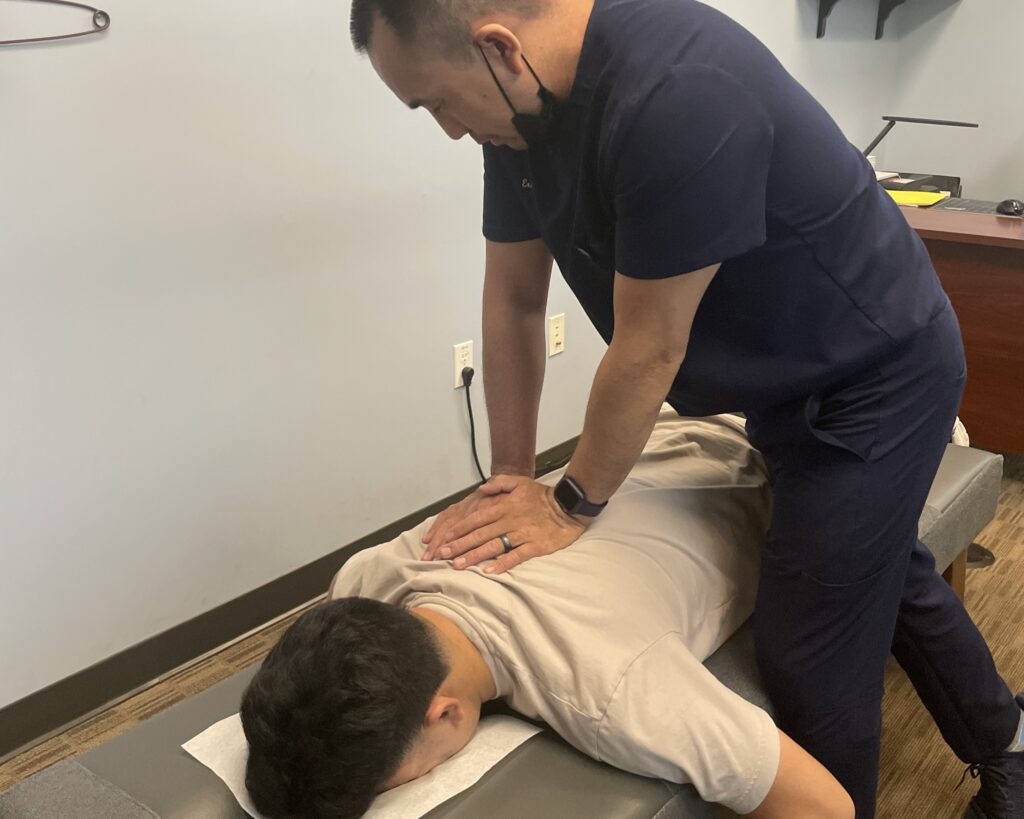
Managing chronic pain goes beyond simply addressing discomfort as it arises; it involves taking a proactive stance through preventive care. As your local chiropractor, I want to empower you to take control of your wellness journey. Regular check-ups can play a crucial role in monitoring your progress and making necessary adjustments to your treatment plan. Additionally, cultivating a strong support network—friends, family, and healthcare professionals—can encourage you on your path to healing.
Incorporating simple lifestyle changes such as a balanced diet and consistent exercise can significantly reduce your pain levels. However, chiropractic care offers unique strategies that can truly transform your experience and help you reclaim your quality of life. By understanding the principles of natural healing and the benefits of spinal alignment, you may find that preventive care is the key to managing chronic pain effectively. Let's explore how we can work together to enhance your well-being and restore your vitality.
Understanding Chronic Pain
Chronic pain is more than just a passing discomfort; it's a persistent challenge that can significantly impact your daily life and overall health. Many of my patients share experiences of living with discomfort that lasts for months or even years, often overshadowing their daily activities.
Unlike acute pain, which typically resolves with time or treatment, chronic pain can become a multifaceted issue, often linked with emotional and psychological aspects.
As a chiropractor, I believe understanding the root cause of your chronic pain is crucial. It could arise from various sources, such as injuries, arthritis, fibromyalgia, or even conditions like migraines. Many patients notice that their pain tends to flare up due to stress, weather changes, or specific activities. This unpredictable nature can make managing chronic pain feel overwhelming.
It's important to recognize that chronic pain isn't just a physical experience; it can have a profound effect on your mental well-being, potentially leading to anxiety, depression, or feelings of isolation. You might find that your pain affects your relationships and daily activities, making it difficult to pursue hobbies or engage fully in work.
At my chiropractic practice, we focus on natural healing approaches that can help alleviate your chronic pain. By addressing the underlying issues through spinal adjustments and holistic therapies, we aim to support not only your physical health but also your emotional well-being.
Together, we can work on strategies to manage your pain, helping you regain control of your life.
Importance of Preventive Care
As a local chiropractor, I want to emphasize the critical role that preventive care plays in managing chronic pain effectively. By adopting a proactive approach to your health, you can significantly decrease the frequency and intensity of pain episodes. Preventive care enables you to recognize potential triggers and manage symptoms before they escalate, ultimately enhancing your quality of life.
One of the essential elements of preventive care is regular visits to your chiropractor. These appointments provide a valuable opportunity to discuss your pain management strategy, assess your progress, and explore various natural healing techniques. It's vital to communicate openly about any changes in your condition; this allows me to customize your treatment plan to meet your specific needs.
Staying informed about your pain and understanding its underlying causes is also fundamental to effective management. By learning about your condition, you empower yourself to make informed decisions regarding your health. This knowledge can help reduce anxiety and stress, which are known to exacerbate chronic pain.
Another key component of preventive care is self-assessment. I encourage you to keep a journal tracking your pain levels, triggers, and coping strategies. This practice not only helps you identify patterns but also provides me with valuable insights to adjust your treatment accordingly.
Incorporating preventive care into your routine equips you with the tools necessary to manage your chronic pain more effectively. By prioritizing these practices, you're taking significant steps toward achieving a more manageable and fulfilling life.
Lifestyle Modifications
As your chiropractor, I want to emphasize the importance of making lifestyle modifications to effectively cope with chronic pain. The way you live your daily life can significantly influence your pain levels and overall well-being. Let's start by taking a closer look at your daily habits. Simple adjustments in your diet, sleep patterns, and stress management can lead to remarkable improvements in how you feel.
First, focus on nutrition. Eating a balanced diet that includes plenty of fruits, vegetables, whole grains, and healthy fats can help reduce inflammation, which is often a key contributor to pain. I recommend minimizing processed foods and sugars, as these can exacerbate pain and discomfort.
Next, let's talk about the importance of sleep. Quality sleep is essential for your body's recovery and pain management. Aim for 7-9 hours of restful sleep each night. Establishing a calming bedtime routine, reducing screen time before bed, and creating a sleep-friendly environment can significantly enhance your sleep quality.
Stress is another crucial factor to consider. Chronic stress can amplify pain, so it's vital to incorporate relaxation techniques into your daily routine. Practices like mindfulness, deep breathing exercises, and meditation can be incredibly beneficial. Even dedicating just a few minutes each day to these techniques can help you manage pain more effectively.
Building strong social connections is equally important. Having a supportive network of friends and family can provide you with emotional relief and practical assistance. Don't hesitate to express your feelings and seek support; sharing your experiences can lighten your emotional burden.
Finally, staying organized and setting realistic goals can help you navigate your daily tasks without feeling overwhelmed. Breaking larger tasks into smaller, manageable steps can make a world of difference in how you approach your day.
Exercise and Physical Activity
As a local chiropractor, I want to emphasize the importance of incorporating the right types of exercises when managing chronic pain. Engaging in consistent physical activity can significantly enhance your daily life by alleviating discomfort and improving your overall well-being.
Let's discuss some beneficial exercises tailored for pain relief and how you can establish a regular routine that supports your healing journey.
Understanding that exercise isn't just about fitness, but also about promoting natural healing, I encourage you to explore gentle movements like stretching, yoga, and low-impact aerobic activities. These can help improve flexibility, strengthen your muscles, and enhance circulation, all of which are crucial for managing pain effectively.
Additionally, maintaining a regular exercise routine is key. I recommend setting small, achievable goals and gradually increasing the intensity of your workouts. This approach not only makes it easier to stay consistent but also allows your body to adapt and heal over time.
Remember, chiropractic care is about harnessing your body's natural ability to heal, and incorporating the right exercises into your routine can play a vital role in that process.
If you have any questions about specific exercises or how to get started, feel free to reach out during your next appointment. Together, we can create a personalized plan that enhances your healing journey and improves your quality of life.
Types of Beneficial Exercises
As a local chiropractor, I want to emphasize the importance of incorporating beneficial exercises into your daily routine to alleviate chronic pain and enhance your overall well-being naturally.
Let's start with low-impact activities like walking, swimming, or cycling. These exercises are fantastic for maintaining mobility while minimizing strain on your joints. I recommend aiming for at least 30 minutes of moderate activity most days of the week to help keep your body moving smoothly.
Strength training is another key component of a well-rounded exercise regimen. Utilizing resistance bands or light weights can effectively build muscle strength, which plays a crucial role in supporting your joints and reducing pain.
When you begin strength training, focus on exercises that target major muscle groups, and remember to start slowly, gradually increasing the intensity as your body adapts.
Flexibility exercises, including practices like yoga or simple stretching routines, are vital for enhancing your range of motion and alleviating stiffness. I encourage you to incorporate gentle stretching into your daily activities, holding each stretch for 15-30 seconds to reap the maximum benefits.
Lastly, don't forget about balance exercises, particularly if you're concerned about falls. Simple activities like standing on one leg or using a balance board can significantly help improve your stability and confidence in movement.
Importance of Consistency
As a chiropractor, I want to emphasize the importance of consistency in your exercise routine, especially when it comes to managing chronic pain. When you commit to a regular schedule, your body becomes more accustomed to physical activity, which can lead to reduced discomfort over time.
It's crucial to understand that the effectiveness of any exercise program isn't just in the occasional workout but in how you integrate movement into your daily life.
I encourage you to explore a variety of exercises that you genuinely enjoy, whether it's walking, swimming, or practicing yoga. By maintaining a consistent routine, you may notice enhancements in your strength, flexibility, and mood—all of which can contribute to alleviating pain.
Setting realistic goals and tracking your progress can help keep you motivated. Remember, even small amounts of activity can bring about significant health benefits.
It's perfectly normal to encounter setbacks; life can become hectic, and it's common to miss a workout now and then. What's important is how quickly you get back on track.
Always listen to your body, make adjustments if necessary, and maintain a positive outlook. Consistency doesn't mean being perfect; it's about being persistent.
By making exercise a regular part of your life, you're taking an active role in managing your chronic pain. Embrace this journey, and you may discover relief and a renewed sense of well-being.
As your chiropractor, I'm here to support you every step of the way.
Nutrition and Dietary Choices
As a local chiropractor, I want to emphasize the significant role nutrition plays in managing chronic pain. The foods you choose have a direct impact on inflammation levels and your overall well-being. By making informed dietary choices, you can actively work towards alleviating some of the discomfort associated with chronic pain.
Here are some dietary tips that I encourage you to consider:
- Incorporate omega-3 fatty acids: Foods such as salmon, walnuts, and flaxseeds are known to help reduce inflammation. Including these in your diet can be beneficial for your pain management strategy.
- Load up on fruits and vegetables: Brightly colored produce is rich in antioxidants, which can combat inflammation and support your immune system. Aim for a variety of colors to maximize your nutrient intake.
- Limit processed sugars and trans fats: These ingredients can trigger inflammation and exacerbate pain. It's a good idea to cut back on sweets and fried foods to help manage your symptoms.
- Stay hydrated: Proper hydration is essential for maintaining joint lubrication, which can ease discomfort. Make it a habit to drink plenty of water throughout the day.
- Explore a Mediterranean diet: This eating pattern, which emphasizes whole grains, healthy fats, and lean proteins, has been linked to reduced inflammation and improved overall health. It's a great model to consider for a balanced, anti-inflammatory diet.
By incorporating these dietary tips into your lifestyle, you can enhance your body's healing process and complement the benefits of chiropractic care.
Together, we can work towards a healthier, pain-free life.
Alternative Therapies
As a local chiropractor, I want to share the benefits of alternative therapies, particularly in managing chronic pain.
Techniques like acupuncture and mindfulness meditation can provide substantial relief. Acupuncture works by stimulating specific points in your body, which can enhance your body's natural healing processes and alleviate discomfort.
On the other hand, mindfulness meditation is a powerful tool that helps you cultivate a deeper awareness of your pain, empowering you to manage it more effectively.
Incorporating these therapies into your wellness routine can complement chiropractic care, promoting a holistic approach to your overall health and well-being.
Acupuncture Benefits Explained
As a local chiropractor, I want to share with you the benefits of acupuncture, an ancient practice that aligns well with our holistic approach to health and wellness.
Rooted in Traditional Chinese Medicine, acupuncture involves the gentle insertion of thin needles at specific points on the body. This technique aims to balance your energy flow, promote healing, and alleviate discomfort, making it a valuable tool in your pain management journey.
Here are some benefits of acupuncture that you might experience:
- Pain Relief: Research indicates that acupuncture can effectively reduce chronic pain, including conditions like back pain and migraines, which are common issues many of my patients face.
- Reduced Inflammation: Acupuncture may help decrease inflammation in the body, leading to improved mobility and overall comfort.
- Improved Sleep Quality: Regular acupuncture sessions can significantly enhance your sleep quality, which is crucial for effective pain management and recovery from injuries.
- Enhanced Mood: Many patients report an improvement in mood and a reduction in anxiety levels after acupuncture treatments, helping them feel more optimistic about managing their pain.
- Fewer Side Effects: Unlike many pharmaceutical options, acupuncture generally presents minimal side effects, offering a safer alternative for those seeking natural healing methods.
Integrating acupuncture into your wellness routine can complement chiropractic care and lead to a more balanced and effective approach to managing chronic pain.
I encourage you to explore this option and discover how it can benefit your overall health!
Mindfulness Meditation Techniques
As a local chiropractor, I want to share with you some mindfulness meditation techniques that can serve as a powerful ally in managing chronic pain. These techniques can help you cultivate a deeper connection between your mind and body, which is essential in your healing journey.
To start, find a quiet space where you can sit comfortably. Close your eyes and take a moment to focus on your breath. Inhale deeply through your nose, allowing your lungs to fill completely, and then exhale slowly. As you breathe, pay attention to the sensations throughout your body, particularly in areas where you may be experiencing discomfort.
Instead of pushing the pain away or resisting it, try to acknowledge it without any judgment.
Visualizing the pain can also be beneficial. Picture it as a wave that rises and falls, or as a cloud drifting by. This shift in perspective can help lessen both the intensity of the pain and your emotional reaction to it.
I encourage you to explore guided meditations or use apps specifically designed for pain management. Regular practice of these techniques can strengthen your resilience, enabling you to cope with pain more effectively.
It's important to understand that mindfulness isn't about eliminating pain altogether; rather, it's about transforming your relationship with it. With consistent practice, many of my patients have found that their overall experience of chronic pain becomes more manageable, allowing them to engage more fully in their daily lives.
Building a Support System
As a local chiropractor, I want to emphasize the importance of a strong support system for individuals managing chronic pain. The journey can be challenging, but having a network of understanding individuals can truly transform your experience. Building this support system involves connecting with friends, family, and even professionals who can offer guidance and encouragement.
Here are some strategies to create your support network:
- Communicate with Loved Ones: Share your experiences with friends and family so they can better understand what you're going through. Open dialogue fosters empathy and allows them to know how they can assist you during difficult times.
- Explore Support Groups: Engaging with others who face similar challenges can help reduce feelings of isolation. Look for local or online support groups specifically focused on chronic pain and holistic healing methods, including chiropractic care.
- Consult Professional Support: In addition to chiropractic treatment, consider seeking out therapists or counselors who specialize in chronic pain management. They can provide you with essential coping strategies and emotional support tailored to your needs.
- Educate Your Circle: Share information about chiropractic care and natural healing with your loved ones. Providing them with articles or resources can enhance their understanding of your condition and the holistic approaches we employ in managing chronic pain.
- Set Clear Boundaries: It's important to communicate your needs clearly. Let your support system know when you require space or if you're feeling overwhelmed. This ensures that they can respect your boundaries while still offering their support.
By fostering a supportive environment, you can enhance your healing journey and better manage chronic pain through chiropractic care and natural methods.
Conclusion
As a local chiropractor, I want to share how managing chronic pain with preventive care can significantly improve your quality of life. Embracing lifestyle changes, staying active, and making informed dietary choices are crucial steps you can take to regain control over your health.
Don't overlook the benefits of alternative therapies, such as chiropractic adjustments, which can help alleviate pain and enhance your overall function. Building a robust support system—whether through friends, family, or professional guidance—can also provide the emotional encouragement you need on this journey.
Remember, you're not alone in dealing with chronic pain. With the right tools, strategies, and a commitment to natural healing, you can navigate your pain more effectively and work towards a healthier, more fulfilling life. Together, we can explore the best path forward for your well-being.