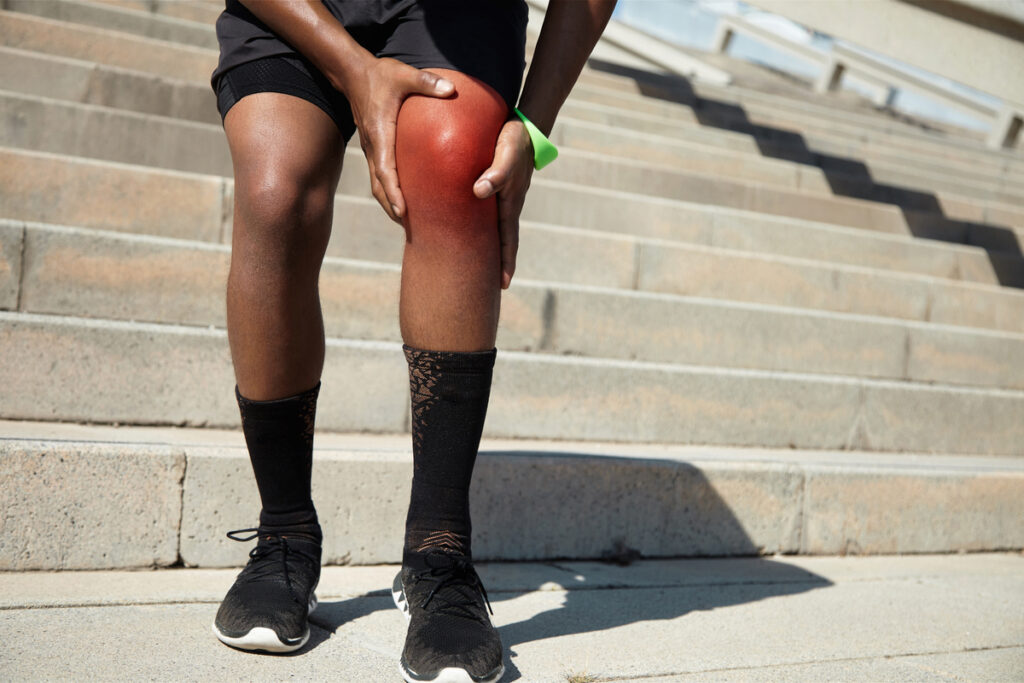
Knee pain can be one of the most frustrating experiences — especially when you’ve done everything “right.” You rested. You iced it. You took it easy for a few days, maybe even a week. And yet, when you finally get up and try to move again, that familiar ache or stiffness is still there waiting for you. If this sounds familiar, you’re not alone. Here in San Leandro, many of the patients who come to see us at Resilience Chiropractic have tried rest and found it simply wasn’t enough. The truth is, resting can reduce inflammation temporarily, but it doesn’t always address the underlying reason your knee is hurting in the first place.
What does it mean when knee pain doesn’t go away with rest?
When knee pain persists despite adequate rest, it typically signals that the root cause isn’t just minor inflammation or overexertion. Instead, it often points to a mechanical issue — something involving the way the joints, muscles, or surrounding tissues are functioning. Rest can quiet the symptoms temporarily, but without addressing the source, the pain tends to return once movement resumes.
Why Rest Alone Often Isn’t Enough
There’s a common belief that if something hurts, you should stop moving and give it time to heal. And while that’s true for some acute injuries — like a fresh sprain — it doesn’t apply universally to knee pain. The knee is a complex joint. It relies on a delicate balance of muscular support, proper joint alignment, and coordinated movement patterns. When any of those elements are off, rest simply puts the problem on pause.
Think of it this way: if your car’s wheels are misaligned, parking it in the garage doesn’t fix the alignment. The moment you drive it again, the same uneven wear resumes. Your knee works in a similar way. If there’s a biomechanical problem — whether in the knee itself, the hip above it, or the ankle below it — resting won’t correct the dysfunction. It just gives inflamed tissue a brief break before the underlying mechanics create the same problem again.
Research supports the idea that movement and active rehabilitation are often more effective for musculoskeletal pain than extended rest. Guidelines from organizations like the National Institutes of Health and the American College of Physicians consistently recommend conservative, active care approaches for joint pain rather than prolonged inactivity. That doesn’t mean you should push through severe pain — but it does mean that rest, while sometimes helpful short-term, is rarely the full solution.
Common Causes of Persistent Knee Pain
To understand why your knee keeps hurting even after rest, it helps to look at the most common underlying causes. These are the issues that tend to survive rest periods and resurface once you’re back on your feet.
Muscle imbalances and weakness. The muscles around your knee — particularly the quadriceps, hamstrings, and hip abductors — work together to stabilize the joint. When some of these muscles are significantly weaker or tighter than others, the knee absorbs forces unevenly. Over time, this creates irritation and pain that rest won’t fix because the imbalance is still there when movement resumes.
Poor movement mechanics. How you walk, squat, climb stairs, or even stand can place excessive stress on certain parts of the knee. A common pattern is knee valgus — where the knee collapses inward during movement — which dramatically increases strain on the inner knee structures. These mechanics are learned patterns; they don’t change just because you rested.
Hip and ankle dysfunction. The knee sits between two major joints, and it’s highly dependent on both of them functioning well. Tight hip flexors, weak glutes, limited ankle mobility — all of these can shift load onto the knee in ways it wasn’t designed to handle. Many patients in San Leandro are surprised to learn that their knee pain has as much to do with their hip or foot mechanics as it does with the knee itself.
Patellar tracking issues. The kneecap (patella) is supposed to glide smoothly in a groove at the front of the femur. When surrounding soft tissues pull unevenly — often due to muscle imbalance — the patella can track slightly off course. This causes irritation to the cartilage underneath, resulting in the dull, aching pain that’s often worse after sitting for long periods or going up and down stairs.
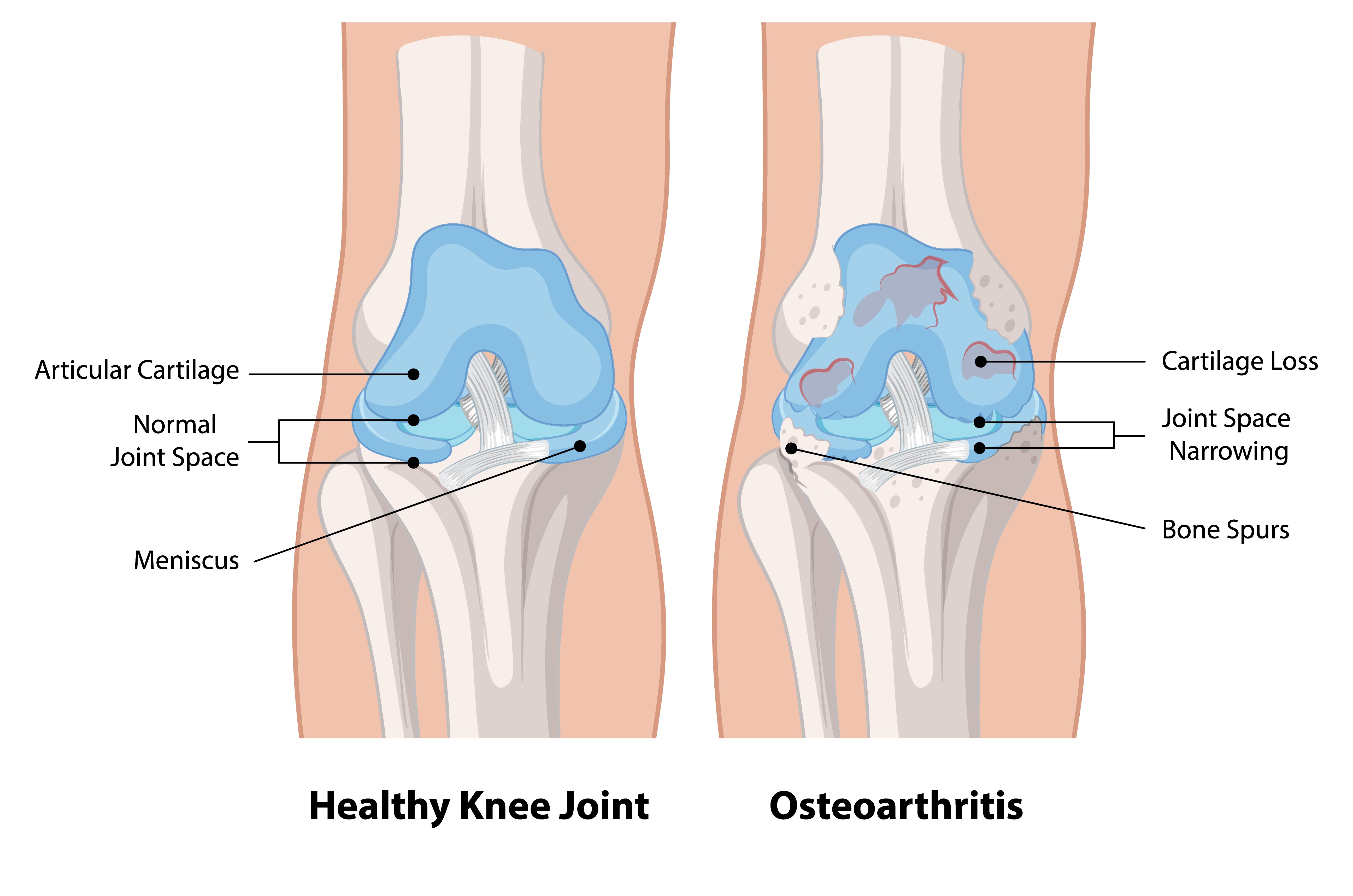
Meniscus and cartilage wear. While more significant structural issues like meniscal tears require medical evaluation, early-stage cartilage wear can cause persistent aching that worsens with activity. In these cases, rest temporarily reduces load on the joint, but the underlying tissue changes remain and continue to cause symptoms.
Signs and Symptoms Worth Paying Attention To
Not all knee pain is the same, and the character of your symptoms can offer important clues about what’s actually going on. Persistent knee pain that doesn’t resolve with rest often has distinguishing features that separate it from simple post-exercise soreness.
Pain that returns within the first few steps of walking after rest — especially first thing in the morning — is often a sign of joint stiffness related to inflammation or cartilage changes. Pain that’s worse going down stairs than up often points to patellar tracking issues. Swelling around the joint, a feeling of the knee “giving way,” or a grinding sensation during movement all warrant closer evaluation and shouldn’t be ignored.
It’s also worth noting the difference between pain that stays localized to one specific part of the knee versus pain that seems to move or involve the whole knee region. Localized pain can be more telling — inner knee pain, for instance, often involves the medial collateral ligament or the meniscus, while pain at the front of the knee below the kneecap can be related to the patellar tendon.
How Chiropractic Care Fits Into Knee Pain Recovery
At Resilience Chiropractic in San Leandro, Dr. Ernest Luong takes a whole-body approach to knee pain. This matters because, as we’ve discussed, the knee rarely suffers in isolation. The way your spine moves, how your pelvis is aligned, and the function of your hip and ankle joints all play a role in how much stress your knee absorbs with every step.
Chiropractic care for persistent knee pain typically involves a thorough assessment of your movement patterns, joint mobility, and muscle function. Dr. Ernest Luong works to identify the underlying mechanical contributors — not just the site of pain. From there, care may involve manual adjustments to the knee joint itself, as well as the hip, ankle, and lumbar spine to restore proper biomechanical relationships throughout the lower extremity chain.
Soft tissue work and targeted rehabilitation exercises are also commonly incorporated to address muscle imbalances and retrain movement patterns. The goal isn’t to simply reduce pain temporarily — it’s to help your body move the way it was designed to, so that the stresses on your knee are distributed properly and healing can actually take place.
Evidence indicates that chiropractic care, particularly when combined with rehabilitative exercise, can be a valuable conservative option for patients dealing with musculoskeletal knee conditions. The American Chiropractic Association recognizes the knee as within the scope of chiropractic practice, and many patients find relief from an integrated care approach without needing to rely on pain medications or invasive procedures.
Practical Tips to Support Your Knees at Home
While professional evaluation and care are important, there are meaningful steps you can take at home to support your knee health and reduce the likelihood of recurring pain. These aren’t quick fixes — they’re habits worth building over time.
Start paying attention to your footwear. Worn-out shoes or footwear with poor arch support can significantly change the way forces travel through your ankle, knee, and hip. Investing in supportive shoes appropriate for your activity level is one of the simplest things you can do for your knees.
Be mindful of prolonged sitting. When you sit for long periods with your knees bent, the pressure on the patellar cartilage increases and the muscles around the knee can tighten. Taking short walking breaks every 30 to 45 minutes during work hours helps keep the joint mobile and reduces static loading.
Strengthen the muscles that support your knee — particularly your glutes and quadriceps. Exercises like glute bridges, clamshells, and gentle wall squats can make a meaningful difference in how much work your knee has to do on its own. If you’re unsure where to start, the team at Resilience Chiropractic can point you in the right direction based on your specific needs.
Finally, pay attention to how you move during daily activities. Avoid letting your knee cave inward when you squat, step down from a curb, or walk up stairs. This single awareness habit can reduce a significant amount of stress on the inner structures of the knee over time.
When to See a Chiropractor for Knee Pain
If your knee pain has lasted more than two to three weeks despite rest and basic self-care, that’s a reasonable time to seek professional evaluation. Chronic or recurring knee pain — the kind that keeps coming back every time you increase activity — is another strong signal that something mechanical needs to be assessed.
You should also consider seeking care if your knee pain is limiting your daily activities, affecting your sleep, or causing you to change the way you walk or move. Compensating for knee pain with altered movement patterns can lead to secondary issues in the hip, lower back, or opposite knee over time.
There are also red flags that should prompt a visit to your primary care physician rather than — or in addition to — chiropractic care. These include significant swelling or redness that develops suddenly, a knee that locks or buckles unexpectedly, severe pain following a specific traumatic injury, or any signs of infection like warmth and fever. In these cases, imaging or further medical evaluation may be needed before conservative care begins. Dr. Ernest Luong is committed to making sure every patient at Resilience Chiropractic receives the right level of care, and will always refer out when a situation falls outside the scope of chiropractic practice.
Knee Pain Triggers vs. Common Contributing Factors
|
Knee Pain Trigger |
Common Contributing Factor |
Why Rest Alone Doesn’t Fix It |
|---|---|---|
|
Pain during or after stairs |
Patellar tracking dysfunction |
Tracking issue is caused by muscle imbalance that persists at rest |
|
Morning stiffness and aching |
Early cartilage wear or joint inflammation |
Tissue changes remain; rest only temporarily reduces load |
|
Pain with squatting or lunging |
Weak glutes or poor hip mechanics |
Movement pattern and muscle weakness don’t change with rest |
|
Inner knee pain with walking |
Knee valgus or medial soft tissue strain |
Alignment and gait pattern return as soon as activity resumes |
|
Diffuse knee aching after long sitting |
Patellar compression from tight surrounding tissues |
Tightness remains and compresses the joint once movement starts |
Myths vs. Facts About Knee Pain
Myth: If you rest long enough, knee pain will always go away on its own.
Fact: Rest can reduce acute inflammation, but it doesn’t resolve underlying mechanical problems like muscle imbalances, poor movement patterns, or joint dysfunction. Persistent knee pain often requires active intervention to address the root cause.
Myth: Knee pain is just a natural part of getting older and there’s nothing you can do.
Fact: While wear and tear on joints is a natural process, the way you move and the strength of your supporting muscles have a significant impact on how much pain and limitation you experience. Many people find substantial improvement with conservative care regardless of age.
Myth: Chiropractic care is only for back pain — it has nothing to offer for knee problems.
Fact: Chiropractors are trained in the assessment and care of the entire musculoskeletal system, including the knee. A whole-body approach that addresses hip, ankle, and spinal function can be highly relevant to persistent knee pain.
Myth: Exercising with knee pain will always make it worse.
Fact: The right type of movement, guided by a knowledgeable provider, is often an essential part of recovery. Research consistently supports active rehabilitation for most musculoskeletal knee conditions. The key is choosing the right exercises for your specific situation.
Myth: If the pain isn’t severe, it’s not worth getting checked out.
Fact: Mild but persistent knee pain is often the earliest sign of a mechanical issue that will worsen if left unaddressed. Catching and correcting these patterns early is far easier than managing a more advanced problem down the road.
Final Thoughts from Resilience Chiropractic
Persistent knee pain is your body’s way of telling you that something needs attention — not just a break. Here in San Leandro, the community we serve is active, hardworking, and deserves to move through life without unnecessary pain holding them back. At Resilience Chiropractic, Dr. Ernest Luong and our team are passionate about helping patients get to the bottom of what’s really driving their symptoms, not just masking them temporarily.
If you’ve been waiting for your knee pain to go away on its own and it keeps coming back, please know that you have options. Conservative, drug-free, non-invasive care has helped many people in this community restore their movement, reduce their pain, and get back to the activities they love. You don’t have to keep living around your knee pain — let’s figure out what’s actually going on and build a path forward together.
Whether you’re dealing with a nagging ache that’s been around for months or a more recent issue that hasn’t responded to rest, Resilience Chiropractic in San Leandro, CA is here to help you find real, lasting relief.
Frequently Asked Questions
How long is too long to wait before seeing someone about knee pain?
If your knee pain has persisted for more than two to three weeks despite rest and basic home care, it’s worth getting a professional evaluation. Waiting too long can allow compensatory movement patterns to develop, which can create additional problems in other joints.
Can a chiropractor actually treat knee pain, or should I see an orthopedist?
Chiropractors are trained to evaluate and treat musculoskeletal knee conditions using non-invasive, conservative methods. For many people, chiropractic care is an appropriate and effective first step. If imaging or surgical evaluation is needed, a good chiropractor will let you know and refer you accordingly.
Is it safe to exercise when my knee hurts?
In many cases, gentle, appropriate movement is beneficial and even recommended. However, the right exercises depend on what’s causing your knee pain. It’s best to get an evaluation before starting a new exercise program so the activity can be matched to your specific condition.
Why does my knee feel worse after I sit for a long time?
Prolonged sitting places sustained pressure on the patellar cartilage and allows surrounding muscles to tighten. When you stand up and start moving, this stiffness and increased tissue tension can create pain, especially in the front of the knee. This is a common pattern associated with patellar tracking issues.
Does knee pain always mean there’s structural damage?
Not at all. Many people experience significant knee pain without any visible structural damage on imaging. Muscle imbalances, altered movement mechanics, and joint dysfunction can all cause real, persistent pain without necessarily involving torn or damaged tissue.
How does the hip affect knee pain?
The hip and knee are closely linked through shared muscles and the kinetic chain of movement. Weakness in the hip abductors and external rotators — particularly the glutes — can cause the knee to collapse inward during movement, significantly increasing stress on the joint. Addressing hip function is often a key part of resolving knee pain.
TL;DR
-
Resting alone often doesn’t resolve knee pain because it doesn’t address underlying mechanical causes like muscle imbalances, poor movement patterns, or joint dysfunction.
-
Persistent knee pain is frequently influenced by how the hip, ankle, and spine are functioning — not just the knee itself.
-
Chiropractic care from Dr. Ernest Luong at Resilience Chiropractic in San Leandro, CA takes a whole-body approach to identifying and addressing the real source of your knee pain.
-
Practical habits like supportive footwear, regular movement breaks, and glute strengthening can meaningfully support knee health alongside professional care.
-
If your knee pain has lasted more than two to three weeks or keeps returning, it’s time to get a proper evaluation rather than waiting it out.