As a local chiropractor, I want to share some insights about managing long-term back pain, which can often be unpredictable. Many of my patients experience fluctuations in their pain levels, and what may provide relief for one person might not be effective for another. While many individuals explore non-invasive treatments, I emphasize the importance of a holistic approach that incorporates lifestyle changes and psychological support.
Chiropractic care focuses on aligning the spine and improving overall function, which can play a significant role in your recovery journey. It’s essential to understand that your lifestyle choices—such as diet, exercise, and stress management—can impact your back health. Additionally, addressing the psychological aspects of pain can be just as crucial in achieving long-term relief.
So, how do you determine what’s right for you? It starts with an open conversation about your unique situation. By working together, we can develop a personalized plan that takes into account your specific needs and goals for a healthier, pain-free life. Remember, your journey to recovery is not just about managing pain; it’s about enhancing your overall well-being.
Understanding Chronic Back Pain
Chronic back pain can feel overwhelming, weighing heavily on your daily life and overall well-being. As a chiropractor, I often see patients who struggle with everyday tasks due to persistent discomfort, which can lead to frustration. Understanding the nature of chronic back pain is crucial in finding ways to manage it effectively.
Chronic back pain is generally defined as pain that lasts for more than three months. It often arises from various factors such as injuries, poor posture, or even underlying health conditions. The pain can range from a dull ache to sharp sensations that may radiate to different parts of your body.
You might notice that certain activities tend to aggravate your pain, which highlights the importance of recognizing your physical limits. Additionally, it’s essential to consider that emotional factors like stress and anxiety can intensify your pain experience, creating a challenging cycle.
By identifying your pain triggers and patterns, you can empower yourself to make informed decisions about your activities and lifestyle. As you learn more about your chronic back pain, you’ll be taking the first step toward discovering effective management strategies that align with your unique needs.
Chiropractic care focuses on natural healing and can offer relief by addressing the underlying issues contributing to your pain. Together, we can work towards improving your quality of life and helping you regain control over your body.
Physical Therapy Approaches
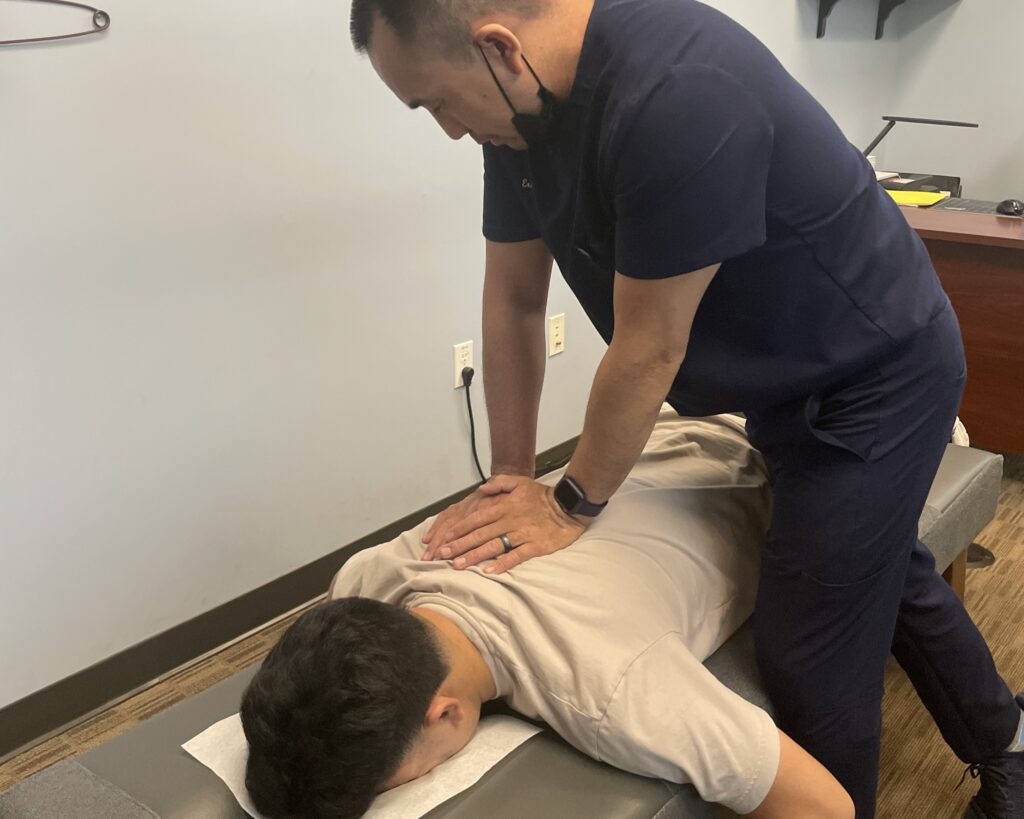
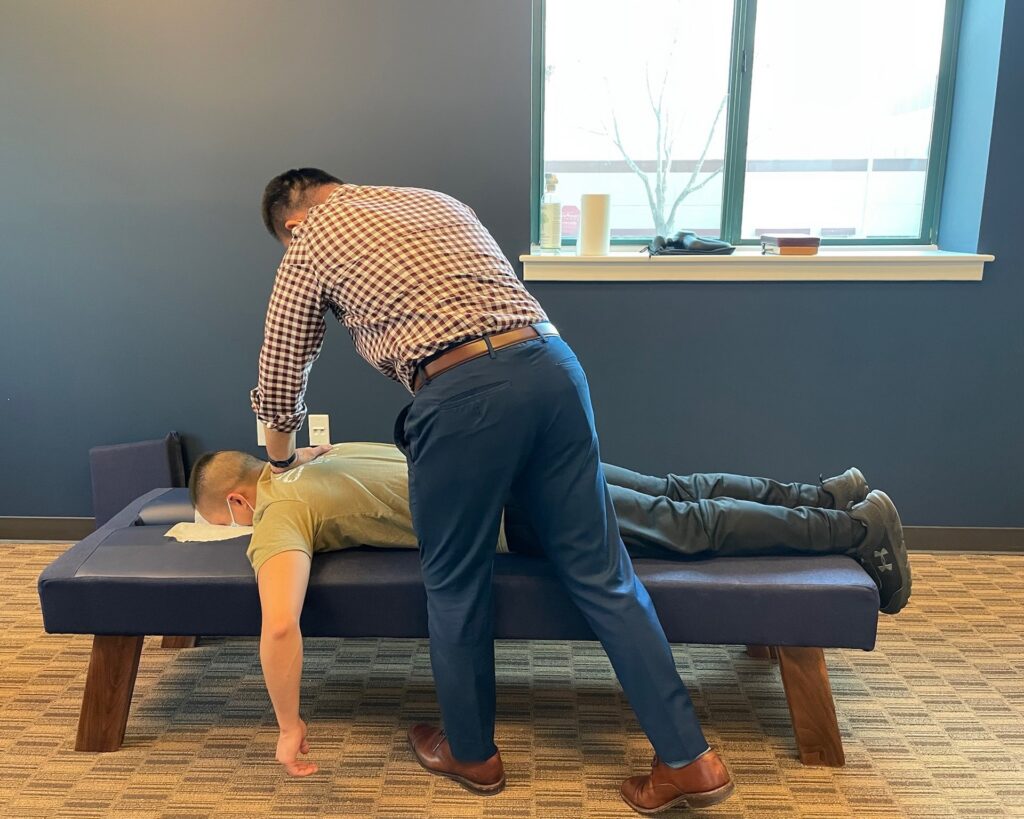
When it comes to managing back pain, chiropractic care can be a highly effective approach. Our methods focus on restoring proper alignment, enhancing mobility, and promoting overall wellness, which are essential for lasting recovery.
As your chiropractor, I may utilize techniques such as spinal adjustments, therapeutic exercises, and complementary modalities like heat and cold therapy to alleviate pain and support your healing process.
You will likely participate in personalized exercises designed to strengthen specific areas of weakness or tension in your back. This tailored approach ensures that we’re addressing your unique needs and goals.
Furthermore, I’ll provide you with valuable education on maintaining proper posture and body mechanics, which can significantly reduce the risk of future injuries.
Regular visits and adherence to your recommended home exercise program are crucial for achieving lasting improvements.
Ultimately, chiropractic care not only targets your immediate discomfort but also equips you with the knowledge and tools for long-term back health. Together, we can work towards a pain-free lifestyle that enhances your overall quality of life.
Medication Management Strategies
As a local chiropractor, I understand that managing back pain can be a daunting task, especially when it comes to medication options.
It’s important to know that there are effective non-opioid pain relievers available, and I encourage you to explore these options along with the guidance of your healthcare provider. Understanding prescription guidelines and their potential risks is crucial for making informed decisions about your pain management.
Furthermore, I want to emphasize the value of integrative approaches to pain relief. Chiropractic care, combined with natural healing techniques, can be a powerful addition to your overall strategy for managing back pain.
Non-Opioid Pain Relievers
As a local chiropractor, I want to share some valuable information about managing back pain without turning to opioids, which can often come with significant risks.
Many patients are surprised to learn that non-opioid pain relievers can be highly effective alternatives. Over-the-counter medications like acetaminophen and non-steroidal anti-inflammatory drugs (NSAIDs), including ibuprofen and naproxen, are commonly recommended. These medications can help reduce inflammation and alleviate pain, allowing you to feel better without the complications associated with opioids.
In addition to oral medications, I encourage you to explore topical treatments that provide targeted relief right where you need it most.
Another key component of effective pain management is combining these medications with chiropractic care, physical therapy, or exercise. This holistic approach not only addresses the pain but also promotes overall healing and recovery.
Before starting any new medication or treatment plan, it’s essential to consult with your healthcare provider. They can help determine what’s best for your individual situation.
Prescription Guidelines and Risks
As a local chiropractor, I want to help you understand how we can effectively manage back pain through natural healing methods rather than relying solely on medications. It’s important to be aware of the potential risks associated with prescription medications, which many people may not fully understand.
When it comes to managing pain, traditional medications like opioids can be effective for short-term relief; however, they come with significant risks such as dependence and addiction. This is why we focus on alternative approaches that don’t carry these dangers.
Similarly, while non-steroidal anti-inflammatory drugs (NSAIDs) can alleviate pain, their long-term use may lead to gastrointestinal issues or cardiovascular problems—issues we want to avoid.
In our practice, we emphasize the importance of discussing your medical history and overall health with us so we can create a personalized treatment plan that suits your needs. Utilizing chiropractic adjustments, physical therapy, and other natural healing techniques, we can help you manage your pain more safely and effectively.
It’s crucial to stay informed and maintain open communication about your progress and any concerns you might have. This collaborative approach allows us to work together to achieve pain relief while minimizing any potential risks associated with traditional medications.
Let’s explore how chiropractic care can support your journey to wellness!
Integrative Pain Management Approaches
As a local chiropractor, I want to introduce you to integrative pain management approaches that can help you manage your discomfort more effectively. These approaches combine various strategies—both natural and medicinal—to create a comprehensive plan tailored specifically to your needs.
For instance, many people benefit from using over-the-counter pain relievers, such as NSAIDs, in conjunction with alternative therapies like chiropractic care and acupuncture. Chiropractic adjustments can help align your spine and improve your overall function, which may reduce your reliance on medication over time.
Additionally, incorporating physical therapy into your routine can strengthen your back and enhance flexibility, promoting long-term relief. By combining these methods, we can’t only boost the effectiveness of any medications you might be taking but also minimize potential side effects.
It’s crucial to have an open dialogue with your healthcare provider about your pain levels and treatment preferences. Together, we can adjust your care plan as needed, ensuring you find the right balance for managing your back pain.
The Role of Alternative Therapies
As a local chiropractor, I want to share how alternative therapies can significantly enhance your back pain management journey. Many patients find that alongside traditional treatments, therapies like chiropractic care, acupuncture, and massage offer unique benefits that can lead to a more comprehensive approach to healing.
Chiropractic care, in particular, focuses on spinal alignment and the relationship between your spine and overall health. By correcting misalignments through gentle adjustments, we can relieve pressure on nerves, reduce pain, and improve your body’s function. This not only helps alleviate discomfort but can also enhance your mobility and overall well-being.
Acupuncture is another effective method that targets specific points on the body to release tension and promote healing. Many individuals report feeling a reduction in pain and an increase in relaxation after sessions.
Similarly, massage therapy can help reduce muscle tension, improve circulation, and enhance flexibility, all of which contribute to a healthier back.
Incorporating these alternative therapies into your pain management plan allows for a more holistic approach that addresses both the physical and emotional components of back pain.
I encourage you to discuss these options with me during your visit so we can tailor a treatment plan that’s safe and effective for you. Embracing natural healing methods, alongside traditional care, could lead to more positive long-term outcomes for your health.
Lifestyle Modifications for Prevention
As a local chiropractor, I want to share with you some simple lifestyle changes that can significantly reduce your risk of back pain and improve your overall health. One of the most effective ways to achieve this is by incorporating regular physical activity into your daily routine. Aim for at least 30 minutes of moderate exercise on most days, focusing on activities that strengthen your core and enhance your flexibility.
These exercises not only support your spine but also promote overall wellness.
It’s also crucial to pay attention to your posture, especially when you’re sitting or lifting objects. Using ergonomic furniture and practicing proper lifting techniques can greatly minimize strain on your back.
Remember, when lifting heavy items, always bend your knees and use your legs to do the heavy lifting—this will protect your back and help you avoid injuries.
Maintaining a healthy weight is equally important. Carrying excess weight can put added pressure on your spine, leading to discomfort and pain.
Don’t overlook the significance of proper hydration and nutrition. A balanced diet is vital for muscle health and can help prevent inflammation.
Additionally, ensure you’re getting enough restorative sleep, as it plays a critical role in your body’s recovery and overall well-being.
These small changes can lead to significant long-term benefits for your back health. Embracing these lifestyle modifications isn’t just about preventing pain; it’s about enhancing your quality of life.
As your chiropractor, I’m here to guide you through these changes and support your journey to a healthier, pain-free life.
Psychological Aspects of Pain Management
As a local chiropractor, I want to emphasize how crucial it’s to understand the psychological aspects of pain management. Your mindset plays a significant role in how you experience and cope with pain. By adopting a positive outlook, you can empower yourself to manage your pain more effectively.
Here are three key points to consider:
- Cognitive Behavioral Techniques: These techniques are designed to help you reshape negative thoughts about your pain. By learning to approach your pain with a different perspective, you can significantly reduce the anxiety and stress that often accompany it.
- Mindfulness Practices: Practicing mindfulness can help you stay grounded in the moment. This allows you to observe your pain without judgment, which can actually reduce its intensity over time. It’s about learning to coexist with your pain rather than letting it control your life.
- Support Systems: Having a strong network of friends, family, or support groups can be incredibly beneficial. Sharing your experiences and feelings with others fosters a sense of belonging and understanding, which can help alleviate the emotional burden that often comes with chronic pain.
Surgical Interventions and Their Outcomes
When exploring options for managing back pain, it’s essential to consider the various approaches available, including chiropractic care.
Unlike surgical interventions, which often focus on invasive procedures, chiropractic treatment aims to promote natural healing and restore proper alignment of the spine.
As a local chiropractor, I encourage you to understand the goals of chiropractic care, which include relieving pain, improving mobility, and enhancing overall wellness.
It’s also important to note that many patients experience positive outcomes over time with consistent chiropractic adjustments, often without the risks and complications associated with surgery.
By educating yourself about chiropractic methods, you can make an informed decision about your treatment options, prioritizing natural healing and long-term health.
Types of Surgical Procedures
As a local chiropractor, I understand that many individuals seek relief from back pain through non-surgical options, and I’m here to help educate you on the various approaches available, including the potential need for surgical interventions in certain cases.
While we focus on holistic and natural healing methods, it’s important to be aware of the surgical procedures that may be considered when conservative treatments aren’t effective. Here are a few common ones:
1. Discectomy: This surgery involves the removal of a portion of a herniated disc. While it can provide significant pain relief by alleviating nerve pressure, it’s always best to explore non-invasive options first, such as chiropractic adjustments and physical therapy.
2. Laminectomy: This procedure removes a section of the vertebra to create more space for the nerves, which can help with symptoms often associated with spinal stenosis.
Again, we prioritize addressing these issues through natural methods whenever possible.
3. Spinal Fusion: This surgery stabilizes two or more vertebrae by fusing them together. It may be necessary in cases of severe instability or deformity, but we encourage exploring chiropractic care and other natural treatments that can often provide relief without invasive measures.
Each of these surgical options targets specific spinal conditions.
However, as your chiropractor, I’m here to guide you through understanding your body and exploring all available non-surgical avenues first. Together, we can determine the best path for your health and well-being.
Success Rates Over Time
As a local chiropractor, I want to share some important insights about managing back pain, particularly when it comes to understanding surgical interventions.
While surgery can provide immediate relief for some, the long-term success rates can be quite variable. Many individuals do feel significant improvement shortly after undergoing a procedure, which can create a sense of satisfaction. However, it’s not uncommon for patients to experience a recurrence of pain or even new issues as time goes on.
Research shows that about 70-80% of patients report positive outcomes within the first year following surgery. Unfortunately, this number tends to drop over the years, with only around 50% of those individuals maintaining similar results after five years. Factors such as age, overall health, and the specific type of surgery performed can greatly influence these outcomes.
This is why I encourage exploring chiropractic care and natural healing methods as an alternative or complementary approach. Chiropractic treatments focus on holistic, non-invasive techniques that aim to address the root causes of pain rather than just masking symptoms.
It’s crucial to have realistic expectations and to engage in ongoing discussions with your healthcare provider about long-term strategies for managing your back pain effectively. Together, we can work towards a healthier, pain-free life!
Potential Complications and Risks
As a local chiropractor dedicated to your health and well-being, it’s important to help you understand the potential complications and risks associated with surgical interventions for back pain.
While surgery may seem like a solution for alleviating discomfort, it’s crucial to consider what could go wrong and explore safer alternatives.
Here are three key complications to keep in mind:
- Infection: Any surgical procedure carries the risk of infection at the surgical site. This can lead to a longer recovery time and may require additional treatments, which can be frustrating and costly.
- Nerve Damage: There’s always a risk of nerve injury during surgery. This can result in unwanted side effects such as numbness, weakness, or ongoing pain, which can hinder your quality of life.
- Failed Back Surgery Syndrome: In some cases, surgery may not yield the expected relief from pain. Instead, you might find yourself facing persistent discomfort and dissatisfaction with the results.
By understanding these risks, you can make more informed decisions about your treatment options.
Chiropractic care and natural healing methods can often provide effective relief from back pain without the need for surgery.
Let’s explore these alternatives together for a healthier, safer path to recovery.
Importance of Patient Education
As a local chiropractor, I want to emphasize the vital role that patient education plays in effectively managing back pain and enhancing your overall well-being. When you take the time to understand your condition, you become empowered to make informed decisions about your treatment options. This knowledge allows you to actively participate in your recovery journey, which can significantly improve your experience.
In our practice, we focus on teaching you effective pain management techniques, the significance of regular exercise, and the importance of maintaining proper posture to alleviate discomfort. By gaining insight into what to expect during your treatment, you can set realistic goals for your recovery and reduce any unnecessary anxiety you may be feeling.
Additionally, understanding the signs that warrant further medical attention can be crucial in your healing process. When you grasp the reasons behind our recommended treatment plan, you’re more likely to follow through with it, which can lead to more successful long-term results.
With a solid foundation of knowledge about your back pain and the benefits of chiropractic care, you’ll feel more in control of your health. This empowerment not only helps you manage your condition effectively but also enhances your overall quality of life.
Together, we can work towards a healthier, pain-free future.
Evaluating Long-Term Success in Treatment
As your local chiropractor, I want to emphasize the importance of patient education in your treatment journey. Understanding how to evaluate your progress is crucial for achieving long-term success.
Here are three key indicators to keep in mind as you assess how well your chiropractic care is working:
- Pain Reduction: One of the first signs of effective treatment is a noticeable decrease in pain levels. Pay attention to how your discomfort changes over time, as this can indicate that our management strategies are working for you.
- Increased Mobility: Another important indicator is your ability to move more freely and perform daily activities without discomfort. If you find yourself engaging in tasks that were previously challenging, it’s a positive sign that you’re on the path to recovery.
- Quality of Life: Lastly, consider how your overall quality of life has improved. Are you feeling better mentally and physically? Enhanced well-being and daily functioning are strong indicators that our approach to managing your back pain is making a positive difference in your life.
Conclusion
As your local chiropractor, I want to emphasize that managing chronic back pain is not just about quick fixes; it’s a comprehensive journey that requires your involvement and commitment. By integrating chiropractic care with physical therapy, appropriate medications, alternative therapies, and healthy lifestyle modifications, you can significantly enhance your long-term outcomes.
Chiropractic care focuses on the spine and nervous system, utilizing hands-on adjustments to improve alignment and function, which can alleviate pain and enhance mobility. It’s also important to recognize the value of psychological support and patient education throughout your healing process. Empowering yourself with knowledge about your condition and treatment options can make a significant difference in your recovery journey.
Remember, the true measure of success is your ability to enjoy a better quality of life. Stay engaged in your treatment plan, and don’t hesitate to ask questions or seek guidance. Together, we can work towards a healthier, pain-free future.