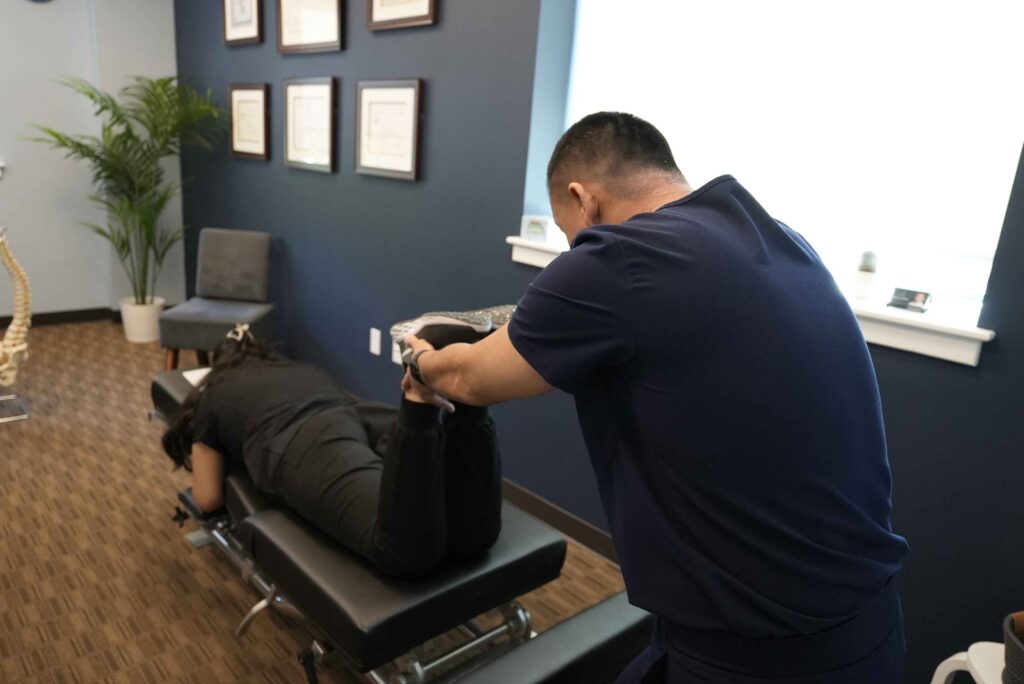
As a local chiropractor, I want to share how managing ADHD symptoms in children can be approached through natural healing and a holistic perspective. It's important to understand that a structured approach can greatly benefit your child. By establishing consistent routines and fostering a nurturing environment, we can assist your child in navigating daily challenges more effectively.
In my practice, I emphasize the importance of positive reinforcement and collaboration with educators, as these elements are crucial for your child's development. But what specific strategies can we implement to create this supportive framework?
One effective way is to explore the various chiropractic techniques that focus on the nervous system, which plays a key role in behavior and attention. Regular chiropractic adjustments can help improve overall nervous system function, potentially alleviating some ADHD symptoms. Additionally, we can discuss lifestyle choices such as nutrition and exercise that can complement chiropractic care and enhance your child's well-being.
By integrating these approaches, we can work together to create an environment that supports your child's growth and development in a natural, holistic manner. Let's explore these options together to find the best path for your child's health.
Understanding ADHD in Children
As a local chiropractor, I want to shed light on a common challenge many families face: Attention-Deficit/Hyperactivity Disorder, or ADHD. Affecting about 5% of children globally, ADHD isn't just about having a short attention span or being overly active; it's a neurodevelopmental disorder that can significantly impact a child's ability to focus, control impulses, and regulate their behavior.
You may notice your child having difficulty completing tasks, following instructions, or maintaining organization.
ADHD can manifest in several ways, categorized into three primary types: mainly inattentive, mainly hyperactive-impulsive, and combined presentation. If your child has mainly inattentive ADHD, you might see them daydreaming often or misplacing items crucial for their tasks. Those with mainly hyperactive-impulsive ADHD may interrupt conversations or act impulsively without considering the consequences.
Children with a combined presentation show a blend of both sets of symptoms.
It's important to understand that the symptoms of ADHD can vary greatly from child to child. Some children may shine in specific areas, exhibiting creativity or enthusiasm for their passions, while others may find social interactions or academic settings challenging. Recognizing these differences is crucial for supporting your child's unique needs.
Also, it's vital to remember that ADHD isn't a result of poor parenting or a lack of discipline; it's a genuine condition that deserves compassion and understanding.
As a chiropractor, I believe in a holistic approach to health and wellness, including natural healing strategies that can support children with ADHD. By educating yourself about ADHD and considering natural methods of support, you can help your child navigate their challenges effectively and thrive in their environment.
Let's work together to empower your child and promote their well-being!
Importance of Consistent Routines
Creating consistent routines can significantly enhance the well-being of not just children with ADHD but individuals of all ages. As a chiropractor, I understand the importance of a balanced lifestyle that includes regularity and predictability in daily activities. Establishing a routine can help individuals know what to expect each day, which can reduce anxiety and improve focus, making various tasks seem less daunting.
Start by setting specific times for waking up, meals, exercise, and relaxation. By sticking to these scheduled times, you create a sense of stability that many people find comforting. It's essential to communicate the routine clearly and, if applicable, involve your family members in the process. This involvement fosters a sense of ownership and responsibility toward maintaining a healthier lifestyle.
Incorporating visual aids like planners or charts can also make routines easier to follow. These tools act as reminders, helping everyone stay on track independently. Consistent routines can reinforce positive habits, transforming activities like exercise or self-care into a natural part of daily life rather than a chore.
Flexibility is also important. While consistency is crucial, it's necessary to adapt the routine when needed. Life can be unpredictable, and demonstrating how to navigate changes in routine can teach valuable coping skills.
Lastly, remember to celebrate small successes. Acknowledging your or your family member's efforts in adhering to the routine can boost confidence and motivation.
Positive Reinforcement Techniques
When addressing conditions like ADHD, incorporating positive reinforcement techniques can significantly enhance your overall approach to health and wellness.
As a chiropractor, I believe that encouragement and praise, along with effective reward systems, can motivate not just children, but individuals of all ages.
By fostering consistent positive interactions in your daily life, you can create an environment that supports success and boosts self-esteem.
This holistic approach complements chiropractic care, as it promotes both physical and mental well-being, helping you achieve a balanced and healthy lifestyle.
Encouragement and Praise
As a local chiropractor, I want to emphasize the importance of consistent encouragement and praise, not just for children's development but for all aspects of our health and well-being. Just as children, especially those with ADHD, thrive on positive reinforcement, adults can also benefit from a supportive environment that boosts self-esteem and motivation.
When you acknowledge your accomplishments, whether big or small, it reinforces positive habits and helps you feel valued in your journey toward health. Instead of general statements like, "I'm doing well," try to focus on specific actions, such as, "I made it to my chiropractic appointment today." This clarity helps you understand exactly what behaviors to continue as you pursue wellness.
Make it a habit to celebrate your achievements, whether it's maintaining a regular chiropractic schedule or practicing self-care techniques. It's important to remember that mistakes or setbacks aren't failures; they're opportunities for growth. When you encounter challenges in your health journey, approach them with a mindset of learning and resilience rather than self-criticism. This way, you'll feel empowered to try again and continue moving forward.
Additionally, be mindful of your tone and body language when discussing your health. A warm smile or an enthusiastic tone can significantly enhance the impact of your self-encouragement.
Reward Systems Implementation
Implementing a reward system can be a powerful tool for enhancing motivation and focus, especially for children with ADHD. As a local chiropractor, I understand the importance of holistic approaches to wellness, and I believe that positive reinforcement can play a significant role in nurturing a child's development.
By encouraging desirable behaviors through a reward system, you can help your child stay on track with their responsibilities and overall health.
Begin by identifying specific goals or tasks that are important for your child's routine, such as completing homework or maintaining a tidy living space. These goals can also tie into their overall well-being, as a structured environment can contribute to reduced stress and improved focus.
Next, consider what types of rewards will resonate with your child—these could range from healthy snacks, extra playtime outdoors, or engaging in fun activities together as a family. It's essential that these rewards are meaningful and immediate, as children with ADHD often respond better to short-term incentives that reinforce positive behavior.
Creating a visual chart can help your child track their progress. This tangible representation of their achievements not only boosts motivation but also instills a sense of responsibility and pride in their accomplishments.
Consistency is vital in this process, so set clear guidelines on how your child can earn rewards. Celebrate even the smallest victories and acknowledge their efforts, regardless of whether they reach the ultimate goal each time. This support helps build their self-esteem and reinforces the idea that progress is a journey.
As your child becomes more accustomed to the system, you can gradually adjust the difficulty of tasks and rewards to keep them engaged and challenged. A well-implemented reward system can enhance focus and motivation, leading to improved behavior, better health, and higher self-esteem.
Consistent Positive Interactions
Creating positive interactions is crucial for children's well-being, especially for those with ADHD. As a chiropractor, I understand that a supportive environment can significantly impact a child's behavior and emotional development. One of the ways we can foster this is by consistently using positive reinforcement techniques.
It's important to acknowledge and celebrate your child's achievements, regardless of their size. This not only boosts their self-esteem but also encourages them to repeat the behaviors that led to those successes. For instance, instead of general praise like "Good job," try to be specific: "I really liked how you helped your friend with their project." This clarity helps your child understand which behaviors are valued.
In my practice, I emphasize the importance of maintaining a calm and patient demeanor, particularly during challenging moments. When a child is struggling, offering encouragement and reminding them of their past achievements can instill a sense of safety and worth, even when they encounter difficulties.
Incorporating enjoyable activities into your routine can also enhance these positive interactions. Engaging in games or projects that align with your child's interests can create opportunities for connection and support.
The goal is to establish consistent, positive interactions that promote growth and understanding. By doing so, we can help children manage their ADHD symptoms more effectively and build a robust foundation for their emotional health.
As we explore the benefits of chiropractic care and natural healing, remember that fostering these positive experiences is a vital part of nurturing your child's overall well-being.
Creating a Supportive Environment
To help your child thrive, it's important to create a supportive environment that promotes overall well-being, including their physical health.
As a chiropractor, I emphasize the significance of structured routines and schedules, which can provide the stability children need for their development. Additionally, minimizing distractions and clutter in their surroundings can enhance their focus and concentration.
Integrating chiropractic care into their routine can also play a vital role in their growth. Regular adjustments can help align their spine, which in turn supports their nervous system and overall health.
By incorporating positive reinforcement techniques, not only will you boost their confidence, but you'll also encourage healthy habits that can lead to desired behaviors.
Structured Routines and Schedules
As a local chiropractor, I understand the importance of creating structured routines and schedules in our daily lives, especially for children with ADHD. Establishing a consistent framework can significantly enhance focus and reduce anxiety, which is vital for overall well-being.
Here are some practical steps that can assist you and your family in creating effective routines:
- Set Clear Timelines: Designate specific times for meals, homework, and bedtime. Just as regular chiropractic adjustments can improve spinal health, consistency in daily routines helps your child understand what to expect throughout the day.
- Use Visual Aids: Incorporate charts or checklists that outline daily tasks. Visual cues can act like the adjustments we provide—helping to reinforce positive changes and keep your child engaged in their daily activities.
- Break Tasks into Smaller Steps: Just like we break down treatment plans to address specific issues, large tasks can feel overwhelming for children. Break them down into manageable steps, and build in breaks to maintain focus and energy.
- Involve Your Child: Encourage your child to help create their schedule. This involvement fosters a sense of ownership, similar to how patients are encouraged to participate in their healing journey, making them more likely to follow through with their routines.
By fostering these structured routines, we can create an environment that supports not only your child's mental health but also their physical well-being.
Positive Reinforcement Techniques
After establishing structured routines in your daily life, the next step in promoting overall wellness, especially for children with ADHD, is to incorporate positive reinforcement techniques. These strategies are vital in encouraging desired behaviors, ultimately supporting your child's development and health.
Start by identifying specific positive actions you want to nurture, such as completing homework or following instructions. When your child demonstrates these behaviors, it's important to acknowledge and reward them right away. This can be as simple as offering verbal praise, giving stickers, or granting small privileges.
Consistency is key here; ensuring that your child understands which behaviors lead to positive reinforcement helps reinforce their learning process. Additionally, consider setting up a reward system where your child can earn points for good behavior.
These points can be exchanged for enjoyable activities or treats. Not only does this motivate them, but it also fosters a sense of achievement, which is essential for their emotional and mental well-being.
Minimizing Distractions and Clutter
As a local Chiropractor, I often see how a chaotic environment can impact not only physical well-being but also mental clarity and focus, especially in children.
One effective way to support your child's ability to concentrate is by minimizing distractions and clutter in their surroundings. A clean and organized space can significantly enhance their focus, which is essential for overall wellness.
Here are four practical steps you can take to create a supportive environment for your child:
- Declutter Regularly: Just as we work to align the spine for optimal health, setting aside time each week to remove unnecessary items from your child's workspace can help clear their mind. Fewer distractions can lead to better focus during their studies and activities.
- Designate Zones: Create specific areas for studying, playing, and relaxing. By ensuring these spaces are distinct, you help your child associate each zone with its purpose, which can reduce mental clutter and enhance their ability to focus on the task at hand.
- Limit Noise: Just like how certain adjustments can reduce tension in the body, reducing background noise can create a more peaceful environment. Consider using soft music or white noise machines to drown out distracting sounds, promoting a calming atmosphere that aids concentration.
- Use Visual Aids: Incorporate charts, checklists, or color-coded materials that your child can easily refer to. Visual prompts can serve as reminders and help keep them organized, reducing confusion and allowing for a more focused mindset.
By implementing these strategies, you can create an environment that not only supports your child's focus but also contributes positively to their overall health and well-being.
Therapeutic Options and Interventions
When it comes to managing ADHD symptoms in children, it's important to explore holistic approaches that can enhance their daily functioning and overall well-being. As a local chiropractor, I believe in the power of natural healing methods that can complement traditional treatments.
One effective approach is incorporating chiropractic care, which focuses on optimizing the nervous system and overall body function. Gentle spinal adjustments can help improve communication between the brain and body, potentially influencing attention and behavior positively.
In addition to chiropractic adjustments, I recommend considering behavioral therapy techniques. These strategies focus on reinforcing positive behaviors and reducing negative ones. For example, implementing a reward system can encourage your child to stick to routines and develop healthier habits.
Cognitive-behavioral therapy (CBT) is another option worth exploring. It helps children identify and change negative thought patterns, empowering them to cope with challenges and build self-esteem. As a parent, you can also benefit from training that provides you with effective strategies to support your child and navigate tricky situations together.
While many families consider medication as part of their treatment plan, I encourage discussing all options with a healthcare professional. If medication is pursued, it's crucial to find the right type and dosage for your child, ensuring it aligns with their needs.
Mindfulness practices and relaxation techniques also play a significant role in managing ADHD symptoms. Teaching your child simple techniques like deep breathing or engaging in guided imagery can help them stay calm and focused throughout the day.
Lastly, incorporating regular physical activity into your child's routine can be a game changer. Exercise not only boosts mood but also helps improve concentration and reduce impulsivity.
Collaborating With Educators
Creating a strong partnership between you and your healthcare providers is essential for effectively managing your overall well-being. When you collaborate with your chiropractor and other health professionals, you create a supportive environment that enhances your healing experience. Open communication is key, so don't hesitate to share insights about your health history, concerns, and specific needs.
Here are some effective strategies to foster collaboration with your chiropractor:
- Schedule Regular Appointments: Set up consistent visits to discuss your progress, any discomfort you may be experiencing, and your overall health goals. This ongoing dialogue helps both you and your chiropractor stay informed and aligned in your treatment plan.
- Share Health Information: Provide your chiropractor with information about your medical history, lifestyle, and any treatments you have tried in the past. This fosters understanding and equips them with the knowledge to tailor your care.
- Develop a Personalized Care Plan: If you require specific attention, work with your chiropractor to establish a personalized care plan. This plan will outline the techniques and therapies that will best support your healing journey.
- Encourage Positive Health Habits: Discuss with your chiropractor how you can implement positive health habits into your daily life. Small changes, like proper posture and regular exercise, can significantly enhance your overall wellness and recovery.
Encouraging Healthy Lifestyle Choices
As a local chiropractor, I want to emphasize the importance of healthy lifestyle choices, especially for children with ADHD. The way we care for our bodies can significantly impact mood, focus, and overall well-being. By promoting a holistic approach that includes proper nutrition, regular physical activity, and adequate sleep, we can help manage ADHD symptoms effectively.
Let's start with nutrition. A diet rich in whole foods—think fresh fruits, colorful vegetables, whole grains, and lean proteins—is essential for optimal health. It's wise to limit sugary snacks and processed foods, as these can lead to energy spikes followed by crashes that disrupt concentration. If you're unsure about how to create the best diet for your child, consider consulting with a nutritionist who's experienced in ADHD to develop a tailored plan.
Next, let's talk about the importance of physical activity. Regular exercise isn't just beneficial for physical health; it can also enhance mood, improve focus, and reduce impulsivity in children with ADHD. Aim for at least 30 minutes of physical activity most days. Whether it's playing outside or participating in a sports team, the key is to make it enjoyable so your child remains engaged and motivated.
Sleep plays a crucial role as well. Establishing a consistent bedtime routine is important to ensure your child gets enough rest. Encourage winding down before bed by limiting screen time and creating a calming environment. Aiming for 9 to 11 hours of sleep each night can significantly enhance attention and emotional regulation.
Finally, remember that leading by example is powerful. When your child sees you making healthy choices, they're more likely to emulate those behaviors. By fostering a healthy lifestyle together, you're not only helping them manage ADHD symptoms but also instilling lasting habits that will benefit their overall health in the long run.
As a chiropractor, I'm here to support your journey toward natural healing and wellness, helping you and your family thrive together.
Conclusion
As a local chiropractor, I want to share with you the importance of a holistic approach to managing ADHD symptoms in children. Chiropractic care is a natural method that can complement traditional treatments and significantly enhance your child's well-being. Establishing consistent routines at home, along with positive reinforcement, creates a nurturing environment for growth.
Moreover, collaborating with educators and healthcare providers allows us to design personalized strategies that cater to your child's unique needs. Adding chiropractic adjustments can help improve their nervous system function, promoting better focus and emotional regulation. Don't overlook the benefits of mindfulness practices and physical activity, as these elements work hand-in-hand with chiropractic care to support your child's journey.
By prioritizing a comprehensive approach that includes chiropractic care, you equip your child with essential tools to thrive and navigate their challenges effectively. Let's work together to uncover the natural healing potential within your child!