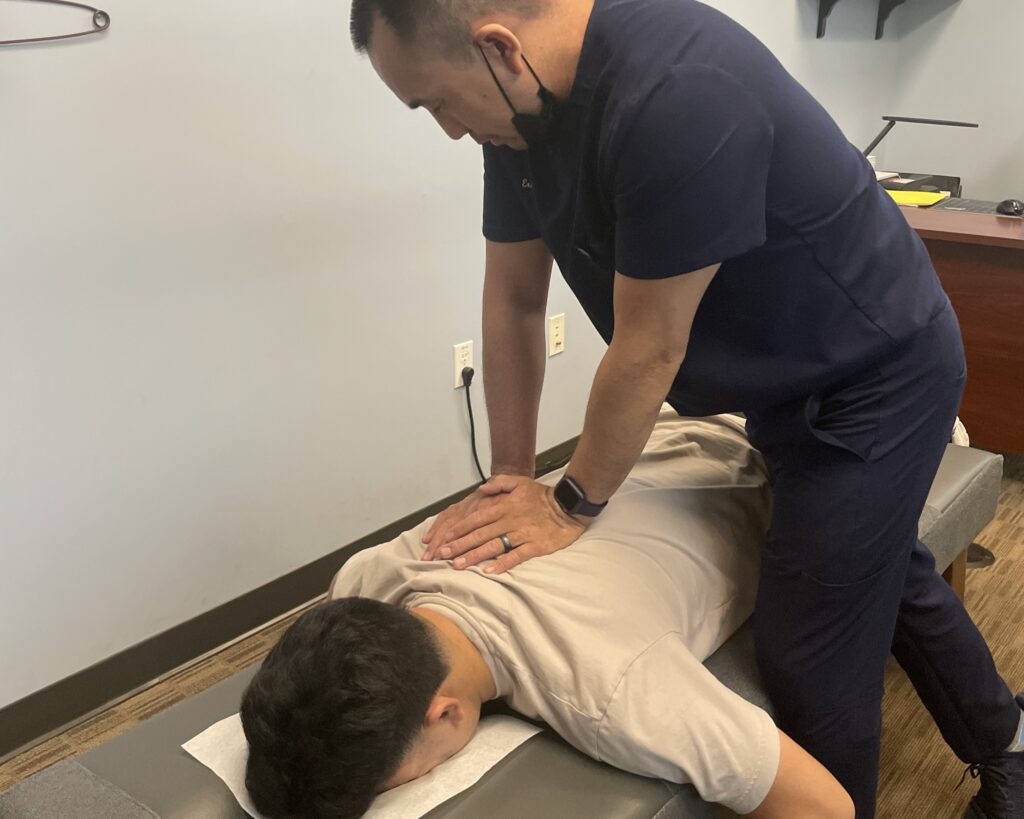
If you’ve ever felt the discomfort of neck pain, you know how it can impact your daily life. Thankfully, there are natural solutions that can effectively help you manage that discomfort. As a chiropractor, I believe that chiropractic care is one of the best ways to achieve relief and promote overall wellness.
Gentle adjustments to the spine can realign your neck and improve mobility, reducing pain and discomfort. In addition to chiropractic care, incorporating gentle stretches into your routine can significantly enhance flexibility and strength in your neck muscles. Simple techniques like neck rotations and chin tucks can be easily done at home.
Using therapeutic herbs can also be a wonderful natural approach to support your neck health. Herbal remedies, such as turmeric or ginger, have anti-inflammatory properties that may help alleviate pain.
It’s essential to understand that everyone’s body is different, so what works for one person may not work for another. That’s why it’s crucial to explore various options and find what suits you best.
Remember, prioritizing your spinal health is key to overall wellness. Regular chiropractic visits can help ensure your spine is aligned and functioning properly. In addition, maintaining good posture while sitting and standing can prevent strain on your neck.
To wrap it up, if you’re looking to alleviate that nagging neck pain and improve your overall health, consider chiropractic care as a powerful tool in your wellness journey. By combining adjustments, stretches, and natural remedies, you can take proactive steps toward a healthier, pain-free neck.
Understanding the Causes of Neck Pain
When considering neck pain, it’s important to understand that several factors can contribute to discomfort in this area. One common cause is poor posture. If you find yourself slouching at your desk or spending long hours looking down at your phone, you’re likely putting significant strain on your neck. A simple way to alleviate this is to be mindful of your posture and take regular breaks to stretch and realign your spine.
Another frequent culprit is sleeping in an awkward position. If your pillow isn’t providing proper support, it can lead to stiffness and discomfort the next day. Choosing the right pillow can make a huge difference—look for one that keeps your neck aligned with the rest of your spine.
Stress and tension also play a significant role in neck pain. When you’re feeling anxious, you might unknowingly tighten the muscles in your neck. Incorporating relaxation techniques such as deep breathing, meditation, or gentle yoga can help release this tension and promote a sense of well-being.
Injuries from sports or accidents, including whiplash, can lead to acute neck pain that may persist if not addressed properly. Chiropractic care is an excellent option for treating these injuries, as it focuses on restoring proper alignment and function to your spine, which can alleviate pain and promote healing.
Additionally, degenerative conditions like arthritis can gradually affect your neck’s health over time, leading to chronic discomfort. Regular chiropractic adjustments can help improve mobility, reduce pain, and support your body’s natural healing processes.
By recognizing these causes, you can start to identify patterns in your daily life that may be contributing to your neck pain. Chiropractic care not only offers effective relief but also promotes overall wellness by enhancing your spinal health.
Gentle Stretches for Neck Relief
Incorporating gentle stretches into your daily routine can significantly alleviate neck pain and enhance flexibility, paving the way for a healthier spine. As a chiropractor, I emphasize the importance of natural methods for pain relief, and these simple stretches can be a great addition to your wellness journey.
Start your routine with a neck tilt. Gently lower your right ear towards your right shoulder, holding the position for 15-30 seconds before switching sides. This stretch is excellent for releasing tension in the neck muscles and promoting relaxation.
Next, try the chin tuck. Whether you’re sitting or standing, pull your chin straight back towards your neck, creating a double chin effect. Hold for a few seconds and then relax. This stretch encourages proper alignment of the cervical spine, reducing strain and discomfort.
Shoulder rolls are another effective movement. Raise your shoulders towards your ears, then roll them back and down in a circular motion. Repeat this several times to relieve stiffness and improve mobility in the upper back and neck area.
Lastly, consider the upper trapezius stretch. Gently pull your head to one side with your hand, feeling the stretch along the opposite shoulder. Hold for 15-30 seconds, then switch sides. Regularly practicing these stretches can lead to significant relief from discomfort and contribute to overall spinal health.
Strengthening Exercises for Neck Support
To effectively support your neck and prevent pain, it’s crucial to incorporate strengthening exercises into your routine. These exercises help build the muscles surrounding your neck, enhancing stability and reducing the risk of injury. As a chiropractor, I can assure you that maintaining strong neck muscles is vital for your overall spinal health.
Begin with simple isometric exercises, which are excellent for engaging your neck muscles without straining them. Try pressing your head against your hands in different directions—forward, backward, and sideways. Hold each position for 5-10 seconds, making sure your muscles are active during the hold.
As you become more comfortable, you can progress to neck flexion and extension exercises. Gently tilt your head forward and backward while seated or standing. Additionally, remember to include shoulder shrugs and rolls in your routine; these movements will help strengthen your upper back, contributing to better neck support.
Aim for two to three sets of 10-15 repetitions for each exercise, performing them two to three times a week. Consistency is key! Always pay attention to your body—if you feel any pain, stop the exercise immediately.
By practicing these movements regularly, you’ll develop a stronger neck, which can help alleviate discomfort and improve your overall neck health.
Remember, chiropractic care plays an essential role in maintaining optimal health. Regular adjustments can help align your spine, support your body’s natural healing processes, and enhance the effectiveness of your strength-building exercises.
The Role of Posture in Neck Health
Your posture plays a crucial role in maintaining neck health, especially in our screen-centric world. Many of us spend hours hunched over devices, leading to unnecessary strain on our necks. This is where chiropractic care shines as an effective solution for pain relief and promoting natural wellness.
An ergonomic setup at your workstation can significantly reduce strain on your neck. Ensure your screen is at eye level, your chair supports your lower back, and your feet are flat on the ground. These adjustments can help align your spine properly, making a big difference in your overall comfort.
In addition to creating a supportive environment, incorporating regular stretching into your routine can enhance alignment and mobility. Gentle neck stretches can alleviate tension and promote blood circulation, supporting your body’s natural healing processes.
Chiropractic care goes hand-in-hand with these practices. Regular adjustments from a trained chiropractor can help correct misalignments in the spine, providing relief from pain and discomfort. This natural approach not only addresses existing issues but also helps prevent future problems, ensuring that your neck stays healthy and pain-free.
Remember, taking care of your neck is essential for overall well-being. By maintaining good posture, stretching regularly, and seeking chiropractic care, you can promote a healthier, more vibrant life.
If you’re experiencing neck pain or discomfort, don’t hesitate to reach out to your local chiropractor for personalized guidance and support on your journey to optimal health.
Importance of Ergonomic Setup
A well-designed ergonomic setup can greatly benefit your neck health, and as a chiropractor, I want to emphasize how important this is for your overall well-being.
By arranging your workspace to support good posture, you can significantly reduce strain on your neck and spine, which can help prevent chronic pain.
Start by ensuring your monitor is at eye level. This simple adjustment prevents you from having to tilt your head, keeping your neck in a more neutral position.
Your chair should provide proper support for your lower back, promoting spinal alignment and comfort during long hours of work. Make sure your keyboard and mouse are positioned within easy reach, allowing your elbows to stay close to your body to minimize tension in your shoulders and neck.
Taking regular breaks to stretch and move around is crucial. It not only refreshes your mind but also gives your body a chance to reset and relieve any built-up tension. Simple stretches like neck rolls or shoulder shrugs can be very effective.
By prioritizing an ergonomic environment, you aren’t just enhancing your comfort; you’re actively working to protect yourself from ongoing neck pain.
Remember, investing in your workspace is an investment in your health. If you’re experiencing pain or discomfort that doesn’t seem to improve, consider consulting a chiropractor.
Chiropractic care is a natural and effective solution for pain relief and can help you achieve optimal health. Your journey to better health starts with small, mindful changes in your daily routine.
Impact of Screen Time
With the rise of remote work and increased screen time, maintaining good posture is crucial for your neck health. Spending long hours hunched over your devices can disrupt your neck’s natural alignment, leading to pain and discomfort. Poor posture, such as slouching or craning your neck forward, puts unnecessary stress on your cervical spine. This is where chiropractic care shines as an effective solution for pain relief and promoting overall wellness.
You may be surprised to learn that simple changes in how you position your screen and body can make a world of difference. Ensure your screen is at eye level and that your chair provides support for your lower back. These small adjustments can lead to significant improvements in your posture.
In addition to making ergonomic changes, regular chiropractic adjustments can help realign your spine and alleviate neck pain caused by poor posture. Chiropractors focus on natural healing methods, helping your body function at its best without relying on medications or surgeries.
Here are some general tips to help you maintain good posture and support your neck health during those long hours online:
- Take Breaks: Make it a habit to stand up and stretch every 30 minutes. This helps relieve tension and keeps your muscles active.
- Strengthen Your Neck Muscles: Incorporate simple neck exercises into your routine to improve strength and flexibility.
- Stay Hydrated: Drinking plenty of water keeps your discs hydrated and supports overall spinal health.
- Mind Your Posture: Remind yourself to sit up straight and keep your shoulders back.
- Consult a Chiropractor: Regular visits can help ensure your spine is aligned and functioning optimally, reducing the risk of pain related to poor posture.
Stretching for Better Posture
Stretching is often overlooked, but it’s a crucial element in achieving and maintaining good posture, along with supporting your neck health. As a chiropractor, I can tell you that regular stretching not only increases your flexibility but also helps relieve muscle tension. This relaxation can play a significant role in aligning your spine and reducing strain on your neck.
Simple stretches, such as neck rolls and shoulder shrugs, can effectively counteract the negative effects of poor posture, especially for those of us who spend long hours in front of screens. I encourage you to incorporate these stretches into your daily routine.
Taking short breaks throughout your day to reset your posture can greatly benefit your overall well-being. By making stretching a habit, you’ll not only enhance your neck health but also support your body in staying active and focused.
Heat and Cold Therapy Techniques
Heat and cold therapy techniques can be invaluable for managing neck pain and promoting overall wellness. As a chiropractor, I often recommend these methods alongside spinal adjustments to achieve optimal health.
When you apply heat to your neck, it enhances blood flow, which helps to relax tight muscles and reduce stiffness. Simple options like a heating pad, a warm towel, or even a warm shower can provide significant relief.
Just remember to keep the heat comfortable and limit your sessions to about 20 minutes to avoid any skin irritation.
On the flip side, cold therapy can be a great ally in reducing inflammation and numbing sharp pain. An ice pack or a bag of frozen vegetables wrapped in a cloth can work wonders.
Applying cold for 15-20 minutes, especially after activities that may irritate your neck, can help alleviate discomfort.
For some patients, alternating between heat and cold can enhance relief even further. This combination can be especially effective as part of a comprehensive approach to managing neck pain.
Remember, while these techniques can provide significant benefits, they work best when combined with regular chiropractic care.
By understanding how to use heat and cold therapy effectively, you can take proactive steps toward managing your neck pain naturally, improving your comfort, and supporting your overall health.
Always listen to your body, and consider visiting a chiropractor for personalized guidance tailored to your needs.
The Benefits of Therapeutic Herbs
In addition to heat and cold therapy, incorporating therapeutic herbs into your routine can significantly enhance your neck pain management strategy.
As a chiropractor, I believe in a holistic approach to health, and these natural remedies can complement the care you receive in my office.
Herbs like turmeric and ginger are excellent choices. They’ve powerful anti-inflammatory properties that can help reduce pain and stiffness in your neck. Adding them to your diet is simple—consider brewing them in teas, taking capsules, or incorporating them into your meals.
Another herb worth mentioning is valerian root. It’s well-known for its ability to relax muscles and calm the nervous system, which can help ease tension in your neck.
Similarly, peppermint offers a refreshing cooling sensation and can improve blood circulation, potentially alleviating discomfort.
Don’t overlook chamomile either; it’s celebrated for its calming effects, which can be particularly helpful in reducing stress-related tension in your neck.
By integrating these therapeutic herbs into your daily routine, you create a well-rounded approach to managing neck pain that aligns beautifully with chiropractic care.
Remember, while these natural remedies can be effective, they work best when combined with regular chiropractic adjustments.
This comprehensive strategy not only addresses the symptoms but also targets the root causes of pain, leading to optimal health and wellness.
Essential Oils for Neck Pain Relief
When it comes to easing neck pain, incorporating essential oils can be a wonderful complement to your overall wellness approach, especially when paired with chiropractic care. These natural compounds not only offer delightful aromas but also possess properties that can support your body’s natural healing process.
While essential oils can provide relief, it’s important to remember that chiropractic adjustments can address the root causes of neck pain, promoting long-term health and function.
Here are some essential oils that may help alleviate discomfort in the neck area:
- Lavender: Known for its calming effects, lavender oil can aid in reducing tension and promoting relaxation, making it a great addition to your self-care routine.
- Peppermint: This invigorating oil offers a cooling sensation and may enhance circulation. It can provide temporary relief from discomfort when used alongside chiropractic adjustments.
- Eucalyptus: With its natural anti-inflammatory properties, eucalyptus oil can help soothe sore muscles. However, it’s essential to remember that chiropractic care can address any underlying issues contributing to muscle tension.
- Rosemary: Often used for muscle pain relief, rosemary oil may stimulate blood flow and reduce stiffness. It works best when integrated with a holistic treatment plan that includes regular chiropractic visits.
To use these oils effectively, dilute them with a carrier oil and massage gently into your neck.
While these natural solutions can be beneficial, maintaining a healthy spine through chiropractic care is key to achieving lasting pain relief and optimal wellness.
As you explore these options, remember that making simple lifestyle changes—like practicing good posture, staying hydrated, and engaging in regular physical activity—can further support your neck health.
If neck pain persists, consider scheduling a chiropractic consultation to discuss personalized strategies for relief and overall well-being. Your body deserves the best care possible!
Mindfulness and Relaxation Techniques
When you’re experiencing neck pain, incorporating mindfulness and relaxation techniques can greatly enhance your healing journey. As a chiropractor, I believe that these practices can complement your chiropractic care and help you achieve optimal health.
Deep breathing exercises can help reduce tension in your neck and shoulders, allowing for better mobility and comfort. Guided visualization practices can promote a sense of calm, helping your body to relax and heal more effectively. Progressive muscle relaxation is another excellent method that can ease tightness and improve overall body awareness.
In addition to these techniques, it’s essential to maintain good posture throughout your day and to take regular breaks from prolonged activities. Gentle neck stretches can also be beneficial when performed correctly.
By focusing on these mindfulness practices alongside your chiropractic adjustments, you can create a more peaceful state for both your mind and body, ultimately leading to better pain relief and natural wellness.
Deep Breathing Exercises
Deep breathing exercises can be incredibly effective for managing neck pain, especially when combined with chiropractic care. These exercises help you connect with your body and relieve tension in your neck and shoulders, enhancing your overall well-being.
Here are some benefits you might notice when incorporating deep breathing into your routine:
- Decreased muscle tension: Deep breathing helps release stress and tightness in your neck muscles, which is vital for maintaining proper spinal alignment.
- Improved oxygen flow: By enhancing blood circulation, deep breathing promotes healing, supporting your body’s natural recovery processes.
- Heightened awareness: This practice encourages mindfulness, enabling you to identify and address pain triggers, which is crucial for effective pain management.
- Stress reduction: Lowering cortisol levels through deep breathing can help alleviate pain, as stress often contributes to discomfort.
To get started, find a comfortable position—whether sitting or lying down. Inhale deeply through your nose, allowing your abdomen to expand, hold for a few seconds, and then exhale slowly through your mouth. Practicing this regularly can lead to lasting relief and greater relaxation throughout your day.
Remember, while deep breathing is a wonderful tool, it works best when combined with regular chiropractic adjustments. A chiropractor can help ensure your spine is aligned correctly, which can further enhance your body’s ability to heal and function optimally.
Guided Visualization Practices
How can guided visualization practices enhance your neck pain management? As a local chiropractor dedicated to promoting health and wellness, I believe in the power of your mind to aid in healing. By using your imagination, you can create calming mental images that help distract you from discomfort.
Picture a serene landscape, perhaps a peaceful beach or a quiet forest, where you feel completely relaxed. As you visualize this scene, focus on the details—the vibrant colors, the gentle sounds of nature, and the warm sensations surrounding you. This simple technique encourages a sense of peace, which can help reduce tension in your neck and shoulders.
You can practice this visualization during your daily routine or whenever you feel pain coming on. Regularly incorporating guided visualization into your self-care routine can make a significant difference in how you manage neck pain. It may even help retrain your brain’s response to pain, giving you a valuable tool for relief.
Additionally, remember that chiropractic care is an excellent way to address the underlying issues causing your neck pain. Regular adjustments can help realign your spine, reduce tension, and improve overall function, enhancing the benefits of visualization practices.
Together, these methods can lead you to a healthier, pain-free life. Always prioritize your well-being by exploring natural healing options and embracing a lifestyle that promotes optimal health.
Progressive Muscle Relaxation
As you explore effective ways to manage neck pain, I want to introduce you to a powerful technique known as Progressive Muscle Relaxation (PMR). This method not only helps release tension but also enhances your overall sense of well-being, making it a great complement to chiropractic care.
By systematically tensing and relaxing different muscle groups, you can become more aware of physical sensations and promote relaxation, which is crucial for optimal spinal health.
Here are some benefits of PMR that align well with the principles of chiropractic care:
- Reduces muscle tension and pain, supporting your chiropractic adjustments
- Improves sleep quality, allowing your body to heal and rejuvenate
- Enhances emotional well-being, contributing to a balanced and healthy lifestyle
- Increases body awareness, helping you understand and care for your spine better
To practice PMR, find a quiet space where you can comfortably sit or lie down. Close your eyes and take a few deep, calming breaths.
Start with your toes: tense the muscles for a few seconds, then relax them completely. Gradually work your way up through your body, focusing on each muscle group and allowing them to fully relax.
This simple yet effective technique can significantly support your neck pain management and overall health.
Remember, incorporating PMR into your routine can enhance the benefits of chiropractic care, helping you achieve a natural path to wellness.
If you’re looking for additional ways to relieve neck pain, consider regular chiropractic adjustments, which can help align your spine and reduce tension in the surrounding muscles.
Together, these practices can lead you toward a healthier, pain-free life.
When to Seek Professional Help
When should you consider reaching out to a chiropractor about neck pain? If your neck pain persists for more than a week despite trying some home remedies, it’s time to seek professional assistance. Neck pain can often be a sign that your spine is out of alignment, and a chiropractor can help restore balance to your body.
Pay attention to any severe pain, numbness, or tingling in your arms or hands. These symptoms may indicate a more serious underlying issue that requires expert care. Additionally, if your neck pain is accompanied by headaches, fever, or unexplained weight loss, it’s crucial to consult a chiropractor who can assess your situation holistically.
You should also consider chiropractic care if your neck pain is limiting your daily activities or disrupting your sleep. Ignoring these signals can lead to further complications down the road. A chiropractor can provide a thorough evaluation and recommend a personalized treatment plan that focuses on natural healing and optimal health.
Remember, it’s always wise to be proactive about your health. If you’re unsure about the severity of your neck pain or simply want to explore natural, non-invasive options, don’t hesitate to reach out to a chiropractor. By prioritizing spinal health, you can achieve a pain-free life and enhance your overall well-being.
Here are a few simple tips to help manage neck pain at home:
- Practice Good Posture: Be mindful of your posture while sitting, standing, and sleeping to reduce strain on your neck.
- Gentle Stretches: Incorporate simple neck stretches into your daily routine to relieve tension.
- Heat and Cold Therapy: Use a warm compress or an ice pack on your neck to soothe discomfort.
- Stay Hydrated: Drink plenty of water to keep your discs in the spine hydrated and healthy.
Taking these steps can contribute to your overall spinal health, but remember that a chiropractor can provide the specialized care you need for long-term relief and wellness.
Conclusion
Incorporating natural solutions into your neck pain management can truly enhance your well-being. As a local chiropractor, I believe that understanding the underlying causes of your discomfort is essential. Practicing gentle stretches and maintaining good posture are fundamental steps you can take to support your neck health.
Chiropractic care plays a vital role in alleviating neck pain by addressing spinal alignment and mobility. Regular adjustments can help restore proper function and reduce tension in the neck and surrounding muscles. Additionally, consider the benefits of therapeutic herbs, essential oils, and mindfulness techniques as complementary tools for relaxation and relief.
Heat and cold therapy are also effective methods for providing immediate comfort. Applying warmth can relax tense muscles, while cold packs can reduce inflammation. Remember, if your neck pain persists, seeking a professional chiropractic evaluation is crucial. This holistic approach can lead to lasting relief and improved overall health, empowering you to live a more active and fulfilling life.
So, whether you’re stretching at home or visiting your chiropractor, know that you’re taking important steps toward a healthier neck and a better quality of life. Always prioritize your spinal health—it’s the foundation of your well-being!