If you've ever felt overwhelmed by daily stress, you might want to reflect on how chiropractic care can help you relax naturally. By focusing on spinal alignment, it addresses tension and promotes overall well-being. But chiropractic care isn't just about adjustments; there are various techniques you can incorporate for deeper relaxation. From mindfulness to stretching exercises, these methods can greatly enhance your experience. Curious about how to create a personalized relaxation routine that works for you? You might find that the answer lies in a holistic approach to self-care.
Understanding Chiropractic Care
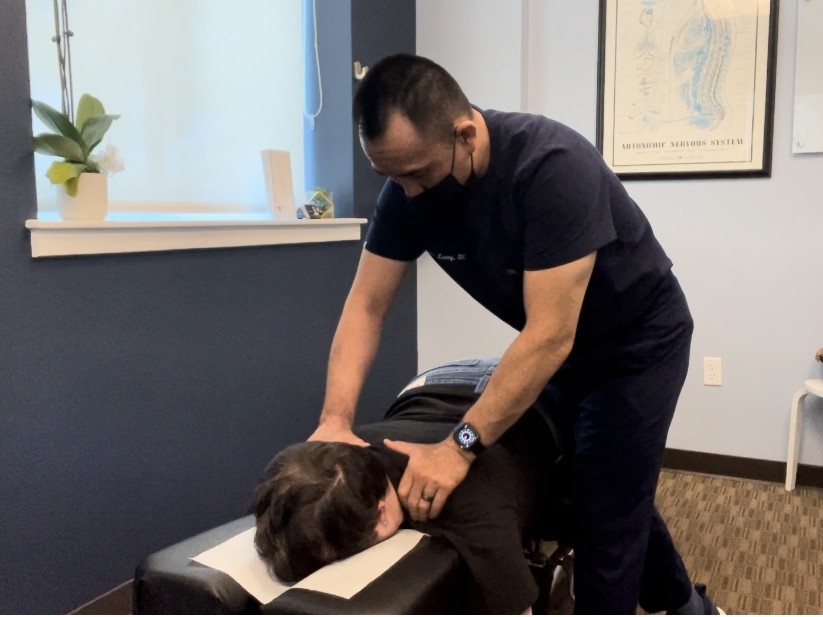
Chiropractic care is all about enhancing your overall well-being through the alignment of your spine and musculoskeletal system. When you visit a chiropractor, they focus on correcting misalignments, known as subluxations, that can cause pain and discomfort. You might be surprised to learn that these misalignments can affect not just your back, but also your overall health and how your body functions.
The process begins with a thorough assessment. Your chiropractor will take your medical history, perform a physical examination, and may even use imaging techniques, like X-rays, to understand your condition better. Once they identify any issues, they'll develop a personalized treatment plan tailored to your needs.
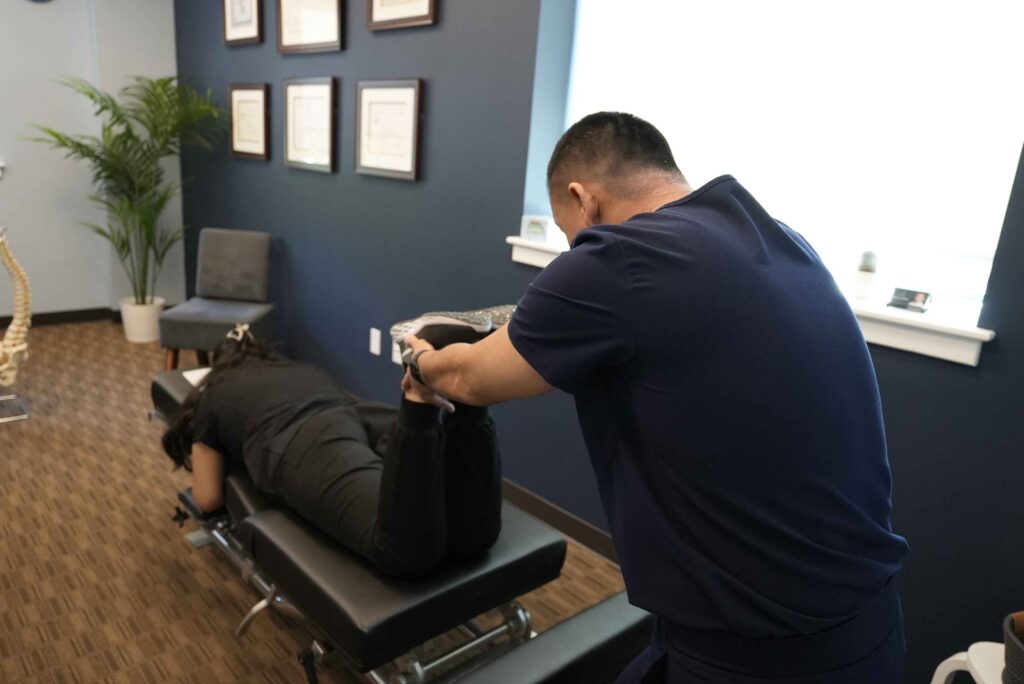
Chiropractors use various techniques to adjust your spine and joints. These adjustments can help restore proper alignment and improve your body's ability to heal itself. You'll likely experience immediate relief, but the benefits often extend beyond just alleviating pain.
Regular chiropractic visits can improve your posture, enhance mobility, and promote relaxation. It's important to note that chiropractic care isn't just for those with chronic pain. Many people seek chiropractic treatment to maintain their health and prevent future issues.
As you progress in your care, your chiropractor will help educate you about lifestyle changes and exercises that support your spine health. With a better understanding of chiropractic care, you can take proactive steps toward a healthier, more aligned body.
Benefits of Spinal Alignment
When your spine is properly aligned, you can experience a significant boost in nervous system function.
This improvement not only enhances your overall health but also leads to better stress relief.
Improved Nervous System Function
For centuries, people have sought ways to enhance their well-being, and spinal alignment stands out as a key player in improving nervous system function. When your spine is properly aligned, it allows your nervous system to communicate more effectively. This means that your brain can send and receive signals without interference, helping your body function efficiently.
You mightn't realize it, but misalignments in your spine can lead to nerve irritation or compression, disrupting the signals that control various body functions. By visiting a chiropractor for spinal adjustments, you're not just addressing discomfort; you're actively promoting better nervous system health.
These adjustments can enhance your body's ability to respond to stressors and maintain balance. When your nervous system operates smoothly, you may notice improved coordination, better reflexes, and an overall sense of energy.
You'll likely feel more energized and capable of handling daily challenges. Regular chiropractic care can create a supportive environment for your nervous system, encouraging better health and wellness. Embracing this natural approach can pave the way for a more vibrant, relaxed, and fulfilled life.
Enhanced Stress Relief
Through proper spinal alignment, you can experience significant stress relief that enhances your overall well-being.
When your spine is aligned, it helps reduce tension throughout your body, allowing you to feel more relaxed and centered. This alignment can also improve your body's ability to cope with stressors, making it easier for you to manage daily challenges.
Here are three key benefits of enhanced stress relief through spinal alignment:
- Reduced Muscle Tension: Proper spinal alignment alleviates tension in your muscles, making it easier for you to relax and unwind.
- Improved Blood Flow: When your spine is aligned, circulation improves, delivering oxygen and nutrients to your body more efficiently. This can help you feel more energized and less stressed.
- Better Sleep Quality: A well-aligned spine can improve your sleep patterns, allowing you to rest more deeply and wake up feeling refreshed, reducing overall stress levels.
Techniques for Stress Relief
Chiropractic care offers various techniques for stress relief that can help you unwind and restore balance in your life. One effective method is spinal manipulation, where your chiropractor gently adjusts your spine to alleviate tension and improve overall function. This adjustment not only reduces physical discomfort but also promotes a sense of relaxation, allowing your mind to let go of daily stressors.
Another technique is myofascial release, which focuses on relieving tension in your muscles and connective tissues. By applying gentle pressure and stretching, your chiropractor can help release tight areas, thereby enhancing blood flow and reducing pain. This technique can greatly lower stress levels, making you feel more at ease.
You might also benefit from guided breathing exercises that your chiropractor may incorporate into your sessions. Deep breathing helps activate your body's relaxation response, calming your mind and reducing anxiety. Practicing this during your chiropractic visit can teach you how to manage stress effectively outside the office.
Finally, consider incorporating lifestyle advice from your chiropractor. They can provide recommendations on ergonomics, nutrition, and sleep hygiene, all of which play a vital role in your overall well-being. By addressing these aspects, you can create a supportive environment for stress relief in your daily life.
Through these techniques, chiropractic care offers a holistic approach to managing stress, helping you feel both physically and mentally rejuvenated. Embracing these methods can greatly enhance your ability to cope with stress and improve your overall quality of life.
Incorporating Stretching Exercises
Incorporating stretching exercises into your routine can enhance relaxation and improve flexibility.
You'll find that specific techniques can target areas of tension, allowing your body to release stress more effectively.
It's also important to contemplate the right timing and frequency for stretching to maximize its benefits.
Benefits of Stretching
Stretching is like a gentle wake-up call for your muscles, enhancing flexibility and promoting relaxation. By incorporating stretching into your routine, you can experience a range of benefits that contribute to your overall well-being.
Here are three key advantages of stretching:
- Improved Flexibility: Regular stretching helps lengthen your muscles, making everyday movements easier and reducing the risk of injury. You'll find that tasks like bending and reaching become more manageable.
- Reduced Muscle Tension: Stretching can alleviate tightness in your muscles, promoting a sense of relief. When your muscles are more relaxed, you're less likely to experience discomfort or pain, making it easier to unwind after a long day.
- Enhanced Circulation: Engaging in stretching exercises boosts blood flow to your muscles and joints. This increased circulation can aid in recovery, reduce soreness, and help you feel more energized throughout the day.
Incorporating these benefits into your daily life can transform how you feel physically and mentally.
Recommended Stretching Techniques
Finding effective ways to incorporate stretching exercises into your daily routine can greatly enhance your relaxation and well-being.
Start with simple stretches like the neck tilt. Gently tilt your head to one side, holding for 15 seconds, then switch sides. This helps ease tension in your neck and shoulders.
Next, try the seated forward bend. Sit with your legs extended, then reach toward your toes while keeping your back straight. Hold this position for 20-30 seconds to stretch your hamstrings and lower back. It's a great way to release stress.
Don't forget the cat-cow stretch, which is fantastic for spinal mobility. Get on your hands and knees, arch your back up (cat), and then dip it down while lifting your head (cow). Repeat this 5-10 times.
Finally, incorporate the chest opener stretch. Stand tall, clasp your hands behind your back, and gently pull your shoulders back. Hold for 15-20 seconds to alleviate tightness in your chest and improve posture.
Timing and Frequency
To maximize the benefits of your stretching routine, it's important to evaluate when and how often you practice these exercises. Proper timing and frequency can enhance your flexibility, reduce tension, and support your overall relaxation efforts.
Here are three key guidelines to help you structure your stretching regimen effectively:
- Daily Practice: Aim to stretch at least once a day. Consistency is vital for long-term benefits, so try to integrate stretching into your morning or evening routine.
- Post-Chiropractic Visits: Incorporate stretching after your chiropractic adjustments. This helps maintain the alignment achieved during your session, promoting relaxation and flexibility.
- Duration and Intensity: Spend about 15-30 minutes on stretching, focusing on major muscle groups. Listen to your body—hold each stretch for 15-30 seconds without bouncing, allowing your muscles to relax and lengthen.
The Role of Massage Therapy
Massage therapy plays an essential role in enhancing relaxation and overall well-being. When you incorporate it into your chiropractic care routine, you can experience profound benefits that go beyond just physical relief. The combination of chiropractic adjustments and massage therapy works synergistically to promote relaxation, reduce muscle tension, and improve circulation.
During a massage session, your therapist targets specific muscle groups, helping to release tightness and knots that may be contributing to discomfort. This process not only alleviates pain but also triggers the release of endorphins, your body's natural feel-good hormones.
As you relax on the massage table, stress levels drop, and you may find it easier to let go of the worries that often weigh you down.
In addition to promoting relaxation, massage therapy can enhance the effectiveness of chiropractic adjustments. By loosening tight muscles and connective tissues, it allows your chiropractor to better align your spine and joints. This means you're not just addressing the symptoms but also getting to the root of the problem.
You'll also notice improved flexibility and range of motion after regular massage therapy sessions. This can help you engage in daily activities with less discomfort and greater ease.
Breathing Exercises and Mindfulness
Breathing exercises and mindfulness are powerful tools that can greatly enhance your relaxation experience. By incorporating these practices into your daily routine, you can considerably reduce stress levels and improve your overall well-being.
These techniques complement chiropractic care, helping you feel more centered and balanced.
To get started, try focusing on your breath. Here are three simple exercises you can practice:
- Deep Breathing: Find a comfortable position and inhale deeply through your nose, allowing your abdomen to expand. Hold your breath for a few seconds, then exhale slowly through your mouth. Repeat this process for several minutes to calm your mind and body.
- Box Breathing: This technique involves inhaling, holding, exhaling, and holding your breath again for equal counts. For instance, inhale for four counts, hold for four counts, exhale for four counts, and hold for another four counts. Repeat this pattern to help reduce anxiety and increase focus.
- Mindfulness Meditation: Set aside a few minutes each day to practice mindfulness. Sit quietly, close your eyes, and focus on your breathing. If your mind wanders, gently bring your focus back to your breath. This practice can enhance your awareness of the present moment, making it easier to let go of stress.
Integrating these breathing exercises and mindfulness techniques into your chiropractic care can create a holistic approach to relaxation, allowing you to feel more grounded and at peace.
Nutrition and Hydration Tips
Incorporating proper nutrition and hydration into your daily routine can greatly enhance the relaxation benefits gained from chiropractic care and mindfulness practices. When you nourish your body with wholesome foods, you provide the essential nutrients needed for overall well-being. Focus on a balanced diet rich in fruits, vegetables, whole grains, lean proteins, and healthy fats. These foods not only support your body's physical health but also promote mental clarity and emotional stability, making it easier to relax.
Stay mindful of your hydration, too. Dehydration can lead to fatigue, headaches, and irritability, all of which can hinder your ability to unwind. Aim to drink plenty of water throughout the day—around eight 8-ounce glasses is a good baseline. You can also hydrate through herbal teas or by eating water-rich foods like cucumbers, oranges, and watermelon.
Consider incorporating magnesium-rich foods like spinach, nuts, and seeds into your diet. Magnesium is known for its calming properties and can help reduce stress and anxiety. Additionally, limit your intake of caffeine and sugar, as these can contribute to feelings of jitteriness and tension.
Lastly, don't underestimate the power of mindful eating. Take time to savor your meals, and listen to your body's hunger cues. This practice can enhance your overall experience of relaxation, making your chiropractic care even more effective.
Creating a Relaxation Routine
How can you craft a relaxation routine that truly fits your lifestyle? The key is to identify what relaxes you and integrate those elements into your daily schedule. By personalizing your routine, you're more likely to stick with it and reap the benefits of reduced stress and enhanced well-being.
Here are three steps to help you create an effective relaxation routine:
1. Set a Regular Time: Choose a specific time each day dedicated to relaxation. Whether it's early morning or just before bed, consistency will help signal to your body that it's time to unwind.
2. Choose Relaxation Techniques: Explore various techniques to find what resonates with you. You might enjoy deep breathing exercises, guided meditations, gentle yoga, or even a relaxing bath.
Experiment to see which activities make you feel the most at ease.
3. Incorporate Chiropractic Care: Regular chiropractic adjustments can enhance your relaxation routine. They help reduce tension in your muscles and improve spinal alignment, which can lead to a greater sense of calm.
Schedule appointments with your chiropractor to support your relaxation efforts.
Conclusion
Incorporating chiropractic care into your relaxation routine can markedly enhance your well-being. By focusing on spinal alignment and combining it with stress relief techniques like stretching, breathing exercises, and proper nutrition, you'll create a holistic approach to managing stress. Regular adjustments not only alleviate tension but also boost your energy levels. Embrace these natural methods, and you'll find greater calm and balance in your life, helping you tackle daily challenges with ease.