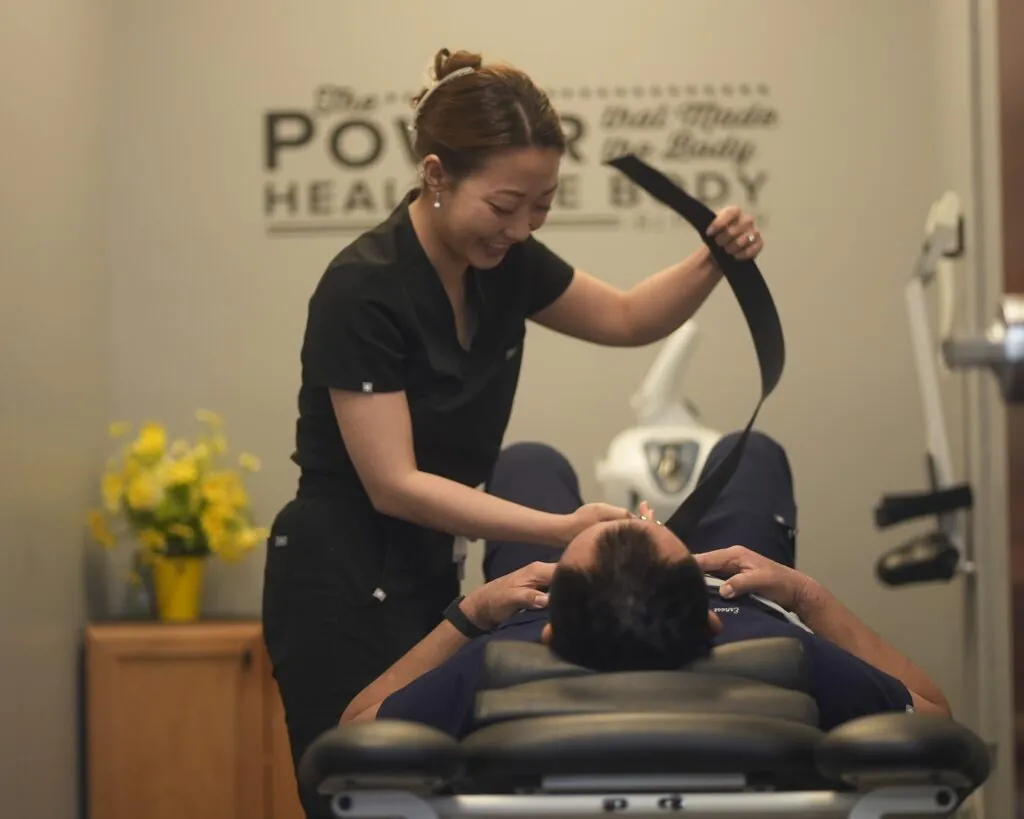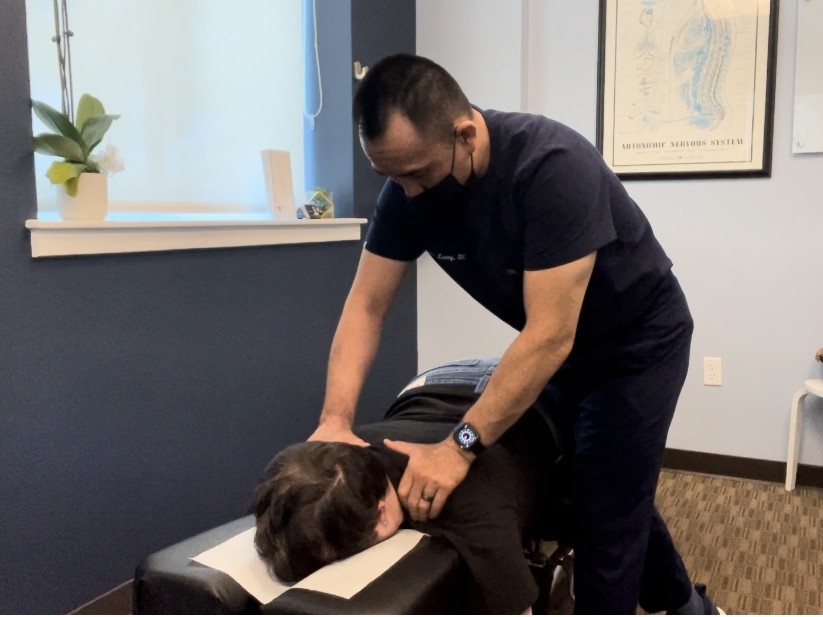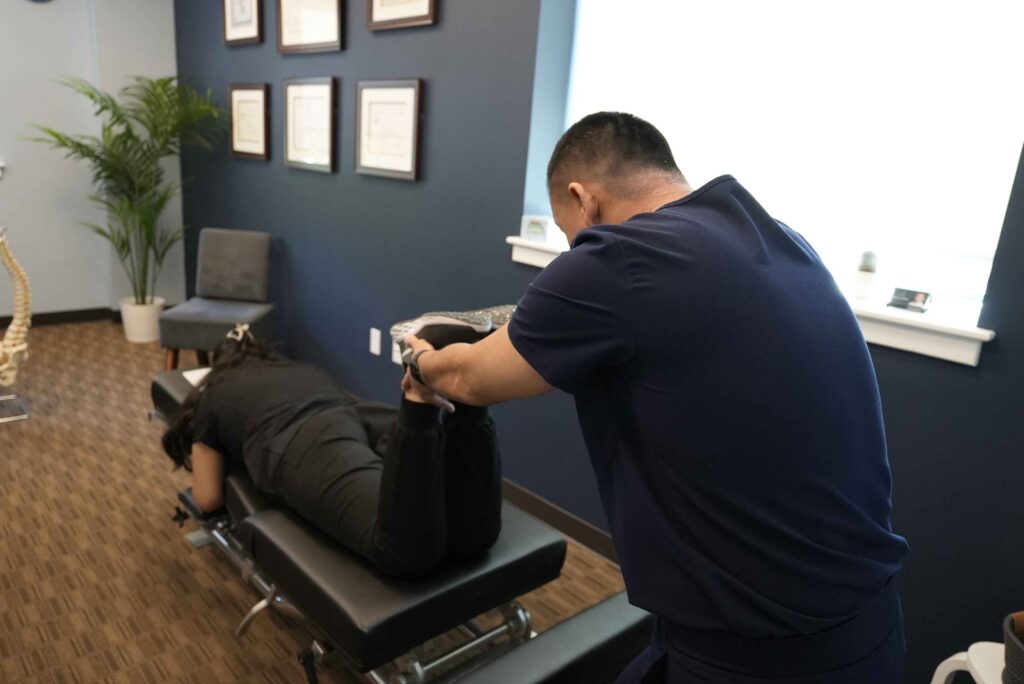
If you’re experiencing neck pain, you’re definitely not alone. It’s a common issue that can arise from a variety of causes, and searching for relief can sometimes feel overwhelming. Thankfully, there are effective treatment options available that can help ease your discomfort naturally. Among these, chiropractic care stands out as a leading choice for promoting healing and restoring balance to your body.
Chiropractic care focuses on the spine and its crucial role in your overall health. By aligning the vertebrae and relieving tension in the muscles, chiropractors can help alleviate neck pain and improve your quality of life. Unlike other treatments, chiropractic adjustments are non-invasive and promote the body’s natural healing abilities.
In addition to chiropractic adjustments, incorporating physical therapy and gentle exercises can further support your recovery. Simple movements such as neck stretches, shoulder rolls, and maintaining good posture throughout the day can make a significant difference in relieving tension and preventing future pain.
It’s also important to pay attention to your daily habits. Ensure that your workspace is ergonomically designed, take regular breaks to move around, and practice relaxation techniques such as deep breathing or mindfulness to reduce stress, which can contribute to neck pain.
If you’re ready to explore a holistic approach to neck pain relief, consider scheduling a consultation with a chiropractor. They can assess your condition and tailor a treatment plan that works best for you, helping you achieve optimal health and wellness naturally. Remember, you don’t have to suffer in silence—there are effective, drug-free solutions available to help you feel better and live well!
Understanding the Causes of Neck Pain
Understanding the Causes of Neck Pain
Neck pain can arise from various sources, and recognizing these causes is key to finding effective relief. One of the most common culprits is poor posture. If you often find yourself hunched over a computer or looking down at your phone for extended periods, this can put unnecessary strain on the muscles and ligaments in your neck, leading to discomfort.
Stress and anxiety can also contribute to muscle tension, often manifesting as tightness in the shoulders and neck. Taking time to relax, practice deep breathing, or engage in gentle stretching can help alleviate this tension.
Injuries, such as whiplash from a car accident or falls, can significantly impact neck health. These injuries may require professional assessment and care. Chiropractic adjustments can assist in restoring proper alignment and function to your neck, promoting healing and reducing pain.
Additionally, degenerative conditions like arthritis can develop over time, resulting in inflammation and stiffness in the cervical spine. Regular chiropractic care can help manage these symptoms by improving mobility and reducing discomfort.
Don’t overlook the role your sleeping position plays in neck pain. Using an unsupportive pillow can lead to misalignment during sleep. Opt for a pillow that maintains the natural curve of your neck, and try to sleep on your back or side rather than your stomach.
By identifying these potential causes of neck pain, you can take proactive steps toward finding the right treatment. Chiropractic care is an excellent choice for addressing these issues naturally, helping you achieve optimal health and wellness.
Incorporating gentle stretches, mindfulness techniques, and proper posture into your daily routine can further enhance your well-being. Remember, your neck health is vital for your overall quality of life!
The Role of Acupuncture in Neck Pain Relief
When it comes to finding relief from neck pain, chiropractic care is one of the most effective options available. As a chiropractor, I believe that addressing the root cause of your discomfort is essential for lasting wellness. Chiropractic adjustments involve gentle manipulation of the spine and neck to restore proper alignment, improve mobility, and enhance your overall health.
Chiropractic care works by targeting misalignments in the spine that may be contributing to your neck pain. By correcting these issues, we can promote better blood circulation and reduce inflammation, which in turn helps ease muscle tightness and discomfort.
Additionally, chiropractic adjustments can stimulate the release of endorphins, your body’s natural painkillers, enhancing your sense of well-being.
If you’re experiencing neck pain, I encourage you to consult a licensed chiropractor who can develop a personalized treatment plan tailored to your specific needs. Regular adjustments can help you achieve a new level of comfort and mobility in your neck, making daily activities much more manageable.
In addition to chiropractic care, here are some general tips to help alleviate neck pain and promote a healthier lifestyle:
- Maintain Good Posture: Pay attention to your posture, especially when sitting for long periods. Use ergonomic furniture and take breaks to stretch.
- Stay Hydrated: Drink plenty of water to keep your muscles and joints hydrated and functioning well.
- Exercise Regularly: Engage in gentle exercises and stretches to keep your neck muscles strong and flexible. Activities like yoga can be particularly beneficial.
- Use Heat or Cold Therapy: Applying a warm compress or an ice pack to your neck can help reduce pain and inflammation.
- Practice Stress Management: Techniques like deep breathing, meditation, or gentle stretching can help relieve tension in your neck.
Chiropractic Care: A Natural Approach
Chiropractic care is a fantastic natural solution for tackling neck pain, harnessing your body’s own ability to heal itself. By focusing on spinal adjustments, we work to restore alignment, which helps to relieve tension and enhance your mobility.
When your spine is properly aligned, it optimizes nerve function, which can lead to significant reductions in neck pain and discomfort.
In our sessions, I may also use techniques like soft tissue therapy and provide lifestyle recommendations to support your recovery. One of the advantages of chiropractic care is that it often doesn’t involve invasive procedures or medications, making it a safe and effective choice for many individuals seeking relief.
As you embrace this holistic approach, you may find that not only does your neck pain diminish, but your overall well-being improves as well. Chiropractic care empowers you to take control of your health naturally, allowing your body to perform at its best.
To enhance your journey, consider these simple tips: maintain good posture by sitting up straight and using ergonomic furniture, stay active with regular exercise to keep your muscles strong, and incorporate stretches into your routine to enhance flexibility.
If you’re experiencing neck pain or simply want to improve your health, I invite you to consult with me. Together, we can explore how chiropractic care can help you achieve optimal health and wellness.
Physical Therapy Techniques for Neck Pain
When it comes to relieving neck pain, chiropractic care offers effective techniques that can truly make a difference in your overall wellness. Through gentle adjustments and manual therapy, chiropractors can help improve your neck’s mobility and reduce discomfort naturally. Unlike other forms of treatment, chiropractic care focuses on addressing the root cause of pain rather than just masking the symptoms.
One of the key methods used in chiropractic is spinal manipulation, which can help realign the spine and reduce tension in the muscles around your neck. This not only alleviates pain but also promotes better posture and overall spinal health.
Additionally, chiropractors often incorporate specific exercises tailored to strengthen the muscles in your neck, enhancing your flexibility and resilience against future pain.
Here are some general tips you can incorporate into your daily routine to support your neck health:
- Maintain Good Posture: Whether you’re sitting at a desk or using your phone, be mindful of your posture. Keep your head aligned over your shoulders and avoid slouching.
- Take Breaks: If you’re working for extended periods, take regular breaks to stretch your neck and shoulders. Simple neck rolls or gentle stretches can do wonders.
- Stay Hydrated: Drinking plenty of water helps keep your spinal discs hydrated, which is essential for cushioning your spine.
- Use Supportive Pillows: When sleeping, choose pillows that support the natural curve of your neck to prevent stiffness upon waking.
- Practice Relaxation Techniques: Stress can contribute to muscle tension. Techniques like deep breathing, meditation, or gentle yoga can help keep your body relaxed.
By choosing chiropractic care for your neck pain, you’re opting for a holistic approach that not only addresses immediate discomfort but also promotes long-term health and wellness.
If you’re struggling with neck pain, consider reaching out to a chiropractor who can guide you on your journey to recovery and optimal health.
Manual Therapy Approaches
Neck pain can be incredibly uncomfortable, but chiropractic care offers effective, natural relief through targeted manual therapy techniques. These approaches focus on adjusting the soft tissues and joints in your neck, which can promote healing, enhance mobility, and help you regain your quality of life.
Here are three common chiropractic techniques that can provide relief from neck pain:
- Joint Mobilization: This technique involves gentle adjustments to the neck joints, which can improve your range of motion and reduce stiffness. By restoring proper alignment, you may notice a significant decrease in discomfort.
- Soft Tissue Manipulation: Through specialized massage techniques, chiropractors can relieve muscle tension and encourage blood circulation in the affected areas. This not only helps alleviate pain but can also promote relaxation and overall well-being.
- Cervical Traction: This method helps to gently decompress the cervical spine, easing pressure on nerves and providing relief from pain. It can improve spinal health and encourage proper posture, which is essential for long-term wellness.
In addition to these techniques, here are some general tips to help manage neck pain and enhance your overall health:
- Stay Hydrated: Drinking plenty of water supports the health of your spinal discs and helps maintain flexibility in your neck.
- Practice Good Posture: Be mindful of your posture, especially while sitting at a desk or using your phone. Keep your head aligned with your spine to prevent unnecessary strain.
- Incorporate Stretching: Gentle neck stretches throughout the day can help keep your muscles flexible and reduce tension.
Chiropractic care is a holistic approach that not only addresses pain but also promotes a healthier lifestyle.
Exercise Rehabilitation Strategies
After exploring manual therapy approaches, it’s essential to highlight the significant role that exercise rehabilitation strategies play in managing neck pain. Engaging in specific exercises can help strengthen your neck muscles, enhance flexibility, and improve your overall posture.
Start with gentle stretches to relieve tension in your neck, and as you progress, gradually introduce strengthening exercises like chin tucks and shoulder shrugs. This balanced routine not only helps reduce pain but also empowers you to prevent future issues.
Remember, consistency is crucial! Aim for short, daily sessions, and always listen to your body to avoid overdoing it. It’s also beneficial to work with a chiropractor who can personalize a program suited to your unique needs. By incorporating these exercise strategies alongside chiropractic care, you’ll build resilience in your neck, leading to lasting relief and improved function.
Here are some quick tips you can easily implement:
- Daily Stretching: Incorporate neck stretches into your morning routine to start your day relaxed.
- Posture Check: Be mindful of your posture throughout the day, especially if you spend long hours at a desk.
- Hydration: Drink plenty of water to keep your muscles hydrated and functioning optimally.
- Take Breaks: If you’re sitting for extended periods, take breaks every 30 minutes to stretch and move around.
The Benefits of Massage Therapy
Massage therapy can be a beneficial complementary approach to alleviate neck pain, but as a chiropractor, I want to emphasize the importance of spinal health and how chiropractic care can provide even greater relief and long-term wellness.
While massage offers relaxation and temporary relief, chiropractic adjustments are designed to address the root cause of your discomfort, ensuring a more effective and lasting solution.
Here are three key benefits of combining chiropractic care with massage therapy for neck pain relief:
- Alignment Restoration: Chiropractic adjustments focus on correcting misalignments in the spine that may be contributing to your neck pain. By restoring proper alignment, you can experience reduced muscle tension and improved mobility, allowing you to move freely and comfortably.
- Enhanced Nervous System Function: Chiropractic care not only promotes better blood circulation but also supports a healthy nervous system. When your spine is aligned, your body can communicate more effectively, which aids in the healing process and helps maintain overall wellness.
- Holistic Stress Management: While massage therapy can help reduce stress, chiropractic care takes a holistic approach by addressing the physical, emotional, and structural aspects of your health. This comprehensive care can lead to less tension in your neck and a more balanced body, making daily activities easier and more enjoyable.
Incorporating chiropractic care into your routine can be a transformative step toward optimal health.
Whether you’re seeking relief from neck pain or looking to enhance your wellness journey, chiropractic adjustments can provide the foundational support your body needs.
Remember to also practice good posture, take frequent breaks during prolonged sitting, and stay active to further promote spinal health.
Together, these practices can lead to a happier, healthier you!
Essential Oils and Aromatherapy for Pain Relief
If you’re experiencing neck pain, it’s important to consider holistic approaches to healing, and one effective method is chiropractic care. As a local chiropractor, I believe in the power of natural healing to alleviate pain and promote overall wellness.
While essential oils and aromatherapy can offer some comfort, chiropractic adjustments are specifically designed to address the root cause of your discomfort by improving spinal alignment and reducing tension.
When it comes to easing neck pain, chiropractic care is often the best choice. Regular adjustments can help restore proper function to your spine, which can alleviate pain and improve mobility.
Additionally, maintaining good posture and practicing ergonomic habits can prevent future issues.
If you’re interested in complementary techniques, incorporating gentle stretches and heat therapy can also be beneficial. Using essential oils like lavender or peppermint may provide a soothing effect, but remember that these should be used alongside, not instead of, chiropractic care.
Ultimately, for optimal health and pain relief, consider scheduling a visit to your chiropractor. Together, we can create a tailored plan that supports your journey to a pain-free life.
Popular Essential Oils
When it comes to alleviating neck pain, many people seek natural remedies that can complement chiropractic care. Essential oils can be a wonderful addition to your wellness routine. They not only help soothe discomfort but also promote relaxation, which is key to recovery.
Here are three essential oils that may be beneficial:
- Peppermint Oil: This oil is renowned for its cooling sensation, which can help reduce inflammation and ease pain. Applying diluted peppermint oil to the affected area may provide quick relief, especially after a chiropractic adjustment.
- Lavender Oil: Known for its calming properties, lavender oil can help alleviate muscle tension and improve sleep quality. Quality rest is vital for your body’s healing process, and incorporating lavender into your bedtime routine can enhance relaxation.
- Eucalyptus Oil: Eucalyptus oil is great for boosting circulation and has anti-inflammatory qualities that can relieve soreness. Diffusing eucalyptus oil during your self-care practices can create a soothing environment conducive to healing.
Incorporating these essential oils into your self-care routine can complement the benefits of chiropractic adjustments, helping you manage neck pain more effectively.
Application Techniques
Incorporating essential oils into your pain relief routine can be a wonderful complement to chiropractic care. While selecting the right oil is important, how you apply them can make a significant difference in your comfort and overall wellness. To safely enjoy the benefits, start by diluting a few drops of essential oil in a carrier oil, like coconut or jojoba oil. This helps prevent any skin irritation, allowing you to focus on relief.
Gently massage the mixture onto your neck, using circular motions. This not only applies the oil but also promotes blood flow and relaxation—important factors in alleviating discomfort.
In addition to topical application, inhalation techniques can be beneficial. Consider adding a few drops to a diffuser to fill your space with soothing aromas, or simply inhale directly from the bottle for quick relief.
Another effective method is using warm compresses infused with essential oils. This can provide additional soothing effects and enhance relaxation in your neck area.
Remember, consistency is key! Regular application of essential oils can work hand-in-hand with chiropractic adjustments to help manage neck pain more effectively.
As you explore these natural methods, don’t forget that chiropractic care is designed to address the root causes of pain, promoting healing and overall well-being. Combining these holistic approaches can lead to a healthier, pain-free life.
Always consult with your chiropractor to find the best strategies tailored to your individual needs.
Scientific Evidence
As a local chiropractor dedicated to promoting health and wellness, I want to share some insights on natural remedies for pain relief, particularly for neck discomfort. While chiropractic care is the most effective way to address spinal health and alleviate pain, many people also find relief through the use of essential oils and aromatherapy.
Here are three essential oils that may assist in easing neck pain:
- Lavender Oil: This oil is well-known for its calming effects. Lavender oil can help reduce muscle tension and promote relaxation, making it a gentle way to alleviate neck discomfort. Consider adding a few drops to your pillow or using it in a diffuser to create a calming environment.
- Peppermint Oil: With its cool, refreshing sensation, peppermint oil can enhance circulation and relieve pain. It’s a great option for those looking to soothe sore neck muscles. You can mix a few drops with a carrier oil and gently massage it into the affected area for added relief.
- Eucalyptus Oil: Renowned for its anti-inflammatory properties, eucalyptus oil can help reduce swelling and discomfort. This oil can be beneficial when combined with a warm compress to ease pain in the neck area.
While these essential oils can provide some comfort, remember that the best way to achieve lasting relief is through chiropractic care. Regular chiropractic adjustments can help align your spine, improve mobility, and address the root cause of your pain.
In addition to considering essential oils, here are some general tips for neck health:
- Maintain Good Posture: Be mindful of your posture, especially when sitting for long periods. Keep your shoulders relaxed and your head aligned over your spine.
- Stay Active: Engage in gentle neck stretches and exercises to keep your muscles flexible and strong.
- Take Breaks: If you work at a desk, take regular breaks to move around and stretch. This can help prevent muscle tightness and discomfort.
Incorporating Yoga and Stretching Into Your Routine
Neck pain can arise from various causes, but one effective way to find relief is by incorporating yoga and stretching into your daily routine. As a chiropractor, I believe that enhancing your flexibility and strength through gentle movement can significantly benefit your neck and shoulder health.
Simple yoga poses like Child’s Pose and Cat-Cow are excellent for releasing built-up tension and improving mobility. You don’t have to dedicate hours to this practice; just 15-20 minutes each day can yield positive results.
While you stretch, remember to focus on your breath. Deep breathing not only helps relax your muscles but also reduces stress, which is often a contributing factor to neck pain.
In addition to yoga, try some simple neck stretches at home, such as gently tilting your head side to side and forward and back. These movements can help alleviate discomfort. Always pay attention to your body and steer clear of any positions that cause pain.
By incorporating these practices into your daily life, you’re not only addressing neck pain; you’re also promoting your overall well-being.
Remember, chiropractic care is a great option for achieving optimal health. Regular adjustments can enhance your spinal function, support your body’s natural healing processes, and help you maintain a pain-free lifestyle.
Embrace these natural approaches to health, and you’ll be on your way to feeling your best!
Ergonomic Adjustments for Daily Comfort
Making simple ergonomic adjustments in your workspace can significantly enhance your daily comfort and help alleviate neck pain. As a chiropractor, I believe that creating an optimal work environment is essential for maintaining your spinal health and overall well-being. Here are three key changes you can implement for a healthier workspace:
- Monitor Height: Position your computer monitor at eye level. This adjustment helps ensure that you maintain a neutral head position, preventing unnecessary strain on your neck. When your monitor is at the right height, you’ll be less likely to tilt your head up or down, which can contribute to discomfort over time.
- Chair Support: Choose an ergonomic chair that provides support for your lower back. It’s important that your feet rest flat on the floor and your knees form a 90-degree angle. This posture not only supports your spine but also promotes better circulation. Remember, a well-supported spine is key to feeling great and reducing the risk of pain.
- Keyboard and Mouse Placement: Keep your keyboard and mouse close to your body. This allows your elbows to stay at your sides, bent at about 90 degrees. By minimizing the distance you reach for these tools, you’ll reduce tension in your neck and shoulders, leading to a more comfortable working experience.
In addition to these adjustments, consider incorporating regular breaks into your work routine. Stand up, stretch, and move around to keep your body active and your spine healthy.
If you’re experiencing ongoing discomfort, chiropractic care can be a natural and effective approach to pain relief, helping you achieve optimal health and wellness. Remember, your spine is the foundation of your body—taking care of it is essential for a happy, healthy life!
Hot and Cold Therapy: When to Use Each
When it comes to managing neck pain, understanding when to use hot and cold therapy can greatly enhance your relief efforts and overall wellness. As a chiropractor, I emphasize the importance of natural methods for pain relief, and knowing the right approach can make all the difference.
Cold therapy, such as using ice packs, is perfect for addressing acute pain or swelling, especially if you’ve recently injured your neck or are experiencing inflammation. Applying cold for 15-20 minutes can help numb the area and reduce swelling, providing relief without the need for medications or invasive procedures.
Conversely, hot therapy, which can involve heating pads or warm towels, is excellent for chronic pain or muscle stiffness. If you’re feeling tension or tightness in your neck due to stress or prolonged sitting, heat can increase blood flow and help relax those tight muscles, promoting a sense of comfort and well-being.
In addition to using hot and cold therapy, consider incorporating regular chiropractic adjustments into your routine. Chiropractic care not only addresses the underlying issues causing your neck pain but also promotes overall spinal health and wellness.
Additionally, staying hydrated, practicing good posture, and doing gentle stretches can further support your neck’s health.
Mindfulness and Relaxation Techniques for Pain Management
When it comes to managing neck pain, incorporating mindfulness and relaxation techniques can significantly enhance your healing journey. As a chiropractor, I recommend focusing on natural methods that promote overall wellness, and mindfulness practices are a fantastic addition to your routine.
Breathing exercises can help you cultivate a sense of calm and reduce tension in your neck. Simply take a moment to sit comfortably, close your eyes, and take deep, slow breaths. Inhale deeply through your nose, allowing your belly to rise, and then exhale slowly through your mouth. Doing this for just a few minutes can help ease discomfort and promote relaxation.
Guided imagery practices are another excellent way to manage pain. Picture a serene place where you feel completely at ease—perhaps a quiet beach or a peaceful forest. Visualizing this calming environment can distract your mind from pain and help you relax more deeply.
Progressive muscle relaxation is also beneficial. This technique involves tensing and then relaxing different muscle groups in your body, starting from your toes and working up to your neck and shoulders. This practice not only releases tension but also encourages mindfulness and body awareness.
Incorporating these techniques into your daily routine can be a powerful complement to chiropractic care. Regular adjustments help align your spine and improve nervous system function, which can lead to better overall health.
Remember, taking care of your body holistically is key to achieving optimal wellness. By combining chiropractic care with mindfulness and relaxation techniques, you’re on the right path to finding relief and enhancing your quality of life.
Always listen to your body and consult with your chiropractor for personalized advice tailored to your needs.
Breathing Exercises Benefits
Breathing exercises are an effective and natural way to help manage neck pain while promoting overall wellness. As a chiropractor, I often encourage my patients to incorporate these simple techniques into their daily routines. By focusing on your breath, you can’t only reduce tension but also enhance your overall sense of calm.
Here are three key benefits of integrating breathing exercises into your life:
- Reduces Muscle Tension: Deep breathing can help relax tight muscles in your neck, providing much-needed relief from discomfort. When you take deep, slow breaths, you send signals to your body to relax, which can ease the tension that often contributes to neck pain.
- Enhances Focus: By concentrating on your breath, you can shift your mind away from pain. This mindfulness practice helps clear your mental fog, allowing you to think more clearly and make better decisions about your health and wellness.
- Improves Blood Flow: Controlled breathing promotes better circulation throughout your body. Improved blood flow is essential for healing and can help reduce inflammation in the muscles around your neck, making it easier to recover from discomfort.
Incorporating these breathing exercises into your daily routine not only aids in alleviating neck pain but also supports your overall health.
Remember, maintaining a healthy spine and body is essential for optimal wellness. So, take a moment each day to practice these deep breathing techniques—you might be pleasantly surprised by the relief you find!
Embrace natural healing and consider chiropractic care as a cornerstone in your journey towards better health.
Guided Imagery Practices
Guided imagery practices can be an effective and natural approach for managing neck pain, complementing chiropractic care and promoting overall wellness. By inviting relaxation and mindfulness into your routine, you can help shift your focus away from discomfort and foster a sense of peace.
To get started, find a quiet and comfortable space where you won’t be disturbed. Close your eyes and take a few deep breaths, allowing your body to settle. Now, picture yourself in a beautiful and calming environment—imagine a serene beach with gentle waves or a peaceful forest filled with the sounds of nature.
As you immerse yourself in this imagery, consciously allow your body to relax, focusing on releasing any tension in your neck and shoulders. You can enhance this practice by visualizing warmth or healing light surrounding the areas where you feel pain. This positive imagery can help soothe your discomfort and promote a sense of well-being.
Regularly incorporating guided imagery into your self-care routine can improve your ability to cope with pain and support your journey to better health.
While guided imagery is a wonderful tool, remember that chiropractic care is a key component of achieving optimal health. Regular chiropractic adjustments can help align your spine, relieve tension, and enhance your overall function, serving as a powerful ally in your pain management strategy.
For everyday tips, consider maintaining good posture throughout your day, taking regular breaks to stretch, and incorporating gentle neck exercises to keep your muscles strong and flexible.
Embracing these simple practices along with guided imagery and chiropractic care can lead you to a healthier, more balanced life.
Progressive Muscle Relaxation
In addition to guided imagery, progressive muscle relaxation (PMR) is an excellent technique for managing neck pain and promoting overall wellness. This method encourages you to focus on releasing tension in your muscles, which can enhance relaxation and support your body’s natural healing processes.
Here’s how to easily practice PMR at home:
- Find a comfortable position: Choose a quiet space where you can sit or lie down without interruptions. Make sure you’re comfortable to help facilitate relaxation.
- Tense and release: Begin with your toes. Tense the muscles for a few seconds, then fully relax them. Gradually move upwards, working your way through your legs, abdomen, and eventually to your neck and shoulders. This step-by-step approach helps you become more aware of where you hold tension.
- Breathe deeply: As you let go of the tension, take slow, deep breaths. Inhale through your nose, and exhale through your mouth, allowing each exhale to carry away stress and discomfort. Deep breathing promotes relaxation and oxygenates your body, which is essential for healing.
Incorporating PMR into your daily routine can be a wonderful complement to chiropractic care, supporting your body’s natural ability to heal and function optimally.
Regular practice can help reduce muscle tension and enhance the benefits of your chiropractic adjustments. Remember, prioritizing relaxation and self-care is a crucial part of maintaining your overall health and well-being.
Conclusion
To sum up, finding relief from neck pain starts with exploring the best treatment alternatives that focus on your natural healing. Chiropractic care is at the forefront of these options, offering a holistic approach that not only addresses your symptoms but also gets to the root of the problem. By visiting a chiropractor, you can benefit from spinal adjustments that help restore proper alignment, improve mobility, and alleviate discomfort.
In addition to chiropractic adjustments, incorporating physical therapy and massage can further enhance your recovery. These treatments work synergistically to relieve tension, improve circulation, and promote overall wellness. Don’t underestimate the power of lifestyle changes and mindfulness techniques, which can play a significant role in your healing journey.
Ergonomic adjustments in your workspace and daily activities can make a world of difference in preventing further strain on your neck. Consider using supportive chairs, keeping your computer screen at eye level, and taking breaks to stretch throughout the day. Hot and cold therapy can also provide immediate relief by relaxing muscles and reducing inflammation.
Remember, a holistic approach that prioritizes chiropractic care can significantly enhance your neck health and overall well-being. By choosing this natural path to healing, you can get back to your daily activities without pain and enjoy a healthier, more active life.