
A pinched nerve in the shoulder can be more than just a minor inconvenience—it can disrupt your sleep, limit your ability to work, and interfere with everyday activities like lifting, driving, or even turning your head. Shoulder pain caused by nerve compression often radiates down the arm, causes tingling or numbness, and may worsen over time if left untreated.
Many people turn to pain medications or rest for relief, but these approaches often address symptoms rather than the root cause. Chiropractic care offers a non-invasive, drug-free solution that focuses on restoring proper alignment, reducing nerve pressure, and promoting long-term healing.
In this comprehensive guide, we’ll explore what a pinched nerve in the shoulder is, its causes and symptoms, how it’s diagnosed, and how chiropractic care can effectively help relieve pain and restore mobility.
What Is a Pinched Nerve in the Shoulder?
A pinched nerve occurs when excessive pressure is applied to a nerve by surrounding tissues such as bones, muscles, tendons, or cartilage. In the shoulder region, this compression often involves nerves that originate in the cervical spine (neck) and travel through the shoulder into the arm and hand.
When these nerves are compressed, the affected individual may experience:
- Sharp or burning pain in the shoulder or arm
- Numbness or tingling sensations
- Muscle weakness
- Reduced range of motion in the shoulder or arm
The severity of symptoms can vary depending on the location and extent of nerve compression. If left untreated, a pinched nerve in the shoulder can lead to chronic pain, permanent nerve damage, or functional impairment.
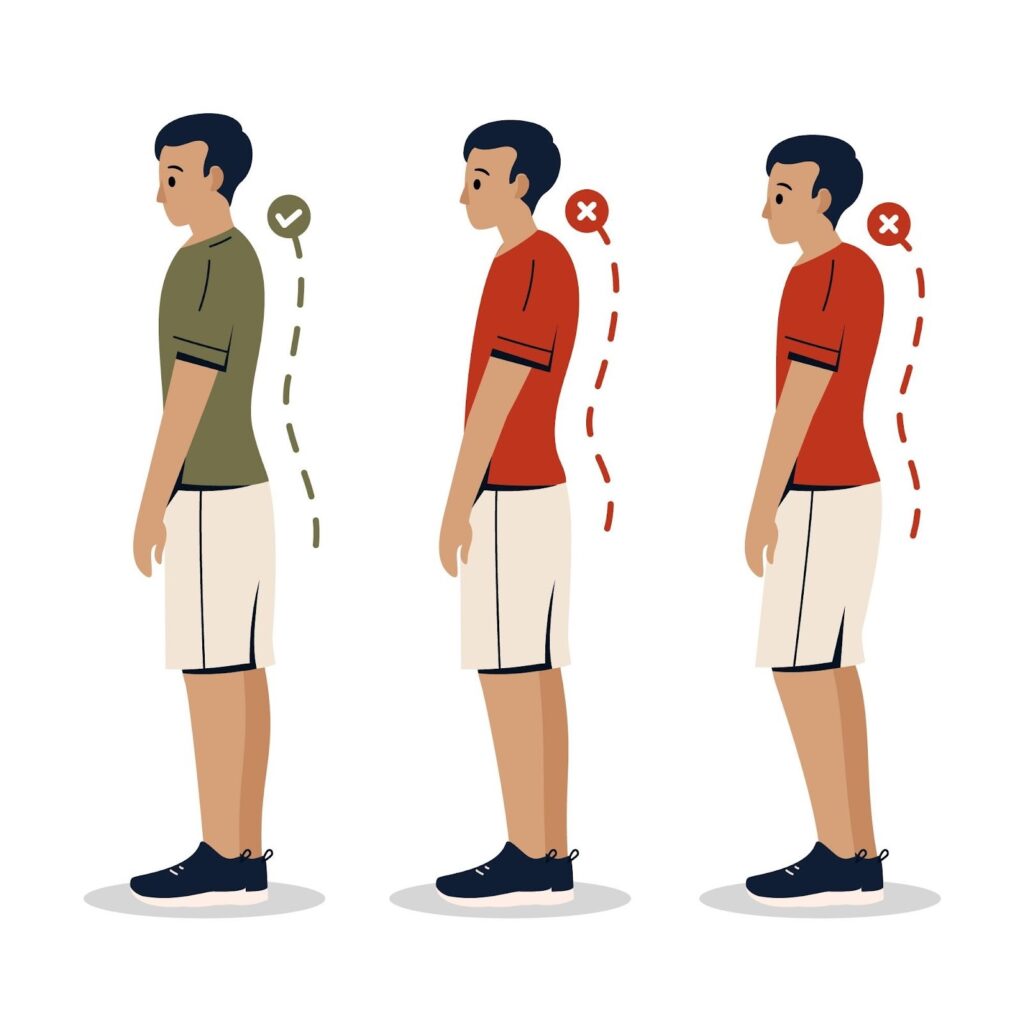
Common Causes of a Pinched Nerve in the Shoulder
Understanding what causes a pinched nerve is essential for effective treatment. Common causes include:
Slouching or prolonged sitting, especially with improper ergonomics, can strain the neck and shoulder muscles, compressing the nerves.
2. Herniated Discs
A herniated disc in the cervical spine can protrude and press against nearby nerves, leading to shoulder pain and tingling down the arm.
3. Shoulder Injuries
Trauma from falls, sports, or repetitive overhead activities can inflame tissues and pinch nerves.
4. Bone Spurs
Osteoarthritis or age-related changes can create bone spurs that impinge on nerve pathways.
5. Muscle Overuse
Excessive or repetitive motions, especially in athletic or occupational activities, can cause inflammation or tightening of shoulder muscles, contributing to nerve compression.
Symptoms of a Pinched Nerve in the Shoulder
Recognizing the signs of a pinched nerve in San Leandro is crucial for early intervention. Common symptoms include:
- Pain radiating from the shoulder to the arm or hand
- Tingling or “pins and needles” sensations
- Weakness in the shoulder, arm, or hand
- Reduced coordination or grip strength
- Pain that worsens with certain movements, such as lifting the arm
If you experience these symptoms, it is important to seek professional care promptly to prevent further nerve damage.
How Chiropractic Care in San Leandro Helps a Pinched Nerve in the Shoulder
Chiropractic care focuses on restoring proper alignment and movement in the spine, neck, and shoulder. A chiropractor pinched nerve specialist at Resilience Chiropractic in San Leandro uses hands-on techniques and therapeutic modalities to relieve pressure on compressed nerves and reduce inflammation.
Here’s how chiropractic treatment can help:
1. Spinal Adjustments
Chiropractors perform precise spinal manipulations to correct misalignments in the cervical and thoracic spine. Proper alignment relieves nerve compression, improves circulation, and restores mobility.
2. Shoulder and Neck Mobilization
Targeted adjustments and mobilization of shoulder joints, scapula, and surrounding muscles can relieve tension, reduce pain, and improve range of motion.
3. Soft Tissue Therapy
Chiropractors often use massage, myofascial release, or trigger point therapy to relax tight muscles, reduce inflammation, and improve blood flow around the affected nerve.
4. Posture Correction
Chiropractic care includes guidance on posture, ergonomics, and daily habits to prevent recurrent nerve compression. Correct posture reduces strain on shoulder and neck muscles.
5. Exercise Recommendations
A chiropractor may prescribe specific stretches and strengthening exercises to maintain shoulder health and support spinal alignment.
Benefits of Chiropractic Care for Shoulder Nerve Pain
Patients with a pinched nerve in the shoulder often experience multiple benefits, including:
- Non-invasive: No medications or surgeries are required.
- Natural pain relief: Chiropractic adjustments reduce nerve pressure and muscle tension.
- Improved mobility: Patients often experience better range of motion and flexibility.
- Holistic approach: Treatment addresses underlying causes, not just symptoms.
- Long-term results: Posture correction and exercise recommendations help prevent future flare-ups.
Many patients also report improved overall well-being and energy levels as nerve function normalizes.
Chiropractic Care vs. Conventional Treatments
- Medications
Pain relievers and anti-inflammatory drugs may offer temporary relief but don’t correct the underlying cause and can have side effects with long-term use.
- Physical Therapy
Physical therapy can be effective, especially when combined with chiropractic care, but it may not address spinal misalignments directly.
- Injections
Steroid injections reduce inflammation but do not resolve structural issues and may weaken tissues over time.
- Surgery
Surgery is typically a last resort and carries risks, longer recovery times, and higher costs.
Chiropractic care is often recommended as a first-line, conservative approach before considering invasive options.

When to See a Chiropractor for a Pinched Nerve
If you are experiencing persistent shoulder pain, numbness, or weakness, seeing a chiropractor for a pinched nerve in San Leandro is recommended. Seek immediate medical attention if you experience:
- Severe pain that does not improve with rest
- Rapid loss of strength or muscle control
- Loss of bladder or bowel control (rare but serious)
- Pain following a traumatic injury
Early intervention can prevent further nerve damage and speed up recovery.
Tips for Preventing a Pinched Nerve in the Shoulder
While chiropractic care effectively treats a pinched nerve, prevention is always preferable. Here are some strategies to reduce your risk:
- Maintain Good Posture: Keep your shoulders relaxed and your spine neutral while sitting or standing.
- Strengthen Shoulder and Neck Muscles: Regular exercises reduce the likelihood of nerve compression.
- Avoid Repetitive Strain: Take breaks when performing repetitive overhead or heavy lifting tasks.
- Adjust Your Workspace: Ensure your computer monitor is at eye level and your chair supports your back properly.
- Stretch Regularly: Stretching helps maintain flexibility and prevents muscle tightness that can pinch nerves.
Preventive measures, combined with regular chiropractic check-ups, can keep your shoulders healthy and pain-free.
Regain Shoulder Comfort Through Chiropractic Care
A pinched nerve in the shoulder can significantly impact your quality of life, but it does not have to be permanent. Resilience Chiropractic in San Leandro offers safe, non-invasive, and effective chiropractic care to relieve pain, restore mobility, and address the underlying causes of nerve compression. By combining spinal adjustments, soft tissue therapy, posture correction, and targeted exercises, patients can experience lasting relief without relying on medication or surgery.
If you are suffering from shoulder pain, numbness, or weakness, consulting a skilled chiropractor for a pinched nerve treatment could be the first step toward recovery. Taking proactive steps today can prevent further nerve damage and help you regain your shoulder comfort and function.
Schedule your consultation today at Resilience Chiropractic, San Leandro. Call us at (510) 969-4048 to start your path to pain-free living.