
Share this episode:
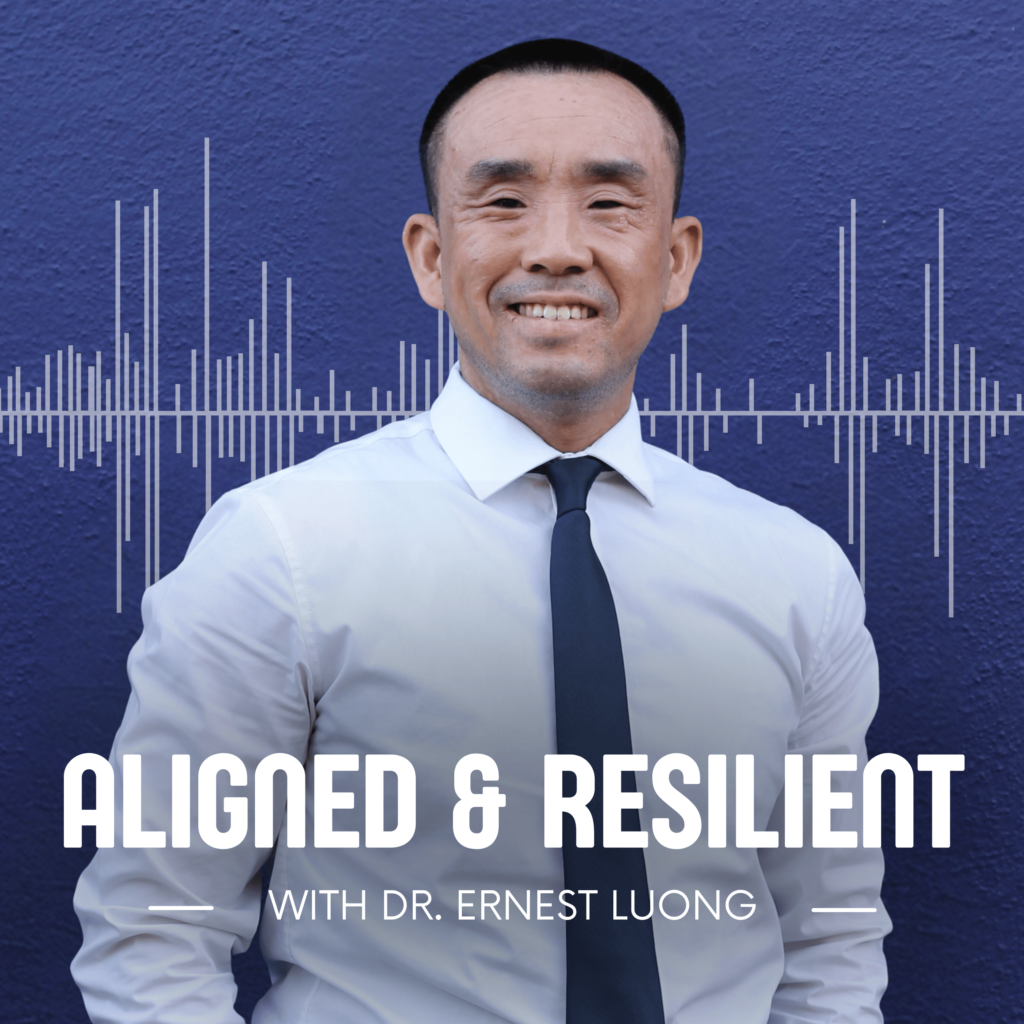
In this episode, Dr. Luong of Resilience Chiropractic in San Leandro takes a deep dive into the physical side of stress — going beyond the mental and emotional symptoms most people recognize. He explains how stress hormones like cortisol and adrenaline trigger real, measurable changes inside your body that can affect your long-term health. If you’ve ever wondered why chronic stress leaves you feeling physically drained or in pain, this episode breaks it down in a clear, approachable way. Tune in to better understand the connection between your nervous system, your stress response, and your overall wellbeing. For questions or to schedule a visit, contact Dr. Ernest Luong at Resilience Chiropractic.
Hey everyone, welcome back. I’m Doctor Luong from Resilience Chiropractic here in San Leandro, and today we’re talking about something that affects pretty much every single one of us — stress. But not just the mental side of it. We’re going to dig into what stress actually does inside your body, at a physical level, and why that matters more than most people realize.
So here’s the thing. When most people think about stress, they think about feeling anxious, or overwhelmed, or maybe having trouble sleeping. And yes, absolutely, those are real. But what a lot of people don’t know is that stress triggers a very real, very physical hormone response in your body — and over time, that response can cause some serious wear and tear.
Let me break this down for you. When you experience stress — whether it’s a tough day at work, a difficult conversation, or even just sitting in traffic on the eight eighty — your brain sends out a signal. That signal triggers your adrenal glands, which are these small glands that sit right on top of your kidneys, to release a hormone called cortisol. You’ve probably heard of it. Cortisol is often called the stress hormone, and it plays a huge role in how your body responds to pressure.
Now, cortisol isn’t a bad thing on its own. In short bursts, it actually helps you. It sharpens your focus, gives you energy, and helps your body manage inflammation. Back in the day, that response was designed to help us deal with immediate physical threats — run from danger, survive the moment. The problem is, our bodies haven’t totally caught up with modern life. So instead of a quick burst and then recovery, a lot of us are running on elevated cortisol almost constantly. And that’s where things start to go sideways.
Here’s what’s interesting. When cortisol stays elevated for long periods of time, it starts to work against you. It can disrupt your sleep, weaken your immune system, affect your digestion, and even change the way your muscles and joints feel. A lot of my patients come in with tension in their neck and shoulders, or nagging lower back pain, and when we start talking, it turns out they’ve been under a tremendous amount of stress. That connection is real. Chronic stress causes your muscles to stay in a kind of guarded, tight state. Your nervous system is always on alert. And that tension has to go somewhere — and it often ends up in your spine and your muscles.
So what can you actually do about this? A few things. First, movement matters enormously. Even a short walk can help lower cortisol levels and signal to your nervous system that you are safe. Second, sleep is non-negotiable. Your body does most of its recovery and hormone regulation while you sleep, so protecting those hours is protecting your health. And third — breathe. Seriously. Deep, slow breathing activates your parasympathetic nervous system, which is the calming side of your nervous system. Just a few minutes of intentional breathing can genuinely shift your body’s stress response.
Now, from a chiropractic perspective, here’s why this is relevant to what we do. Your spine houses your spinal cord, which is the main communication highway between your brain and your body. When stress causes muscle tension and postural changes, it can affect how well that system is communicating. Chiropractic adjustments help restore proper movement and alignment to the spine, which supports your nervous system’s ability to function and recover. It’s not a cure for stress — nothing is — but it’s a really meaningful piece of the puzzle.
If you’ve been feeling run down, tight, achy, or just off — and you know stress has been a big part of your life lately — I really encourage you to come in and get evaluated. Sometimes your body is carrying more than you realize, and it just needs a little help finding its way back to balance.
Thank you so much for listening today. I hope this gave you a little more insight into what’s happening inside your body when life gets hard. We are here for you at Resilience Chiropractic in San Leandro. Give us a call, stop by, or check us out online. Take good care of yourselves, and I’ll talk to you next time.

I had such a wonderful experience at this chiropractic office! From the moment I walked in, everyone was incredibly welcoming, friendly, and professional. The staff took the time to listen to my concerns and made me feel comfortable throughout the entire visit. The chiropractor was knowledgeable, attentive, and genuinely cared about helping me feel my best. I never felt rushed, and everything was explained clearly. I left feeling refreshed and already noticed a difference after my appointment.

I have had such an amazing experience coming here i have been coming here since 2022. We are very happy everyone here is very friendly and understanding i always look foward to my appointment everytime! Thank you Dr and staff at resilience chiropractic Amazing job!

Chiropractor is very skilled and the clinic is very supportive and professional. I have to other chiropractors but couldn’t find as much relief as this place.

My experience at Resilience Chiropractic was awesome. The environment is clean and relaxing. The front desk staff is phenomenal. They are accommodating, polite and friendly. As a result of the environment and the front office staff, I felt really relaxed by the time I was assessed by Dr. Luong. His presence was an extension of the office environment and staff. He is very knowledgeable and explains the process in a calm and clear manner. I would recommend Resilience Chiropractic to anyone. Actually I referred a couple of people after my first visit. Great place!

Thanks for making feel better! Nothing but good clean review. Felt really great afterwards , very good vibes Dr was really tentative to my needs. I also recommend to a friend

Always quick to respond. Treats patients with respect.

I’ve been seeing Dr Luong for over 15 years. The front desk staff are fantastic and helpful. They accept many insurances. Dr Luong has been helping me after all these years. Everyone and anyone who needs help with their back, or get adjustments, pinch nerves. You should go see him. Dr Luong is there too help's you! I can actually walk again! “No kidding” There are many time before, I was unable to get up or go upstairs, but when’s I see Dr Luong for my visits, it amazing feeling! Trust me his really great chiropractor! Thank You, So Much Dr. Luong! Your Patient, Veronica


