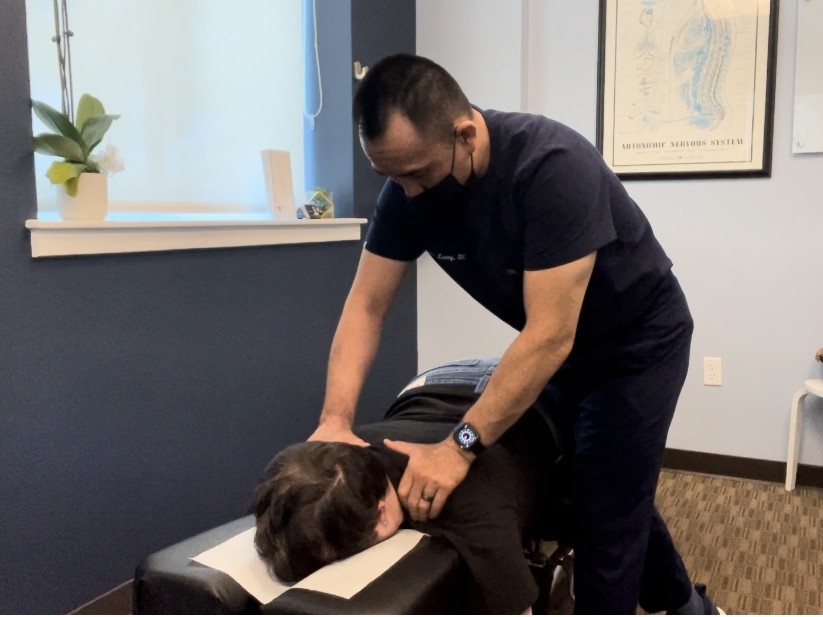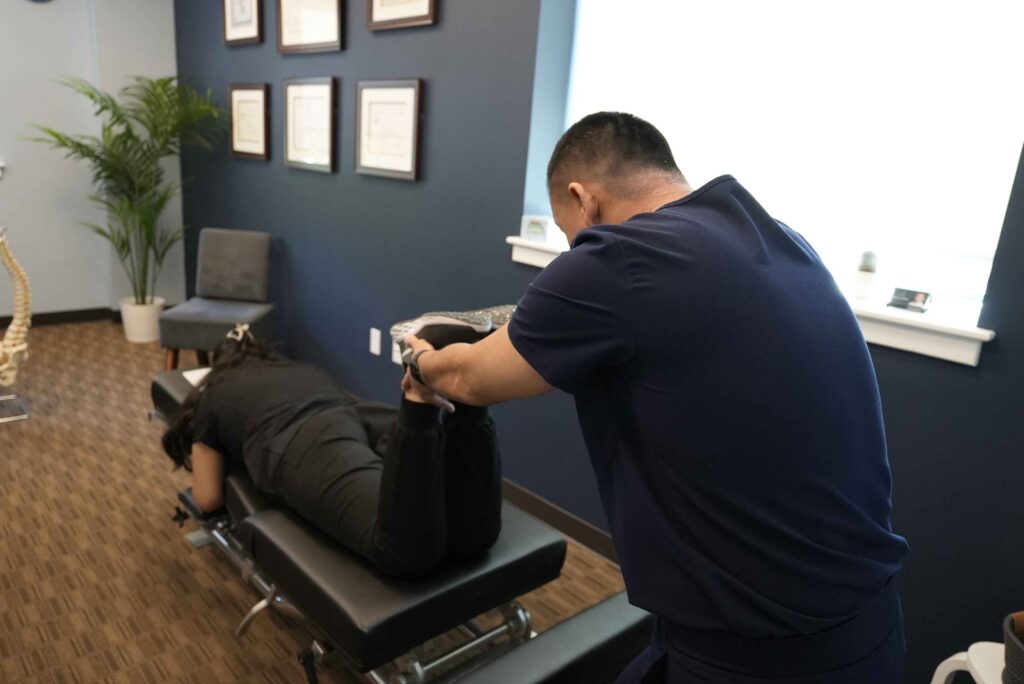
If you’ve ever felt the intense pain of a migraine or the persistent discomfort of cervical issues, you know how much they can affect your daily life. Thankfully, there are effective, natural approaches to help manage these conditions, and chiropractic care stands out as one of the best options for achieving relief and optimal health.
Understanding the connection between migraines and cervical pain is crucial. Often, tension and misalignment in the spine can contribute to these headaches and discomfort. By focusing on spinal health, chiropractic care can not only alleviate your pain but also promote overall wellness.
Here are some tips to consider for managing migraines and cervical discomfort naturally:
- Regular Chiropractic Adjustments: Visiting your chiropractor regularly can help keep your spine aligned, reduce tension, and prevent headaches from developing.
- Posture Awareness: Pay attention to your posture, especially if you spend long hours at a desk. Good posture can help reduce strain on your neck and spine.
- Stay Hydrated: Dehydration can trigger migraines. Make sure to drink plenty of water throughout the day.
- Manage Stress: Stress can exacerbate both migraines and cervical pain. Incorporate relaxation techniques such as deep breathing, yoga, or meditation into your routine.
- Exercise: Gentle exercises, such as walking or stretching, can improve blood flow and alleviate tension in your neck and shoulders.
- Ergonomic Workspace: Create an ergonomic workspace to reduce strain on your neck and back. Make sure your computer screen is at eye level and your chair supports your lower back.
- Sleep Hygiene: Ensure you’re getting enough restorative sleep. A good mattress and pillow can make a significant difference in preventing neck pain and migraines.
By implementing these lifestyle changes and incorporating chiropractic care into your health routine, you can find relief from migraines and cervical discomfort while promoting your overall well-being. Remember, your chiropractor is here to guide you on your journey to a pain-free life, helping you achieve the natural healing you deserve.
Understanding the Connection Between Migraines and Cervical Pain
Migraines can be a major source of discomfort, often accompanied by severe headaches. However, many people may not realize that cervical pain—discomfort in the neck area—can play a significant role in triggering or worsening these migraine attacks. The neck and head are closely interconnected, and tension or strain in your cervical region can lead to increased headache pain.
Factors like poor posture, muscle tightness, or previous injuries can contribute to this neck discomfort, and you may find that when your neck is aching, your head starts to pound as well. The irritation of nerves in the neck can also send pain signals that radiate to your head, making it essential to understand this connection for effective migraine management.
By recognizing that cervical pain can be a significant factor, you can take proactive steps to address it. Incorporating gentle neck stretches into your daily routine, maintaining proper posture while sitting or standing, and practicing relaxation techniques can help alleviate tension in the neck.
Chiropractic care is an excellent option for managing both cervical discomfort and migraines. A chiropractor can assess your spine and neck alignment, helping to restore balance and function to your body. This natural approach can provide relief from migraine symptoms without the need for medications or invasive procedures.
Additionally, consider these general tips for maintaining neck health and reducing migraines:
- Stay hydrated: Drinking plenty of water can help reduce tension headaches.
- Take breaks: If you work at a desk, make sure to take regular breaks to stretch your neck and shoulders.
- Sleep well: Ensure you have a supportive pillow and mattress to maintain proper neck alignment while you sleep.
Lifestyle Modifications for Migraine and Cervical Pain Relief
As a local chiropractor, I want to share how simple lifestyle changes can significantly ease your migraine and cervical pain. By adjusting your diet and incorporating stress management techniques, you can find relief and enhance your overall health without resorting to medications or surgeries.
Let’s explore how these modifications, supported by chiropractic care, can make a positive impact on your well-being.
First, consider your diet. Foods rich in magnesium, such as leafy greens, nuts, and seeds, can help reduce the frequency of migraines. Staying hydrated is also crucial—aim for at least eight glasses of water a day. Eating regular, balanced meals can stabilize your blood sugar levels, which may prevent migraine triggers.
Next, stress management is key to alleviating both migraines and cervical pain. Techniques like deep breathing, meditation, or gentle yoga can help calm your mind and release tension in your body.
Regular chiropractic adjustments also play a vital role in relieving stress by ensuring that your spine is aligned, allowing your nervous system to function optimally.
Don’t forget the importance of posture! Poor posture can strain your neck and lead to pain. Be mindful of how you sit, especially when working at a desk or using your phone. Keep your screen at eye level and take frequent breaks to stretch.
Incorporating regular chiropractic visits into your routine can be one of the most effective ways to manage pain naturally. Chiropractic care addresses the root causes of migraines and cervical discomfort, promoting healing and helping to maintain proper alignment of your spine.
Dietary Changes for Relief
When it comes to managing migraines and cervical discomfort, making thoughtful dietary changes can be an important part of your wellness journey. As a chiropractor, I believe in the power of natural healing and lifestyle adjustments to support your overall health.
Start by identifying any food triggers that may be contributing to your discomfort. Common culprits include aged cheeses, processed meats, and excessive caffeine. Keeping a food diary can be a helpful tool in recognizing patterns that may lead to migraines or neck pain.
Incorporating more anti-inflammatory foods into your diet can also make a difference. Think about adding leafy greens, fatty fish, and nuts to your meals. These foods can help reduce inflammation and support your body’s healing processes.
Don’t forget to stay well-hydrated, aiming for at least eight glasses of water each day, as hydration plays a key role in maintaining overall health and can help prevent headaches.
Regular meal times can stabilize your blood sugar levels, which is important in reducing the likelihood of triggering a migraine. Additionally, consider opting for smaller, more frequent meals instead of large ones to avoid overwhelming your system. This can keep your energy levels steady and support your body’s natural rhythms.
Remember, while dietary changes are beneficial, they work best in conjunction with chiropractic care. Chiropractors focus on aligning your spine and enhancing your overall health, which can provide relief from pain and discomfort.
Stress Management Techniques
As stress can significantly worsen migraines and neck discomfort, it’s essential to explore effective stress management techniques for relief. One of the best ways to start is by incorporating deep breathing exercises into your daily routine. Just a few minutes of focused breathing can help calm your mind and promote relaxation.
Another beneficial practice is mindfulness or meditation; dedicating a few moments each day to quiet your thoughts can greatly reduce stress levels. Additionally, engaging in regular physical activity, such as walking or yoga, not only releases endorphins that uplift your mood but also helps alleviate tension in the body.
Don’t underestimate the importance of quality sleep either—adequate rest is vital, as fatigue can intensify both migraines and neck pain.
Finally, I encourage you to consider chiropractic care as a natural approach to managing pain and stress. A chiropractor can help identify spinal misalignments that may contribute to discomfort and provide gentle adjustments to promote healing and overall wellness.
Sharing your experiences with a chiropractor can also open up new strategies for coping and improving your health.
Medical Treatments for Migraines and Cervical Discomfort
When it comes to managing migraines and cervical discomfort, chiropractic care can be an excellent option for achieving optimal health and natural relief. Instead of relying on medications or invasive procedures, many individuals find that spinal adjustments and holistic approaches can significantly reduce pain and improve overall well-being.
Chiropractors focus on the alignment of the spine, which plays a crucial role in the nervous system’s function. Misalignments in the spine can contribute to headaches and cervical discomfort. By correcting these misalignments through gentle adjustments, chiropractors can help alleviate tension, reduce pain, and restore balance to the body.
In addition to chiropractic adjustments, there are several lifestyle tips you can incorporate into your routine to support your journey towards wellness. Regular exercise, good hydration, and maintaining a healthy diet rich in anti-inflammatory foods can all contribute to reducing the frequency and intensity of migraines.
Practicing stress management techniques, such as deep breathing exercises or yoga, can also be beneficial in keeping headaches at bay.
Ultimately, understanding and exploring the benefits of chiropractic care can empower you to take charge of your health. If you’re seeking a natural and effective way to manage migraines and cervical discomfort, consider scheduling a consultation with a chiropractor to discuss how spinal health can enhance your overall wellness.
Prescription Medications Overview
Understanding how to manage migraines and cervical discomfort can greatly enhance your quality of life. While many people turn to prescription medications for relief, it’s important to consider natural alternatives, such as chiropractic care, which can address the underlying issues contributing to these conditions.
Chiropractic care focuses on improving spinal alignment and function, which can be a key factor in reducing headaches and neck pain. By ensuring that your spine is properly aligned, you can alleviate tension and stress on your nervous system, leading to fewer migraine episodes and less cervical discomfort.
In addition to regular chiropractic adjustments, here are some tips to help manage your symptoms naturally:
- Stay Hydrated: Dehydration can trigger headaches. Make sure you drink plenty of water throughout the day.
- Practice Good Posture: Poor posture can contribute to neck pain. Be mindful of your posture while sitting, especially if you work at a desk.
- Incorporate Stretching and Exercise: Regular physical activity can help reduce tension in your neck and shoulders. Simple stretches can be done at home or during breaks at work.
- Apply Heat or Cold: Using a heating pad or ice pack on your neck can provide immediate relief from discomfort.
- Manage Stress: Stress is a common trigger for both migraines and neck pain. Consider mindfulness practices, such as meditation or yoga, to help manage stress levels.
Remember, each person is unique, and what works for one mightn’t work for another. That’s why a personalized approach, like regular visits to your chiropractor, is essential for achieving optimal health.
Alternative Therapies Considerations
When it comes to managing migraines and cervical discomfort, many people are turning to alternative therapies for natural relief. As a chiropractor, I want to share how chiropractic care can be an excellent choice for achieving optimal health and wellness.
Chiropractic care focuses on improving spinal alignment, which can help alleviate cervical discomfort and reduce the frequency and intensity of migraines. By ensuring that your spine is properly aligned, we can relieve pressure on nerves, allowing your body to heal naturally and effectively.
Regular adjustments can help maintain this alignment, promoting overall well-being.
In addition to chiropractic adjustments, there are simple techniques that you can incorporate into your daily routine. For instance, practicing good posture while sitting or standing can significantly reduce strain on your neck and spine.
Taking breaks to stretch, especially if you work at a desk, is also beneficial. Gentle neck stretches can help relieve tension and improve mobility.
Another natural approach worth exploring is biofeedback. This technique teaches you how to control certain bodily functions, helping to manage pain and stress effectively. Alongside chiropractic care, biofeedback can empower you to take charge of your health.
While herbal supplements like butterbur and feverfew may be popular, I recommend focusing on chiropractic care as your primary method for pain relief. Always consult with your healthcare provider before starting any new treatments, but know that chiropractic can be a powerful ally in your journey to better health.
Remember, prioritizing your spinal health through chiropractic care can lead to long-term relief and improved quality of life.
The Role of Physical Therapy in Managing Pain
Chiropractic care can play a vital role in managing pain associated with migraines and cervical discomfort. By focusing on spinal alignment and overall body mechanics, chiropractors help you improve your posture, strengthen the muscles around your neck, and enhance your overall well-being. This natural approach not only alleviates pain but also can reduce the frequency and intensity of migraine episodes.
During your chiropractic sessions, your chiropractor may use gentle adjustments and techniques to relieve tension and improve circulation in the affected areas. You may also receive guidance on stretches and exercises tailored to your specific needs, empowering you to take control of your pain management in a natural way.
As you progress in your treatment, your chiropractor will monitor your response and adjust your care plan as needed. Incorporating chiropractic care into your wellness routine can significantly enhance your quality of life, making daily activities more enjoyable and less daunting.
Here are a few tips to help manage pain and promote a healthier lifestyle:
- Maintain Good Posture: Be mindful of your posture, especially when sitting for long periods. Use ergonomic furniture and take regular breaks to stretch.
- Stay Hydrated: Drink plenty of water throughout the day to keep your body hydrated, which can help reduce headaches.
- Practice Relaxation Techniques: Incorporate deep breathing, meditation, or yoga into your routine to relieve stress and tension.
- Regular Exercise: Engage in regular physical activity to strengthen your muscles and improve overall body function.
- Sleep Well: Ensure you have a comfortable sleeping environment and aim for 7-9 hours of quality sleep each night.
Exploring Alternative Therapies for Relief
How can chiropractic care enhance your journey towards relief from migraines and cervical discomfort? Chiropractic adjustments can provide you with a powerful way to manage pain that other methods may not fully address. By aligning your spine, chiropractic care can help reduce the frequency and intensity of migraines for many individuals, allowing you to experience relief without the need for medications.
In addition to chiropractic adjustments, you might also explore natural remedies like herbal supplements. Ingredients such as feverfew and butterbur have shown promise in providing relief for headaches, complementing the benefits of chiropractic care.
Incorporating practices like yoga and tai chi can further enhance your well-being. These activities promote relaxation and improve flexibility, which can be particularly helpful in easing cervical discomfort. Regular practice can also strengthen your body, potentially reducing the likelihood of future pain.
Mindfulness meditation is another excellent tool to consider. It can help you manage pain perception and improve your ability to cope with symptoms. By focusing on your breath and being present, you might find that your overall experience of pain diminishes.
Lastly, remember that chiropractic care not only addresses immediate discomfort but also promotes long-term health. Regular visits can help maintain proper spinal alignment, which is essential for overall wellness.
By prioritizing chiropractic care and integrating these additional practices into your routine, you can discover effective strategies tailored to your needs, enhancing your overall well-being and quality of life.
As always, consult with your chiropractor about the best approach for your specific situation, and take proactive steps to support your health journey.
Stress Management Techniques to Alleviate Symptoms
Managing stress effectively is crucial for alleviating symptoms like migraines and cervical discomfort, and chiropractic care plays a vital role in this process. One powerful technique to incorporate into your routine is deep breathing. When you feel tension building, take a moment to focus on your breath. Inhale deeply through your nose, hold it for a moment, then exhale slowly through your mouth. This practice not only calms your mind but also reduces physical tension, complementing the benefits of chiropractic adjustments.
Another great method to consider is mindfulness meditation. Just ten minutes each day spent sitting quietly, focusing on your thoughts and feelings non-judgmentally, can enhance your overall well-being. It helps you gain perspective and lowers stress levels, making your chiropractic care more effective.
Physical activity is essential for maintaining a healthy spine and overall wellness. Even a brisk walk can release endorphins, which boost your mood and relieve tension. Regular movement also supports spinal health by keeping your muscles and joints functioning properly.
Finally, don’t forget the importance of engaging in hobbies you enjoy, whether it’s reading, painting, or gardening. Making time for these activities can significantly improve your mental health and aid in stress management.
When to Seek Professional Help for Persistent Pain
When should you consider seeking professional help for persistent pain? If your discomfort lingers for more than a few weeks and home remedies aren’t bringing relief, it’s a good idea to consult a chiropractor. Chiropractors specialize in understanding the body’s mechanics and can provide natural, non-invasive treatments to help alleviate your pain.
Pay close attention to any severe headaches, neck stiffness, or unusual symptoms such as numbness or weakness. These could be signs that your body needs professional care, so don’t hesitate to reach out for help.
If your pain is affecting your daily activities, work, or sleep, it’s time to take action. Over-the-counter medications might mask the pain temporarily, but chiropractic care can address the root cause and promote long-lasting relief without the use of drugs.
Keep track of any patterns in your pain, as these insights can assist your chiropractor in diagnosing the issue and creating a personalized treatment plan. Early intervention is key to preventing pain from escalating or leading to further complications.
Trust your instincts; if something doesn’t feel right, seeking chiropractic guidance is a wise step towards achieving optimal health.
Remember, maintaining a healthy lifestyle can also contribute to pain relief. Regular exercise, proper hydration, and good posture can help support your spine and overall well-being.
Conclusion
In summary, effectively managing migraines and cervical discomfort often requires a holistic approach, with chiropractic care at the forefront. By making simple lifestyle changes and incorporating stress management techniques, you can significantly alleviate your symptoms. Regular chiropractic adjustments can help align your spine, which is vital for optimal nervous system function and overall health.
Consider incorporating gentle stretches and exercises into your daily routine to help ease tension in your neck and shoulders. Staying hydrated and maintaining a balanced diet can also play a crucial role in reducing migraine triggers.
While it’s essential to explore various natural healing methods, I encourage you to prioritize chiropractic care. It offers a safe, drug-free solution to pain relief and can help restore your body’s natural balance. Remember, if your pain persists, seeking professional guidance from a chiropractor can provide the tailored support you need for lasting relief and improved well-being. Your journey to a healthier, pain-free life starts here!