When a migraine strikes, the pain can feel unbearable, prompting a desperate search for relief. As a local chiropractor, I want to share how chiropractic adjustments can provide a natural solution to help manage migraines by addressing the root causes related to your spine.
By improving spinal alignment, chiropractic care can reduce tension in your body and enhance nerve function, which is essential for overall health. Many people don’t realize that a misaligned spine can contribute to headaches and migraines by putting pressure on nerves and disrupting communication between your body and brain.
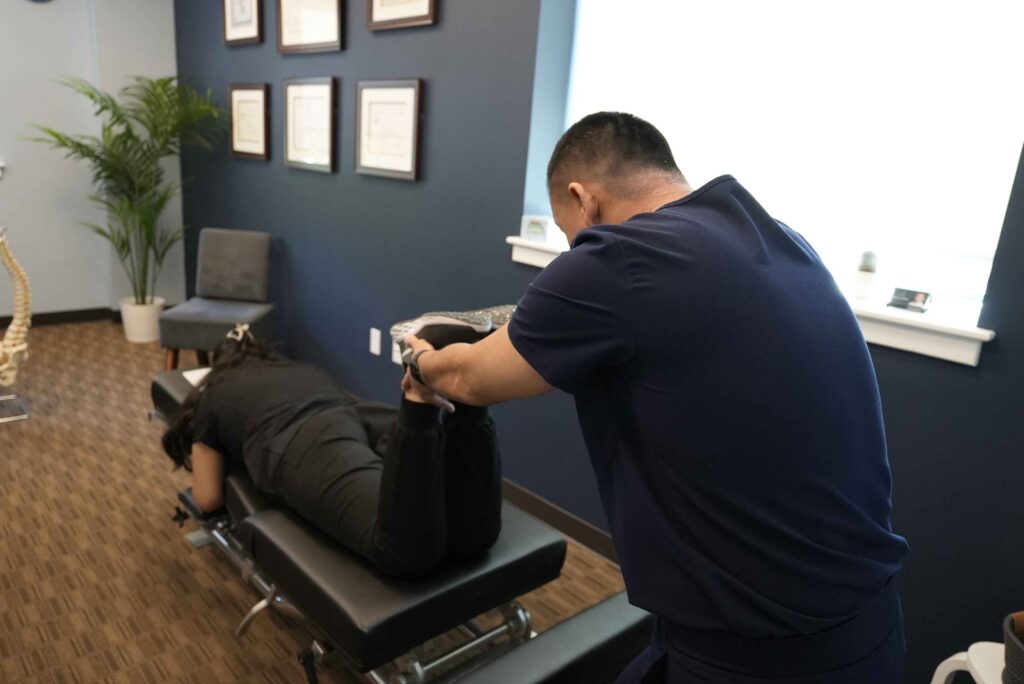
So, how do these adjustments work? During your chiropractic visit, I’ll assess your spine and identify any areas that may be causing discomfort. Through gentle adjustments, we can restore proper alignment, helping to alleviate pain and improve your overall well-being.
When considering chiropractic care, you can expect a personalized approach where your specific needs are addressed. You might feel immediate relief after an adjustment, and over time, you may notice a decrease in the frequency and severity of your migraines.
In addition to chiropractic adjustments, there are simple tips you can incorporate into your daily routine to support your health and wellness:
- Stay Hydrated: Dehydration can trigger migraines, so make sure you’re drinking plenty of water throughout the day.
- Practice Good Posture: Poor posture can strain your spine and contribute to headaches. Be mindful of how you sit and stand.
- Manage Stress: Stress can be a major trigger for migraines. Incorporate relaxation techniques such as deep breathing, yoga, or meditation into your daily life.
- Get Regular Exercise: Physical activity can help reduce tension and improve circulation, both of which are beneficial for migraine sufferers.
- Maintain a Consistent Sleep Schedule: Aim for a regular sleep routine to help prevent fatigue, which can also trigger migraines.
Choosing chiropractic care not only addresses your migraine pain but also promotes a healthier lifestyle overall. Embracing this natural approach can lead you to a path of optimal health and wellness—free from the reliance on medications or invasive procedures. If you’re ready to experience relief and improve your quality of life, consider visiting your local chiropractor today!
Key Takeaways
Chiropractic adjustments play a vital role in improving spinal alignment, which can significantly reduce nerve strain and help alleviate migraine pain. By ensuring that your spine is aligned properly, we can help relieve the pressure that often contributes to headaches and migraines.
Regular chiropractic care not only helps with alignment but also enhances blood flow throughout the body. Better circulation means that more oxygen is delivered to the brain, which may help lessen the intensity and frequency of migraine symptoms. Many of our patients report experiencing fewer migraines and a reduction in their severity after committing to consistent chiropractic visits.
We utilize various chiropractic techniques, including spinal manipulation and soft tissue therapy, to target tension in the body. By relieving this tension, we contribute to a more effective overall approach to managing migraines.
One key to maximizing the benefits of chiropractic care is open communication. By discussing your specific migraine triggers with your chiropractor, you can create a tailored treatment plan that addresses your unique needs. This collaborative approach helps us develop effective pain relief strategies that work for you.
As you explore natural ways to enhance your wellness journey, consider incorporating simple tips into your daily routine. Staying hydrated, managing stress through relaxation techniques, and maintaining good posture can all complement your chiropractic care. Remember, chiropractic is a holistic approach to health that focuses on achieving and maintaining optimal well-being without the need for medications or surgeries. Embrace this natural path to pain relief and a healthier life!
Understanding Migraines: Causes and Symptoms
Migraines can feel like a relentless storm, disrupting your daily life and making it difficult to enjoy the activities you love. If you experience intense head pain, often accompanied by nausea, sensitivity to light, and sound, know that you’re not alone. These symptoms can make it nearly impossible to function, but understanding the nature of migraines is the first step toward finding relief.
It’s important to recognize that migraines aren’t just bad headaches; they’re complex events with specific triggers that can vary from person to person. Factors such as stress, hormonal changes, certain foods, and even shifts in the weather can spark an episode. Identifying these triggers is key to managing your migraines effectively.
You might also notice aura symptoms, such as visual disturbances or tingling sensations, that occur before the pain hits. Paying attention to these early signs can help you prepare and take proactive steps to manage your discomfort.
As a chiropractor, I encourage you to consider keeping a headache diary. This tool can be incredibly helpful in tracking what you eat, your stress levels, and your sleep patterns. By doing this, you can gain valuable insights into what may be triggering your migraines and begin to adjust your lifestyle accordingly for relief.
Chiropractic care can also play a significant role in migraine management. Spinal health is crucial for overall wellness, and misalignments in your spine can contribute to headaches and migraines. Regular chiropractic adjustments can help improve spinal alignment, reduce tension, and promote better nerve function, which may decrease the frequency and intensity of your migraines.
In addition to chiropractic care, here are a few general tips to help you manage migraines naturally:
- Stay Hydrated: Drink plenty of water throughout the day to prevent dehydration, which can be a trigger for migraines.
- Maintain a Regular Sleep Schedule: Aim for consistent sleep patterns by going to bed and waking up at the same time each day.
- Practice Stress Management: Incorporate relaxation techniques such as yoga, meditation, or deep breathing exercises to help manage stress.
- Eat a Balanced Diet: Focus on whole foods and pay attention to any specific foods that may trigger your migraines.
- Limit Caffeine and Alcohol: These substances can sometimes exacerbate headaches, so it may be helpful to limit your intake.
The Role of the Nervous System in Migraines
Your nervous system plays a crucial role in how migraines occur, affecting everything from how you perceive pain to what might trigger an episode. By understanding this system, you can better identify potential migraine triggers and make lifestyle adjustments for relief.
Chiropractic care is particularly beneficial in managing migraines because it focuses on the health of your spine and nervous system. Misalignments in the spine can interfere with nerve function and contribute to pain and discomfort. Regular chiropractic adjustments can help restore proper alignment, improve nerve communication, and reduce migraine frequency and intensity.
Here are some practical tips to help manage your migraines naturally:
- Stay Hydrated: Dehydration can trigger migraines. Make sure to drink plenty of water throughout the day.
- Maintain a Consistent Sleep Schedule: Irregular sleep patterns can lead to migraines. Try to go to bed and wake up at the same time every day.
- Manage Stress: Stress is a common trigger for migraines. Incorporate relaxation techniques like deep breathing, yoga, or meditation into your routine.
- Maintain a Healthy Diet: Certain foods can trigger migraines. Keep a food diary to track what you eat and identify any potential triggers.
- Regular Chiropractic Visits: Regular adjustments can help keep your spine aligned and your nervous system functioning optimally, which may reduce the occurrence of migraines.
Nervous System Overview
The nervous system is a crucial player in the onset and experience of migraines, even if it often goes unnoticed. This intricate network not only influences how we perceive pain but also how we respond to various stimuli. By understanding its functions, we can find natural ways to cope with migraines and enhance our overall well-being.
Here are some key functions of the nervous system that relate to migraines:
- Processing Sensory Information: Your nervous system interprets signals from light, sound, and smells. When these signals are processed differently during a migraine, it can heighten the pain experience. Chiropractic care can help balance your nervous system, improving its function and potentially reducing migraine occurrences.
- Regulating Blood Flow: The nervous system plays a role in controlling blood flow, and disruptions can lead to migraine symptoms. Regular chiropractic adjustments can promote better blood circulation and help in managing these symptoms naturally.
- Controlling Muscle Tension: Muscle tension and relaxation are regulated by the nervous system. Tension in the neck and shoulders can contribute to headache severity. Chiropractic care focuses on spinal alignment and muscle relaxation, which can alleviate tension and reduce headaches.
- Managing Stress Responses: Stress can be a significant trigger for migraines. Chiropractic adjustments not only help relieve physical tension but can also enhance your body’s ability to manage stress, supporting your overall health and reducing the likelihood of migraines.
Incorporating these insights into your lifestyle can help you manage migraines more effectively. Consider regular chiropractic visits to maintain a healthy nervous system and alleviate pain naturally.
Additionally, here are some simple tips to support your wellness:
- Stay hydrated to help maintain optimal bodily functions.
- Practice relaxation techniques, such as deep breathing or meditation, to reduce stress.
- Ensure you have a proper ergonomic setup at your workspace to avoid tension.
- Maintain a regular sleep schedule to support overall health.
Migraine Triggers Identified
Understanding and identifying migraine triggers is a crucial step in managing your health effectively. These triggers often relate to how your nervous system responds to various stimuli, and recognizing them can help you find relief. It’s important to note that triggers can differ from one individual to another, so being aware of what impacts your body is key to your wellness journey.
Here’s a table outlining some common migraine triggers along with practical tips for managing them:
| Trigger Type | Common Triggers | Management Tips |
|---|---|---|
| Environmental | Bright lights or loud noises | Wearing sunglasses or using earplugs can help minimize exposure. Consider creating a calm, dim environment at home. |
| Dietary | Aged cheese or caffeinated drinks | Keeping a food diary can help you identify which foods affect you. Focus on a balanced diet rich in whole foods to support your overall wellness. |
| Emotional | Stress or anxiety | Incorporating relaxation techniques like deep breathing, meditation, or yoga can be beneficial. Regular chiropractic care can also help manage stress by promoting spinal health and overall body function. |
Chiropractic care is an excellent choice for those seeking natural relief from migraines. By focusing on spinal alignment and nervous system health, chiropractic adjustments can enhance your body’s ability to cope with stressors and reduce the frequency and intensity of migraines.
In addition to chiropractic care, consider adopting a healthier lifestyle by staying hydrated, getting regular exercise, and ensuring adequate sleep. These practices can support your overall health and may help decrease migraine occurrences. Remember, understanding your body’s triggers and how to manage them can lead to a more balanced and pain-free life.
Adjustments and Relief
When it comes to managing migraines, understanding how your nervous system works is key to finding natural relief. Your nervous system is responsible for sending pain signals throughout your body, and any disruptions can trigger those pesky migraines. That’s where chiropractic care comes in! By making adjustments to your spine, we can help restore balance, alleviate discomfort, and promote overall well-being.
Here are some important points to consider:
- Proper Alignment: Keeping your spine aligned supports healthy nerve function, which can help reduce the frequency and intensity of migraines.
- Tension Relief: Chiropractic adjustments can relieve tension in your muscles and spine, leading to fewer pain signals being sent to your brain.
- Enhanced Blood Flow: Regular chiropractic care can improve blood flow to your brain, ensuring it gets the nutrients and oxygen it needs to function properly.
- Stress Management: Chiropractic adjustments can help you manage stress, which is a common trigger for migraines. By promoting relaxation and balance in your body, you may experience fewer headaches.
Incorporating these tips into your daily routine can also support your journey to relief:
- Stay hydrated and drink plenty of water throughout the day.
- Practice good posture, especially if you sit for long periods.
- Engage in regular physical activity to keep your body moving and reduce stress.
- Consider mindfulness techniques, such as deep breathing or meditation, to help calm your mind.
How Chiropractic Adjustments Work
Chiropractic adjustments are a natural and effective way to realign your spine and other joints, helping to restore proper function and alleviate pain. If you’re dealing with migraines, it’s important to know that tension in your neck and shoulders can significantly contribute to your discomfort. By focusing on these areas, chiropractic care can help to reduce that tension, providing you with much-needed relief.
Here’s a straightforward breakdown of the benefits you can experience through chiropractic adjustments:
| Process | Benefit |
|---|---|
| Realignment of spine | Restores nerve function and promotes healing |
| Reduction of muscle tension | Alleviates pain and discomfort |
| Improved blood flow | Enhances oxygen delivery to tissues |
| Increased range of motion | Promotes overall comfort and mobility |
In addition to chiropractic adjustments, there are several tips you can incorporate into your daily routine to support your wellness journey:
- Stay Hydrated: Drinking plenty of water can help keep your muscles hydrated and reduce tension.
- Practice Good Posture: Be mindful of your posture, especially while sitting or working. Good posture can prevent unnecessary strain on your neck and back.
- Incorporate Stretching: Regular stretching can help maintain flexibility and reduce muscle tightness.
- Manage Stress: Take time for relaxation techniques such as deep breathing, meditation, or yoga to help reduce overall tension in your body.
Evidence Supporting Chiropractic Care for Migraines
When considering chiropractic care for migraines, it’s essential to understand the techniques we use and the solid evidence supporting their effectiveness. Research has shown that chiropractic adjustments can significantly reduce the frequency and intensity of migraines. Alongside these clinical findings, we’ve numerous inspiring success stories from patients who’ve found relief through chiropractic treatment.
Chiropractic care focuses on aligning the spine and improving nervous system function, which can help alleviate migraine symptoms. By correcting misalignments in the spine, we can promote better blood flow and reduce tension, leading to fewer headaches.
To support your journey to optimal health and wellness, here are some general tips you can incorporate into your daily routine:
- Stay hydrated: Drinking plenty of water can help prevent dehydration, a common trigger for migraines.
- Maintain good posture: Be aware of your posture while sitting, standing, or using devices. Proper alignment can reduce strain on your neck and back.
- Manage stress: Find relaxation techniques that work for you, such as deep breathing, yoga, or meditation, as stress can be a significant contributor to migraines.
- Prioritize sleep: Aim for consistent, quality sleep each night to support overall health and reduce the likelihood of migraine attacks.
Chiropractic Techniques Explained
Many individuals turn to medication for relief, but chiropractic techniques stand out as a natural and effective alternative for managing migraines. These methods focus on spinal health and improving the function of your nervous system, which can significantly help in reducing migraine symptoms.
Here are some key chiropractic techniques that can support your journey toward wellness:
- Spinal Manipulation: This technique involves gentle adjustments to realign the spine, which can help reduce nerve irritation that often triggers migraines. By ensuring your spine is in optimal alignment, you create a solid foundation for overall health.
- Soft Tissue Therapy: This approach focuses on the muscles and fascia surrounding your spine. By relieving tension in these areas, you can diminish stress and discomfort, which may contribute to migraine episodes.
- Postural Training: Good posture is vital for maintaining a healthy spine and reducing strain on your muscles. By learning how to align your body properly, you can prevent the buildup of tension that can lead to headaches.
- Lifestyle Counseling: Your overall health is influenced by various factors, including nutrition and stress management. As part of chiropractic care, you can receive personalized advice to help you make healthier choices that promote wellness and reduce migraine triggers.
In addition to these techniques, consider integrating some simple practices into your daily routine to support your spinal health and overall well-being:
- Stay hydrated and eat a balanced diet rich in fruits, vegetables, and whole grains.
- Practice deep breathing exercises or meditation to manage stress.
- Regularly engage in gentle physical activities, like walking or yoga, to keep your body moving and reduce tension.
By choosing chiropractic care, you’re taking a proactive step toward achieving optimal health and finding natural relief from migraines.
Clinical Research Findings
As a local chiropractor dedicated to promoting health and wellness, I want to share some valuable insights about how chiropractic care can be an effective solution for those suffering from migraines. Numerous studies have shown that chiropractic adjustments can significantly reduce both the frequency and intensity of migraine headaches.
When we perform spinal manipulation, we help improve neural function and relieve muscle tension—both crucial factors for migraine relief. In clinical trials, individuals who received chiropractic care reported a noticeable decrease in the number of migraine days and a reduction in pain severity compared to those who didn’t seek chiropractic treatment.
Moreover, research suggests that combining chiropractic care with your standard medical approach can lead to even better outcomes. This means that chiropractic adjustments can be a vital part of a comprehensive plan to manage migraines naturally.
If you’re looking for ways to alleviate your symptoms and enhance your quality of life, consider these simple tips alongside chiropractic care:
- Stay Hydrated: Dehydration can trigger migraines, so make sure you drink plenty of water throughout the day.
- Maintain Good Posture: Poor posture can lead to tension in your neck and back, which might worsen migraine symptoms. Be mindful of your posture while sitting, especially if you work at a desk.
- Manage Stress: Stress is a common migraine trigger. Incorporating relaxation techniques such as deep breathing exercises or gentle yoga can help reduce stress levels.
- Get Regular Sleep: Consistent sleep patterns play a significant role in headache prevention. Aim for 7-9 hours of quality sleep each night.
By exploring chiropractic care and integrating these healthy habits into your routine, you may find a natural pathway to reducing your migraine symptoms and achieving optimal wellness.
Patient Success Stories
Many patients have reported incredible improvements in their lives after adding chiropractic care to their migraine management routine. Here are some uplifting success stories that showcase the benefits of chiropractic care:
- Reduced Frequency of Migraines: Patients often share that they experience fewer migraine days each month, which allows them to participate in activities they love and enjoy life to the fullest.
- Less Intense Migraines: When migraines do occur, patients frequently find that they aren’t as severe and are easier to handle. This can make a world of difference in daily living.
- Better Overall Well-being: Regular chiropractic adjustments can promote better sleep and lower stress levels, both of which are crucial in reducing the occurrence of migraines.
- Increased Mobility: Many patients notice improved neck and back mobility, which can help ease the tension that sometimes triggers migraines.
These stories illustrate how chiropractic care can truly transform the lives of those who suffer from migraines, providing hope and relief when traditional methods may not be effective.
As you consider your health journey, here are some general tips to enhance your well-being:
- Stay Hydrated: Dehydration can trigger migraines, so aim to drink plenty of water throughout the day.
- Maintain Good Posture: Sitting and standing with proper posture can help reduce strain on your neck and back, potentially lowering migraine triggers.
- Incorporate Regular Exercise: Physical activity, like walking or stretching, can improve overall health and help manage stress, which is beneficial for migraine sufferers.
- Prioritize Sleep: Establishing a consistent sleep schedule can help improve your sleep quality, which is important for preventing migraines.
- Mindfulness and Relaxation Techniques: Practices such as deep breathing, yoga, or meditation can help reduce stress and tension in the body.
By embracing chiropractic care and these wellness tips, you can take significant steps toward achieving optimal health and a more migraine-free life.
Benefits of Chiropractic Adjustments for Migraine Sufferers
If you’re one of the many people who experience migraines, you might find that chiropractic adjustments provide a natural and effective way to find relief. These adjustments can not only help ease your pain but may also reduce the frequency of your migraines. Let’s explore some of the key benefits of chiropractic care for migraine sufferers:
| Benefit | Description | Impact on Migraines |
|---|---|---|
| Improved Spinal Alignment | Chiropractic adjustments help realign the spine, which can reduce tension in the body. | This realignment can lower the likelihood of migraine triggers. |
| Enhanced Blood Flow | Adjustments promote better circulation throughout the body. | Improved blood flow may ease headache pain and discomfort. |
| Decreased Muscle Tension | Chiropractic care helps relax tight muscles that can lead to headaches. | Less muscle tension can mean reduced headache severity. |
| Stress Relief | Regular adjustments can lower overall stress levels. | A calmer mind can help prevent the onset of migraines. |
By incorporating regular chiropractic care into your wellness routine, you may notice a significant reduction in both the intensity and frequency of your migraines. This holistic approach addresses the root causes of your pain, allowing you to take back control of your life and enjoy everyday activities without the burden of migraines.
In addition to chiropractic adjustments, here are some general tips to help manage your migraines naturally:
- Stay Hydrated: Dehydration can trigger migraines, so make sure to drink plenty of water throughout the day.
- Maintain a Consistent Sleep Schedule: Aim for regular sleep patterns to help regulate your body’s natural rhythms.
- Practice Relaxation Techniques: Activities like yoga, meditation, or deep breathing can help manage stress and tension.
- Pay Attention to Diet: Certain foods can trigger migraines in some individuals. Keeping a food diary may help you identify and avoid these triggers.
What to Expect During a Chiropractic Visit
When you arrive for your chiropractic visit, you can look forward to a comprehensive evaluation focused on your health and specific concerns, particularly if you’re dealing with migraines.
As your chiropractor, my goal is to understand your symptoms, medical history, and lifestyle factors that may be contributing to your discomfort.
Here’s what you can expect during your visit:
- A physical exam: I’ll assess your posture, range of motion, and spinal alignment. This helps identify areas of tension or misalignment that could be contributing to your migraines.
- Diagnostic tests: If necessary, I may recommend X-rays or other imaging to get a clearer picture of your spine and overall health. This is important for creating a personalized treatment plan.
- Personalized treatment plan: Together, we’ll develop a tailored approach to address your unique needs and migraine triggers. This plan may include specific chiropractic adjustments, exercises, and lifestyle recommendations designed to promote natural healing and wellness.
- Initial adjustment: You may receive a gentle chiropractic adjustment aimed at relieving tension and improving spinal alignment, which can help alleviate migraine symptoms.
In addition to your chiropractic care, here are some general tips to support your overall wellness and help manage migraines:
- Stay Hydrated: Drinking plenty of water can help reduce the frequency of migraines. Dehydration is a common trigger, so make sure you’re getting enough fluids throughout the day.
- Maintain a Healthy Diet: Eating a balanced diet rich in whole foods can help stabilize your energy levels and reduce headache triggers. Pay attention to foods that seem to trigger your migraines and try to avoid them.
- Practice Stress Management: Techniques such as deep breathing, meditation, and gentle yoga can help manage stress, which is a significant factor in migraine occurrence.
- Prioritize Sleep: Aim for a consistent sleep schedule and ensure you’re getting enough restful sleep. Poor sleep can exacerbate migraine symptoms.
- Stay Active: Regular physical activity can improve overall health and reduce the frequency of migraines. Find an activity you enjoy, whether it’s walking, swimming, or yoga.
By choosing chiropractic care, you’re taking a proactive step towards achieving optimal health and wellness.
Together, we can work towards a pain-free life, naturally.
Integrating Chiropractic Care Into Your Migraine Management Plan
Integrating chiropractic care into your migraine management plan can significantly boost your overall well-being, especially if traditional treatments haven’t brought you the relief you desire. Chiropractic adjustments are designed to align your spine and enhance the function of your nervous system, which can lead to a reduction in the frequency and intensity of migraines.
Let’s take a closer look at how chiropractic care stands out compared to other treatment options:
| Treatment Method | Benefits | Considerations |
|---|---|---|
| Chiropractic Care | Promotes proper alignment, alleviates pain | Ongoing commitment to regular visits |
| Other Treatments | May provide quick relief | Often come with side effects and dependency risks |
By incorporating chiropractic care into your routine, you not only complement your existing migraine management plan but also empower yourself to take charge of your health. This natural, drug-free approach focuses on healing your body from the inside out.
Here are some tips to enhance your experience with chiropractic care:
- Stay Consistent: Regular visits to your chiropractor can help maintain your spinal alignment and support ongoing health.
- Communicate Openly: Share your migraine triggers and symptoms with your chiropractor to tailor your treatment effectively.
- Practice Good Posture: Paying attention to your posture can alleviate strain on your spine, reducing the likelihood of migraines.
- Stay Hydrated: Drinking plenty of water can help prevent dehydration, a common migraine trigger.
- Incorporate Relaxation Techniques: Stress can exacerbate migraines, so practices like yoga, meditation, or deep breathing can be beneficial.
To explore how chiropractic care can be tailored to your specific needs and lifestyle, consult with a local chiropractor. This holistic approach not only targets migraines but also promotes overall health and wellness, helping you achieve a balanced life. Remember, your journey to better health starts with a simple step: taking control of your spine health!
Conclusion
Incorporating chiropractic adjustments into your migraine management plan can provide powerful relief and boost your overall well-being. When your spine is misaligned, it can affect nerve function and lead to increased pain and discomfort, including migraines. Chiropractic adjustments work to correct these misalignments, helping to reduce both the frequency and intensity of your migraines.
If you’re dealing with migraines, I encourage you to explore chiropractic care with your healthcare provider. This natural approach could be the perfect complement to your existing treatments, helping you regain control over your pain without the need for medications or surgeries.
In addition to chiropractic adjustments, here are some general tips to help manage migraines:
- Stay Hydrated: Dehydration can trigger migraines, so drink plenty of water throughout the day.
- Maintain a Regular Sleep Schedule: Aim for consistent sleep patterns to help regulate your body’s natural rhythms, which can reduce migraine occurrences.
- Practice Stress Management: Techniques like deep breathing, meditation, or yoga can help manage stress, a common migraine trigger.
- Keep a Food Diary: Certain foods can trigger migraines for some people. Keeping track of what you eat can help identify and avoid these triggers.
- Regular Exercise: Engaging in regular physical activity can boost your overall health and reduce the frequency of migraines.
By embracing chiropractic care and these simple lifestyle changes, you can work towards achieving optimal health and find a natural path to relief from migraines. Remember, it’s all about nurturing your body and making choices that support your well-being!