Tension headaches can be a frustrating and common issue, often stemming from stress and muscle strain. As a local chiropractor, I want to share how simple changes in your daily routine can help alleviate these headaches and promote overall wellness. You may be surprised to learn that by focusing on your posture and incorporating relaxation techniques, you can find effective relief.
Chiropractic care plays a vital role in achieving optimal health and addressing tension headaches at their source. By taking care of your spine and ensuring proper alignment, you can reduce the strain on your muscles and nerves, leading to a decrease in headache frequency and intensity.
Here are some straightforward methods you can incorporate into your daily routine to enhance your comfort and well-being:
- Posture Awareness: Pay attention to your posture, especially if you spend long hours sitting at a desk. Make sure your chair supports your lower back, and keep your feet flat on the ground. Regularly adjusting your position can help reduce muscle tension.
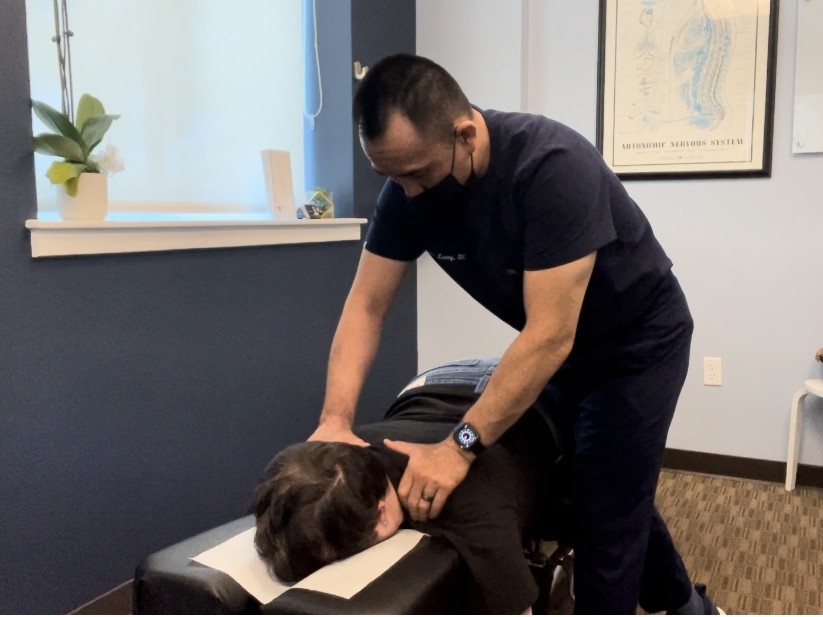
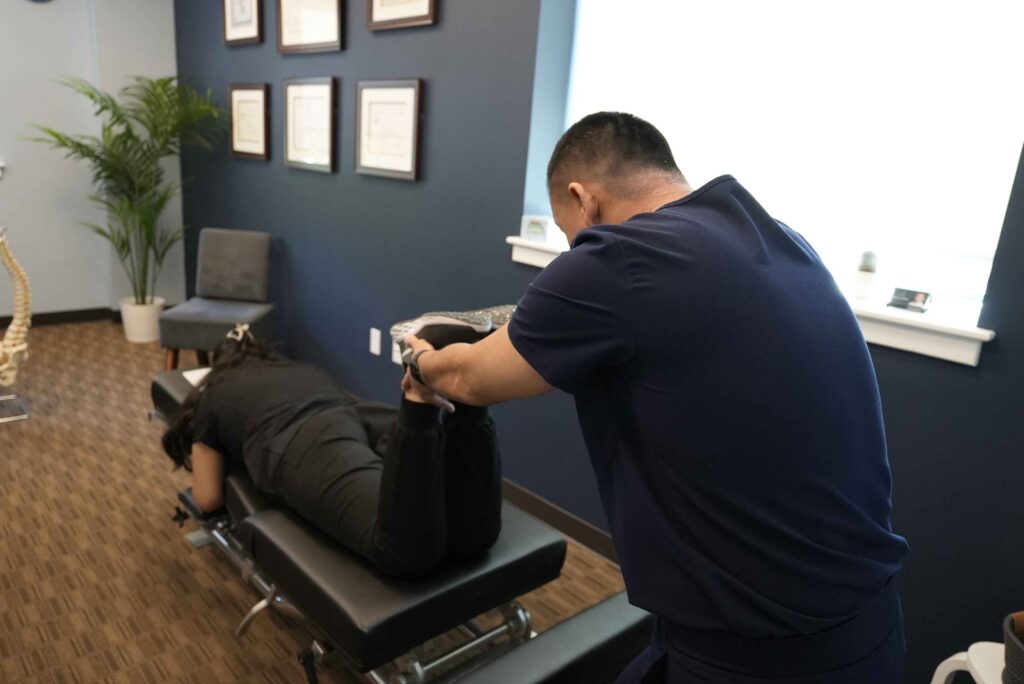
- Regular Chiropractic Adjustments: Consider visiting a chiropractor for routine adjustments. These sessions can help realign your spine, reduce muscle tension, and improve your overall health. With proper spinal alignment, you can experience fewer headaches and better overall wellness.
- Stress Management Techniques: Incorporate relaxation techniques such as deep breathing, meditation, or gentle yoga into your daily routine. These practices can help alleviate stress, which is a common trigger for tension headaches.
- Stay Hydrated: Dehydration can contribute to headaches, so make sure you’re drinking plenty of water throughout the day. Keeping your body well-hydrated supports proper muscle function and can help minimize tension.
- Regular Stretching: Engage in gentle stretching exercises to release muscle tightness, particularly in your neck and shoulders. Simple stretches can help improve circulation and reduce tension headaches.
By following these tips and considering chiropractic care as an essential part of your wellness routine, you can take proactive steps toward relieving tension headaches and enhancing your overall health. Remember, natural healing and healthier living are within your reach!
Key Takeaways
- Begin by practicing deep breathing exercises. This simple technique can help calm your nervous system and enhance oxygen flow, which may provide immediate relief from tension headaches. Remember, taking a moment to breathe deeply can work wonders for your overall well-being.
- It’s essential to maintain good posture while sitting. Poor posture can lead to muscle strain in your neck and shoulders, contributing to headaches. Regularly stretching these areas can alleviate tension, making it easier for your body to function optimally.
- Staying hydrated is crucial for your health. Aim to drink at least eight 8-ounce glasses of water daily. Proper hydration can prevent headaches caused by dehydration, ensuring that your body operates at its best.
- Consider incorporating regular chiropractic adjustments into your health routine. Chiropractic care can improve spinal alignment and reduce muscle tension, making it a natural and effective solution for headache relief. Regular visits to a chiropractor can help keep your spine healthy and your body in balance.
- Utilize heat therapy to relax those tense muscles and consider cold therapy to numb pain and reduce inflammation. Both methods can be highly effective for headache relief, and they complement the benefits of chiropractic care perfectly.
By focusing on these natural techniques and the advantages of chiropractic care, you can take proactive steps toward achieving optimal health and wellness.
Understanding Tension Headaches
Understanding tension headaches starts with recognizing their common triggers and symptoms. These headaches often feel like a tight band around your head, causing mild to moderate pain that can last from 30 minutes to several days. You might also notice tenderness in your scalp, neck, and shoulder muscles, which can add to your discomfort. Unlike migraines, tension headaches typically don’t come with severe nausea or sensitivity to light.
One of the leading causes of tension headaches is stress, but poor posture, lack of sleep, and even dehydration can also play significant roles. You may find that your pain intensifies as the day goes on, especially if you’ve been sitting for long periods—this is where paying attention to your posture becomes crucial.
As a chiropractor, I encourage you to become more aware of how your body reacts in different situations. Simple adjustments in your daily routine can help. For instance, make sure to take regular breaks to stretch your neck and shoulders if you sit for long hours. Staying hydrated and ensuring you get enough restful sleep can also help reduce the frequency and intensity of tension headaches.
Incorporating chiropractic care into your wellness routine is an excellent way to address tension headaches naturally. Regular chiropractic adjustments can help improve spinal alignment, reduce muscle tension, and promote relaxation, all of which can alleviate headache symptoms.
Identifying Triggers
To effectively manage tension headaches, it’s essential to identify your specific triggers. Common factors such as stress, lifestyle choices, and environmental influences can significantly affect how often you experience headaches. By recognizing these triggers, you can implement natural strategies to help reduce their impact on your daily life.
Chiropractic care is an excellent approach for alleviating tension headaches. Regular adjustments can help improve spinal alignment, which may reduce tension in the neck and shoulders—common areas where tension headaches originate.
Additionally, practicing good posture and incorporating relaxation techniques, such as deep breathing or yoga, can further enhance your overall well-being.
Consider keeping a headache diary to track when your headaches occur and what may have triggered them. This can help you and your chiropractor develop a tailored plan to address your specific needs.
Remember, making small lifestyle changes like staying hydrated, getting adequate sleep, and managing stress through gentle exercise can also contribute to reducing the frequency and intensity of your headaches.
Common Triggers Explained
Tension headaches can often be traced back to several common triggers that may be easily overlooked in our busy lives. Stress is a major contributor; when you’re feeling pressured, your muscles tend to tense up, which can lead to painful headaches.
Additionally, poor posture plays a significant role—whether you’re sitting at a desk or standing, incorrect alignment can strain your neck and shoulders, exacerbating headache pain.
Dehydration is another factor to consider; not drinking enough water can increase tension throughout your body. Moreover, spending long hours in front of screens can cause eye strain, which is a known headache trigger.
Lastly, inadequate sleep can leave you feeling exhausted and more prone to tension headaches.
By being aware of these triggers, you can take proactive steps to minimize their impact. Here are some helpful tips:
- Practice Good Posture: Make sure your workstation is ergonomically friendly. Keep your back straight, shoulders relaxed, and your screen at eye level.
- Stay Hydrated: Aim to drink plenty of water throughout the day. Keeping yourself well-hydrated can help alleviate tension.
- Take Breaks: If you’re working on a computer, remember to take short breaks every hour. Stand up, stretch, and give your eyes a rest.
- Manage Stress: Incorporate relaxation techniques such as deep breathing, meditation, or yoga into your daily routine.
- Prioritize Sleep: Establish a regular sleep schedule and create a calming bedtime routine to ensure you get enough rest.
Chiropractic care can be a fantastic way to address tension headaches. By focusing on spinal health and alignment, a chiropractor can help relieve muscle tension and improve overall body function, ultimately reducing the frequency and intensity of headaches.
If you’re struggling with tension headaches, consider consulting a chiropractor to explore how natural healing can lead to optimal health and wellness.
Lifestyle Factors Impacting Headaches
Several lifestyle factors can significantly influence the occurrence and intensity of headaches. Identifying your unique triggers is vital for effective management, and chiropractic care can be an excellent part of that strategy. Here are some common lifestyle factors to consider, along with tips on how to address them naturally:
- Sleep Patterns: Inconsistent sleep or poor quality rest can lead to headaches. Aim for a regular sleep schedule and create a relaxing bedtime routine. Chiropractic adjustments can also help align your spine, which may improve your sleep quality.
- Diet: Skipping meals or becoming dehydrated can trigger headaches. Make sure to stay hydrated and eat balanced meals throughout the day. If you suspect certain foods are causing issues, a chiropractor can help you identify these sensitivities while promoting a healthier diet for overall wellness.
- Caffeine Intake: While caffeine can provide a temporary boost, too much or sudden withdrawal may lead to headaches. Consider moderating your intake and opting for natural alternatives. Chiropractic adjustments can help alleviate tension that might arise from caffeine withdrawal.
- Physical Activity: Both excessive exercise and inactivity can contribute to headaches. Find a balanced routine that includes regular, moderate exercise. Chiropractic care can support your physical activity by ensuring your body is aligned and functioning well, reducing the risk of headaches related to strain or tension.
Incorporating these lifestyle changes can help manage headaches effectively.
Stress Management Techniques
Managing stress is crucial not just for your overall well-being, but also for preventing headaches and promoting spinal health. The first step in managing stress is identifying your specific triggers. Pay close attention to the situations or activities that contribute to your tension. This might include work deadlines, family obligations, or even certain social gatherings.
Keeping a stress journal can be incredibly beneficial; jot down the moments you feel stressed and what’s happening around you. This practice can help you spot patterns and recurring themes.
Once you’ve identified your stress triggers, you can develop effective coping strategies. Simple techniques such as practicing deep breathing exercises, taking regular breaks, or setting healthy boundaries can make a significant difference.
Remember, chiropractic care can also play a vital role in managing stress and promoting relaxation. Regular adjustments can help alleviate tension in your body, improve spinal alignment, and support your overall health.
Incorporating these stress management techniques into your routine will empower you to handle life’s challenges more effectively. The more aware you’re of your stressors, the better equipped you’ll be to manage them, leading to a healthier, pain-free life.
Embrace natural healing through chiropractic care for optimal health and wellness!
Relaxation Techniques
When you’re burdened by the discomfort of a tension headache, turning to relaxation techniques can truly make a difference. As a chiropractor, I want to emphasize the importance of natural methods for pain relief and overall wellness.
Deep breathing exercises and progressive muscle relaxation are two powerful techniques that can help relieve your headache without the need for medications or invasive treatments.
Deep breathing helps to calm your nervous system and reduce muscle tension, which can be a significant contributor to headaches. Simply find a comfortable position, close your eyes, and take slow, deep breaths in through your nose and out through your mouth. This practice not only provides immediate relief but also promotes a sense of calm and relaxation.
Progressive muscle relaxation is another effective method. This technique involves tensing and then relaxing each muscle group in your body, helping to release built-up tension. Start from your toes and work your way up to your head, focusing on each muscle group for a few seconds before letting go. This can help identify areas of tension that may be contributing to your headaches.
Incorporating these relaxation techniques into your daily routine can be beneficial for not just headache relief but also for maintaining a healthy spine and overall wellness. Regular chiropractic adjustments can further support your body’s ability to heal naturally and help prevent future headaches.
Remember, a well-aligned spine contributes to better nerve function, which is essential for overall health.
Deep Breathing Exercises
Deep breathing exercises can be an excellent way to help relieve tension headaches, which are often linked to stress and poor posture. By focusing on your breath, you can promote relaxation and support your overall wellness. Here’s how to get started with this natural technique that complements chiropractic care:
- Find a Quiet Space: Sit or lie down comfortably in a calm, peaceful environment. This will help you focus and enhance the benefits of the exercise.
- Inhale Deeply: Breathe in slowly through your nose, allowing your abdomen to expand fully. This deep breathing not only relaxes your mind but also helps improve oxygen flow to your body, including your spine.
- Hold Your Breath: Pause for a moment after inhaling, letting the air fill your lungs. This brief hold helps increase the relaxation response.
- Exhale Slowly: Release your breath gently through your mouth, visualizing any tension melting away. This process can help relieve tightness often found in the neck and shoulders, which can contribute to headaches.
Repeat this process for several minutes, and you may notice a decrease in headache intensity. Incorporating deep breathing exercises into your daily routine can be a simple yet effective way to manage tension and enhance your overall well-being.
Remember, while these exercises are beneficial, regular chiropractic adjustments can also play a crucial role in maintaining spinal health and preventing headaches.
Progressive Muscle Relaxation
Progressive Muscle Relaxation (PMR) is an excellent technique that can help alleviate tension headaches, supporting your overall wellness and promoting natural healing. By systematically tensing and relaxing different muscle groups in your body, you can effectively reduce muscle tension, which is often a contributor to headache discomfort.
To get started, find a peaceful space where you can sit or lie down comfortably. Begin with your feet; tense the muscles for about five seconds and then release them, taking a moment to notice the difference in how they feel. Gradually move up your body, focusing on your calves, thighs, and continuing this process through each muscle group until you reach your head.
As you tense your muscles, pay attention to the tightness, and as you relax, consciously let go of any stress or discomfort. This practice not only helps to ease muscle tension but also fosters a sense of calm, which is essential for overall health.
Pairing PMR with regular chiropractic care can further enhance your wellness journey, as chiropractors focus on spinal health and proper alignment, which play a crucial role in how your body feels and functions.
Stretching and Posture
Maintaining good posture might seem straightforward, but it’s crucial for preventing and alleviating tension headaches. Poor posture can lead to muscle strain, increasing your risk of headaches. Here are some effective techniques to enhance your posture and incorporate beneficial stretching into your daily routine, all while emphasizing the importance of chiropractic care for optimal health:
- Sit Up Straight: Ensure your back is straight and shoulders are relaxed when sitting. Choose a chair that provides good support for your lower back. This simple adjustment can make a significant difference in your overall spinal health.
- Stretch Regularly: Remember to take short breaks every hour to stretch your neck and shoulders. Gentle neck rolls and shoulder shrugs are easy exercises that can relieve built-up tension. Regular stretching can also complement chiropractic adjustments, enhancing the benefits of your care.
- Align Your Screen: If you work at a computer, make sure your screen is at eye level. This alignment can help prevent unnecessary neck strain, promoting a healthier spine. Proper ergonomics at your workstation is essential for long-term wellness.
- Practice Deep Breathing: Engage in deep breathing exercises throughout the day. This not only helps relax your muscles but also improves your posture. Deep breathing can increase oxygen flow to your muscles, supporting their function and reducing tension.
Incorporating these simple practices into your daily life can help you maintain better posture and reduce the frequency of tension headaches.
Hydration and Nutrition
Proper hydration and nutrition are key players in managing and preventing tension headaches, and as a chiropractor, I want to emphasize their importance for your overall well-being.
When you’re dehydrated, it can trigger headaches or amplify existing pain, so make it a habit to drink enough water throughout the day. A simple guideline is to aim for at least eight 8-ounce glasses daily, but remember to adjust this based on your activity level and the climate you’re in.
Nutrition is another vital aspect of feeling your best. Eating balanced meals that include whole grains, fruits, vegetables, and lean proteins can help keep your blood sugar levels steady, which is crucial for preventing headaches.
Skipping meals is a no-go; low blood sugar can be a headache trigger. Also, be mindful of food sensitivities—common triggers like caffeine, alcohol, and processed foods may contribute to tension headaches for some people.
Incorporating good hydration and nutrition into your daily routine can support your body’s natural healing processes.
And remember, regular chiropractic care can enhance your overall health and wellness, helping your body to function optimally and potentially reducing the frequency and intensity of headaches.
Prioritize your hydration and nutrition as part of a holistic approach to health, and consider visiting your chiropractor to discuss how spinal health can further support your well-being.
Over-the-Counter Pain Relief
Even with good hydration and nutrition, tension headaches can still occur. While many people reach for over-the-counter (OTC) pain relief in these situations, it’s important to remember that chiropractic care can be a more effective and natural solution for managing pain and promoting overall wellness.
Chiropractic adjustments focus on realigning the spine, which can alleviate tension in the muscles and nerves, often leading to significant relief from headaches. Here are some key points to consider:
- Spinal Alignment – Misalignments in the spine can contribute to tension headaches. Regular chiropractic adjustments can help keep your spine in proper alignment, reducing the likelihood of headaches.
- Muscle Relaxation – Chiropractors can also help release tight muscles that may be contributing to headache pain. Techniques like massage therapy or specific stretches can help your body relax and reduce tension.
- Holistic Approach – Chiropractic care takes a whole-body approach. Along with spinal adjustments, chiropractors often provide guidance on nutrition, hydration, and stress management, all of which are crucial for preventing headaches.
- Custom Exercise Plans – A chiropractor can recommend specific exercises to strengthen your neck and back muscles, which can help prevent future tension headaches.
While OTC medications can provide temporary relief, they don’t address the root causes of headaches. By choosing chiropractic care, you’re opting for a natural method that promotes long-term health and wellness.
If you’re experiencing frequent tension headaches, consider scheduling a consultation with a chiropractor to explore how spinal care can help you achieve optimal health and reduce pain naturally.
Heat and Cold Therapy
When managing tension headaches, incorporating heat and cold therapy can be a beneficial part of your wellness routine. As a chiropractor, I believe in natural healing techniques that support your overall health and alleviate pain.
Using heat therapy can help relax your tense muscles and boost blood circulation in the affected area. A warm compress, heating pad, or hot water bottle applied to your neck or forehead for 15 to 20 minutes can work wonders. Just ensure that the temperature is comfortable to avoid any risk of burns.
Conversely, cold therapy can be effective in numbing pain and reducing inflammation. Consider wrapping an ice pack or a bag of frozen vegetables in a towel and applying it to your forehead or the back of your neck for 10 to 15 minutes. This can provide immediate relief and help with discomfort.
Feel free to experiment with both methods and see what brings you the most relief. Some individuals find that alternating between heat and cold provides the best outcomes. Remember to pay attention to your body’s responses, and if your headaches continue, seeking guidance from a chiropractor can be a great next step.
Chiropractic care focuses on aligning your spine and addressing any underlying issues that may be contributing to your headaches. By maintaining proper spinal health, you can enhance your body’s natural ability to heal and function optimally.
Prioritize your wellness with these natural techniques, and consider chiropractic adjustments as a way to support your journey to better health and fewer headaches.
Mindfulness and Meditation
In addition to the benefits of chiropractic care, incorporating mindfulness and meditation into your routine can be an effective way to manage tension headaches naturally. These practices help you focus on the present moment, reducing stress and promoting relaxation, which can be crucial for overall wellness.
Here’s how you can easily get started:
- Find a Quiet Space: Look for a comfortable and peaceful spot where you can sit or lie down without interruptions. This helps you to fully relax and focus.
- Breathe Deeply: Close your eyes and take slow, deep breaths. Inhale gently through your nose, hold for a moment, and then exhale fully through your mouth. This deep breathing can help decrease tension in your body.
- Observe Your Thoughts: As you meditate, acknowledge any tension or discomfort you feel without judgment. Imagine those thoughts drifting away like clouds in the sky. This process can help you release stress and promote relaxation.
- Practice Regularly: Aim for at least 10 minutes a day. Just like chiropractic adjustments, consistency is key to reaping the full benefits and making it easier to manage headaches over time.
By integrating these mindfulness techniques with regular chiropractic care, you can enhance your overall health and well-being, paving the way for a pain-free life.
When to Seek Professional Help
If your tension headaches persist despite trying various self-care techniques, it may be time to explore chiropractic care as a natural solution. Consider consulting a chiropractor if your headaches become more frequent, severe, or start to interfere with your daily activities.
Pay attention to warning signs like sudden changes in your headache patterns, headaches that intensify over time, or additional symptoms such as visual disturbances or nausea.
A chiropractor can help identify underlying causes of your tension headaches, which may include stress, muscle tension, or poor posture. Through gentle spinal adjustments and targeted therapies, chiropractic care aims to relieve tension, improve alignment, and promote overall wellness.
Additionally, chiropractors can provide you with valuable advice on lifestyle adjustments, posture training, and relaxation techniques to enhance your well-being.
Remember, seeking chiropractic help early can prevent further complications and significantly improve your quality of life. You’re not alone in dealing with tension headaches; many have found relief through chiropractic care.
Take charge of your health by reaching out to a chiropractor today, and discover how natural healing can help you achieve optimal wellness. Here’s to a healthier, pain-free life!
Conclusion
Incorporating these simple techniques can make a significant difference in relieving tension headaches and promoting overall wellness. Understanding your personal triggers, practicing relaxation techniques, and maintaining good posture are key steps toward reducing discomfort. Staying well-hydrated and eating nutritious foods also play an essential role in your health.
As a chiropractor, I emphasize the importance of spinal health in preventing and alleviating tension headaches. Regular chiropractic adjustments can help improve your posture, align your spine, and reduce muscle tension, leading to less frequent and less severe headaches.
Consider integrating heat or cold therapy to relax tight muscles, and explore mindfulness and meditation practices to help manage stress. These natural methods not only support headache relief but also contribute to your overall well-being.
If you find that your headaches persist, I encourage you to seek the guidance of a chiropractic professional. We can provide tailored care and support to help you achieve optimal health and live pain-free. Remember, listening to your body and taking proactive steps toward wellness is the best way to maintain a healthy lifestyle.