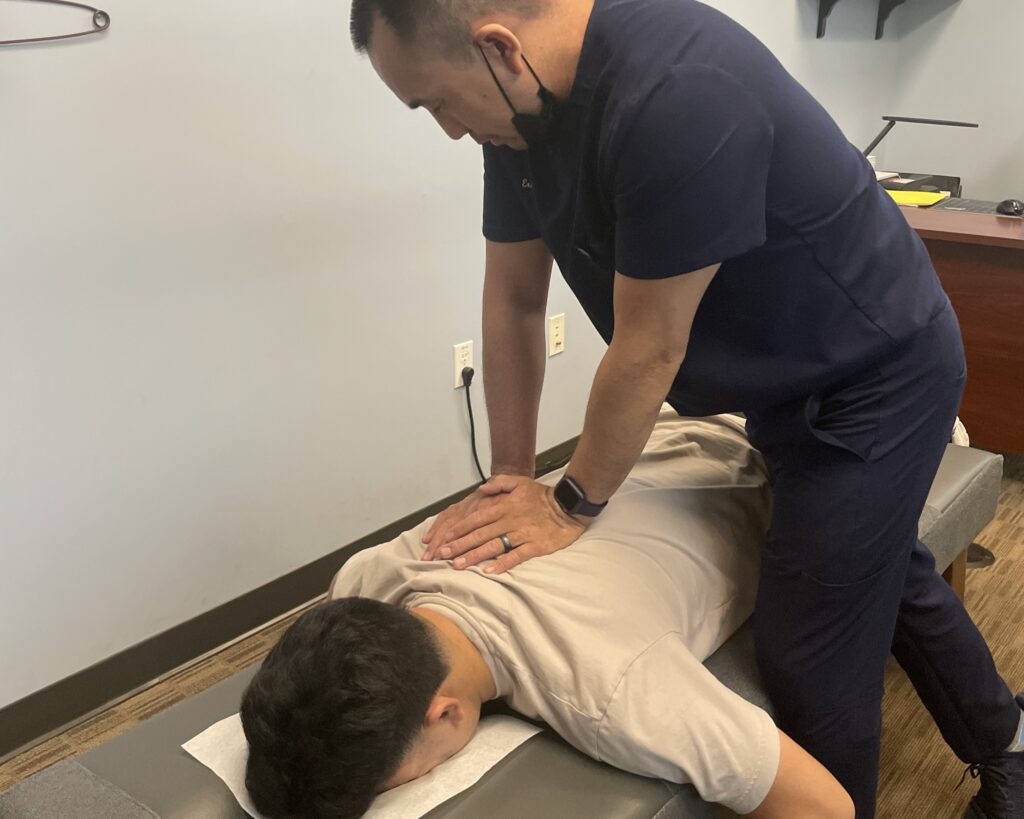
Revitalizing your sports recovery journey is crucial for achieving and maintaining peak performance, and as your local chiropractor, I’m here to help guide you through this process. While you may already be familiar with the importance of proper nutrition, hydration, and sleep, it’s vital to understand that there are additional innovative techniques that can significantly enhance your recovery.
Chiropractic care, for instance, focuses on the alignment of your spine and joints, which can improve your body’s overall function and help prevent injuries. By addressing any misalignments, we can facilitate better movement and reduce pain, allowing you to recover faster and perform better.
Additionally, active recovery techniques—such as gentle stretching and low-intensity exercises—can aid in circulation and muscle recovery, which are essential for athletes like you. Together, these strategies can transform your recovery process, ensuring you bounce back stronger and more resilient. Let’s explore how incorporating chiropractic care and active recovery into your routine can make a significant difference in your sports performance.
Understanding the Importance of Recovery
As a local chiropractor, I want to emphasize the critical role recovery plays in achieving optimal performance, whether you’re an athlete or simply someone looking to enhance your overall well-being.
When you challenge your body through physical activity, recovery becomes vital. It’s during this recovery phase that your muscles heal, your energy levels restore, and your body learns to adapt to the physical demands you’ve placed on it. Ignoring this key process can result in fatigue, reduced performance, and even injuries.
It’s easy to feel the urge to keep pushing through, but recognizing the importance of recovery is essential; it’s not a matter of weakness, but rather a crucial component of your growth and healing.
Integrating effective recovery techniques into your routine can significantly boost not only your physical abilities but also your mental clarity and focus.
Simple practices such as taking a rest day, ensuring you get adequate sleep, and utilizing techniques like stretching or foam rolling can all contribute to your overall performance and health.
At our chiropractic clinic, we believe that embracing recovery as an integral part of your wellness journey can lead to long-term success and help you achieve your personal health and fitness goals.
Effective Nutrition Strategies for Optimal Recovery
As a local chiropractor, I want to share some essential nutrition strategies that can significantly enhance your recovery, especially after physical activities. Your body requires the right nutrients to repair, rebuild, and recharge itself following intense workouts. Here are four key strategies to help you recover effectively:
1. Hydration: It’s crucial to maintain proper hydration. Make sure you’re drinking enough water before, during, and after your exercises.
Consider incorporating electrolyte-rich drinks to replenish the minerals you lose through sweat.
2. Protein Intake: After your workout, aim to consume a protein-rich meal or snack within 30 minutes. This is vital for repairing muscle tissues and promoting muscle growth, which supports your overall physical health and recovery.
3. Carbohydrates: Don’t overlook the importance of carbohydrates! They play a key role in replenishing your glycogen stores, which are essential for energy.
Including complex carbohydrates, such as whole grains and fruits, in your meals can help you maintain energy levels and enhance recovery.
4. Healthy Fats: Including sources of healthy fats in your diet is equally important. Foods like avocados and nuts can help reduce inflammation and support your overall recovery process, allowing your body to heal more effectively.
By focusing on these nutrition strategies, you’re not only supporting your recovery but also enhancing your overall well-being.
The Role of Sleep in Athletic Performance
As a local chiropractor, I often see athletes who are dedicated to their training and nutrition, yet many overlook a crucial element of their performance: sleep. It may surprise you to learn that quality sleep isn’t just a luxury but a vital component that can significantly enhance your strength, endurance, and overall athletic ability.
During deep sleep, your body engages in essential repair processes, such as muscle recovery, hormone regulation, and memory consolidation. These functions are critical for learning new skills and improving your performance on the field or court.
If you’re not getting enough sleep, fatigue can creep in, leading to slower reaction times and impaired decision-making during competitions. I recommend aiming for 7-9 hours of restorative sleep each night to optimize your recovery and athletic performance.
Establishing a consistent sleep schedule is also important. This helps regulate your body’s internal clock, making it easier to fall asleep and wake up feeling rejuvenated.
Just as you prioritize your training and nutrition, I encourage you to make sleep a top priority as well. By doing so, you may notice significant improvements in your athletic performance.
Innovative Recovery Techniques and Tools
As a chiropractor, I want to share with you the exciting world of recovery techniques and tools that can greatly benefit your overall health and well-being.
Many people may not be aware of the innovative methods available, ranging from advanced technologies to the ongoing discussions about active versus passive recovery strategies. It’s important to understand how these advancements can’t only improve your performance but also significantly speed up your recovery process.
In our practice, we often utilize various natural healing approaches that focus on restoring balance and function to your body.
By addressing the root causes of discomfort and utilizing techniques such as spinal adjustments, soft tissue therapy, and guided exercise programs, we can help facilitate your body’s natural healing abilities.
Let’s take the time to explore these options together and see how chiropractic care can play a vital role in your recovery journey.
Cutting-edge Recovery Technology
As your local chiropractor, I want to share some exciting advancements in recovery technology that can aid in your healing process and enhance your overall wellness.
These innovative tools can be integrated into your routine to support your body as it recovers from physical activities or injuries. Here are some options you may find beneficial:
- Compression Therapy: Wearing specialized compression garments can help boost circulation and alleviate muscle soreness. This method applies gentle pressure to your limbs, promoting blood flow and reducing recovery time.
- Cryotherapy: This technique involves exposing your body to very cold temperatures, which can significantly decrease inflammation and accelerate the healing process. It’s a great way to soothe sore muscles post-exercise.
- Infrared Saunas: Unlike traditional saunas, infrared saunas use heat to promote relaxation and detoxification. The warmth penetrates your muscles, which can aid in recovery and reduce tension in your body.
- Electrical Stimulation Devices: These devices use targeted electrical impulses to stimulate your muscles, helping to enhance recovery and alleviate pain. They can be particularly effective in rehabilitating injured areas.
By incorporating these advanced recovery technologies into your wellness routine, you can support your body’s natural healing processes and improve your overall recovery experience.
As always, feel free to reach out to me with any questions about how these methods can complement your chiropractic care.
Active vs. Passive Recovery
As a chiropractor, I want to help you understand the importance of recovery in your overall health and well-being.
It’s crucial to recognize the difference between active and passive recovery, as both play significant roles in your healing process.
Active recovery involves engaging in low-intensity activities, such as walking or cycling. These activities promote blood circulation and can alleviate muscle soreness, keeping your body active while it heals. It’s a fantastic way to stay engaged with your body during recovery.
On the flip side, passive recovery focuses on techniques that allow your body to recuperate without additional strain. This might include practices like gentle stretching or using a foam roller. These methods help your muscles relax and recover effectively, providing the necessary downtime your body needs.
Incorporating both active and passive recovery into your routine can greatly enhance your healing journey.
If you’ve recently undergone a demanding training session or physical activity, consider adding active recovery to your regimen to keep your muscles flexible. Conversely, on those days when you’re resting, prioritize passive recovery techniques to fully recharge your body.
By balancing both active and passive recovery strategies, you can improve your performance and expedite your return to optimal health.
If you have any questions about how these recovery methods can fit into your chiropractic care plan, feel free to ask!
Incorporating Active Recovery Into Your Routine
As a local chiropractor dedicated to your health and well-being, I want to share the benefits of incorporating active recovery into your routine. This approach can significantly enhance your overall performance and help you feel better.
Unlike passive recovery, which involves rest without much movement, active recovery keeps your body engaged, promoting blood flow and reducing muscle soreness.
Here are some effective ways to integrate active recovery into your daily regimen:
- Light Jogging or Walking: Consider a gentle jog or a brisk walk for about 20-30 minutes after intense workouts. This can help loosen your muscles and facilitate recovery.
- Stretching Sessions: Adding dynamic stretches or yoga to your routine can greatly improve your flexibility and alleviate muscle tension. These practices not only enhance your physical health but also contribute to your mental well-being.
- Cycling: A leisurely bike ride is a fantastic way to boost circulation without putting excessive strain on your body. It’s a low-impact activity that can work wonders for your recovery process.
- Swimming: Engaging in light swimming is an excellent full-body workout that’s gentle on your joints. It allows you to work your muscles while providing the benefits of a low-impact exercise.
By incorporating these active recovery techniques into your routine, you can support your body’s natural healing processes and promote better overall health.
If you have any questions about how to implement these practices or how chiropractic care can further assist you, feel free to reach out!
Mindfulness and Mental Recovery Strategies
As a local chiropractor, I want to emphasize that recovery in sports isn’t solely about physical rehabilitation; mental strategies play a crucial role as well.
Incorporating techniques such as visualization and focused breathing can significantly enhance your recovery process. These practices help calm your mind, which in turn can improve your concentration and overall performance.
Visualization Techniques for Recovery
As a local chiropractor, I understand that while physical recovery is crucial for athletes and active individuals, mental recovery is equally important and shouldn’t be overlooked.
One effective way to support your recovery journey is through visualization techniques. These techniques can help you focus your mind and realign your mental state, fostering a stronger connection between your mind and body.
Here are four visualization techniques you might consider incorporating into your routine:
- Pre-Performance Imagery: Before engaging in physical activity, take a moment to visualize yourself executing your skills flawlessly. This mental rehearsal can boost your confidence and readiness.
- Healing Visualizations: Imagine your body healing itself. Visualize your muscles repairing and becoming stronger with every breath, promoting a positive mindset towards your recovery.
- Relaxation Scenes: To help alleviate stress, envision yourself in calming environments. Picture a serene beach or a peaceful forest, allowing these images to promote relaxation and reduce anxiety.
- Goal Visualization: See yourself achieving your recovery goals. Visualizing success can reinforce a positive mindset and keep you motivated throughout your healing process.
Incorporating these visualization techniques into your recovery routine can enhance your mental resilience and contribute significantly to your overall healing.
Breathing Exercises for Focus
As a local chiropractor, I want to share with you how breathing exercises can significantly enhance your focus and mental clarity during your recovery journey. Many people aren’t aware that incorporating simple techniques, such as deep diaphragmatic breathing, can effectively reduce stress and improve concentration.
To get started, find a quiet space where you can relax. Begin by inhaling deeply through your nose for a count of four, then hold that breath for another count of four, and finally, exhale slowly through your mouth for another count of four. Repeat this cycle several times. Not only does this practice help calm your mind, but it also allows you to reconnect with your body, giving you a better understanding of your physical state.
I encourage you to add these breathing exercises to your daily routine. They can sharpen your focus and make your recovery process more effective and enjoyable.
Conclusion
As a local chiropractor, I want to emphasize how revitalizing your sports recovery journey is crucial for reaching your peak performance. It goes beyond just physical adjustments; it’s about embracing a holistic approach to your health. Effective nutrition, quality sleep, and innovative recovery techniques are vital components that can elevate your performance.
Don’t underestimate the importance of active recovery and mental wellness practices. These elements are not just supplementary; they are essential for building resilience and maintaining a positive mindset. By incorporating chiropractic care into your recovery routine, you can enhance your body’s natural healing processes and improve your overall well-being.
I encourage you to explore these strategies and see how they can benefit not only your athletic performance but also your everyday life. Take the first step towards a healthier, more balanced approach to your physical activities—let’s start your journey together today!