As a local chiropractor, I want to share with you that if you’re experiencing back pain due to poor posture, you’re certainly not alone. Many individuals are unaware of how their daily habits can significantly affect their spine health. The good news is that by making a few simple adjustments, you can alleviate discomfort and enhance your overall well-being.
Start by considering your workspace—ensuring it is ergonomic can make a world of difference. Additionally, incorporating core-strengthening exercises into your routine can provide the support your spine needs. These practical strategies can help you regain control over your posture and comfort.
Let’s work together to explore these techniques and find a personalized approach that suits you. Remember, natural healing through chiropractic care can play a vital role in your journey towards better posture and reduced pain.
Understand the Importance of Good Posture
As a local chiropractor, I want to emphasize the profound impact that good posture has on your overall health, especially in preventing back pain. Many people underestimate this connection, but when you maintain proper posture while sitting or standing, your spine aligns naturally.
This alignment minimizes stress on your muscles and ligaments, promoting better balance and stability, which is essential for avoiding strain in your daily activities.
You may not realize it, but when you slouch or hunch over, you’re placing additional pressure on your back, which can lead to discomfort or pain. By making a conscious effort to adjust your posture, you can significantly reduce this strain.
I recommend keeping your shoulders back, aligning your head with your spine, and ensuring your feet are flat on the floor when seated.
Practicing good posture goes beyond just comfort; it can enhance your breathing and even boost your confidence. By prioritizing proper posture each day, you’re taking a crucial step toward preventing back pain and improving your overall well-being.
Embracing these small adjustments can lead to lasting benefits, and I’m here to guide you on this journey toward better health through natural healing and chiropractic care.
Adjust Your Workspace Ergonomically
As a local chiropractor, I want to emphasize the importance of creating an ergonomic workspace to alleviate back pain.
One of the first steps you can take is to adjust the height of your chair so that your feet rest flat on the floor; this promotes proper posture and spinal alignment.
Additionally, positioning your monitor at eye level is crucial to minimize strain on your neck and back.
These straightforward adjustments can significantly enhance your comfort and well-being throughout the day.
Taking the time to optimize your workspace is an essential part of maintaining a healthy spine and preventing discomfort.
Chair Height Adjustment
As a local chiropractor, I want to emphasize the importance of proper chair height adjustment for your overall health and well-being. When you take the time to adjust your chair correctly, you can significantly enhance your posture and alleviate back pain while you work.
Begin by sitting all the way back in your chair, ensuring that your feet are flat on the floor. Your knees should form a 90-degree angle, with your thighs parallel to the ground. If you find that your chair’s height prevents you from achieving this position, consider using a footrest to provide the necessary support for your feet.
It’s also essential to ensure that your hips are positioned slightly higher than your knees. This alignment promotes a natural curve in your lower back, which is vital for maintaining spinal health.
Additionally, check that your elbows are at a comfortable angle while using your keyboard.
By following these simple steps, you can create a more ergonomic workspace that not only supports your body but also enhances your comfort.
Monitor Positioning Tips
As a local chiropractor, I want to emphasize the importance of proper monitor positioning in your daily life. Many people are unaware that how you set up your workspace can significantly impact your overall health, particularly your spine and eyes.
To start, ensure your monitor is at eye level. This means the top of the screen should be aligned with your eye line—this way, you won’t need to tilt your head up or down, which can lead to neck discomfort over time.
It’s also crucial to keep your monitor about an arm’s length away, ideally between 20 to 30 inches. This distance not only helps reduce eye strain but also promotes a comfortable viewing angle that supports good posture.
Another tip is to adjust the tilt of your screen to minimize glare. When the screen is positioned correctly, you should be able to look straight at it without straining your neck.
If you’re using multiple monitors, try to keep them close together to limit excessive head movement, which can contribute to discomfort and misalignments.
Remember, investing time in setting up your workspace correctly can lead to better posture and increased comfort during your work hours.
As someone who cares about your well-being, I encourage you to pay attention to these details to help prevent future discomfort and pain.
Strengthen Your Core Muscles
As a local chiropractor, I want to emphasize the importance of strengthening your core muscles for maintaining overall back health.
A robust core plays a crucial role in supporting your spine, enhancing your posture, and significantly alleviating back pain.
By incorporating effective core exercises into your routine, you can experience a range of benefits that positively impact your daily life.
Let me guide you through some simple yet powerful exercises that can help you build a stronger core and promote natural healing for your body.
Core Exercises Overview
As a local chiropractor, I want to emphasize the importance of core exercises in alleviating back pain and enhancing overall stability. Engaging your core muscles is crucial for supporting your spine and maintaining proper posture during daily activities. A strong core not only helps distribute weight evenly but also reduces strain on your back, which is essential for preventing discomfort and injury.
To begin your journey towards a stronger core, consider incorporating a variety of exercises that target different muscle groups in your core. Effective options include planks, bridges, and bicycle crunches. While performing these exercises, it’s important to engage your abdominal muscles and maintain steady breathing.
Aim for consistency; even dedicating just a few minutes each day can lead to significant improvements.
As you build strength in your core, you may notice enhancements in your balance and coordination. This can make everyday movements easier and more comfortable.
I encourage you to start integrating these core exercises into your routine today, as they can complement the natural healing process and overall wellness that chiropractic care promotes.
Benefits of Core Strength
As a chiropractor, I want to emphasize the importance of a strong foundation for your overall physical health, and that foundation begins with your core strength.
Strengthening your core muscles is essential for improving your stability and balance, which significantly reduces your risk of injury. A robust core supports your spine and can alleviate back pain while also enhancing your posture.
You may not realize this, but a strong core also makes everyday movements more efficient. This means that simple tasks become easier, and you may notice an improvement in your performance during physical activities.
Additionally, if you’re involved in sports, a solid core can enhance your athletic performance, enabling you to run faster and jump higher.
Investing time in building your core strength isn’t just about pain relief; it’s about enhancing your overall fitness and leading a healthier, more active lifestyle.
As your chiropractor, I encourage you to prioritize core strength as part of your wellness journey, and I’m here to guide you through exercises and techniques that can help you achieve this goal.
Incorporate Regular Stretching Exercises
As a local chiropractor, I want to emphasize the importance of incorporating regular stretching exercises into your daily routine, especially if you’re experiencing back pain. Many people underestimate the benefits of stretching, but it can significantly alleviate discomfort and improve your overall well-being.
Stretching enhances flexibility, which is crucial for reducing muscle tension and preventing stiffness. It’s particularly beneficial to focus on areas that are often linked to back pain, such as your lower back, hamstrings, and hips. By targeting these regions, you can help ease any discomfort and promote better alignment.
I recommend simple stretches like the cat-cow pose or the standing forward bend. These can be easily integrated into your day, even if you only have a few minutes to spare. Ideally, aim for at least 10-15 minutes of stretching every day, particularly after long periods of sitting.
The great news is that you don’t need any fancy equipment or a lot of space—just your body and a commitment to your health.
Practice Mindfulness and Body Awareness
As a local chiropractor, I’ve seen firsthand how practicing mindfulness and body awareness can significantly aid in managing back pain. By being more attuned to your body, you can identify tension and discomfort before they develop into more serious issues.
Here are some effective strategies to help you cultivate mindfulness and body awareness:
- Deep Breathing: Allocate a few minutes each day to concentrate on your breath. Inhale deeply, hold it for a moment, and then exhale completely. This practice can help alleviate tension in your back and promote relaxation.
- Body Scan: Find a comfortable position, ideally lying down, and mentally scan your body from head to toe. Pay attention to any areas of tightness or discomfort, and consciously work on relaxing those areas.
- Mindful Movement: Consider incorporating gentle movements into your routine, such as yoga or tai chi. Focus on how your body feels with each motion, as this awareness can enhance your overall physical health and well-being.
- Daily Check-Ins: It can be helpful to set reminders throughout your day to pause and evaluate your posture and tension levels. Make adjustments as needed to prevent unnecessary strain on your back.
Use Supportive Seating Options
As a chiropractor, I often emphasize the importance of choosing the right seating to help manage and alleviate back pain. It’s crucial to select chairs that offer adequate lumbar support, allowing your lower back to maintain its natural curve.
When your chair has adjustable height and armrests, it enables you to tailor your seating position, which can significantly improve your posture throughout the day.
When you’re on the hunt for a chair, pay attention to the firmness of the seat cushion. While soft cushions may feel cozy at first, they can ultimately lead to poor posture and exacerbate back issues over time.
If you find yourself sitting for extended periods, consider investing in a cushion designed specifically for back support; it can make a world of difference.
Moreover, opt for seating that encourages an upright posture. It’s best to avoid chairs that allow you to sink in too deeply or recline excessively.
Remember, your feet should rest flat on the ground or on a footrest, with your knees positioned at or slightly below hip level.
Take Frequent Breaks and Move
As a local chiropractor, I want to emphasize the importance of taking frequent breaks and incorporating movement into your daily routine.
If you find yourself sitting for long periods, it’s crucial to understand how this can impact your back health. Prolonged sitting can lead to tension and discomfort, making it vital to get up and stretch regularly.
Here are some practical tips to help you stay active throughout your day:
- Set a Timer: Consider setting a reminder on your phone or computer to stand up every 30 to 60 minutes. This small change can help alleviate strain on your back over time.
- Stretch It Out: Whenever you take a break, take a moment to perform gentle stretches. Focus on areas that often hold tension, such as your back, hips, and shoulders.
- Walk It Off: Aim to take a quick 5-minute walk around your workspace or home. This simple activity can enhance blood circulation and provide relief to your back muscles.
- Change Positions: If your work setup allows, alternate between sitting and standing. This variation can help reduce pressure on your spine and promote better posture.
By incorporating these practices into your daily life, you can take proactive steps towards managing and preventing back pain.
Invest in Quality Footwear
As a local chiropractor, I want to emphasize the importance of investing in quality footwear for your overall back health. Many people don’t realize that the shoes you wear play a crucial role in maintaining proper body alignment. When your shoes provide adequate support and cushioning, they help align your spine and pelvis, which can significantly reduce the strain on your back.
On the other hand, poorly designed or worn-out shoes can lead to misalignment, resulting in discomfort and pain that can radiate from your feet all the way up to your back.
When selecting shoes, it’s essential to look for those that offer good arch support and a cushioned sole. I advise my patients to avoid high heels and flat shoes that lack support, as these can further aggravate posture-related issues.
If you find yourself on your feet for extended periods, consider using insoles designed to provide extra support tailored to the unique shape of your feet.
Seek Professional Help When Needed
As a local chiropractor, I want to address a common issue that many of my patients face: persistent back pain, even when wearing supportive footwear. If you’re struggling with this discomfort, it’s crucial to understand that seeking professional help can be a transformative step toward relief.
Chiropractic care focuses on the alignment of your spine and overall posture, which are essential for your body’s health. Here are some approaches we can explore together:
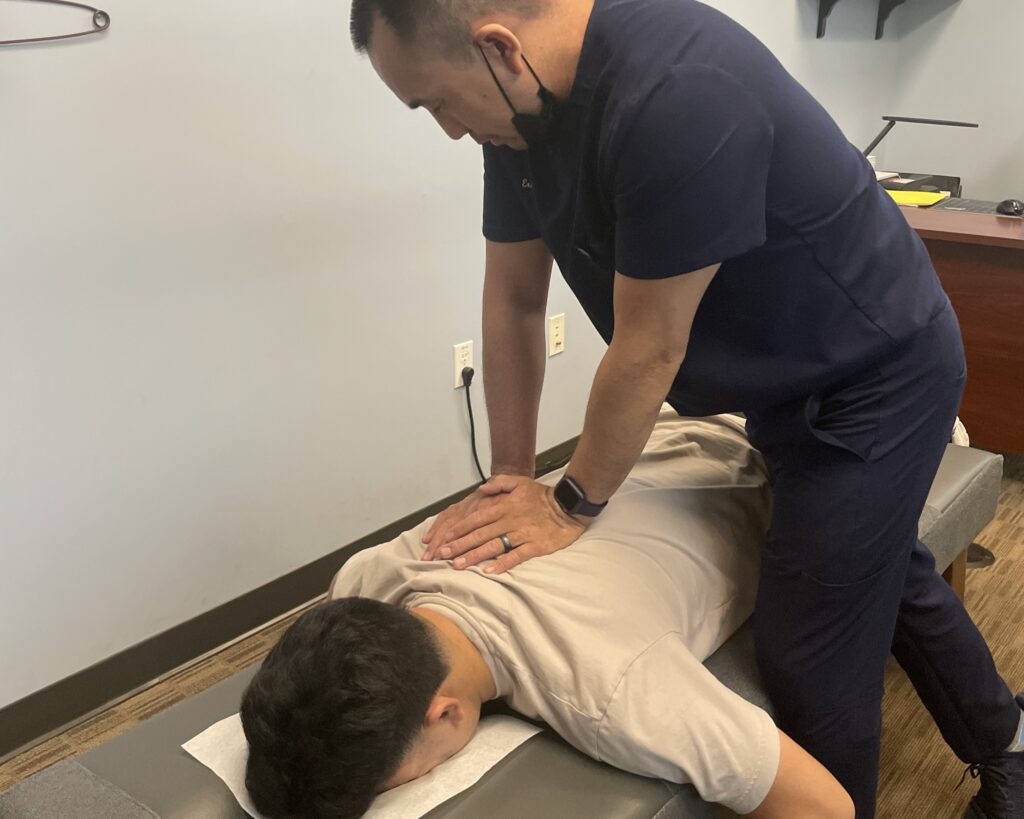
- Chiropractic Adjustments: Through gentle adjustments, we can help realign your spine, reducing pain and improving your overall mobility.
- Customized Exercise Plans: I can work with you to develop a tailored exercise program that strengthens your back and core, providing better support for your spine.
- Muscle Relaxation Techniques: Incorporating massage therapy can be beneficial in relieving muscle tension, which often contributes to discomfort.
- Comprehensive Assessments: If your pain persists, I may recommend a thorough examination and possible imaging tests to better understand your condition and suggest effective treatment options.
Don’t hesitate to reach out and discuss your concerns. Early intervention through chiropractic care can significantly enhance your quality of life and help prevent further complications.
Conclusion
As a local chiropractor, I want to share some simple yet effective tips to help you alleviate posture-related back pain. It’s crucial to prioritize good posture in your daily life, as this can significantly impact your spinal health. One key aspect is adjusting your workspace; ensuring that your chair and desk are appropriately set up can make a world of difference. Additionally, strengthening your core muscles provides essential support for your spine, which can enhance your overall well-being.
I also encourage you to take regular breaks throughout your day. Stretching can help relieve tension and keep your muscles flexible. Don’t underestimate the importance of supportive footwear, as this can aid in maintaining proper alignment and reducing strain. If you find that your pain persists despite these efforts, please consider seeking professional help. Chiropractic care offers tailored solutions that focus on your individual needs, helping you achieve greater comfort and improved health. Remember, taking proactive steps today can lead to a healthier back tomorrow!