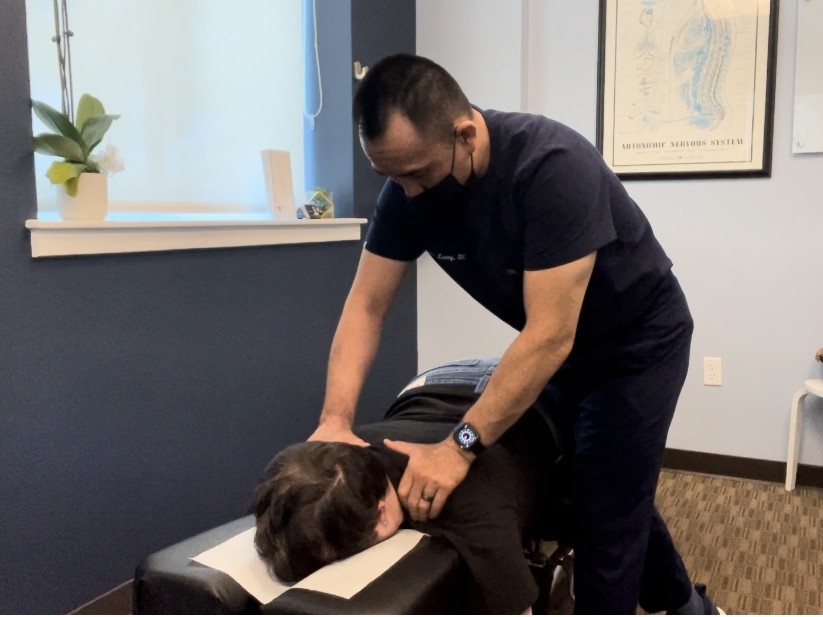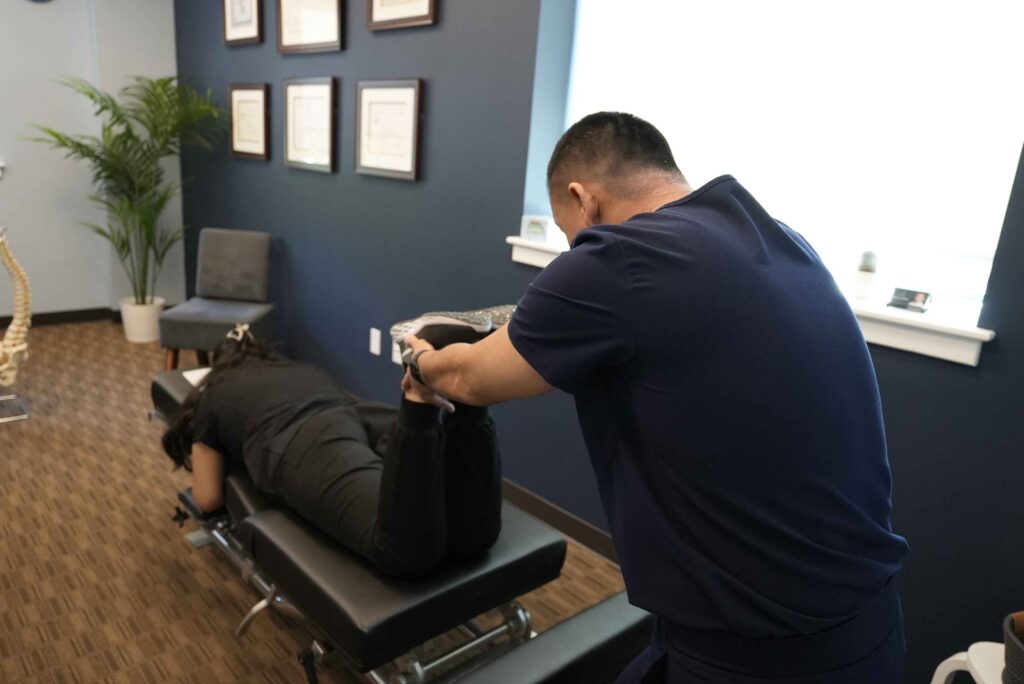
When it comes to managing headaches, many people often focus on common triggers like stress or dehydration. However, have you considered how your spinal alignment could be impacting your discomfort? Misalignments in the spine can create tension that may worsen headaches, making it essential to understand this connection in your journey toward relief.
As a chiropractor, I want to highlight the importance of spinal health in headache management. When your spine is properly aligned, it helps maintain balance and reduces tension throughout your body. This can lead to fewer headaches and a better overall sense of well-being.
Here are a few strategies to help you improve your spinal alignment and potentially alleviate headache pain:
- Regular Chiropractic Adjustments: Regular visits to your chiropractor can help keep your spine aligned and reduce tension that contributes to headaches. Your chiropractor can provide personalized adjustments and guidance tailored to your specific needs.
- Posture Awareness: Be mindful of your posture, especially if you spend long hours sitting at a desk or looking at screens. Aim to keep your back straight, shoulders relaxed, and your head aligned over your spine. Consider using supportive chairs or ergonomic setups to promote better alignment.
- Gentle Stretching and Exercise: Incorporate gentle stretching and strengthening exercises into your daily routine. Simple neck stretches and yoga poses can help release tension in your back and neck, promoting better spinal health.
- Stay Hydrated: While hydration is a common headache trigger, it also supports overall spinal health. Ensure you’re drinking enough water throughout the day to keep your body functioning optimally.
- Stress Management Techniques: Since stress can contribute to both spinal misalignment and headaches, consider practices like deep breathing, meditation, or mindfulness to help manage stress levels.
By focusing on your spinal alignment and incorporating these strategies, you may find a natural path to relieving headaches and enhancing your overall health. Remember, chiropractic care is a powerful ally in achieving optimal wellness, so don’t hesitate to seek out care tailored to your needs. Your body will thank you!
Key Takeaways
Spinal alignment is essential for optimal nerve function, which can significantly impact the occurrence and intensity of headaches. When your spine is properly aligned, it helps keep your muscles relaxed and reduces stress, which are common triggers for tension headaches.
It’s important to be aware of other headache triggers, such as dehydration and stress, because while maintaining good spinal alignment is crucial, addressing these triggers can further enhance your well-being. By staying hydrated and managing stress, you can complement the benefits of chiropractic care.
As a chiropractor, I focus on correcting spinal misalignments through gentle adjustments. This not only helps reduce the frequency of headaches but also addresses their underlying causes, leading to a more holistic approach to your health.
In addition to chiropractic care, practicing mindful posture is a simple yet effective way to prevent headaches. By being conscious of your posture throughout the day, you can minimize strain on your spine and support your overall spinal health.
Remember, caring for your spine is a vital step toward achieving optimal health. If you’re struggling with headaches, consider scheduling a visit to explore how chiropractic adjustments can help you find relief and improve your quality of life. Prioritizing your spinal health can lead to natural wellness and a happier, healthier you!
Understanding Headaches: Types and Causes
When you experience a headache, it’s essential to understand that not all headaches are the same; they can vary significantly in type and cause. The most common types include tension, migraine, and cluster headaches. Tension headaches often feel like a tight band around your head, while migraines can cause severe pain, often accompanied by nausea or light sensitivity. Cluster headaches, on the other hand, are intense and occur in cyclical patterns.
Recognizing the causes of your headaches can help you manage them more effectively, and this is where chiropractic care can play a vital role. Stress, dehydration, poor posture, and even certain foods can trigger headaches. For many, hormonal changes or lack of sleep might be contributing factors. By identifying your specific triggers, you can take proactive steps to reduce their impact.
Chiropractic care focuses on the health of your spine and nervous system, which can help alleviate headache pain. Regular chiropractic adjustments can improve spinal alignment, reducing tension and stress on the body. This natural approach not only addresses the symptoms but also targets the underlying causes of headaches.
To further support your headache relief, consider keeping a headache diary to track when and how your headaches occur. This can be incredibly helpful in pinpointing triggers and finding effective strategies to minimize their occurrence.
In addition, incorporating relaxation techniques, staying hydrated, maintaining good posture, and ensuring you get adequate sleep can significantly contribute to your overall wellness.
Chiropractic care offers a holistic path to health and wellness, making it an excellent choice for those seeking natural relief from headaches. By focusing on your spine and overall well-being, you can take control of your health and experience fewer headaches in your daily life.
The Anatomy of the Spine
The spine, often called the backbone, is an incredible structure that plays a vital role in your overall health and well-being. It consists of 33 vertebrae stacked in a flexible column, providing essential support and stability. Understanding your spine’s anatomy isn’t only fascinating but can also help you appreciate how chiropractic care can enhance your health.
Let’s break down the key components:
- Cervical Region: The uppermost section has seven vertebrae that support your head and allow for neck movement. Keeping this area aligned can help alleviate tension and discomfort that many people experience from daily activities.
- Thoracic Region: This middle section contains twelve vertebrae that support your ribcage, protecting vital organs. Proper alignment here can improve posture and respiratory function, helping you breathe more easily and feel more energized.
- Lumbar Region: Made up of five vertebrae, this area bears much of your body’s weight and provides flexibility for bending and twisting. If you experience lower back pain, chiropractic adjustments can help restore balance and mobility, reducing discomfort and enhancing your quality of life.
- Sacral and Coccygeal Regions: These lower sections consist of fused vertebrae that form the pelvic base and tailbone. Maintaining alignment in this region is crucial for pelvic stability and can help with issues related to lower body function.
Each part of your spine plays an important role in your body’s overall function, contributing to mobility and balance in your daily life.
Here are some general tips to help you maintain a healthy spine:
- Stay Active: Regular physical activity strengthens your back muscles and improves flexibility. Simple exercises like walking, stretching, and yoga can make a big difference.
- Practice Good Posture: Be mindful of your posture when sitting, standing, or using your phone. Keeping your spine aligned can help prevent discomfort.
- Listen to Your Body: If you feel pain or discomfort, seek chiropractic care. Chiropractors are trained to assess and treat spinal issues naturally, helping you achieve optimal health without the need for medications or surgeries.
By prioritizing your spinal health through chiropractic care and healthy lifestyle choices, you can enjoy a pain-free, active life.
How Spinal Alignment Affects Overall Health
Your spinal alignment is crucial to your overall health, affecting everything from your posture to how well your nerves function. When your spine is misaligned, it can contribute to chronic pain and a variety of health issues that can disrupt your daily life.
As a chiropractor, I want to emphasize that understanding this connection is key to prioritizing your spinal health and enhancing your well-being.
Chiropractic care is a natural and effective way to address spinal misalignments. Through gentle adjustments, we can help restore proper alignment to your spine, which can alleviate pain and improve your overall health. Unlike surgeries or medications, chiropractic care focuses on healing the body naturally, allowing you to regain control of your health without harsh interventions.
Here are some general tips to maintain a healthy spine and support your overall wellness:
- Practice Good Posture: Whether you’re sitting at a desk or standing, maintaining good posture can prevent unnecessary strain on your spine. Keep your shoulders back and your head aligned over your hips.
- Stay Active: Regular physical activity helps keep your muscles strong and supports spinal alignment. Simple activities like walking, stretching, or yoga can make a big difference.
- Use Ergonomic Furniture: Invest in a good chair and desk setup that supports your spine while you work or relax. Make sure your screen is at eye level to avoid straining your neck.
- Stay Hydrated: Drinking plenty of water is important for overall health and can help maintain the elasticity of your spinal discs.
- Schedule Regular Chiropractic Check-ups: Just like you visit a dentist for your teeth, regular visits to your chiropractor can help keep your spine in optimal condition, preventing issues before they arise.
By prioritizing your spinal health through chiropractic care and these simple lifestyle changes, you can achieve better overall health and enjoy a pain-free life.
Importance of Posture
Proper posture is often overlooked, but it plays a vital role in spinal alignment and overall health. As a chiropractor, I want to emphasize the importance of maintaining good posture, as it not only supports your spine but also contributes to your overall well-being.
Here are some key benefits of practicing good posture:
- Reduced Fatigue: When your body is aligned correctly, it reduces unnecessary strain on your muscles. This means you can feel more energized and less tired throughout the day, making it easier to engage in activities you love.
- Improved Breathing: Maintaining good posture opens up your chest and allows your lungs to expand fully, which can enhance your breathing capacity. This is essential for delivering oxygen to your body and can improve your overall vitality.
- Better Digestion: Sitting up straight can positively impact your digestive system. By allowing your organs to function efficiently, you promote healthy digestion, which is crucial for your overall health and comfort.
- Enhanced Confidence: Standing tall not only improves your physical appearance but also boosts your self-esteem. Good posture can influence how others see you and how you feel about yourself, which is an important aspect of mental wellness.
To help you maintain good posture and support your spine, here are some practical tips:
- Be Mindful: Pay attention to how you sit and stand throughout the day. Make small adjustments to keep your spine aligned.
- Take Breaks: If you sit for long periods, take short breaks to stretch and re-align your posture.
- Strengthen Your Core: Engaging in exercises that strengthen your core muscles can provide better support for your spine.
- Visit Your Chiropractor: Regular chiropractic adjustments can help maintain proper spinal alignment and relieve any discomfort you may be experiencing.
By focusing on these simple yet effective strategies, you can promote better posture and enhance your overall health.
Nerve Function Impact
When your spinal alignment is off, it can significantly affect how your nerves function, leading to a range of health issues. Misalignments in your spine can put pressure on the nerves, making it harder for them to communicate with your body effectively. This can result in uncomfortable sensations like numbness, tingling, or even weakness in various areas.
You might also feel more fatigued because your body’s signals aren’t being sent and received as they should be. This is where chiropractic care comes into play. By ensuring your spine is properly aligned, you can help your nerves function at their best. Good spinal alignment not only supports nerve health but also promotes better circulation, allowing nutrients to flow freely throughout your body.
Taking care of your spine isn’t just about relieving pain; it’s about enhancing your overall health and resilience. Here are some simple tips to support your spinal health:
- Stay Active: Regular movement helps maintain flexibility and strength in your spine. Simple activities like walking or stretching can make a big difference.
- Practice Good Posture: Pay attention to how you sit and stand. Keeping your back straight and shoulders relaxed can help maintain proper spinal alignment.
- Use Supportive Seating: Whether you’re at work or home, choose chairs that support your lower back to avoid strain.
- Stay Hydrated: Drinking plenty of water is essential for spinal health as it helps keep the discs in your spine hydrated.
- Schedule Regular Chiropractic Visits: Regular adjustments can help keep your spine aligned and your nervous system functioning optimally.
Chronic Pain Connection
Poor spinal alignment can lead to a range of chronic pain issues that can significantly impact your overall health and quality of life. When your spine is out of alignment, it can cause more than just discomfort; it can interfere with various bodily functions.
Here are some common symptoms you might experience:
- Persistent headaches that seem to linger and affect your daily routine.
- Lower back pain that makes even simple tasks feel like a challenge.
- Joint discomfort that can limit your movement and enjoyment in life.
- Fatigue that leaves you feeling drained and less motivated.
These issues often arise from poor spinal alignment, creating a cycle of pain that can be tough to escape. Fortunately, chiropractic care focuses on restoring this alignment, which can help alleviate these symptoms and improve your overall well-being.
Here are some general tips to promote better spinal health:
- Stay Active: Incorporate regular physical activity into your routine. Simple exercises like walking, stretching, or yoga can strengthen your back muscles and improve flexibility.
- Practice Good Posture: Whether sitting at a desk, driving, or standing, maintaining good posture can help keep your spine aligned. Make sure to keep your shoulders back and your back straight.
- Mind Your Sleep Position: Use a supportive mattress and pillow that keeps your spine in a neutral position while you sleep.
- Stay Hydrated: Drinking plenty of water can help maintain the elasticity of spinal discs, aiding in overall spinal health.
By making these lifestyle adjustments and prioritizing your spinal health through chiropractic care, you can work towards a pain-free, healthier, and more vibrant life.
The Link Between Poor Posture and Headaches
If you’ve ever found yourself slouching at your desk or craning your neck to look at your phone, you might be unwittingly setting the stage for a headache. Poor posture can lead to muscle tension, especially in your neck, shoulders, and upper back. When these muscles are strained, they can cause discomfort that often triggers headaches.
Your spine plays a crucial role in maintaining proper alignment. When you hunch over or lean forward, the natural curve of your spine becomes disrupted, which can increase pressure on your nerves. This pressure may lead to tension headaches or even migraines.
You mightn’t realize how your everyday habits affect your posture, but making small adjustments can have a significant impact on your well-being. Here are some simple tips to help you improve your posture and potentially reduce headaches:
- Sit Up Straight: Make an effort to keep your back straight and shoulders relaxed while sitting. This can help alleviate pressure on your spine and surrounding muscles.
- Screen Position: Ensure your computer or phone screen is at eye level. This will help you avoid leaning forward or craning your neck, which can lead to discomfort.
- Regular Breaks: Take short breaks to stretch and move around. Simple stretches can help relieve muscle tension and promote better posture.
- Chiropractic Care: Consider visiting a chiropractor for a thorough spinal assessment. Chiropractic adjustments can help restore proper alignment, relieve tension, and promote overall wellness naturally.
By focusing on these simple changes and incorporating chiropractic care into your routine, you can work towards reducing the frequency and severity of headaches while enhancing your overall health.
Common Spinal Misalignments and Their Effects
When your spine is misaligned, it can lead to a range of issues that you mightn’t even realize are connected. For example, cervical misalignment can often trigger headaches, while problems in the thoracic and lumbar regions can increase discomfort throughout your body.
Understanding these common spinal misalignments is crucial for finding relief and restoring balance to your life.
As a chiropractor, I want to emphasize that chiropractic care is a natural and effective way to address these issues. By realigning your spine, we can help alleviate pain and promote overall wellness without the need for medications or invasive procedures.
Here are some general tips to keep your spine healthy:
- Maintain Good Posture: Whether sitting at a desk or standing, keep your back straight and shoulders relaxed. This can help prevent misalignments from developing in the first place.
- Stay Active: Regular physical activity strengthens your muscles and supports spinal health. Simple activities like walking, stretching, or yoga can make a big difference.
- Listen to Your Body: If you start to feel discomfort or pain, don’t ignore it. Early intervention through chiropractic care can help prevent more serious issues down the line.
- Consider Regular Check-Ups: Just like you’d for your teeth or general health, regular chiropractic adjustments can help maintain spinal alignment and promote overall well-being.
By focusing on these practices and seeking chiropractic care, you’re taking proactive steps toward achieving optimal health and wellness.
Cervical Misalignment Consequences
Cervical misalignments can lead to a variety of discomforts, particularly headaches, as they disrupt the natural curvature of your spine. When your cervical spine isn’t properly aligned, you may experience:
- Chronic neck pain – This can create tension in your muscles, resulting in ongoing soreness that affects your daily life.
- Frequent headaches – Misalignments can trigger tension headaches or migraines, making it difficult to focus on your everyday tasks.
- Reduced mobility – If your neck is stiff, it can limit your range of motion, making it hard to turn your head comfortably and enjoy activities.
- Nerve irritation – When nerves get pinched due to misalignments, you may feel radiating pain or tingling down your arms, which can be quite uncomfortable.
As a chiropractor, I want to emphasize the importance of addressing these misalignments for your overall well-being. Chiropractic care is a natural and effective way to relieve pain and promote wellness.
By gently realigning your spine, we can help alleviate these discomforts and restore your body’s natural balance.
Here are some general tips to help support your neck health:
- Practice good posture: Keep your head aligned over your shoulders, especially when using your phone or computer.
- Take frequent breaks: If you work at a desk, make sure to take breaks to stretch your neck and shoulders.
- Stay active: Engage in regular physical activity to keep your muscles strong and flexible.
- Consider chiropractic adjustments: Regular visits to a chiropractor can help maintain spinal alignment and prevent future issues.
By focusing on natural healing through chiropractic care, you can achieve optimal health and live a more comfortable, active life.
Thoracic Curve Impact
Understanding the thoracic curve is essential for your overall spinal health, and as your local chiropractor, I’m here to guide you through its importance. While many people often think about cervical misalignments in their neck, the thoracic spine, which is the middle part of your back, deserves just as much attention.
When your thoracic spine is misaligned, you may experience discomfort, particularly in your upper back and neck. This misalignment can lead to poor posture, which often triggers headaches. If the thoracic curve becomes exaggerated, a condition known as “kyphosis” can develop. This can compress nerves and restrict blood flow, leading to further discomfort.
On the other hand, a flat thoracic curve can also create imbalances and tension in your body.
So, what can you do to maintain a healthy thoracic curve? Here are some simple tips:
- Practice Good Posture: Keep your shoulders back and your head aligned over your spine. This helps maintain the natural curvature of your back.
- Take Breaks: If you sit for long periods, make sure to stand up, stretch, and move around every hour. This can help relieve tension that builds up in your thoracic spine.
- Strengthening Exercises: Incorporate exercises that strengthen your upper back and core. Simple movements like rows or wall angels can be very beneficial.
- Chiropractic Care: Regular chiropractic adjustments can help ensure your thoracic spine is aligned correctly. This can alleviate tension, improve posture, and reduce headache triggers.
By focusing on your thoracic alignment with these tips and the help of chiropractic care, you can enhance your overall well-being and maintain better spinal health.
Lumbar Issues and Headaches
Many people often overlook the lower back, but issues in the lumbar region can significantly contribute to headaches. When the spine is misaligned, it can create tension that travels upward, leading to discomfort in your head.
Let’s explore four common lumbar issues that might be affecting you and how chiropractic care can help:
- Lumbosacral Strain: Tight muscles in the lower back can pull on the spine, leading to referred pain that might trigger headaches. Regular chiropractic adjustments can help relieve this tension and restore balance.
- Herniated Discs: When discs in your lower back become herniated, they can irritate nearby nerves, causing pain that might radiate to your head. Chiropractic care can help alleviate this irritation through gentle adjustments and targeted therapies.
- Scoliosis: An abnormal curvature of the spine can create imbalances in your body, leading to tension headaches. A chiropractor can assess your spine and provide personalized care to improve alignment and reduce discomfort.
- Pelvic Tilt: Misalignment in the pelvis can affect your posture and place strain on your neck, which can lead to headaches. By working with a chiropractor, you can correct pelvic tilt and improve your overall posture for better health.
Remember, addressing lumbar issues is essential not just for your back, but also for alleviating those annoying headaches!
Incorporating regular chiropractic care into your wellness routine can promote a healthier spine and a more comfortable life. Take charge of your health—schedule a visit with a chiropractor to keep your lumbar spine in check and enjoy the benefits of natural healing!
The Role of the Neck in Headache Development
When you think about the connection between neck posture and headaches, it’s evident that tension in the cervical spine can play a significant role in discomfort. Poor posture—like slouching or leaning forward—can strain the muscles in your neck, often leading to tension headaches. The way your neck is aligned can impact blood flow and nerve function, meaning that even slight misalignments can trigger headaches.
If you find yourself spending long hours at a desk or constantly looking down at your phone, you may be more susceptible to these issues. Tight muscles in your neck can refer pain to your head, creating a frustrating cycle of tension and discomfort.
This is where chiropractic care shines. By focusing on improving your neck posture and spinal alignment, a chiropractor can help alleviate this strain and reduce headache frequency and intensity. Regular chiropractic adjustments can promote better alignment, enhance blood flow, and relieve tension in the neck and shoulders.
In addition to seeking chiropractic care, here are some simple tips to help you manage your neck health and reduce headaches:
- Take Breaks: Make it a habit to take short breaks every 30-60 minutes. Stand up, stretch, and give your neck a rest from prolonged positions.
- Mind Your Posture: Be conscious of how you hold your neck throughout the day. Keep your ears aligned with your shoulders and avoid leaning forward.
- Use Ergonomic Equipment: If you work at a desk, ensure your chair, monitor, and keyboard are set up to promote good posture.
- Stay Hydrated: Drinking plenty of water can help keep muscles hydrated and reduce tension.
- Incorporate Gentle Stretches: Simple neck stretches can relieve tension and improve flexibility. Try tilting your head side to side or gently rotating it to maintain mobility.
Benefits of Chiropractic Care for Headache Relief
Chiropractic care is a powerful tool for enhancing spinal function, which plays a crucial role in alleviating headaches. When your spine is aligned, it helps reduce muscle tension and promotes better nervous system health, offering you a natural way to find relief from those persistent headaches.
Let’s take a closer look at how chiropractic care can make a significant difference in your life. By focusing on spinal adjustments, we can help restore balance to your body, allowing it to heal itself without the need for medications or surgeries.
This holistic approach not only targets the root cause of your headaches but also improves your overall well-being.
Here are a few tips to help you manage headaches naturally:
- Stay Hydrated: Dehydration can trigger headaches, so make sure you’re drinking enough water throughout the day.
- Practice Good Posture: Poor posture can strain your neck and spine, leading to tension headaches. Be mindful of your posture, especially when sitting at a desk or using your phone.
- Incorporate Regular Movement: Stretching and light exercises can help reduce muscle tension. Consider taking breaks to walk or stretch if you’re sitting for long periods.
- Manage Stress: Stress is a common headache trigger. Engage in relaxation techniques such as deep breathing, yoga, or meditation to help reduce stress levels.
By choosing chiropractic care, you’re taking a proactive step towards achieving optimal health and wellness. It’s not just about relieving headaches; it’s about embracing a healthier lifestyle that supports your body’s natural ability to function at its best.
If you’re struggling with headaches or simply want to enhance your overall health, I invite you to explore how chiropractic care can help you live pain-free and thrive!
Improved Spinal Function
As tension builds in your neck and shoulders, you mightn’t realize that poor spinal alignment could be playing a significant role in your headaches. Chiropractic care is a natural and effective way to improve spinal function and alleviate that nagging pain. By restoring proper alignment, you’ll experience a range of benefits that promote overall wellness:
- Enhanced Nerve Function – Chiropractic adjustments help clear the pathways for communication between your brain and body, allowing your nervous system to work optimally.
- Increased Range of Motion – Enjoy moving freely without the stiffness or discomfort that can hold you back from daily activities.
- Better Posture – With improved alignment, you’ll stand tall and confident, reducing strain on your muscles and helping to prevent future pain.
- Improved Blood Flow – Proper spinal alignment ensures that your brain receives the oxygen and nutrients it needs to function effectively.
These improvements can lead to fewer headaches and a greater sense of well-being, empowering you to enjoy life without the constant cloud of pain.
To further enhance your spinal health, consider these simple tips:
- Stay Active: Regular movement and exercise strengthen your back and neck muscles, supporting better alignment.
- Ergonomic Workspace: If you work at a desk, ensure your chair and computer are set up to promote good posture.
- Mind Your Posture: Be mindful of how you sit, stand, and move throughout the day to help maintain alignment.
- Take Breaks: If you sit for long periods, take short breaks to stretch and relieve tension in your muscles.
Reduced Muscle Tension
While muscle tension is often a key factor in causing headaches, chiropractic care provides a powerful and natural way to find relief. By focusing on your spine’s alignment, chiropractors can help ease tension in the surrounding muscles.
When your spine is aligned properly, your muscles have the chance to relax, which can significantly reduce strain on your neck and head. This can lead to fewer headaches and less intense pain when they do occur.
Regular chiropractic adjustments not only help alleviate current muscle tension but also work to prevent future issues from arising. Patients often report enhanced mobility and an overall sense of well-being after receiving care.
If headaches are a concern for you, consider incorporating chiropractic care into your wellness routine as a safe and effective path to comfort.
In addition to chiropractic adjustments, here are a few tips to help manage muscle tension and promote relaxation:
- Stay Hydrated: Drinking plenty of water can help keep your muscles hydrated and functioning well.
- Practice Good Posture: Pay attention to how you sit and stand throughout the day. Keeping your spine aligned can help reduce unnecessary strain.
- Incorporate Stretching: Gentle stretching throughout the day can help relieve muscle tension, especially if you sit for long periods.
- Breathe Deeply: Practicing deep breathing exercises can help relax your mind and body, further reducing tension.
Your journey to reduced muscle tension and headache relief begins with chiropractic care. Embrace this natural healing approach and take steps towards a healthier, more comfortable life.
Enhanced Nervous System Health
A well-functioning nervous system is crucial for your overall health and can significantly contribute to relieving headaches. As a local chiropractor, I believe that chiropractic care is one of the best ways to enhance your nervous system health and promote natural wellness. Here’s how chiropractic adjustments can benefit you:
- Improved Communication: When your spine is aligned, it helps restore proper nerve function. This means your body can communicate more effectively, leading to better overall health.
- Reduced Inflammation: Many headaches are triggered by inflammation. By keeping your spine balanced, chiropractic care can help reduce inflammation, potentially alleviating headache pain.
- Enhanced Blood Flow: Proper alignment of the spine allows for better circulation. This means your brain receives the oxygen and nutrients it needs to function optimally, which can help in reducing headaches.
- Stress Relief: Stress is a common cause of tension headaches. Chiropractic adjustments can help lower your stress levels, promoting relaxation and well-being.
In addition to chiropractic care, here are some general tips to support your nervous system health and reduce headaches:
- Stay hydrated: Drink plenty of water throughout the day to keep your body functioning well.
- Practice good posture: Be mindful of your posture when sitting or standing, as this can affect your spine and nervous system.
- Take regular breaks: If you work at a desk, take short breaks to stretch and move around to avoid tension buildup.
- Manage stress: Incorporate relaxation techniques, such as deep breathing or meditation, into your daily routine.
Exercises to Improve Spinal Alignment
Improving spinal alignment is crucial for reducing headache triggers, and as a chiropractor, I can assure you that incorporating specific exercises into your daily routine can make a significant difference.
Let’s explore some simple yet effective exercises that can help you maintain optimal spinal health.
Start with gentle neck stretches. Tilt your head side to side and forward to release any built-up tension. This will help improve flexibility and reduce discomfort.
Another beneficial exercise is the chin tuck. Sit up straight, gently pull your chin in without tilting your head, and hold for a few seconds. This simple movement can strengthen your neck muscles and support better alignment.
Next, focus on core-strengthening exercises like planks or bridges. A strong core is essential for supporting your spine and maintaining proper alignment. Engaging these muscles can help prevent discomfort and enhance your overall posture.
Incorporating yoga poses, such as cat-cow and child’s pose, can also be incredibly beneficial. These poses help stretch tight muscles and improve your flexibility, promoting a healthier spine.
Additionally, be mindful of your posture throughout the day. Whether you’re sitting or standing, keeping your spine straight is key. Pay attention to how you position yourself during daily activities, as this can significantly impact your spinal health.
By consistently practicing these exercises and being mindful of your posture, you can improve your spinal alignment and contribute to your overall well-being.
Lifestyle Changes for Better Posture
To enhance your posture and promote spinal health, making intentional lifestyle changes is essential. As a chiropractor, I want to share some practical tips that can help you stand tall, feel more comfortable, and support your spine naturally:
- Create an Ergonomic Workspace: Adjust your chair and desk height so your feet can rest flat on the ground and your computer screen is at eye level. This helps reduce strain on your neck and back, making it easier for your spine to stay aligned.
- Practice Mindful Sitting: When you sit, try to distribute your weight evenly across your hips and avoid crossing your legs. This simple change can help reduce stress on your spine and promote better posture.
- Take Regular Breaks: It’s important to take short breaks every hour. Stand up, stretch, and walk around a bit. This not only prevents stiffness but also gets the blood flowing, which is crucial for maintaining spinal health.
- Incorporate Strengthening Exercises: Adding core-strengthening workouts into your routine can be incredibly beneficial. A strong core supports your spine and helps improve your overall posture. Simple exercises like planks or bridges can make a big difference.
By integrating these tips into your daily life, you can support your spinal health and enhance your posture.
And remember, chiropractic care can be a fantastic way to achieve optimal health and relieve pain naturally. Always feel free to reach out to your chiropractor for personalized advice and adjustments that can help you on your wellness journey.
When to Seek Professional Help for Headaches
When should you think about reaching out for professional help regarding your headaches? If you find that your headaches are happening frequently, are particularly severe, or if you notice any changes in their usual pattern, it’s a good idea to consult a chiropractor. Chiropractic care focuses on the alignment of the spine, which can play a crucial role in alleviating headache pain.
If your headaches are accompanied by symptoms like changes in vision, confusion, or difficulty speaking, it’s important to seek immediate help, as these could suggest a more serious underlying issue. However, for most headaches, a chiropractor can help identify the root causes and offer natural, non-invasive treatment options.
If over-the-counter medications aren’t giving you relief, or if your headaches are interfering with your daily activities, a chiropractor can assist in pinpointing potential triggers. This may include issues related to posture, spinal alignment, and stress levels. By addressing these factors, you can often find significant relief through chiropractic adjustments and lifestyle changes.
It’s also wise to seek help if you’ve experienced headaches following an injury or if they seem to be worsening over time. Remember, your health is a priority, and persistent pain shouldn’t be ignored. By consulting with a chiropractor, you can discover natural ways to manage your headaches, improve your overall well-being, and take proactive steps towards a healthier lifestyle.
Here are some general tips you can incorporate into your routine to help manage headaches:
- Stay Hydrated: Dehydration can trigger headaches, so make sure you’re drinking plenty of water throughout the day.
- Maintain Good Posture: Poor posture can strain your neck and back, leading to headaches. Being conscious of your posture, especially while sitting at a desk, can help.
- Manage Stress: Techniques such as deep breathing, yoga, or meditation can help reduce stress, a common headache trigger.
- Regular Chiropractic Visits: Regular adjustments can help keep your spine aligned and reduce tension that may lead to headaches.
- Limit Screen Time: Too much time in front of screens can strain your eyes and neck, so take breaks and practice the 20-20-20 rule: every 20 minutes, look at something 20 feet away for at least 20 seconds.
Conclusion
To sum up, maintaining proper spinal alignment is crucial for effectively managing headaches. Misalignments in your spine can lead to tension and migraines, so understanding this connection is key. By prioritizing your spinal health, you can take proactive steps to reduce headache frequency and intensity.
Chiropractic care is a fantastic option for addressing these issues naturally. Regular adjustments can help realign your spine, relieve tension, and promote better overall health. In addition, incorporating targeted exercises that strengthen your back and neck can enhance your spinal alignment and reduce the chances of headaches.
Here are some simple tips to improve your spinal health and minimize headaches:
- Stay Active: Engage in regular physical activity like walking, yoga, or swimming to keep your spine flexible and strong.
- Good Posture: Be mindful of your posture, especially if you sit for long periods. Make sure your workstation is ergonomically designed to support your spine.
- Hydrate: Drink plenty of water throughout the day to keep your body and spine hydrated.
- Manage Stress: Practice relaxation techniques such as deep breathing, meditation, or gentle stretching to reduce tension in your body.
- Chiropractic Visits: Regular check-ups with your chiropractor can help maintain your spinal health and prevent headaches from returning.
If your headaches persist, don’t hesitate to reach out for professional chiropractic care. By making spinal health a priority, you can achieve a healthier, more headache-free life. Embrace the natural healing power of chiropractic care and take charge of your well-being!