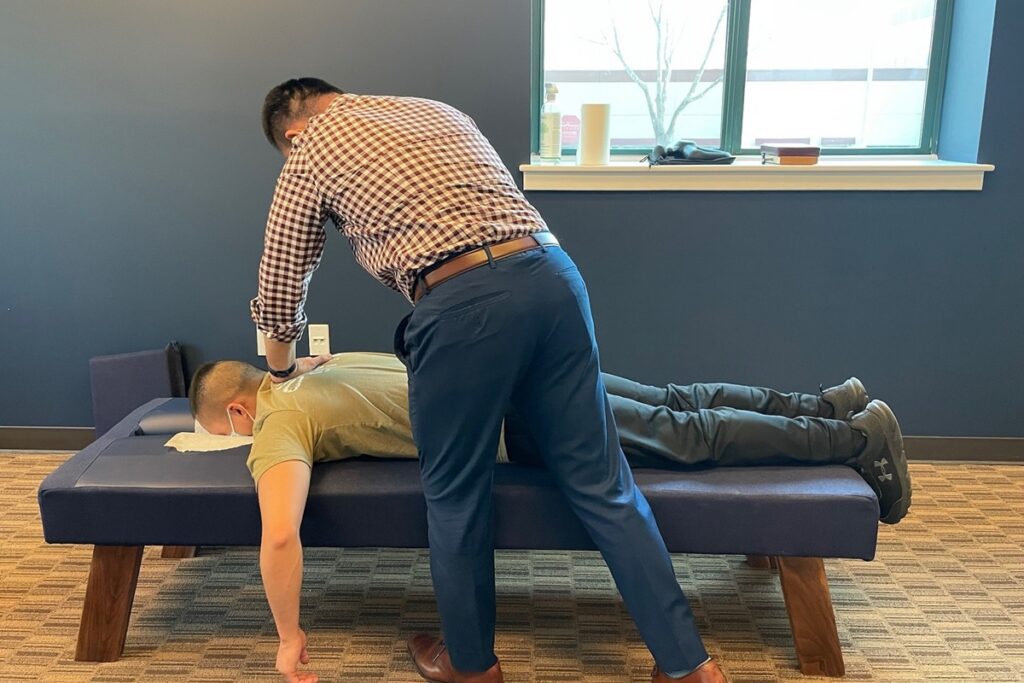
If you’re experiencing neck stiffness or discomfort, enhancing your neck mobility is crucial for your overall wellness. Chiropractic care is a natural and effective way to address these issues, promoting healing and improving function without the need for medications or surgeries. By making simple adjustments to your daily routine, you can alleviate tension and regain comfort in your neck.
Incorporating gentle stretches into your day is one of the best ways to improve neck flexibility. Simple movements, such as tilting your head from side to side or gently rotating it, can help relieve stiffness. Additionally, optimizing your workspace is essential. Ensure that your computer screen is at eye level and that your chair provides adequate support to maintain proper posture.
Here are some key steps you can implement to enhance your neck mobility and promote overall well-being:
- Gentle Neck Stretches: Spend a few minutes each day performing neck stretches. These can include side bends and gentle rotations to loosen tight muscles and improve flexibility.
- Posture Check: Be mindful of your posture throughout the day. Keeping your head aligned with your spine can prevent unnecessary strain on your neck.
- Frequent Breaks: If you work at a desk, take regular breaks to stand up, stretch, and move around. This helps to reduce tension and keeps your neck muscles active.
- Ergonomic Workspace Setup: Adjust your chair, desk, and computer screen to promote better posture. An ergonomic setup can significantly reduce strain on your neck.
- Hydration: Keeping hydrated helps maintain the elasticity of your spinal discs and muscles, which can support better neck mobility.
- Chiropractic Adjustments: Regular visits to a chiropractor can provide targeted adjustments that enhance spinal alignment, relieve tension, and improve neck mobility. Chiropractic care is an excellent option for natural pain relief.
- Mindfulness and Relaxation: Incorporate relaxation techniques such as deep breathing or meditation. Reducing stress can lessen muscle tension in your neck and support a healthier spine.
By following these strategies and considering chiropractic care as part of your wellness routine, you can enhance your neck mobility and overall health. Remember, taking proactive steps today can lead to lasting comfort and well-being tomorrow.
Assess Your Current Neck Mobility
Assess Your Current Neck Mobility
How well can you move your neck? Take a moment to really pay attention to how it feels. Can you easily turn your head from side to side? What about tilting it up and down? These simple movements are crucial for evaluating your neck mobility and can have a significant impact on your overall well-being.
If you notice any tightness or discomfort, it may be a sign that your neck could benefit from some chiropractic care.
Try to identify any limitations in your range of motion. Do you have difficulty looking over your shoulder or holding your head in a specific position? Recognizing these challenges is important, as they can lead to discomfort and affect your daily activities.
Common factors like poor posture, stress, or even past injuries can contribute to reduced neck mobility.
Here are some general tips to help improve your neck mobility and promote a healthier spine:
- Posture Check: Make a conscious effort to maintain good posture throughout the day. This can help relieve tension in your neck and improve mobility.
- Gentle Stretches: Incorporate gentle neck stretches into your daily routine. Simple movements like tilting your head from side to side and looking up and down can enhance flexibility and reduce stiffness.
- Stay Hydrated: Drinking plenty of water helps keep your spinal discs hydrated and healthy, which can support better neck movement.
- Regular Chiropractic Care: Visiting a chiropractor can provide targeted adjustments that promote optimal spinal alignment and enhance neck mobility. Chiropractic care focuses on natural healing, making it a great choice for those seeking pain relief and improved well-being without the need for medications or invasive procedures.
If you find that your neck mobility is limited or if you’re experiencing discomfort, consider reaching out to a local chiropractor.
They can help you address any issues and develop a personalized plan to restore your neck’s mobility and overall health.
Incorporate Gentle Stretching Exercises
Gentle stretching exercises are vital for enhancing your neck mobility and preventing stiffness. As a chiropractor, I encourage you to incorporate specific techniques into your daily routine to promote optimal spinal health and overall wellness.
It’s important to pay attention to how often and how long you stretch, as consistency is key to experiencing the benefits.
Let’s explore some effective stretching methods that you can easily integrate into your life, along with helpful guidelines for achieving the best results.
- Neck Tilts: Sit or stand comfortably and gently tilt your head towards one shoulder, feeling a stretch on the opposite side. Hold for 15-30 seconds, then switch sides. This simple motion helps relieve tension and enhance flexibility.
- Chin Tucks: While sitting, draw your chin back towards your neck as if you’re trying to create a double chin. Hold for 5 seconds and repeat 10 times. This exercise strengthens the muscles that support your neck and can help improve your posture.
- Shoulder Rolls: Raise your shoulders towards your ears, then roll them back and down. Repeat this movement 10 times in each direction. This not only helps with neck mobility but also alleviates tension in the upper back.
- Gentle Neck Rotations: Slowly turn your head to the right until you feel a gentle stretch, hold for 15-30 seconds, then switch to the left. This exercise helps maintain the range of motion in your cervical spine.
Incorporating these gentle stretches into your routine can significantly enhance your neck’s mobility and prevent stiffness.
Make sure to listen to your body and avoid pushing yourself too hard. Stretching should never cause pain; if you experience discomfort, ease up on the intensity.
Remember, chiropractic care is an excellent way to support your journey to optimal health. Regular visits to your chiropractor can help ensure your spine remains aligned and functioning properly, allowing you to experience the full benefits of your stretching routine.
Prioritize your health and well-being by embracing these practices, and consider chiropractic care as a natural path to wellness.
Importance of Stretching
As a local chiropractor, I want to emphasize the vital role stretching plays in maintaining neck mobility and overall comfort. You may not think about it often, but incorporating gentle stretches into your daily routine can significantly improve your wellness. Stretching helps alleviate tension and reduce stiffness, which in turn allows for a greater range of motion in your neck.
When you stretch, you promote blood flow to your muscles, nourishing them and aiding in recovery. This proactive approach can prevent injuries and discomfort that often arise from tightness. Regular neck stretching can also enhance your posture, helping you feel more aligned and balanced throughout your day.
In addition to the physical benefits, taking time to stretch can serve as a mental break, allowing you to clear your mind and enhance relaxation.
Here are some simple tips to get you started:
- Neck Rolls: Gently roll your head in a circular motion to release tension.
- Side Stretches: Tilt your head towards each shoulder, holding for a few seconds to stretch the sides of your neck.
- Chin Tucks: Pull your chin towards your chest to strengthen the neck muscles and improve posture.
- Shoulder Shrugs: Raise your shoulders towards your ears and then release, helping to relieve upper body tension.
By incorporating these gentle stretches into your daily habits, you can promote better neck health and mobility.
Recommended Stretching Techniques
To enhance your neck mobility and overall well-being, incorporating specific stretching techniques into your daily routine can be highly beneficial. As a chiropractor, I encourage you to start with gentle neck tilts. Slowly tilt your head to one side, holding for about 15 seconds, then switch to the other side. This simple movement can help alleviate tension and improve flexibility in your neck.
Next, try neck rotations. Gently turn your head to one side, hold for another 15 seconds, and then repeat on the opposite side. This exercise not only promotes mobility but also helps in reducing any stiffness you might feel.
Don’t overlook the importance of forward and backward stretches. Bring your chin to your chest and hold for a moment, then carefully tilt your head back. These stretches can assist in maintaining a healthy alignment of your spine, which is crucial for overall spinal health.
Additionally, shoulder shrugs can be incredibly effective in relieving tension. Simply lift your shoulders towards your ears, hold for a second, and then relax. This can help ease the stress that accumulates in your upper body.
Aim to perform these stretches daily, and always listen to your body—if you feel any sharp pain, stop immediately. Regular practice is key to improving your neck’s flexibility and mobility.
Frequency and Duration
Incorporating gentle stretching exercises into your routine can significantly boost your neck mobility and overall comfort, making it an essential part of your wellness journey. As your local chiropractor, I recommend aiming to stretch your neck at least three to four times a week. Each session should last about 10 to 15 minutes, giving your muscles the time they need to relax and lengthen.
Start slowly with gentle movements, and as your flexibility improves, you can gradually increase the intensity. It’s crucial to listen to your body—if you experience any pain or discomfort, take a step back.
Consistency is key, so try to set aside specific times each day for your stretching—whether it’s in the morning to start your day right or at night to unwind before bed.
By committing to this frequency and duration, you’ll likely notice significant improvements in your neck mobility and overall well-being.
Remember, chiropractic care is an excellent way to support your body’s natural healing process, helping you achieve optimal health without the need for medications or surgeries.
Embrace these healthy habits, and you’ll be well on your way to a more comfortable and pain-free life!
Utilize Foam Rollers for Release
Foam rollers can be a fantastic tool for releasing tension in your neck, especially after a long day at your desk. They help target tight muscles and fascia, promoting relaxation and improved mobility, which is essential for overall neck health.
While chiropractic care is the best way to address underlying issues and maintain spinal health, incorporating foam rolling into your routine can enhance your wellness journey.
To get started, lie on your back with the foam roller positioned under your upper back. Slowly roll down toward your neck, pausing on any tight spots you encounter. This gentle pressure can help alleviate tension and improve blood flow to the area.
Next, place the roller horizontally under your neck and gently roll side to side. This technique can help release knots and reduce discomfort. If you prefer more control, you can use the roller against a wall. Simply lean into it, allowing the roller to massage the muscles around your neck and upper shoulders.
Remember to breathe deeply and let go of any tension as you roll.
For optimal benefits, aim for 5-10 minutes of foam rolling a few times a week. This practice can complement your chiropractic care, helping you keep your neck feeling loose and mobile.
By integrating foam rolling into your routine, you’re taking an active role in your health and well-being.
Always remember, while foam rolling is a great self-care tool, regular visits to your chiropractor are key for addressing spinal alignment and ensuring your body functions at its best.
Together, these practices can significantly enhance your overall neck health and promote natural healing.
Practice Good Posture Throughout the Day
As a chiropractor, I want to emphasize the importance of practicing good posture throughout your day—not just for comfort, but for maintaining neck mobility and the health of your spine.
Good posture is essential for supporting your overall well-being. When you sit, stand, or move, aim to have your head aligned over your shoulders, with your shoulders pulled back. This simple alignment can significantly reduce strain on your neck and promote better circulation, which is crucial for your body’s natural healing processes.
While working at your desk, make sure your feet are flat on the floor, and avoid the temptation to slouch. If you find yourself using a phone or tablet, try to hold it at eye level instead of bending your neck downward. This will help prevent unnecessary tension in your neck and spine.
It’s also vital to take regular breaks throughout your day. Stand up, stretch, and take a moment to check your posture. It’s easy to forget about your alignment, especially when life gets busy, but being mindful of how you carry yourself can lead to significant improvements in your overall health.
Incorporating these small adjustments into your daily routine can enhance your neck mobility and support your overall well-being.
Implement Ergonomic Adjustments at Work
To enhance your neck mobility at work and support your overall spinal health, it’s essential to implement ergonomic adjustments to your workspace. As a chiropractor, I can’t stress enough how these small changes can significantly alleviate discomfort and promote better posture, ultimately leading to a healthier you.
Begin by ensuring your desk is at the correct height. Your elbows should be at a 90-degree angle when typing, allowing your shoulders to relax. Position your monitor at eye level to avoid straining your neck; a good rule of thumb is to keep the top of the screen at or just below eye level. This way, you can maintain a neutral neck position, reducing the risk of pain.
Your keyboard and mouse should be close enough that you can use them comfortably without reaching, which helps to minimize strain on your wrists and shoulders. Consider using a supportive chair that encourages good posture, with lumbar support to keep your spine aligned.
In addition to these adjustments, remember to take regular breaks to stretch and move around. Simple neck rolls and shoulder shrugs can relieve tension and keep your muscles engaged.
By making these ergonomic changes and integrating regular movement into your day, you can help prevent pain and discomfort while promoting your overall well-being.
Desk Height Optimization
When you spend long hours at your desk, optimizing its height can significantly affect your neck mobility and overall comfort. As a chiropractor, I want to emphasize that your desk setup plays a crucial role in maintaining your spinal health and preventing discomfort.
Ideally, your desk should be at a height that allows your elbows to remain at a 90-degree angle while keeping your wrists straight. This ergonomic position helps reduce strain on your neck and shoulders, promoting better posture and spinal alignment. If your desk is too high, you may find yourself hunching over, leading to discomfort and stiffness in your back and neck. On the other hand, if it’s too low, you might’ve to lift your arms excessively, which can create tension in your shoulders and upper back.
To achieve the perfect desk height, consider using an adjustable desk or an ergonomic chair that supports your natural spine curvature. Here are a few simple tips to help you optimize your workspace:
- Check Your Chair Height: Make sure your chair is adjusted so your feet rest flat on the floor, and your knees are at a 90-degree angle. This helps maintain proper spinal alignment.
- Monitor Position: Your computer screen should be at eye level, so you don’t have to tilt your head up or down. This keeps your neck in a neutral position.
- Take Breaks: Remember to stand up and stretch every 30 minutes. This promotes circulation and helps alleviate any built-up tension in your muscles.
- Practice Good Posture: Sit all the way back in your chair with your back supported, and keep your shoulders relaxed. Good posture can prevent many problems before they start.
- Use Supportive Devices: Consider using a lumbar roll or cushion to support your lower back, which can help maintain its natural curve.
By making these small adjustments to your workspace, you can significantly enhance your comfort and productivity throughout the day.
And remember, if you’re experiencing ongoing pain or discomfort, chiropractic care can be a highly effective way to address these issues naturally. It focuses on promoting your body’s innate ability to heal itself and can provide lasting relief from pain related to poor desk ergonomics.
Your spinal health is essential for overall wellness, so take these steps to create a healthier work environment!
Monitor Positioning Tips
Proper monitor positioning is crucial for maintaining neck mobility and reducing strain during long work hours, which can contribute to discomfort and misalignment of the spine.
As a chiropractor, I want to share some helpful tips to ensure you set up your monitor effectively for optimal health.
First, keep the top of the screen at or just below eye level. This positioning allows you to maintain a neutral spine without tilting your head up or down, which can put unnecessary strain on your neck and lead to discomfort.
Next, position your monitor about an arm’s length away. This distance helps you read text clearly without squinting, promoting better posture and reducing the risk of eye strain.
If you use multiple monitors, place your primary one directly in front of you. The secondary monitor should be slightly to the side. This arrangement minimizes neck rotation and helps maintain a more natural alignment of your spine.
Lastly, ensure that your screen is tilted slightly back, around 10 to 20 degrees. This adjustment not only reduces glare but also encourages a more natural head position, which can help alleviate tension in your neck and shoulders.
Remember, proper ergonomics at your workstation can greatly contribute to your overall wellness.
Incorporating these simple tips can help you work comfortably, reduce strain, and keep your spine healthy.
If you’re experiencing pain or discomfort, consider chiropractic care as an effective way to achieve natural relief and improve your overall health.
Keyboard Setup Adjustments
After ensuring your monitor is set up for ideal viewing, let’s turn our attention to your keyboard setup. To promote optimal spinal health, position your keyboard at elbow height, which allows your forearms to remain parallel to the ground. This alignment helps reduce strain on your neck and shoulders, which can often lead to discomfort and tension.
If you’re using a laptop, I highly recommend investing in an external keyboard. This small adjustment can make a significant difference in achieving a more ergonomic workspace and maintaining proper posture. Keep your keyboard close enough that you’re not reaching too far, as this can strain your neck and shoulders over time.
Remember, your wrists should remain straight—avoiding any bending upwards or downwards is crucial for preventing repetitive strain injuries.
Regular breaks are also essential; take a moment to stretch and adjust your position throughout the day. Simple neck rolls or shoulder shrugs can help alleviate tension and promote better spinal health.
A well-placed keyboard isn’t just about comfort; it significantly impacts your posture and overall wellness. By making these adjustments, you’re taking proactive steps towards a healthier, pain-free life. Your spine and neck will appreciate the care!
If you’re experiencing ongoing discomfort, consider visiting a chiropractor for a personalized assessment and natural healing solutions.
Explore Manual Therapy Options
If you’re looking to improve neck mobility, chiropractic care can be a transformative option. By focusing on spinal alignment and overall body function, chiropractic adjustments can alleviate tension in the neck and enhance your range of motion. When you visit a qualified chiropractor, they’ll assess your individual needs and create a personalized treatment plan just for you.
Chiropractic care is designed to target the root causes of discomfort, which often lie in misalignments of the spine. These misalignments can affect not only neck mobility but also contribute to headaches, shoulder pain, and overall stiffness. Through gentle adjustments, we can help restore proper alignment, promoting better movement and reducing tension.
In addition to chiropractic adjustments, incorporating simple stretches and exercises into your daily routine can also support neck mobility. Gentle neck rotations, shoulder rolls, and chin tucks can be effective at easing stiffness. Always listen to your body, and if something feels uncomfortable, it’s best to stop and consult with your chiropractor.
It’s important to openly communicate your concerns and goals during your visits. Your chiropractor will guide you through each adjustment and technique, ensuring that the treatment is tailored to your specific needs.
By prioritizing chiropractic care as part of your wellness journey, you can experience enhanced neck mobility and overall well-being.
Commit to Regular Neck Mobility Practices
Incorporating regular neck mobility practices into your routine can significantly enhance the benefits you receive from chiropractic care. Committing to these exercises doesn’t require a large time investment; just a few minutes each day can help improve your neck’s range of motion and reduce tension.
Start by setting aside time daily or a few times a week to focus on your neck health. Simple stretches, gentle rotations, and slight movements can make a world of difference. There are many online videos and apps that can guide you through effective neck mobility routines tailored for your needs.
It’s important to listen to your body during these exercises. If you experience any discomfort or pain, ease off and consult with your chiropractor for personalized advice.
Remember, chiropractic care is a natural way to support your overall wellness and alleviate pain, so maintaining a consistent neck mobility routine can complement your chiropractic treatments beautifully.
Conclusion
By following these seven steps, you can significantly enhance your neck mobility and overall comfort while also embracing a natural approach to health. Regular assessments from your chiropractor, combined with gentle stretching and ergonomic adjustments, can effectively alleviate tension in your neck. Incorporating tools like foam rollers and seeking manual therapy can further help in releasing tightness and improving your mobility.
Investing time in these practices not only benefits your neck health but also promotes your overall well-being. Remember, consistency is key! By making these habits part of your daily routine, you’ll likely notice a positive change in how you feel.
Consider scheduling regular chiropractic visits for personalized assessments and adjustments tailored to your needs. This proactive approach can help you maintain optimal neck health and prevent future discomfort. Embrace these tips and watch as your mobility and quality of life improve naturally.