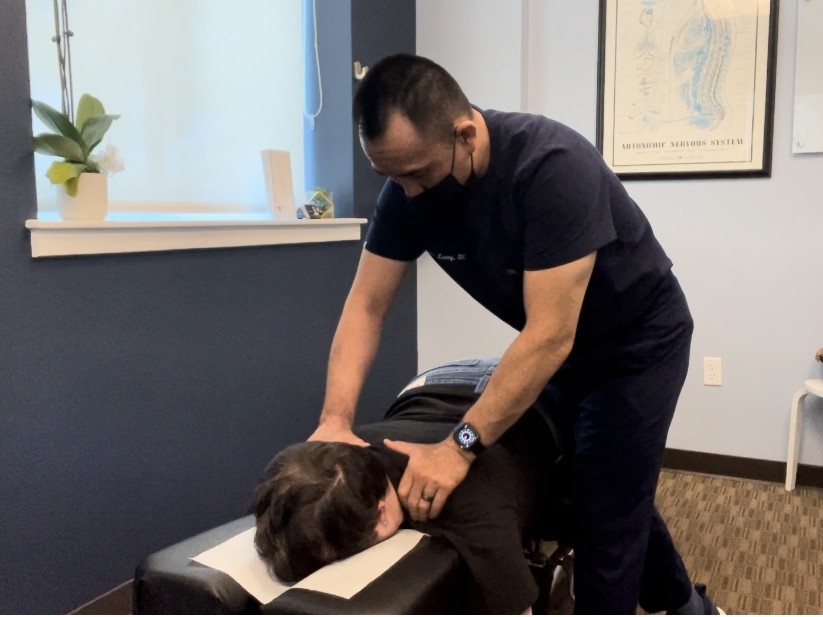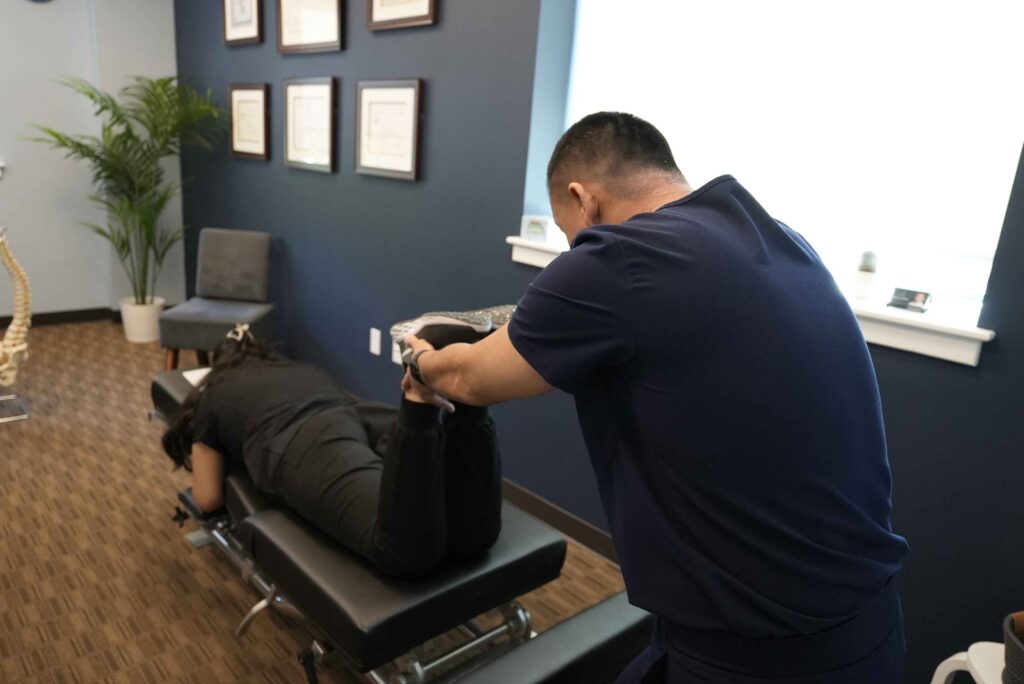
Migraines can be incredibly challenging, but there are several surprising techniques that may help prevent them, many of which align beautifully with a holistic approach to health and wellness. As a chiropractor, I believe that natural healing and spinal health play a crucial role in overall well-being. Here are some strategies you might not have considered that can complement chiropractic care in your quest for migraine relief.
- Stay Hydrated: Proper hydration is key! Dehydration can be a significant trigger for migraines. Aim to drink plenty of water throughout the day and consider incorporating hydrating foods into your diet, such as fruits and vegetables.
- Mindfulness Meditation: Stress is a common migraine trigger, and practicing mindfulness meditation can help reduce stress levels. Just a few minutes a day can improve your mental clarity and relaxation, which may reduce the frequency and intensity of migraines.
- Regular Chiropractic Adjustments: Keeping your spine aligned can significantly impact your overall health. Misalignments in the spine can lead to tension and pain, which may contribute to migraines. Regular visits to your chiropractor can help ensure your body is functioning at its best.
- Maintain a Sleep Routine: Irregular sleep patterns can trigger migraines. Try to establish a consistent sleep schedule, aiming for 7-9 hours of quality sleep each night.
- Healthy Diet Choices: Pay attention to what you eat. Certain food items can trigger migraines in some people. Keeping a food diary can help you identify any dietary triggers. Focus on a balanced diet rich in whole foods for optimal health.
- Physical Activity: Regular exercise can help reduce the frequency of migraines. It promotes better blood flow and reduces stress. Find activities you enjoy, whether it’s walking, yoga, or swimming, and make them a part of your routine.
- Breathing Techniques: Deep breathing exercises can help calm your mind and reduce tension in your body. Incorporating these techniques into your daily routine can enhance relaxation and may help mitigate migraine episodes.
By integrating these techniques into your lifestyle, you can take proactive steps towards managing and preventing migraines. Remember, chiropractic care is a vital part of this journey, helping to promote natural healing and optimal health. If you’re struggling with migraines, consider scheduling an appointment with a chiropractor to discuss how spinal health can play a pivotal role in your wellness journey.
Key Takeaways
- Ensure you stay well-hydrated by drinking at least eight 8-ounce glasses of water each day. Proper hydration is essential not only for overall health but also for preventing headaches, as dehydration can contribute to migraine triggers.
- Establishing a consistent sleep schedule and creating a calming bedtime routine can significantly enhance your sleep quality. Good rest is vital for reducing stress, which is a common trigger for migraines. Chiropractic care can also support better sleep by addressing spinal alignment issues that may disrupt your rest.
- Incorporate mindfulness meditation into your daily routine to build emotional resilience and lower stress levels. This practice can help keep migraine triggers at bay. Additionally, regular chiropractic adjustments can help ease tension in your body, promoting a more relaxed state of mind.
- Consider utilizing acupressure techniques on specific points to relieve tension and prevent headaches. These natural methods can complement your chiropractic care, enhancing your overall wellness and pain relief.
- Engage in enjoyable physical activities such as yoga or swimming. Not only do these activities promote spinal health, but they also help reduce the frequency of migraines by keeping your body active and releasing built-up tension. Chiropractic adjustments can further enhance your physical performance and overall well-being.
By integrating these strategies into your lifestyle, along with regular chiropractic care, you can take significant steps toward preventing migraines and achieving optimal health.
Embrace Hydration: The Power of Water
Staying properly hydrated is crucial not only for your overall health but also for managing migraine frequency and intensity. As a chiropractor, I want to emphasize how important water is for maintaining optimal brain function. Even mild dehydration can lead to headaches, as your brain may temporarily shrink, causing discomfort.
To help prevent migraines, it’s a good practice to aim for at least eight 8-ounce glasses of water each day. However, you may need to adjust this amount based on your activity levels and climate. Keeping a water bottle with you can serve as a great reminder to sip throughout the day.
If you’re exercising or spending time in hot weather, be sure to increase your water intake to stay hydrated. Listen to your body’s signals. If you experience thirst or a dry mouth, these are clear signs that you need to drink more water. You can also support your hydration by including hydrating foods in your diet, such as fresh fruits and vegetables.
Remember, chiropractic care plays a vital role in achieving optimal health. By addressing spinal alignment and nervous system function, chiropractic adjustments can enhance your body’s ability to manage pain, including headaches and migraines.
Along with staying hydrated, regular chiropractic visits can help promote a healthier lifestyle and improve your well-being. Embrace hydration and chiropractic care for a balanced approach to health!
Explore Essential Oils for Relief
If you’re looking for natural ways to alleviate migraine symptoms, incorporating essential oils into your wellness routine may provide some relief.
While essential oils can be helpful, it’s important to remember that chiropractic care is a holistic approach that targets the root cause of pain and can significantly improve overall health and wellness.
Here are four essential oils you might consider alongside regular chiropractic adjustments:
- Peppermint Oil: This oil is well-known for its cooling sensation, which can help soothe tension headaches. Applying diluted peppermint oil to your temples while receiving chiropractic care may enhance your relaxation and promote relief.
- Lavender Oil: Renowned for its calming properties, lavender oil can help reduce stress and anxiety, both of which can contribute to migraines. Better sleep quality is essential for preventing migraines, and incorporating lavender into your bedtime routine can be beneficial.
- Eucalyptus Oil: With its anti-inflammatory properties, eucalyptus oil may help ease sinus-related headaches. You can inhale its aroma or diffuse it in your home for a calming effect. Combining this with chiropractic adjustments can improve your respiratory health and reduce headache frequency.
- Chamomile Oil: Known for its soothing effects, chamomile oil can help mitigate anxiety and promote better sleep. When used in conjunction with chiropractic care, it may enhance your overall wellbeing and contribute to fewer migraine episodes.
Remember, while essential oils can provide additional comfort, regular chiropractic care is crucial for maintaining spinal health and preventing migraines at their source.
Additionally, don’t forget to dilute essential oils before applying them to your skin to avoid irritation. Always consult with your chiropractor about integrating these natural remedies into your wellness routine for the best results.
Incorporate Mindfulness Meditation
Incorporating mindfulness meditation into your daily routine can significantly enhance your efforts to prevent migraines, working hand in hand with the benefits of chiropractic care. By focusing on your breath and grounding yourself in the present moment, you can effectively reduce stress, a common trigger for migraines.
Begin with just a few minutes each day, gradually increasing the duration as you grow more comfortable with the practice. Find a quiet space, sit in a relaxed position, and gently close your eyes. As thoughts pop up, acknowledge them without judgment, then softly return your attention to your breath.
This simple practice not only calms your mind but also strengthens your emotional resilience. With consistent practice, you may notice a reduction in tension and anxiety levels, which can lead to fewer migraine episodes.
Remember, consistency is key. By making mindfulness meditation a regular part of your routine, you can create a powerful tool in your migraine prevention strategy.
As a chiropractor, I encourage you to combine these mindfulness techniques with regular chiropractic adjustments. This holistic approach can help align your spine and improve your overall well-being, making it a top choice for natural pain relief and wellness.
Together, mindfulness meditation and chiropractic care can support a healthier, more balanced life.
Adjust Your Diet: Foods to Avoid
Adjust Your Diet: Foods to Avoid for Headache Relief
As a local chiropractor committed to your overall health and wellness, I want to share some valuable insights on how dietary choices can impact your well-being, particularly when it comes to headaches.
Making simple adjustments to your diet can play a significant role in alleviating discomfort and promoting natural healing. By identifying and avoiding certain foods, you can help reduce the frequency and intensity of migraines, allowing you to live a more vibrant life.
Here’s a quick guide to common foods that may contribute to headaches:
- Aged Cheeses – These cheeses, such as blue cheese and cheddar, often contain tyramine, which can trigger migraines. Opt for fresher cheese varieties instead.
- Processed Meats – Many deli meats and processed meats like hot dogs and bacon contain nitrates. These can be potential headache triggers, so consider lean, fresh meats as a healthier alternative.
- Alcohol – Be cautious with beverages like red wine and beer, which are known to provoke headaches for many people. Staying hydrated with water is always a great choice!
- Caffeinated Beverages – While some individuals find relief from headaches with caffeine, excessive consumption can lead to withdrawal headaches. Moderation is key, so aim to balance your intake.
By being mindful of what you eat, you can support your body’s natural ability to heal and function optimally.
Remember, chiropractic care is also a fantastic way to address headaches and improve your overall health. Regular adjustments can help align your spine, reduce tension, and promote better circulation, contributing to a healthier, pain-free life.
Make these dietary changes and consider visiting your chiropractor for a holistic approach to wellness!
Establish a Consistent Sleep Schedule
Establishing a consistent sleep schedule is vital for managing migraines, as irregular sleep patterns can trigger headaches or make existing ones worse. By aiming for the same bedtime and wake-up time every day, you can help regulate your body’s internal clock. A stable routine not only improves sleep quality but also reduces the chances of migraine attacks, allowing your body to heal naturally.
Here’s a simple guide to help you create a better sleep schedule that supports your overall health and wellness:
| Tip | Description |
|---|---|
| Set a Fixed Bedtime | Choose a specific time to go to bed each night. This helps signal your body when it’s time to rest. |
| Limit Naps | If you feel the need to nap, keep it short (20-30 minutes) to avoid disrupting your nighttime sleep. |
| Create a Wind-Down Routine | Engage in calming activities before bed, like reading or gentle stretching, to prepare your mind and body for sleep. |
| Avoid Screens Before Sleep | Reduce exposure to screens and blue light at least 30 minutes before bedtime to help your body produce melatonin naturally. |
| Keep Your Room Dark | Use blackout curtains to create a dark sleeping environment, which can enhance the quality of your sleep. |
Engage in Regular Physical Activity
Engaging in regular physical activity is essential for preventing migraines, and it can also enhance your overall spinal health, which is a key component of chiropractic care.
Choose activities that you genuinely enjoy; this won’t only make it easier to stick to a consistent exercise routine but also help reduce stress—one of the common triggers for migraines.
Incorporating activities such as walking, swimming, or yoga can greatly benefit your spine and overall well-being.
These exercises promote better posture, strengthen the muscles that support your back, and increase flexibility, all of which can contribute to a healthier spine and reduced migraine frequency.
As a chiropractor, I encourage you to listen to your body and find what works best for you.
Regular adjustments can also support your physical activities by ensuring that your spine is aligned and functioning optimally, allowing you to move freely and without discomfort.
Remember, staying active is a natural way to enhance your health and well-being.
By making exercise a routine part of your life, you can help prevent migraines and improve your quality of life.
Always consult with your chiropractor for personalized advice on how to incorporate physical activity into your wellness plan effectively.
Choose Enjoyable Activities
Incorporating enjoyable activities into your daily routine is essential for maintaining regular physical activity and promoting overall wellness. Engaging in activities you love not only makes exercise feel less like a chore but also supports a healthy spine and body. Here are some ideas to help you stay active while prioritizing your health:
- Dance: Whether you’re taking a class or grooving in your living room, dancing is a fantastic way to get your heart pumping while also improving your posture and flexibility. Plus, it’s a great way to release stress!
- Hiking: Exploring nature through hiking isn’t only refreshing for the mind, but it also strengthens your core and back muscles. The varied terrain can help improve your balance and stability, which are crucial for spinal health.
- Swimming: This low-impact exercise is perfect for those looking to protect their joints while still getting a full-body workout. Swimming enhances your cardiovascular fitness and helps strengthen the muscles that support your spine.
- Team Sports: Joining a local league or playing casual games with friends can keep you active while fostering social connections. Team sports often involve dynamic movements that can help improve your coordination and overall physical fitness.
Remember, keeping your spine healthy is essential for enjoying these activities. Regular chiropractic care can help ensure that your spine is aligned, reducing the risk of injury and enhancing your overall performance.
Make sure to listen to your body and consult with your chiropractor about any specific concerns or goals you have. Engaging in activities you love while maintaining your spinal health is the key to a vibrant, active lifestyle!
Consistent Exercise Routine
Finding activities you enjoy is essential for a positive fitness journey, but maintaining a consistent exercise routine is just as crucial for your overall health, especially in managing conditions like migraines. Regular physical activity can help reduce both the frequency and intensity of these headaches. Aim for at least 30 minutes of moderate exercise on most days of the week. Whether it’s a brisk walk, a leisurely bike ride, or even some fun dancing in your living room, consistency is key.
To make exercise a regular part of your life, try to create a schedule that fits your daily routine. This could mean early morning sessions to energize your day or relaxing evening workouts to unwind. It’s important to listen to your body; rest when you need it and gradually build up your exercise intensity.
A balanced combination of cardiovascular activities and strength training can enhance your physical health and support your spine, which is crucial for overall wellness. Incorporating chiropractic care into your routine can further enhance your health benefits. Regular adjustments can help ensure your spine is aligned, which supports your nervous system and may reduce pain and discomfort, including migraines.
Remember, by sticking to a consistent exercise routine and integrating chiropractic care, you’re not only promoting your physical health but also enhancing your overall well-being, helping to keep those pesky migraines at bay.
Takeaway tips:
- Choose exercises you enjoy to keep you motivated.
- Set a regular workout schedule that fits your lifestyle.
- Listen to your body and rest when necessary.
- Consider incorporating chiropractic care for optimal spinal health and overall wellness.
Utilize Acupressure Techniques
Acupressure can be a valuable technique in managing and preventing migraines, and as a chiropractor, I believe that understanding how to apply these methods can enhance your overall wellness.
By learning simple self-application techniques, you can easily incorporate acupressure into your daily routine, promoting natural healing and pain relief.
The key is to focus on specific acupressure points that have been shown to alleviate tension and discomfort. These techniques can complement the benefits of chiropractic care, which aims to align your spine and improve your overall health.
Additionally, combining acupressure with regular chiropractic adjustments can create a holistic approach to wellness, addressing not just migraine symptoms but also the underlying issues that may contribute to them.
Remember, taking care of your spine and nervous system is crucial for optimal health, and chiropractic care is the best choice for achieving that balance.
For those looking to incorporate acupressure into their lives, here are some general tips:
- Identify key acupressure points that help relieve tension, such as the space between your thumb and index finger or the area at the base of your skull.
- Apply gentle pressure with your fingers for a few minutes while breathing deeply to enhance relaxation.
- Stay consistent with your acupressure practice, and consider pairing it with regular chiropractic visits for maximum benefit.
By prioritizing natural methods like acupressure and chiropractic care, you can take control of your health and work towards a migraine-free life.
Key Acupressure Points
While many people may turn to medication for relief from migraines, incorporating acupressure techniques can be a valuable addition to your wellness routine. By applying gentle pressure to specific points on your body, you can help alleviate pain and tension naturally.
Here are four key acupressure points that you can explore to support your health and well-being:
- LI4 (Hegu): This point is located between your thumb and index finger. It’s well-known for its ability to relieve headaches and can be easily accessed anytime you need a little extra help.
- GB20 (Fengchi): Found at the base of your skull, this point can help reduce tension and ease migraine symptoms. Simply applying pressure here can promote relaxation and comfort.
- Yintang: Positioned between your eyebrows, this calming point helps quiet the mind and reduce stress. Taking a moment to focus on this area can bring a sense of peace during a migraine.
- PC6 (Neiguan): Located on your inner wrist, this point is particularly effective for nausea and headaches. Gently pressing here can provide relief and help you feel more balanced.
In addition to exploring these acupressure points, consider integrating regular chiropractic care into your wellness routine. Chiropractors focus on aligning the spine and promoting overall health, which can greatly enhance your body’s ability to heal naturally.
By addressing the root causes of pain and discomfort, chiropractic care empowers you to achieve optimal health without relying on medications or invasive procedures.
Techniques for Self-Application
To effectively utilize acupressure techniques on your own, it’s important to know how to apply pressure to those key points in a way that complements your overall wellness journey, including chiropractic care.
Start by locating acupressure points on your body, such as the space between your thumb and index finger or the base of your skull. Using your thumb or fingers, apply firm, steady pressure for about 5 to 10 seconds. You can also incorporate gentle circular motions to enhance the soothing effect.
Make sure you’re seated comfortably, allowing your body to relax as you take deep breaths. If you feel tenderness, adjust the pressure until it feels comfortable—listening to your body is essential. You can repeat this process several times throughout the day, especially at the onset of a headache or migraine.
Remember, consistency is key; incorporating these techniques into your daily routine can be a valuable addition to your health regimen.
While acupressure can be beneficial, it’s important to note that chiropractic care offers a holistic approach to pain relief and wellness. Regular chiropractic adjustments can help align your spine, improve your overall health, and reduce the frequency and intensity of migraines.
Integrating With Other Therapies
Integrating acupressure techniques with chiropractic care can significantly enhance your ability to manage migraines and promote overall wellness. By combining the gentle adjustments and natural healing principles of chiropractic with acupressure, you can improve relaxation and alleviate pain.
Here are some practical ways to incorporate acupressure with chiropractic care:
- Meditation with Chiropractic Focus: While meditating, apply acupressure to specific points that may be highlighted during your chiropractic sessions. This can deepen your relaxation and support the body’s healing process.
- Yoga and Chiropractic Alignment: During your yoga practice, use acupressure techniques to relieve any tension that may arise, especially in areas that your chiropractor has focused on. This integration can enhance your spinal alignment and overall flexibility.
- Aromatherapy as a Complement: Consider using essential oils on acupressure points while receiving chiropractic care. This can create a calming atmosphere that supports your body’s natural healing, making adjustments more effective.
- Collaborate with Your Chiropractor: Discuss your interest in acupressure with your chiropractor to develop a personalized plan that incorporates these techniques alongside your chiropractic treatments. They can provide tailored advice to enhance your pain relief and wellness journey.
By integrating acupressure with chiropractic care, you can take an active role in managing your health and achieving optimal wellness naturally.
Always remember to consult with your chiropractor about any new techniques you want to try to ensure they complement your treatment plan effectively.
Conclusion
As a local chiropractor dedicated to promoting health and wellness, I want to share seven surprising techniques that can help you prevent migraines naturally. By incorporating these strategies into your daily routine, you can take proactive steps toward reducing the frequency of migraines, all while supporting your overall well-being.
- Stay Hydrated: Dehydration can trigger migraines, so make sure you’re drinking enough water throughout the day. Aim for at least eight glasses daily, and consider keeping a water bottle handy to remind you to sip regularly.
- Explore Essential Oils: Certain essential oils, like lavender and peppermint, can provide relief when inhaled or applied topically. Try diffusing these oils in your home or adding a few drops to a carrier oil for a soothing massage on your temples.
- Practice Mindfulness: Stress is a common migraine trigger. Incorporating mindfulness techniques, such as deep breathing exercises or meditation, can help you manage stress levels and promote relaxation.
- Adjust Your Diet: Pay attention to the foods you eat. Certain items, like aged cheeses and processed meats, can be triggers. Focus on a balanced diet rich in whole foods, fruits, and vegetables, and consider keeping a food diary to identify potential triggers.
- Maintain a Consistent Sleep Schedule: Sleep plays a crucial role in your overall health. Strive for a regular sleep routine by going to bed and waking up at the same time each day. This consistency can help reduce the chances of migraine onset.
- Engage in Physical Activity: Regular exercise can help decrease the frequency and intensity of migraines. Find activities you enjoy, whether it’s walking, yoga, or swimming, and aim for at least 30 minutes of movement most days.
- Utilize Acupressure: This technique involves applying pressure to specific points on your body to relieve tension and pain. Learning some basic acupressure points can empower you to manage your migraines naturally.
Remember, it’s essential to find what works best for you. With some trial and error, you can develop a personalized approach to reducing migraine frequency. Additionally, consider chiropractic care as a natural, holistic option for pain relief and overall wellness. Chiropractic adjustments can help improve spinal alignment, reduce tension, and enhance your body’s ability to heal itself. By making these lifestyle changes and prioritizing chiropractic care, you can pave the way for a healthier, migraine-free life.