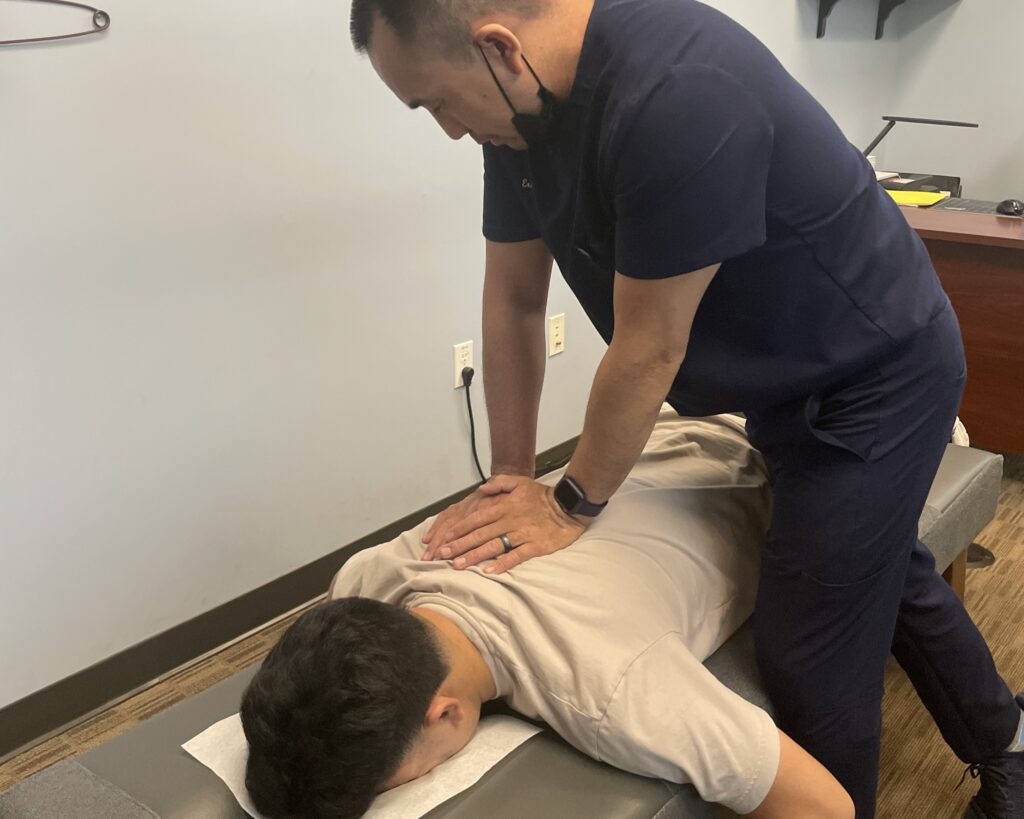
Tension headaches can be a frustrating experience, impacting your daily life more than you might realize. As a chiropractor, I understand how essential it is to identify and manage your personal triggers while incorporating effective techniques for relief. One of the first steps is to practice good posture. Poor posture can strain the muscles in your neck and shoulders, leading to increased tension and discomfort. Paying attention to your alignment, especially when sitting at a desk or using a smartphone, can significantly reduce the frequency of these headaches.
Another powerful technique is exploring relaxation methods. Techniques such as deep breathing, meditation, or gentle yoga can help calm your mind and reduce stress, which is a common trigger for tension headaches. Additionally, regular chiropractic adjustments can address spinal misalignments that may contribute to tension and discomfort, promoting better overall spinal health and function.
Incorporating these strategies into your daily routine can make a substantial difference in alleviating those nagging headaches. Remember, chiropractic care is a natural approach that focuses on your body’s ability to heal itself. By addressing the root causes of tension headaches through spinal adjustments and wellness practices, you can achieve optimal health and enjoy a more pain-free life. If you’re looking for a holistic solution to your headaches, consider scheduling a visit with your chiropractor to discuss personalized care options.
Key Takeaways
- Stay well-hydrated by drinking plenty of water. This simple step can help prevent muscle tightness and fatigue, which are common triggers for tension headaches. Proper hydration supports overall health and well-being, making it easier for your body to function optimally.
- Incorporate regular physical activity into your routine, aiming for at least 30 minutes most days. Exercise is a fantastic way to relieve stress and promote relaxation. Not only does it help your body stay fit, but it also helps maintain a healthy spine, which is crucial for preventing headaches.
- Explore relaxation techniques such as deep breathing or progressive muscle relaxation. These methods can help ease physical tension and may reduce the frequency of headaches. Taking a few moments each day to unwind can have a profound effect on your overall health.
- Consider using heat or cold therapy to soothe tight muscles and relieve headache pain. Warm compresses can help relax tense areas, while cold packs can reduce inflammation. Both methods can be easily incorporated into your self-care routine and are great natural alternatives to medication.
- Set up an ergonomic workspace to encourage good posture. Proper alignment of your spine can prevent misalignments that often lead to tension headaches. Simple adjustments like using a supportive chair and positioning your computer screen at eye level can make a big difference in your comfort and health.
Remember, chiropractic care is a natural and effective option for addressing tension headaches. A chiropractor can help identify any underlying issues and offer personalized treatment to promote optimal health and wellness. Prioritizing your spinal health is key to living a headache-free life!
Identify and Manage Triggers
While tension headaches can be quite distressing, understanding and managing your triggers can significantly help reduce their occurrence and severity. One effective approach is to keep a headache diary. Record when your headaches happen, what activities you were engaged in, and any possible triggers you notice, such as stress, lack of sleep, or dehydration. This practice can help you identify patterns that may be contributing to your discomfort.
Once you pinpoint your triggers, there are several natural strategies you can implement to manage them. If stress is a common trigger, consider incorporating relaxation techniques into your daily routine. Simple practices like deep breathing exercises, gentle stretching, or mindfulness can help alleviate stress levels.
If you’re experiencing poor sleep, establishing a calming bedtime routine may promote more restful nights. Additionally, staying well-hydrated is crucial; aim to drink plenty of water throughout the day to support overall wellness.
Chiropractic care can also be an invaluable resource in managing tension headaches. A chiropractor can assess your spinal alignment and overall health, helping to identify any underlying issues that may be contributing to your headaches.
Through spinal adjustments and other natural healing techniques, chiropractic care can promote better nervous system function and relieve tension in the body.
Remember, seeking support from a chiropractor is a proactive step toward managing your health. They can provide personalized strategies that address your specific triggers, empowering you to enjoy life without the constant burden of tension headaches.
Practice Good Posture
Practicing good posture is crucial for preventing tension headaches and enhancing your overall health. As a chiropractor, I recommend starting with an ergonomic workspace that supports your spine and encourages mindful sitting habits. Simple adjustments, like ensuring your computer screen is at eye level and using a chair that provides good lumbar support, can significantly improve how you feel throughout the day.
Incorporating regular breaks to stretch and move can also alleviate tension and promote better posture. Consider gentle exercises like neck stretches or shoulder rolls to keep your muscles relaxed.
By prioritizing your posture, you not only help prevent headaches but also support your spinal health, leading to improved overall well-being.
Remember, chiropractic care is a natural and effective way to address posture-related issues and enhance your quality of life. Regular adjustments can help keep your spine aligned and functioning optimally.
If you’re experiencing pain or discomfort, don’t hesitate to consult with a chiropractor to explore how natural healing can work for you.
Take these small steps toward better posture today, and feel the difference in your daily life!
Ergonomic Workspace Setup
Creating an ergonomic workspace is crucial for maintaining good posture and preventing issues like tension headaches, which can often stem from poor habits at your desk. As a chiropractor, I want to emphasize how a well-set workspace can promote spinal health and overall well-being.
Start by adjusting your chair so that your feet rest flat on the floor and your knees are at a 90-degree angle. This position helps distribute your weight evenly and supports your spine’s natural curves. Make sure your back is well-supported, ideally with lumbar support, to maintain proper alignment of your spine.
Your computer monitor should be positioned at eye level, about an arm’s length away. This setup helps avoid straining your neck, which can lead to discomfort and long-term issues.
Your keyboard and mouse should be placed close enough to you so that your elbows can stay relaxed at your sides, reducing unnecessary strain on your shoulders and wrists.
If your work involves papers, consider using a document holder to keep your documents at eye level. This will help you maintain a neutral neck position and decrease the likelihood of developing musculoskeletal pain.
Remember, it’s not just about setting up your space; regular breaks are essential. Take a moment to stretch and move around every hour. This practice helps alleviate tension and encourages circulation, both of which are important for keeping your spine healthy.
Incorporating these tips into your daily routine can greatly enhance your comfort and productivity.
And if you’re experiencing any pain or discomfort, chiropractic care is a natural and effective way to achieve relief and promote wellness. By focusing on spinal health, you can pave the way for a healthier, more vibrant life.
Mindful Sitting Habits
Good posture is crucial for minimizing tension headaches and enhancing your overall comfort, particularly during those long hours of sitting. As a chiropractor, I want to share some mindful sitting habits that can support your spinal health and promote natural wellness.
Start by ensuring your feet are flat on the ground and your knees are at a 90-degree angle. This position helps maintain proper alignment of your spine. Keep your back straight and shoulders relaxed, steering clear of slouching, which can lead to discomfort and strain.
Adjust your computer screen to eye level to help prevent neck strain—this simple adjustment can make a world of difference. If you catch yourself leaning forward, take a moment to adjust your chair or desk to find the right distance. It’s essential to support your body’s natural alignment.
Remember, taking breaks every hour to stretch and reset your posture is vital. Stand up, move around, and do some gentle stretches to keep your muscles relaxed. Staying aware of your body’s alignment can significantly reduce strain on your muscles, helping to alleviate headache triggers and promote better overall well-being.
By incorporating these mindful sitting habits into your routine, you’re not only supporting your posture but also embracing a healthier lifestyle. Consider visiting a chiropractor for personalized care that focuses on your spine’s health.
Chiropractic adjustments can relieve pain, improve function, and support your journey to optimal health naturally. Together, we can work towards a pain-free, healthier you!
Incorporate Regular Breaks
Incorporating regular breaks into your daily routine can significantly alleviate tension headaches and support overall wellness. As a chiropractor, I emphasize the importance of giving your mind and body the opportunity to recharge, especially during lengthy periods of work or screen time.
Aim to take short breaks every hour, even if it’s just for a few minutes. Stand up, stretch your body, or take a brief walk to get your blood flowing and relieve any built-up tension.
During these breaks, don’t forget to hydrate! Drinking water is crucial for preventing dehydration-related headaches and supports your body’s natural healing processes. To make these breaks a seamless part of your day, consider setting a timer as a gentle reminder.
By integrating these simple yet effective practices into your daily routine, you can enhance your overall wellbeing and help maintain a healthy spine.
Remember, chiropractic care can play a vital role in promoting natural healing and optimal health. Taking care of your spine through regular chiropractic adjustments can also help prevent tension headaches and improve your body’s resilience to stress.
Prioritize your health by making time for breaks and consider chiropractic care as a key component of your wellness journey.
Utilize Relaxation Techniques
When you’re experiencing the discomfort of a tension headache, incorporating relaxation techniques can be incredibly beneficial. As a chiropractor, I often recommend methods such as deep breathing exercises, guided imagery, and progressive muscle relaxation to help alleviate your pain.
These techniques not only help to quiet your mind but also release physical tension throughout your body, promoting a sense of overall well-being. For instance, deep breathing can reduce stress and improve oxygen flow, while guided imagery allows you to visualize a peaceful scene, helping to distract from the pain.
Progressive muscle relaxation involves tensing and then relaxing different muscle groups, which can help identify where you’re holding tension and release it effectively.
While these techniques can be helpful, remember that chiropractic care offers a holistic approach to finding relief from headaches and enhancing your overall health. By addressing spinal alignment and function, chiropractic adjustments can reduce nerve interference and promote better body mechanics, ultimately leading to fewer headaches and improved wellness.
Incorporating regular chiropractic visits into your health routine can help maintain spinal health and prevent future headaches. In the meantime, try these relaxation techniques to ease your discomfort and support your journey towards a healthier, pain-free life.
Deep Breathing Exercises
Deep breathing exercises can be a simple yet effective way to alleviate tension headaches and promote overall wellness. As a chiropractor, I believe that addressing stress and tension through natural methods can significantly improve your health. Focusing on your breath not only helps to reduce stress but also encourages relaxation, which can be beneficial for spinal health.
To start, find a comfortable position—preferably one that supports your spine. Close your eyes and take a moment to settle into the present. Then, begin your deep breathing by inhaling deeply through your nose. Hold that breath for a moment, and then exhale slowly through your mouth. Repeat this process for several minutes to help calm your mind and body.
Here’s a quick guide to help you with deep breathing:
| Step | Action | Duration |
|---|---|---|
| 1. Inhale deeply | Through your nose | 4 seconds |
| 2. Hold breath | Keep it in | 4 seconds |
| 3. Exhale slowly | Through your mouth | 6 seconds |
| 4. Repeat | Cycle through | 5 times |
| 5. Focus | On your breath | Entire time |
Incorporating this technique into your daily routine can provide lasting relief and enhance your overall well-being. Remember, while deep breathing is beneficial, regular chiropractic care is essential for maintaining optimal spinal health and addressing the root causes of pain. By combining these methods, you can achieve a more balanced and healthier lifestyle naturally.
Guided Imagery Practices
Guided imagery practices can be an excellent complement to chiropractic care, helping you achieve a peaceful mental space that alleviates tension headaches and reduces stress. This technique involves visualizing calming scenes, such as a serene beach or a tranquil forest, allowing your mind to escape the pressures of daily life while also supporting your overall wellness.
To get started, find a comfortable position, preferably one that supports your spine, and close your eyes. Take a few deep breaths, inhaling through your nose and exhaling through your mouth, which can also help relax your body.
Now, imagine the details of your chosen scene—feel the warmth of the sun on your skin, hear the gentle waves lapping at the shore, or smell the fresh pine of a forest. As you immerse yourself in this visualization, pay attention to how relaxed your body feels.
Regularly practicing guided imagery can enhance your ability to cope with stress and tension, which is essential for maintaining a healthy spine. Incorporating this technique into your wellness routine can support the natural healing processes of your body and improve your overall quality of life.
Remember, chiropractic care also plays a significant role in managing tension headaches. By aligning your spine and optimizing your nervous system function, chiropractic adjustments can help reduce pain and enhance your body’s ability to cope with stress.
Consider combining guided imagery with regular chiropractic visits for a holistic approach to achieving optimal health and wellness.
Progressive Muscle Relaxation
In addition to the benefits of chiropractic care, progressive muscle relaxation (PMR) can be an effective technique for relieving tension headaches. This method focuses on systematically tensing and relaxing different muscle groups throughout your body, promoting both physical and mental relaxation.
To get started, find a quiet space where you can be comfortable. Begin by focusing on your toes; tense those muscles for a few seconds, then gently release. Gradually work your way up through your legs, abdomen, arms, and neck. As you tense each muscle group, take a moment to notice the sensations, then allow the tension to melt away.
This practice not only helps alleviate physical stress but also complements the holistic approach of chiropractic care. By incorporating PMR into your wellness routine, you can enhance your overall well-being and potentially reduce headache symptoms.
Remember, regular chiropractic adjustments can help maintain proper spinal alignment, which is crucial for preventing headaches and promoting a healthier lifestyle.
For optimal health, consider pairing PMR with routine chiropractic visits. Together, they form a powerful combination for natural pain relief and overall wellness.
Try to set aside a few minutes each day for PMR, and don’t hesitate to reach out to your chiropractor for personalized advice on managing headaches and improving your health naturally.
Stay Hydrated
Staying hydrated is crucial for overall health and can play a significant role in preventing tension headaches. When we become dehydrated, our muscles may tighten, leading to discomfort and those pesky headaches that can affect our daily lives. Often, we don’t realize how much our bodies depend on water until we start experiencing these symptoms. By keeping your hydration levels in check, you can feel a noticeable difference in your well-being.
Here are some compelling reasons to ensure you’re drinking enough water throughout the day:
- Boosts mood: Staying well-hydrated can help lift your spirits and make it easier to face daily challenges. A positive mindset can be beneficial for your overall health and can complement the benefits of chiropractic care in managing stress and tension.
- Enhances focus: Adequate hydration supports your ability to concentrate, which can improve your productivity and satisfaction with daily tasks. This clarity can be especially important when you’re working on your posture and spinal health, as it allows you to be more mindful of your body.
- Reduces fatigue: Drinking enough water helps combat that sluggish feeling, keeping both your body and mind energized. This vitality is essential for anyone seeking to maintain an active lifestyle, as it can enhance the effectiveness of your chiropractic adjustments and promote natural healing.
As a chiropractor, I encourage my patients to be mindful of their hydration as part of a holistic approach to health and wellness. It’s a simple yet powerful way to support your body’s natural healing processes.
Engage in Physical Activity
Maintaining proper hydration is essential, and it also sets the stage for another crucial aspect of preventing tension headaches: engaging in physical activity.
As a chiropractor, I can’t emphasize enough how regular exercise can significantly reduce stress, a major trigger for these headaches. When you move your body—be it through a brisk walk, yoga, or even dancing—you’re not just enhancing your physical health; you’re also uplifting your mood and clearing your mind, all of which contribute to a healthier spine and overall well-being.
Aim for at least 30 minutes of moderate exercise most days of the week. Remember, you don’t have to go to the gym—simply find activities you enjoy and make them part of your routine.
Always listen to your body, especially if you’re new to exercise, and start slowly to avoid any strain that could affect your spine.
Incorporating chiropractic care alongside your exercise routine can further enhance your results. Regular adjustments can improve your spinal alignment and ensure that your nervous system is functioning optimally, which is key to maintaining your overall health and preventing pain.
Try Heat or Cold Therapy
As a local chiropractor, I understand how frustrating tension headaches can be. While you may have your favorite remedies to manage them, incorporating heat or cold therapy can offer significant relief and enhance your overall wellness. These methods not only ease discomfort but also promote relaxation, which is crucial for your health.
- Warm compresses work wonders by soothing tight muscles in your neck and shoulders, helping you feel more at ease. This can be particularly beneficial for those whose headaches stem from muscle tension.
- Cold packs can provide a numbing effect that helps to alleviate pain and reduce inflammation. This refreshing sensation can be just what you need to tackle those nagging headaches.
- Alternating between heat and cold is another effective approach. This technique can stimulate blood flow, which aids in relieving tension and can ultimately lead to reduced headache symptoms.
By experimenting with these simple therapies, you can find what works best for you and your body. Just a little time spent with a heating pad or an ice pack can transform your headache experience, allowing you to return to your daily activities without the burden of pain.
While these methods can be helpful, it’s essential to remember that chiropractic care is a fantastic way to address the root causes of your headaches. A chiropractor can help align your spine, relieve tension in your muscles, and improve your overall health.
Explore Massage and Acupressure
If you’ve tried heat or cold therapy and are still seeking relief from tension headaches, consider exploring the benefits of massage and acupressure. While these techniques can be helpful, chiropractic care remains the top choice for addressing the root causes of headaches and promoting overall wellness.
Massage can be a wonderful addition to your self-care routine. Focus on areas such as your neck, shoulders, and temples. Using gentle pressure and circular motions can help alleviate muscle tightness.
However, for the most effective relief, I recommend visiting a chiropractor. They’re trained to identify and treat the underlying spinal issues that may be contributing to your headaches, ensuring a more comprehensive approach to your health.
Acupressure is another technique you can try at home. By applying pressure to specific points on your body, such as the space between your thumb and index finger or the base of your skull, you can promote relaxation and reduce tension. Simply press these points firmly for about 30 seconds, then release.
While both massage and acupressure can provide temporary relief, they may not address the underlying causes of your headaches. Chiropractic care focuses on spinal alignment and overall body function, which can lead to long-lasting relief and improved health.
Incorporate these techniques into your routine, but remember: for optimal health and pain relief, chiropractic care is your best option.
If you’re experiencing frequent headaches, consider scheduling an appointment with your chiropractor to discuss a tailored treatment plan that promotes natural healing and wellness.
Consider Mindfulness and Meditation
When you’re seeking relief from tension headaches, incorporating mindfulness and meditation into your daily routine can be incredibly beneficial. These practices promote relaxation and help manage stress, which is a common trigger for headaches. By taking just a few moments each day to focus on your breath or engage in guided meditation, you can significantly reduce the intensity and frequency of your discomfort.
However, while mindfulness and meditation are valuable tools, don’t forget the importance of chiropractic care in achieving optimal health and wellness. Chiropractic adjustments can help alleviate tension in the spine and surrounding muscles, addressing the root causes of your headaches.
Here are a few emotional benefits you might experience from combining these practices with chiropractic care:
- Inner peace: Finding a calm center through mindfulness can create a sanctuary from the chaos of daily life, while chiropractic adjustments can help relieve physical tension that contributes to stress.
- Emotional resilience: Cultivating mindfulness can improve your ability to cope with stress and anxiety, and regular chiropractic visits can enhance your overall well-being, making it easier to handle life’s challenges.
- Enhanced self-awareness: By tuning into your body signals through mindfulness and receiving chiropractic care, you can better understand what your body needs and take proactive steps to manage headaches.
For effective headache relief, consider these general tips:
- Stay Hydrated: Dehydration can contribute to headaches, so ensure you’re drinking enough water throughout the day.
- Maintain Good Posture: Poor posture can lead to spinal misalignments and muscle tension, so be mindful of your body alignment, especially when sitting for long periods.
- Regular Chiropractic Visits: Schedule regular appointments with your chiropractor to keep your spine in optimal alignment and address any issues before they escalate into pain.
- Practice Mindfulness Daily: Even just a few minutes of focused breathing or meditation can help reduce stress and tension, complementing your chiropractic care.
Conclusion
Incorporating these techniques into your daily routine can significantly enhance your ability to manage tension headaches. As a chiropractor, I understand that identifying triggers, maintaining good posture, and practicing relaxation methods are key to reducing the frequency and intensity of headaches. Remember, staying hydrated and engaging in regular physical activity are essential components of a healthy lifestyle that supports your wellness.
Chiropractic care is a natural and effective way to address the underlying issues that contribute to tension headaches. By focusing on spinal alignment and overall body mechanics, we can help alleviate pain and promote optimal health. Whether you find relief through heat therapy, gentle stretching, or massage, it’s important to discover what works best for you.
Additionally, consider incorporating regular chiropractic adjustments into your routine. These adjustments can help restore proper alignment, reduce muscle tension, and enhance your body’s ability to heal itself naturally. With a little effort and awareness, you can take control of your health and effectively alleviate those pesky tension headaches. Remember, your journey to wellness starts with understanding your body and making informed choices!