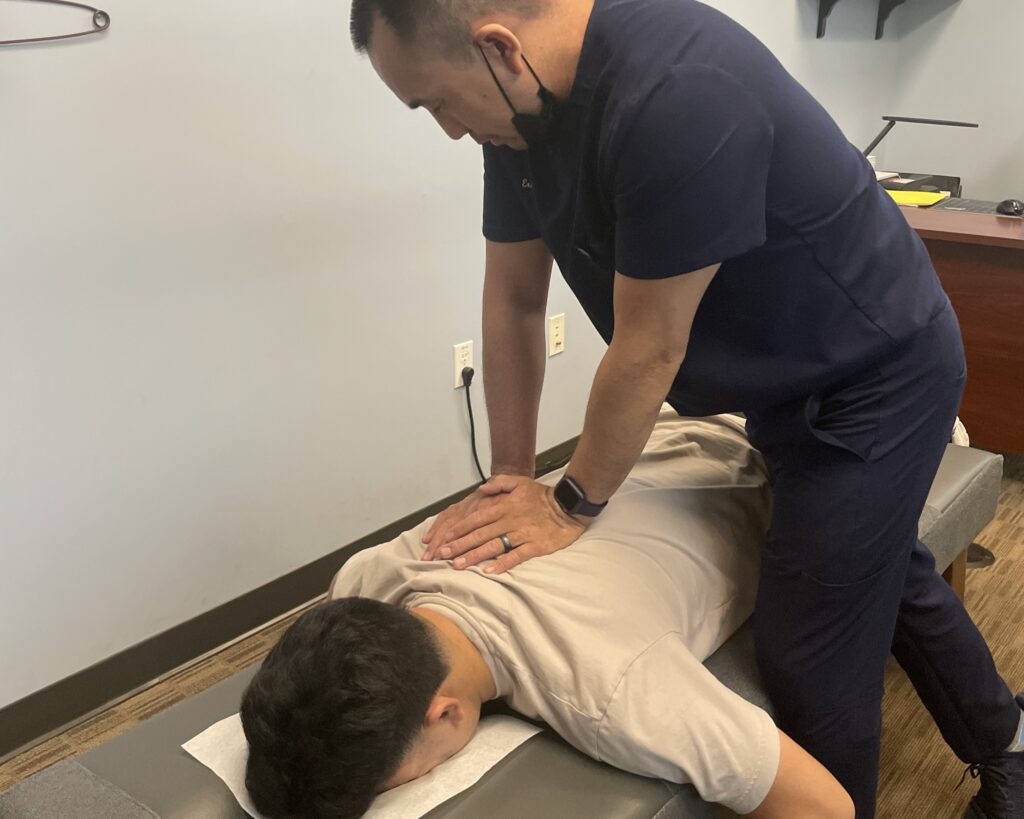
Headaches can be a real nuisance, and while many people turn to medications for relief, there are more natural and holistic approaches that can be incredibly effective. As a chiropractor, I believe in the power of the body’s natural ability to heal itself, and I want to share some lifestyle adjustments and strategies that can help ease your discomfort. Curious about how to tackle those pesky headaches without popping a pill? Here are some practical tips to consider, with a focus on enhancing your overall wellness through chiropractic care.
- Stay Hydrated: Dehydration is a common trigger for headaches. Make sure you’re drinking plenty of water throughout the day to keep your body well-hydrated.
- Maintain Good Posture: Poor posture can lead to tension in the neck and shoulders, which may contribute to headaches. Practicing good posture, especially while sitting at a desk, can help reduce strain.
- Regular Chiropractic Adjustments: Visiting a chiropractor can help align your spine and relieve tension in your muscles. Adjustments can improve your overall nervous system function, which may reduce headache frequency and intensity.
- Manage Stress: Stress is a significant headache trigger for many people. Techniques such as deep breathing, meditation, or yoga can help lower stress levels and promote relaxation.
- Get Enough Sleep: Lack of sleep can lead to headaches. Aim for a consistent sleep schedule and create a restful sleep environment to improve your sleep quality.
- Limit Screen Time: Spending long hours in front of screens can strain your eyes and contribute to headaches. Take regular breaks and practice the 20-20-20 rule: every 20 minutes, look at something 20 feet away for 20 seconds.
- Incorporate Regular Exercise: Physical activity can help reduce tension and improve your overall health. Aim for regular exercise, as it can boost your mood and reduce headache occurrences.
- Consider Dietary Triggers: Some foods and drinks can trigger headaches. Keeping a food diary may help you identify any patterns and avoid these triggers.
- Practice Relaxation Techniques: Techniques such as progressive muscle relaxation or guided imagery can help calm your mind and reduce headache symptoms.
- Consult with Your Chiropractor: If you experience chronic headaches, it’s essential to discuss this with your chiropractor. They can provide personalized care and treatments tailored to your specific needs, helping you achieve optimal health and wellness.
By integrating these natural methods into your daily routine, you may find significant relief from headaches without the need for medication. Remember, chiropractic care is a powerful tool in promoting natural healing and maintaining your overall health. If you’re struggling with headaches, don’t hesitate to reach out for a consultation to explore how chiropractic adjustments can help you feel your best.
Key Takeaways
- Stay hydrated by drinking at least eight glasses of water daily to help prevent dehydration-related headaches. Proper hydration supports your overall health and spinal function, which can contribute to fewer headaches.
- Establish a consistent sleep routine, aiming for 7-9 hours of restful sleep each night. Quality sleep is vital for your body’s recovery and can help keep your spine aligned and your body in balance.
- Practice stress management techniques such as deep breathing, meditation, or engaging in enjoyable activities. Reducing stress can alleviate tension in your back and neck, which is often a contributing factor to headaches.
- Incorporate regular exercise, like brisk walking or yoga, into your routine. Not only does exercise help reduce headache frequency and intensity, but it also supports spinal health and overall wellness.
- Utilize essential oils like peppermint or lavender for their soothing properties. When combined with gentle neck and shoulder stretches, these oils can enhance relaxation and help relieve headache discomfort naturally.
Remember, chiropractic care plays a crucial role in maintaining your overall health and can effectively address underlying issues that contribute to headaches. Regular chiropractic adjustments can help keep your spine aligned, reduce tension, and promote optimal wellness, allowing you to live a healthier, pain-free life.
Stay Hydrated
When you’re starting to feel a headache creeping in, one of the easiest and most effective remedies is to stay hydrated. Dehydration is a common trigger for headaches, making it crucial to drink plenty of water. Aim for at least eight glasses a day and try not to wait until you’re thirsty to hydrate. Keeping a water bottle nearby can serve as a helpful reminder to sip throughout the day.
If you’ve been sweating or participating in vigorous activities, your body may need even more fluids. While electrolyte drinks can help replenish essential minerals, be mindful of those with added sugars, as you want to focus on natural hydration.
In addition to drinking water, incorporating hydrating foods such as cucumbers, watermelon, and oranges into your diet can significantly contribute to your overall hydration. If you find that your headache starts to diminish after increasing your fluid intake, it’s a strong sign that dehydration was a contributing factor.
Remember, staying hydrated is just one aspect of maintaining optimal health. As a chiropractor, I want to emphasize the importance of a holistic approach to wellness.
Regular chiropractic adjustments can help ensure your spine is aligned, which promotes proper nerve function and overall health. When your body is balanced and functioning properly, you’re less likely to experience tension and discomfort, including headaches.
Apply Cold or Warm Compresses
Applying cold or warm compresses can be a simple yet effective way to alleviate headache pain, and as a chiropractor, I believe in exploring natural methods of healing. Tailoring your approach based on the type of headache you’re experiencing can enhance your overall wellness. For tension headaches, a warm compress can help relax those tight muscles, while a cold compress is often beneficial for migraines by numbing pain and reducing inflammation.
Here’s a quick reference to help you decide which compress to use:
| Compress Type | When to Use | How to Apply |
|---|---|---|
| Cold | Migraines | Apply for 15-20 minutes |
| Warm | Tension headaches | Apply for 20-30 minutes |
| Cold | Sinus headaches | Place on forehead and nose |
| Warm | Cluster headaches | Use on neck or shoulders |
| Cold/Warm | Mixed symptoms | Alternate every 10 minutes |
Experimenting with both options can help you discover what brings you the most relief. Remember, while these compresses can provide temporary relief, addressing the root causes of headaches is crucial for long-term wellness. Regular chiropractic adjustments can help improve spinal alignment, reduce tension, and promote overall health.
Incorporating gentle stretches, maintaining proper hydration, and practicing good posture are also fundamental tips that can support your well-being. If you experience recurring headaches, it’s worth discussing them with your chiropractor to find a holistic approach tailored to your needs. Your journey to optimal health can be supported through these natural methods and the expertise that chiropractic care offers.
Practice Relaxation Techniques
After trying cold or warm compresses, you might find that incorporating relaxation techniques can further ease headache discomfort and enhance your overall wellness. Simple practices like deep breathing, progressive muscle relaxation, or meditation can help reduce tension, promote a sense of calm, and support your body’s natural healing processes.
Start by finding a quiet space where you can sit or lie down comfortably. Close your eyes and take deep, slow breaths. Inhale through your nose for a count of four, hold for four, and exhale through your mouth for another count of four. Repeat this several times, focusing solely on your breath. This practice not only helps calm your mind but also encourages proper oxygen flow, which is essential for spinal health.
Progressive muscle relaxation is another effective technique. It involves tensing and then relaxing each muscle group in your body, starting from your toes and working your way up to your head. This method can help release built-up tension and is a fantastic way to reconnect with your body, helping to relieve discomfort that may be affecting your spine and overall well-being.
Remember, incorporating chiropractic care into your wellness routine can also play a crucial role in managing headaches and promoting long-term health. Regular adjustments can help align your spine, reduce tension in your muscles, and enhance your body’s ability to heal naturally.
Maintain Good Posture
Maintaining good posture is key to preventing headaches and enhancing your overall health. As a chiropractor, I’ve seen firsthand how poor posture—like slouching or hunching—can place unnecessary strain on your neck and back, leading to tension headaches. It’s important to be mindful of your posture throughout the day. Aim to keep your shoulders back, your spine straight, and your head aligned with your body.
If you spend a lot of time at a desk, ensure that your chair supports your lower back and that your computer screen is at eye level to promote proper alignment. Taking regular breaks to stretch and move around is vital, as staying in one position for extended periods can contribute to discomfort and pain.
Also, pay attention to how you carry your bags. Avoid overloading one shoulder, as this can throw your posture off balance and lead to further issues.
By making small adjustments to your posture and incorporating chiropractic care into your wellness routine, you can significantly reduce the likelihood of headaches and improve your overall well-being.
Get Adequate Sleep
Getting enough sleep is crucial for managing headaches, and as your local chiropractor, I want to emphasize how this can be a vital part of your overall wellness journey. By practicing good sleep hygiene and maintaining a consistent sleep schedule, you can significantly enhance the quality of your rest, which in turn can help alleviate headache symptoms.
When your body is well-rested, it can function optimally, including your spine and nervous system, which are essential for overall health. Here are some helpful tips to improve your sleep:
- Create a Relaxing Bedtime Routine: Wind down with calming activities like reading or gentle stretching to signal your body that it’s time to sleep.
- Optimize Your Sleep Environment: Ensure your bedroom is dark, quiet, and cool. A comfortable mattress and pillows that support your spine can make a big difference.
- Limit Screen Time Before Bed: The blue light from screens can interfere with your sleep. Try to put away electronic devices at least an hour before bedtime.
- Stay Active During the Day: Regular physical activity can help you fall asleep faster and enjoy deeper sleep. Just remember not to exercise too close to bedtime.
- Mind Your Diet: Avoid heavy meals, caffeine, and alcohol before bedtime, as these can disrupt your sleep.
Remember, headaches can often be linked to tension and misalignments in your spine. Regular chiropractic care can help address these issues, promoting better sleep and overall wellness.
Sleep Hygiene Practices
If you’re looking to minimize headaches and enhance your overall well-being, prioritizing sleep hygiene is crucial. As a chiropractor, I believe that quality sleep is foundational for a healthy spine and body. Here are some practical tips to improve your sleep environment and habits:
- Create a Dark and Quiet Space: A dark, quiet bedroom can significantly enhance the quality of your sleep. Consider using blackout curtains and earplugs to reduce disturbances, allowing your body to rest and recover.
- Invest in Comfortable Bedding: Your mattress and pillows play a vital role in spinal alignment. Choose bedding that supports your natural posture to help prevent tension and discomfort that could lead to headaches.
- Limit Screen Time Before Bed: The blue light emitted by screens can interfere with your body’s natural sleep cycle. Aim to unplug at least an hour before bedtime to help your mind relax and prepare for restorative sleep.
- Establish a Relaxing Bedtime Routine: Engage in calming activities like reading a book or practicing meditation. This can help signal to your body that it’s time to wind down, making it easier to drift off to sleep.
- Maintain a Cool Room Temperature: Keeping your bedroom cool can enhance sleep quality. A comfortable temperature helps your body relax, promoting better sleep and recovery.
By integrating these simple sleep hygiene practices into your routine, you can support your body’s natural healing processes and reduce the frequency and intensity of headaches.
Remember, chiropractic care also plays a vital role in achieving optimal health and can help address underlying issues contributing to your discomfort.
Prioritize your wellness journey by focusing on quality sleep and maintaining a healthy spine!
Consistent Sleep Schedule
Establishing a consistent sleep schedule is a vital step towards achieving optimal health and wellness, particularly when it comes to managing headaches and overall body tension. As a chiropractor, I see firsthand how important it’s for the body to have a regular rhythm. Going to bed and waking up at the same time each day helps to regulate your body’s internal clock, which can significantly enhance your sleep quality.
Aim for 7-9 hours of restful sleep each night. It’s beneficial to maintain this routine even on weekends, as inconsistency can disrupt your body’s natural rhythms. If you find it difficult to fall asleep, consider creating a calming pre-sleep routine. Activities such as reading or meditating can help your body unwind and prepare for rest.
Additionally, it’s wise to limit screen time before bed, as exposure to blue light from devices can interfere with your sleep cycle. Remember, prioritizing a regular sleep schedule not only makes you feel more refreshed, but it can also reduce the chances of experiencing tension headaches and migraines.
Chiropractic care is also an excellent method for supporting your overall wellness and can enhance the quality of your sleep. Regular adjustments can help relieve tension in your body, promoting relaxation and better sleep.
Limit Caffeine Intake
When it comes to managing headaches, limiting your caffeine intake can play a significant role in your overall well-being. As a chiropractor, I understand the importance of a holistic approach to health that includes proper hydration and nutrition. Caffeine can impact your hydration levels and may lead to withdrawal symptoms if you reduce your intake too quickly.
To support your body and avoid triggering more headaches, it’s essential to know your ideal daily limit for caffeine. Instead of turning to medications, which can mask underlying issues, consider the natural healing benefits of chiropractic care. Regular adjustments can help align your spine, improve your nervous system function, and enhance your overall health, potentially reducing the frequency and intensity of headaches.
Here are some general tips to help you manage your caffeine intake and promote a headache-free lifestyle:
- Stay Hydrated: Make sure you’re drinking plenty of water throughout the day. Proper hydration can help decrease headache frequency.
- Gradual Reduction: If you’re looking to cut back on caffeine, do so gradually. This can help minimize withdrawal symptoms and allow your body to adjust.
- Healthy Alternatives: Consider herbal teas or decaffeinated beverages as alternatives to coffee or energy drinks. They can provide warmth and comfort without the caffeine kick.
- Chiropractic Care: Regular visits to your chiropractor can help address the underlying causes of headaches. Spinal adjustments can relieve tension and improve your overall well-being.
- Lifestyle Changes: Incorporate stress-reducing activities like yoga, meditation, or gentle stretching to help manage headaches naturally.
By making these adjustments, you can support your body’s natural healing processes and work towards a healthier, headache-free life.
Effects on Hydration
While it might be tempting to grab that cup of coffee when you’re feeling tired, it’s important to remember how caffeine can affect your hydration and contribute to headaches. As a chiropractor, I emphasize the importance of staying hydrated for overall health and wellness, especially for preventing discomfort like headaches.
Caffeine is known to be a diuretic, which means it can lead to more frequent urination and potential dehydration. Proper hydration is key to maintaining your body’s balance and supporting spinal health.
Here are some simple tips to help you stay hydrated and promote natural wellness:
- Drink plenty of water throughout the day. Aim for at least eight glasses, and carry a water bottle with you to make it easier.
- Incorporate hydrating foods into your meals. Fruits and vegetables like cucumbers, watermelon, and oranges aren’t only refreshing but also help keep you hydrated.
- Choose herbal teas over caffeinated drinks. Herbal teas can provide a soothing alternative that helps with hydration without the diuretic effects of caffeine.
- Be mindful of your caffeine intake. Keeping track of how much caffeine you consume can help you avoid excess and its dehydrating effects.
- Set reminders to drink water regularly. Simple reminders on your phone or sticky notes around your home can prompt you to stay on track with your hydration goals.
Staying well-hydrated not only supports your overall health but can also enhance the effectiveness of chiropractic care by promoting better circulation and reducing tension in your muscles.
Withdrawal Symptoms Awareness
If you’re thinking about reducing your caffeine intake, it’s essential to be aware of potential withdrawal symptoms that may occur. As your body adjusts, you might experience headaches, fatigue, irritability, or difficulty concentrating. These symptoms can vary based on how much caffeine you usually consume, and they can be uncomfortable.
To make this transition smoother, consider gradually decreasing your caffeine consumption rather than stopping abruptly. This gentle approach can help your body adjust without overwhelming your system and can reduce those withdrawal effects.
Staying well-hydrated and sticking to a regular sleep schedule can also support your body during this adjustment period. Remember, just like with any change to your health routine, it’s normal to experience some discomfort. However, these symptoms typically resolve within a week as your body adapts to lower caffeine levels.
As a chiropractor, I encourage you to think about your overall wellness during this process. Chiropractic care can play a vital role in supporting your body’s natural healing and helping you manage stress, which can be particularly beneficial if you’re feeling irritable or fatigued.
Regular chiropractic adjustments can enhance your nervous system function, improve your sleep quality, and promote a sense of well-being, making it easier for you to navigate changes like reducing caffeine.
Be patient with yourself, and remember that taking steps towards a healthier lifestyle is a journey worth pursuing!
Optimal Daily Limit
Adjusting your caffeine intake can significantly impact how you feel, and understanding the ideal daily limit for caffeine is essential for your overall wellness.
As a chiropractor committed to promoting natural healing and healthier living, I encourage you to keep your caffeine consumption around 400 milligrams per day, which is roughly the amount found in four 8-ounce cups of brewed coffee.
Here are some simple tips to help you manage your caffeine intake while supporting your journey to optimal health:
- Track Your Intake: Keeping a record of what you consume can help you stay aware of your caffeine levels.
- Opt for Decaf: Choosing decaffeinated options can be a great way to enjoy your favorite beverages without the jitters.
- Limit Energy Drinks: These can often pack a punch with high caffeine levels, so it’s best to steer clear of them.
- Watch for Hidden Sources: Caffeine can sneak into various foods and medications, so be mindful of what you’re consuming.
- Gradual Reduction: If you find yourself experiencing headaches or other discomforts, consider slowly reducing your intake instead of going cold turkey.
By monitoring your caffeine consumption, you can help maintain a balanced lifestyle that complements your chiropractic care.
Incorporate Regular Exercise
Incorporating regular exercise into your routine can be a powerful ally in alleviating headaches and enhancing your overall well-being. As a chiropractor, I emphasize the importance of natural healing methods, and physical activity is one of the best ways to promote a healthy spine and body. Exercise boosts blood flow and releases endorphins, which not only reduce pain but also improve your mood.
You don’t need to spend hours at the gym to reap these benefits. Simple activities, such as a brisk 30-minute walk, can work wonders. The key is to find exercises you enjoy, whether it’s cycling, swimming, or practicing yoga. These activities can serve as a great distraction from headache discomfort while also helping to build your body’s resilience to stress—a common headache trigger.
Incorporating stretching and strengthening exercises into your routine is particularly beneficial, as they can relieve muscle tension in the neck and shoulders, areas that often contribute to headache pain. By maintaining a strong, flexible body, you can help prevent headaches from occurring in the first place.
Aim for at least 150 minutes of moderate exercise each week. Consistency is essential; by making exercise a regular part of your life, you’re taking proactive steps toward reducing the frequency and intensity of headaches. This commitment not only leads to a healthier body but also promotes a happier mindset.
Remember, while exercise plays a vital role in managing headaches, chiropractic care complements this routine beautifully by ensuring that your spine is aligned and functioning optimally. Regular chiropractic adjustments can enhance your overall health and well-being, allowing you to enjoy life to the fullest.
Try Essential Oils
If you’re experiencing headaches, it’s essential to consider a holistic approach to your health. While essential oils like peppermint and lavender can offer some soothing relief, addressing the root cause of your headaches is crucial for long-term wellness.
As a chiropractor, I encourage you to explore how spinal health plays a significant role in alleviating headache pain. Chiropractic care focuses on aligning the spine to improve overall function, which can significantly reduce headache frequency and intensity. When your spine is misaligned, it can lead to tension in your neck and shoulders, contributing to headaches. Regular chiropractic adjustments can help restore proper alignment, relieve tension, and promote better overall health.
If you’re looking for additional ways to support your body naturally, consider incorporating essential oils into your relaxation routine. Here are some tips on how to use them safely:
- Dilution is Key: Always dilute essential oils with a carrier oil, like coconut or almond oil, before applying them to your skin to avoid irritation.
- Inhale for Relief: You can simply inhale the scent of essential oils by placing a few drops on a cotton ball or in a diffuser. This method can help you relax and may ease headache pain.
- Gentle Massage: After diluting, you can gently massage the oil into your temples or the back of your neck. This can help relieve tension and promote relaxation.
- Stay Hydrated: Drinking plenty of water is essential for preventing headaches. Dehydration can trigger headaches, so be sure to stay hydrated throughout the day.
- Practice Good Posture: Poor posture can contribute to tension headaches. Make sure to maintain good posture while sitting, especially if you work at a desk.
- Regular Chiropractic Visits: Schedule regular appointments with your chiropractor to keep your spine aligned and maintain optimal health.
Popular Essential Oils
When you’re dealing with a headache, chiropractic care can be a fantastic way to find relief and promote overall wellness. While essential oils can provide some comfort, it’s important to remember that addressing the root cause of your headaches through spinal health is key to lasting relief.
Here are some popular essential oils that you might consider using in conjunction with chiropractic adjustments to enhance your wellness journey:
- Peppermint: This oil has a cooling sensation that may help soothe headaches. However, combining this with chiropractic adjustments can improve circulation and relieve tension in the neck and shoulders.
- Lavender: Known for its calming effects, lavender can help reduce stress, which is often a trigger for headaches. In addition to aromatherapy, regular chiropractic care can help alleviate tension and promote relaxation.
- Eucalyptus: If your headaches are related to sinus issues, eucalyptus oil can aid in opening airways and relieving pressure. Chiropractic care can also support proper alignment, which may improve sinus drainage.
- Rosemary: This oil may help relieve muscle tension and boost mental clarity. Regular chiropractic adjustments can improve your posture and reduce muscle strain, enhancing your overall mental focus.
- Chamomile: Often used for relaxation, chamomile can ease tension and promote restful sleep. Coupled with chiropractic care, which encourages a healthy spine and nervous system, you can achieve deeper relaxation and better sleep quality.
In addition to considering these oils, here are some general tips to help manage headaches:
- Stay Hydrated: Dehydration can lead to headaches, so make sure you’re drinking enough water throughout the day.
- Maintain Good Posture: Poor posture can strain your neck and back, leading to headaches. Regular chiropractic visits can help keep your spine aligned.
- Practice Stress Management: Techniques like deep breathing, meditation, or yoga can complement your chiropractic care and reduce stress-related headaches.
- Get Regular Exercise: Physical activity can help relieve tension and improve circulation, reducing the frequency of headaches.
- Prioritize Sleep: Ensure you’re getting enough restful sleep each night. Good sleep hygiene can work hand-in-hand with chiropractic care for optimal health.
By focusing on your spine and overall wellness through chiropractic care, you can create a comprehensive approach to managing headaches and enhancing your health naturally.
Application Techniques
To effectively harness the benefits of essential oils for headache relief while prioritizing your overall wellness, it’s important to explore various application techniques that can enhance their effectiveness. These methods complement chiropractic care by promoting natural healing and relaxation. Here are some popular techniques you can try:
| Technique | How to Apply | Best Oils |
|---|---|---|
| Inhalation | Simply add a few drops of your chosen oil to a tissue or use a diffuser to disperse the aroma. | Peppermint, Lavender |
| Topical | Dilute your selected oil with a carrier oil (like coconut or jojoba oil) and gently massage it onto your temples or the back of your neck. | Eucalyptus, Rosemary |
| Bath Soak | Add a few drops of essential oils to a warm bath for a soothing soak that helps relieve tension. | Chamomile, Ylang-Ylang |
| Compress | Soak a clean cloth in a mix of water and essential oils, then apply it to your forehead for targeted relief. | Frankincense, Bergamot |
| Steam Inhalation | Add essential oils to a bowl of hot water, lean over it, cover your head with a towel, and breathe deeply. | Tea Tree, Lemon |
Safety Precautions
While essential oils can provide relief for headaches, we want to ensure that your safety comes first. Here are some important safety tips to consider when using these natural remedies:
- Always mix essential oils with a carrier oil, like coconut or almond oil, before applying them to your skin. This helps prevent irritation.
- It’s a good idea to do a patch test first. Just apply a small amount of the diluted oil on your skin to check for any allergic reactions.
- Be cautious and keep essential oils away from your eyes and sensitive areas to avoid discomfort.
- If you’re pregnant, nursing, or have any health concerns, it’s wise to talk to a healthcare professional before using essential oils.
- Store your oils in a cool, dark place, out of reach of children and pets, to keep them safe.
While essential oils can be a helpful part of your wellness routine, remember that chiropractic care is an excellent option for addressing headaches and promoting overall health.
Regular chiropractic adjustments can help align your spine, relieve tension, and enhance your body’s natural healing abilities. Always prioritize safe, natural methods for pain relief and wellness!
Manage Stress Levels
Managing stress levels is crucial for relieving headaches, as high stress can’t only trigger pain but also intensify it. As a chiropractor, I believe that understanding and addressing the root causes of your stress is the first step towards achieving overall wellness.
Start by identifying your specific stressors. This could be anything from work pressures to family dynamics or financial concerns. Acknowledging these stressors allows you to take control and explore healthier coping mechanisms. Techniques such as deep breathing, meditation, and gentle yoga can help calm your mind and alleviate tension in your body, making them excellent practices to incorporate into your daily routine.
Additionally, prioritize activities that bring you joy and relaxation. Whether it’s indulging in a good book, tending to your garden, or taking a leisurely walk, these moments of enjoyment can significantly reduce stress levels. Regular exercise is also essential; not only does it help release endorphins that elevate your mood, but it also promotes better spinal health, which is key to natural pain relief.
Don’t forget the importance of support. Talking with friends or family about your feelings can be incredibly therapeutic and help lighten your emotional load. Remember, managing your stress effectively can reduce the frequency of headaches and boost your overall well-being.
Finally, consider incorporating chiropractic care into your wellness routine. Chiropractic adjustments can help align your spine, reduce tension, and promote relaxation, all of which can contribute to a decrease in stress and headache occurrences.
Keep a Headache Journal
Keeping a headache journal can be a powerful tool in your journey toward optimal health and wellness, especially when looking to identify patterns and triggers that contribute to your discomfort. By recording specific details about your headaches, you can gain valuable insights that can help you manage them more effectively, often with the support of chiropractic care.
Here are some key elements to include in your journal:
- Date and Time: Track when your headache begins and ends. This can help identify any recurring patterns.
- Duration: Note how long each headache lasts. Understanding this can assist in recognizing what may be causing them.
- Intensity: Rate your pain on a scale from 1 to 10. This can help you and your chiropractor assess the severity of your headaches.
- Triggers: Pay attention to potential causes, such as certain foods, stress, or environmental factors. This is where chiropractic care can shine, as it helps address underlying issues that may contribute to your headaches.
- Lifestyle Factors: Document details about your sleep, hydration, and physical activity. A balanced lifestyle is crucial for overall well-being, and chiropractic adjustments can enhance these areas by promoting better spinal health and function.
By reviewing this information regularly, you can start to recognize patterns that may be affecting your headaches. This knowledge empowers you to make lifestyle adjustments that complement your chiropractic care, leading to fewer headaches and more natural relief.
Remember, chiropractic care focuses on addressing the root causes of pain, and by maintaining this journal, you’re taking an active role in your health journey.
Incorporating these simple practices can support your path to a healthier, pain-free life.
Conclusion
Incorporating these tips into your daily routine can significantly enhance your ability to manage headaches naturally, without the need for medication. Staying well-hydrated is essential, as dehydration can often lead to increased tension and discomfort. Practicing relaxation techniques, such as deep breathing or meditation, can also play a vital role in reducing stress-related headaches.
Maintaining good posture is another key factor; poor alignment can put unnecessary strain on your neck and back, leading to tension headaches. Regular chiropractic adjustments can help keep your spine aligned and reduce muscle tension, promoting overall well-being.
Don’t underestimate the benefits of essential oils, which can provide soothing relief when applied properly. Regular exercise is equally important, as it helps to improve circulation and reduce stress, both of which can alleviate headache symptoms.
By managing stress effectively and keeping a headache journal, you can identify your specific triggers. This awareness allows for better prevention strategies. Remember, with chiropractic care, you have powerful tools at your disposal to achieve relief and enhance your health. So, take charge of your well-being—your body will thank you!