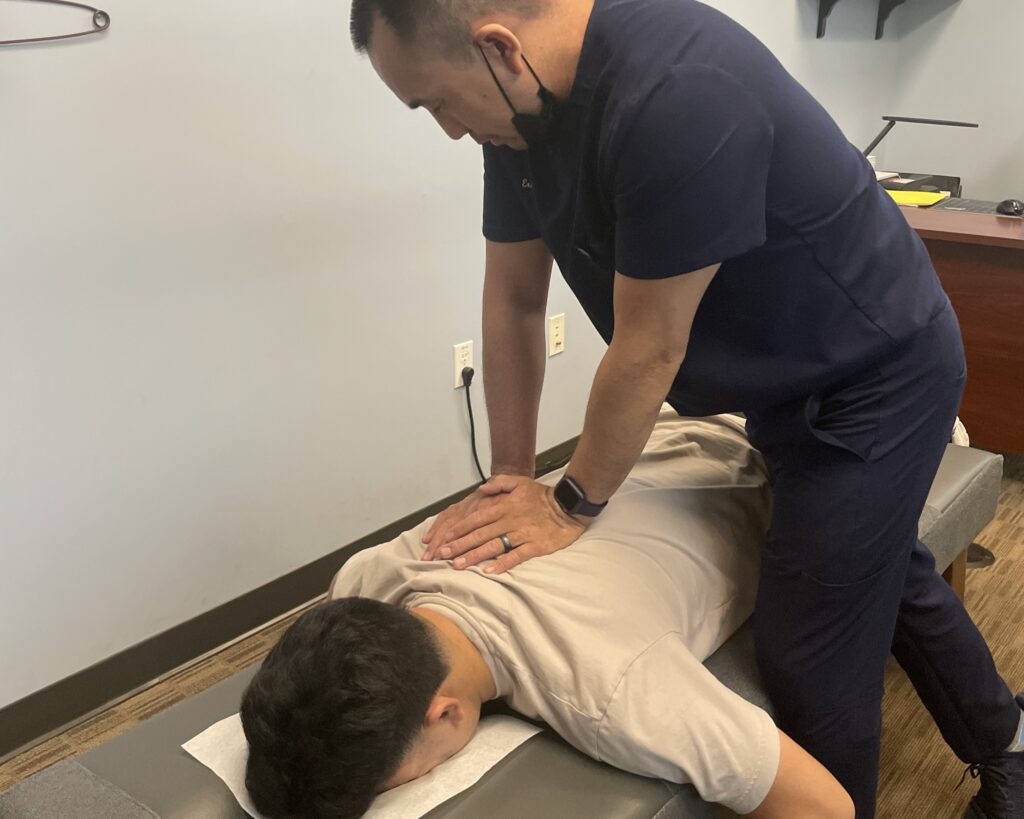
If you suffer from cluster headaches, you’re likely aware of how challenging they can be. Managing these symptoms is essential for maintaining your overall health and well-being. As a chiropractor, I believe in the power of natural healing and wellness strategies to help you cope better. By focusing on your spine and overall body alignment, you can take significant steps towards alleviating discomfort.
Here are some practical tips to help you manage cluster headache symptoms effectively:
- Identify Your Triggers: Taking note of what may provoke your headaches, such as certain foods or stressors, is crucial. By avoiding these triggers, you can reduce the frequency of your headaches.
- Stay Hydrated: Dehydration can exacerbate headaches. Make sure you’re drinking plenty of water throughout the day to keep your body well-hydrated.
- Practice Relaxation Techniques: Incorporating practices such as deep breathing, meditation, or gentle yoga can help reduce stress and tension in your body, which may contribute to headache relief.
- Maintain Good Posture: Poor posture can lead to spinal misalignments that may trigger headaches. Focus on sitting and standing with a straight back to support your spine.
- Regular Chiropractic Adjustments: Visiting a chiropractor can help ensure your spine is correctly aligned. Adjustments can relieve tension and pressure that may be contributing to your headaches.
- Get Enough Sleep: Prioritize a consistent sleep schedule to help your body recover and reduce headache occurrences.
- Incorporate Regular Exercise: Gentle exercises, such as walking or stretching, can promote blood circulation and reduce tension in the body.
- Utilize Cold or Warm Compresses: Applying these to your forehead or neck can provide immediate relief and help alleviate pain.
- Create a Calm Environment: Reducing noise and light in your surroundings can help create a soothing space that minimizes headache triggers.
- Stay Connected with Your Chiropractor: Regular check-ins can help you track your progress and adjust your care plan as needed to ensure you’re on the right path to wellness.
By implementing these strategies and focusing on chiropractic care, you can take control of your health and work towards a life with fewer headaches. Remember, the goal is to achieve optimal wellness naturally, so take these steps to support your journey.
Key Takeaways
- Keep a detailed diary of your headache episodes and any potential triggers. This can help you and your chiropractor identify patterns that may be contributing to your discomfort, allowing for more tailored treatment strategies.
- Maintain a consistent sleep schedule. This not only helps regulate your circadian rhythm but also supports your overall well-being. A well-rested body can better manage pain.
- Stay well-hydrated by drinking at least 8 cups of water daily and including hydrating foods in your diet. Proper hydration is essential for overall health, including spinal health, which can impact headache frequency and intensity.
- At the first sign of a headache, consider using oxygen therapy for quick relief. While chiropractic care focuses on the body’s natural ability to heal itself, combining techniques like oxygen therapy can complement your overall wellness strategy.
- Schedule regular visits to your chiropractor. Chiropractic care can improve spinal alignment, which may help reduce headache intensity naturally and promote better overall health. By addressing the root causes of your headaches, you can find long-term relief without relying on medications or surgeries.
Remember, managing cluster headaches involves a holistic approach, and chiropractic care is a key player in achieving optimal health and wellness.
Identify Your Triggers
Identifying your triggers is a crucial step in managing cluster headache symptoms effectively, and as a chiropractor, I believe that understanding these triggers can greatly enhance your overall wellness.
To start, consider keeping a detailed diary of your headache episodes. Record when they happen, how long they last, and any activities you were doing beforehand. By doing so, you may notice patterns that point to specific triggers like certain foods, alcohol, or stress.
Don’t forget to take note of your environment as well. Changes in weather, exposure to strong smells, or bright lights can sometimes provoke an attack. Additionally, your emotional state can play a significant role; feelings of anxiety or excitement may contribute to the onset of headaches.
While you’re working on identifying your triggers, remember that chiropractic care can be a powerful ally in achieving optimal health and pain relief. Regular chiropractic adjustments can help improve your spinal health, which in turn can positively influence your nervous system and overall well-being.
By focusing on natural healing and healthier living, chiropractic care supports your body in managing pain and stress more effectively.
Here are a few general tips to help you on your journey:
- Stay Hydrated: Drink plenty of water throughout the day. Dehydration can be a trigger for headaches.
- Maintain a Healthy Diet: Eating a balanced diet rich in fruits, vegetables, and whole grains can help reduce the frequency of headache episodes.
- Practice Stress Management: Techniques such as deep breathing, yoga, or meditation can help keep stress levels in check, potentially reducing headache occurrences.
- Regular Chiropractic Visits: Incorporate chiropractic care into your routine. Regular adjustments can help align your spine and improve your body’s function, making you less susceptible to headaches.
Establish a Consistent Sleep Schedule
Establishing a consistent sleep schedule is crucial for managing cluster headache symptoms, particularly since irregular sleep patterns can trigger these painful episodes. A regular sleep routine can help stabilize your body’s internal clock, leading to improved sleep quality and a reduced likelihood of experiencing cluster headaches.
Additionally, chiropractic care can support your overall well-being, which can be beneficial in managing headaches and promoting better sleep.
Here are some straightforward tips to help you create a consistent sleep schedule:
- Go to bed and wake up at the same time every day: This practice helps regulate your circadian rhythm, making it easier to drift off to sleep and wake up feeling rejuvenated.
- Create a calming bedtime routine: Engaging in relaxing activities like reading, gentle stretching, or meditation can signal to your body that it’s time to wind down. Incorporating chiropractic adjustments into your routine can also help alleviate tension and promote relaxation, making it easier to transition to sleep.
- Limit exposure to screens before bed: The blue light emitted by phones and computers can disrupt your ability to fall asleep. Aim to disconnect at least an hour before bedtime. Instead, consider using this time for self-care practices, including light exercises or stretches that can enhance your spinal health.
By following these tips and considering chiropractic care, you can work towards achieving optimal health and wellness, which can help minimize the impact of cluster headaches and improve your overall quality of life.
Use Oxygen Therapy
Oxygen therapy has shown promise in managing the symptoms of cluster headaches, but as a chiropractor, I want to emphasize the importance of a holistic approach to health and wellness. While oxygen therapy may provide some temporary relief, I believe that chiropractic care is the best option for achieving long-term pain relief and overall well-being.
Understanding how your body works and the role of spinal health is crucial in addressing headaches and other pain. Misalignments in the spine can contribute to tension and discomfort, including cluster headaches. By focusing on spinal adjustments and maintaining proper alignment, we can help alleviate pressure on the nerves that may be triggering your headaches.
Here are some tips to enhance your wellness journey:
- Regular Chiropractic Visits: Consistent adjustments can help keep your spine aligned and reduce the frequency and intensity of headaches.
- Stay Hydrated: Dehydration can trigger headaches. Make sure you’re drinking plenty of water throughout the day.
- Practice Stress Management: Techniques like deep breathing, meditation, and yoga can help reduce stress, which may be a contributing factor to your headaches.
- Maintain a Healthy Diet: Eating a balanced diet rich in fruits, vegetables, and whole grains can support overall health and potentially reduce headache triggers.
- Exercise Regularly: Physical activity can help improve circulation and reduce tension in your body, which may help in managing headache symptoms.
- Get Enough Sleep: Aim for 7-9 hours of quality sleep each night to support your body’s healing processes.
While oxygen therapy may offer some relief, remember that chiropractic care provides a natural, drug-free approach to health that addresses the root cause of your pain. If you’re struggling with cluster headaches, consider scheduling a consultation to explore how chiropractic care can help you achieve optimal health and wellness.
Benefits of Oxygen Therapy
While there are various treatments available for cluster headaches, I believe that the best approach to managing pain and promoting overall wellness is through natural methods, such as chiropractic care. Chiropractic adjustments can help alleviate tension in the neck and spine, which may contribute to headache symptoms. By focusing on spinal health, we can support the body’s natural ability to heal itself.
In addition to chiropractic care, some individuals have found oxygen therapy to be beneficial for rapid relief from cluster headaches. This non-invasive method can provide relief quickly, often within just 15 minutes. It’s generally safe and well-tolerated, making it an option that many people prefer. Plus, it typically doesn’t carry the side effects associated with medications.
Here are some key benefits of considering oxygen therapy alongside chiropractic care:
- Rapid Relief: Many people report feeling better shortly after starting treatment.
- Minimal Side Effects: Oxygen therapy usually has few adverse effects compared to some medications.
- Accessibility: Portable oxygen tanks allow you to use therapy at home or while out and about.
Incorporating chiropractic care into your wellness routine can help address the underlying issues that lead to headaches and promote overall health.
Additionally, consider oxygen therapy as a supplementary method for quick relief when needed.
Remember, maintaining a healthy spine and nervous system is crucial for optimal health. Regular chiropractic adjustments, combined with healthy lifestyle choices such as hydration, proper nutrition, and stress management techniques, can significantly enhance your overall well-being.
Always consult your chiropractor for tailored advice and solutions to your specific needs.
Proper Usage Guidelines
To effectively address cluster headaches, it’s important to consider natural approaches that support your overall health and wellness. One such method is oxygen therapy, which can be beneficial when used properly. If you’re exploring this option, here are some simple guidelines to ensure safety and effectiveness.
Firstly, if you’re using oxygen therapy, a high-flow system set at 7 to 15 liters per minute is typically recommended. Inhale the oxygen through a non-rebreather mask for about 15 to 20 minutes, starting at the first sign of your headache for the best results.
It’s also crucial to keep your oxygen tank well-maintained and have a backup supply ready, just in case. While using oxygen, pay attention to how you’re feeling. If you start to feel lightheaded or unwell, it’s a good idea to stop and consult a healthcare professional for advice.
Keeping a record of your oxygen usage can also be helpful to discuss with your doctor, ensuring you’re on the right path toward relief.
However, it’s essential to remember that chiropractic care can also play a significant role in managing headaches. Regular chiropractic adjustments help restore proper spinal alignment, which can alleviate tension and improve overall health. By maintaining a healthy spine, you may reduce the frequency and intensity of cluster headaches.
In addition to chiropractic care, consider incorporating relaxation techniques, staying hydrated, and managing stress through activities like yoga or meditation. These natural approaches can enhance your well-being and help you cope with headaches more effectively.
Potential Side Effects
Using oxygen therapy can be a helpful tool for managing cluster headaches, but it’s important to consider some potential side effects. While many individuals find it beneficial, it’s good to be informed about a few complications that may arise. Here are some side effects to keep in mind:
- Dryness or irritation: Prolonged use of oxygen therapy can lead to dryness in your nasal passages or throat. Staying hydrated and using a humidifier in your space may help alleviate this discomfort.
- Discomfort: Some users report feeling lightheaded or dizzy after using oxygen, especially if they inhale too quickly. Taking slow, deep breaths can help you feel more comfortable during treatment.
- Fire hazard: Remember that oxygen is highly flammable, so it’s crucial to keep it away from open flames or heat sources. Safety first!
While oxygen therapy can be an option for some, I encourage you to explore natural healing methods.
As a chiropractor, I believe that addressing the root causes of pain and discomfort through spinal adjustments and holistic practices can lead to optimal health and wellness. Incorporating regular chiropractic care can help improve your overall well-being and may even reduce the frequency and intensity of headaches.
If you’re seeking relief from cluster headaches or any other pain, consider scheduling a visit to your chiropractor.
Together, we can create a personalized plan that focuses on your health and wellness without relying on medications or invasive procedures. Remember, your journey to better health starts with informed choices!
Explore Preventive Medications
When dealing with cluster headaches, it’s important to consider holistic approaches that promote overall health and wellness. While preventive medications might be a common route for some, many people find that chiropractic care offers a natural and effective way to manage pain and improve their quality of life.
Chiropractic care focuses on spinal health and the nervous system, which can be crucial in relieving headache pain. By ensuring that your spine is properly aligned, you can reduce tension and improve blood flow, potentially alleviating headaches without the need for medications.
Here are some tips to help you manage cluster headaches naturally:
- Regular Chiropractic Adjustments: Regular visits to a chiropractor can help maintain spinal alignment, reduce tension, and promote overall well-being.
- Stay Hydrated: Dehydration can trigger headaches, so make sure you’re drinking enough water throughout the day.
- Maintain a Healthy Diet: Eating a balanced diet rich in fruits, vegetables, and whole grains can have a positive impact on your overall health and may help reduce headache frequency.
- Manage Stress: Techniques such as deep breathing, meditation, or yoga can help reduce stress, which is a common trigger for headaches.
- Get Enough Sleep: Establishing a consistent sleep schedule and creating a restful environment can help prevent headaches related to fatigue and sleep deprivation.
- Exercise Regularly: Engaging in regular physical activity can improve circulation and reduce stress, both of which can help minimize headache occurrences.
By incorporating these natural strategies into your routine and focusing on chiropractic care, you can take a proactive approach to managing cluster headaches and enhancing your overall health.
Types of Preventive Medications
Preventive strategies are crucial for managing cluster headache symptoms and enhancing overall well-being. While medications are often used for treatment, there are natural approaches that can effectively help reduce the frequency and severity of these painful attacks.
One of the best ways to support your body and manage pain naturally is through chiropractic care. Chiropractic adjustments can help improve spinal alignment and function, which may play a role in reducing headache triggers. Regular chiropractic visits not only support your nervous system but can also promote relaxation and reduce muscle tension, which may further alleviate headache symptoms.
In addition to chiropractic care, here are some general tips to consider for managing cluster headaches:
- Stay Hydrated: Dehydration can trigger headaches, so ensure you’re drinking plenty of water throughout the day.
- Maintain a Consistent Sleep Schedule: Sleep is vital for overall health. Aim for regular sleep patterns to support your body’s natural rhythms.
- Manage Stress: Incorporate stress-reducing techniques such as deep breathing, meditation, or gentle yoga into your routine to help keep tension at bay.
- Identify Triggers: Keep a journal to note any potential triggers for your headaches, such as certain foods or environmental factors, and work on minimizing these where possible.
By focusing on a holistic approach to health and wellness, including chiropractic care, you can take proactive steps towards managing cluster headaches naturally and improving your quality of life.
Always consult with your chiropractor to find the best strategies tailored to your individual needs.
Dosage and Administration Tips
When managing cluster headaches, it’s essential to take a holistic approach, and chiropractic care can play a crucial role in promoting natural healing and overall wellness. Instead of relying solely on medications, consider discussing your symptoms with a chiropractor who can help develop a personalized treatment plan aimed at alleviating headache pain and improving your quality of life.
Chiropractic adjustments can help relieve tension in the spine and improve nervous system function, which may contribute to headache relief. Regular visits can ensure that your body is aligned, promoting better circulation and reducing stress on the nervous system.
In addition to chiropractic care, here are some helpful tips for managing cluster headaches:
- Stay Consistent: Just like with any wellness routine, consistency is key. Make regular chiropractic visits a part of your self-care regimen to help keep your body in balance.
- Track Your Symptoms: Keeping a headache diary can provide valuable insights. Note when your headaches occur, their intensity, and any lifestyle factors that may contribute. This information can be useful for your chiropractor in tailoring your care.
- Healthy Lifestyle Choices: Focus on maintaining a balanced diet, staying hydrated, and getting enough sleep. These factors can significantly impact your overall health and may help reduce headache frequency.
- Stress Management: Incorporate relaxation techniques such as deep breathing, yoga, or meditation into your daily routine. Reducing stress can help alleviate tension that might trigger headaches.
- Physical Activity: Engage in regular exercise. It doesn’t have to be intense; even gentle activities like walking or stretching can promote blood flow and help reduce headache pain.
By prioritizing natural wellness through chiropractic care and healthy lifestyle choices, you can take significant steps toward managing cluster headaches and improving your overall health.
Remember to consult with your chiropractor to create a plan that works best for you!
Monitoring Side Effects
Managing the side effects of preventive medications for cluster headaches can be challenging, but there are natural and holistic approaches you can consider to promote wellness and alleviate discomfort. While medications can provide relief, chiropractic care can play a significant role in enhancing your overall health and managing pain without the side effects associated with pharmaceuticals.
Here are some strategies to consider:
- Maintain a Wellness Journal: Document your symptoms, any changes in your condition, and how you feel after chiropractic adjustments. This can help you identify patterns and discuss them with your chiropractor, who can tailor your care to better suit your needs.
- Communicate with Your Chiropractor: Open and honest communication is key. Regularly discuss your experiences and any concerns you have. Your chiropractor can provide guidance on lifestyle adjustments, exercises, and techniques that may help alleviate your headaches.
- Explore Natural Therapies: Research natural remedies and therapies that can complement your chiropractic care. Techniques such as yoga, meditation, and proper hydration can support your overall well-being and may even reduce the frequency and intensity of your headaches.
- Focus on Spinal Health: Maintaining a healthy spine is crucial for overall well-being. Regular chiropractic adjustments can help align your spine and improve nervous system function, which may alleviate headache symptoms and promote natural healing.
- Adopt a Healthy Lifestyle: Make small changes to your daily routine, such as incorporating more whole foods into your diet, staying active, and ensuring you get enough sleep. These lifestyle improvements can boost your body’s ability to manage stress and pain.
By integrating these holistic strategies with your chiropractic care, you can work towards achieving optimal health and reducing the impact of cluster headaches in a natural way.
Always remember, your health journey is unique, and a chiropractor can help guide you on the path to wellness.
Incorporate Relaxation Techniques
Managing cluster headache symptoms can indeed be challenging, but incorporating relaxation techniques into your daily routine can provide significant relief and support your overall well-being. As a chiropractor, I emphasize the importance of natural healing and stress reduction, which are key components in alleviating headache discomfort.
Start by dedicating just a few minutes each day to practice deep breathing. Find a quiet space where you can sit comfortably, focus on your breath, and inhale deeply through your nose, then exhale slowly through your mouth. This simple exercise helps to calm your nervous system and reduce tension, which can often contribute to headache pain.
Progressive muscle relaxation is another technique that can be highly beneficial. It involves tensing and then relaxing each muscle group in your body. By doing this, you release built-up tension that may be contributing to your headaches. You might begin with your toes, work your way up through your legs, abdomen, and eventually to your shoulders and neck—areas that often hold stress.
Mindfulness meditation is yet another powerful tool. By training your mind to stay present, you can distract yourself from pain and reduce anxiety, which can often exacerbate headaches. Consider using guided meditation apps to help you get started; these resources can make the practice more accessible and enjoyable.
Incorporating these relaxation techniques into your daily routine not only helps in managing headache symptoms but can also enhance your overall quality of life.
Remember, chiropractic care is also a vital component of maintaining your health and wellness. Regular adjustments can help keep your spine aligned, reduce tension, and promote a healthier nervous system, which is essential for optimal health.
Maintain a Healthy Diet
Maintaining a healthy diet is crucial for managing cluster headache symptoms and promoting overall wellness. As a local chiropractor, I believe that natural healing starts with the foods we eat and how we care for our bodies. Staying hydrated, avoiding trigger foods, and ensuring you get a balanced intake of nutrients can significantly impact your health and help reduce the frequency and intensity of headaches.
By being mindful of what you consume, you’re not just addressing your headaches; you’re also nurturing your body and spine. A well-nourished body supports the nervous system and can enhance your chiropractic care, leading to better results in pain relief and overall health.
Here are some simple tips to consider:
- Stay Hydrated: Dehydration can be a trigger for headaches. Aim to drink plenty of water throughout the day to keep your body well-hydrated.
- Identify Trigger Foods: Keep a food diary to track what you eat and notice any patterns with your headaches. Common triggers can include aged cheeses, alcohol, and processed foods. By avoiding these, you may find relief.
- Balanced Nutrition: Focus on a variety of whole foods—fruits, vegetables, lean proteins, and whole grains. These foods support your body’s functions and contribute to a healthy spine.
- Regular Meals: Skipping meals can lead to blood sugar dips that might trigger headaches. Try to eat regular, balanced meals to maintain stable energy levels.
- Consult Your Chiropractor: Incorporating chiropractic care into your wellness routine can help address underlying issues contributing to headaches. Regular adjustments can improve spinal alignment, enhance nervous system function, and promote better overall health.
Hydration Importance
Staying properly hydrated is crucial for managing cluster headache symptoms and promoting overall wellness. When you’re dehydrated, it can worsen your headaches and make them tougher to manage. Drinking enough fluids helps your body function optimally, which is key in reducing pain intensity.
Here are some simple hydration tips to keep in mind:
- Drink water consistently: Aim for at least 8 cups a day, but feel free to adjust this based on how active you’re and the climate you live in. Staying well-hydrated can support your body and potentially reduce headache occurrences.
- Include hydrating foods: Incorporating fruits and vegetables like cucumbers and watermelon into your diet can boost your hydration levels. These natural foods not only hydrate but also provide essential nutrients for your body.
- Limit caffeine and alcohol: These beverages can lead to dehydration, so it’s wise to enjoy them in moderation. Instead, focus on water and herbal teas that can support your hydration without the drawbacks.
Remember, proper hydration is just one aspect of maintaining your overall health. Chiropractic care can also play a vital role in your wellness journey.
Trigger Foods Avoidance
Managing cluster headaches involves more than just staying hydrated; your diet plays a crucial role as well.
As a chiropractor, I want to emphasize the importance of understanding how certain foods can affect your body and contribute to headache pain. By identifying and avoiding trigger foods, you can significantly reduce the frequency and intensity of your headaches, leading to a better quality of life.
Common trigger foods include processed meats, aged cheeses, alcohol, and certain additives like MSG. However, triggers can differ from person to person, so it’s important to pay attention to how your body reacts to different foods. Keeping a food diary is a great way to help you identify which items might be causing your discomfort.
In addition to being mindful of your diet, chiropractic care can also play a vital role in managing headache pain. Regular chiropractic adjustments can help realign your spine, improve nervous system function, and enhance overall well-being.
This natural approach to healing can be a powerful tool in your journey toward pain relief.
Remember, a balanced diet combined with chiropractic care can contribute to optimal health and wellness. By focusing on these aspects, you can take control of your health and improve your overall quality of life.
Stay mindful of what you eat, and consider chiropractic care as a holistic solution for managing pain and enhancing your well-being.
Balanced Nutrient Intake
When it comes to managing cluster headaches, it’s important to recognize that while avoiding trigger foods is crucial, maintaining a balanced nutrient intake plays a key role in your overall health and wellness.
A well-rounded diet not only supports your body’s functions but may also help in reducing the frequency and intensity of your headaches. Here are some simple tips to enhance your nutritional intake:
- Fruits and Vegetables: Incorporate a variety of colorful fruits and vegetables into your meals. They’re packed with vitamins, minerals, and antioxidants that are essential for brain health. Consider starting your day with a smoothie or adding a fresh salad to your lunch.
- Whole Grains: Opt for whole grains like brown rice, quinoa, and whole grain bread. These foods help maintain steady energy levels throughout the day, which can be beneficial in managing your headaches. Try swapping out refined grains with whole grains in your meals.
- Lean Proteins: Include lean proteins such as chicken, fish, and legumes in your diet. These options support muscle repair and overall bodily function, promoting a healthier you. Meal prepping with grilled chicken or a hearty bean salad can be a great way to ensure you’re getting enough protein.
In addition to a balanced diet, consider incorporating chiropractic care into your wellness routine.
Chiropractic adjustments can help alleviate tension and improve spinal health, which may contribute to your overall well-being. By focusing on natural healing and maintaining a healthy lifestyle, you can take proactive steps towards managing your cluster headaches and achieving optimal health.
Stay Hydrated
Since dehydration can trigger or worsen cluster headaches, it’s crucial to stay well-hydrated. Drinking enough water throughout the day is essential, especially during a headache cycle. Even mild dehydration can exacerbate your symptoms, making it all the more important to keep your fluid intake high.
Carrying a water bottle with you can be a simple yet effective way to ensure you’re sipping water regularly. If plain water doesn’t excite you, herbal teas or electrolyte drinks can be great alternatives. Just be mindful of caffeinated beverages, as they can sometimes lead to dehydration.
Setting reminders on your phone to drink water at regular intervals can help you stay on track. Additionally, consider incorporating foods with high water content—like fruits and vegetables—into your meals.
Staying well-hydrated isn’t only beneficial for managing cluster headaches but also supports your overall health, allowing your body to better cope with discomfort.
Remember, chiropractic care can also play a vital role in your wellness journey. Regular adjustments help keep your spine aligned, which can improve your nervous system function and enhance your overall health.
Keep a Headache Diary
Keeping a headache diary can be a transformative tool for managing cluster headaches, especially when combined with chiropractic care. By tracking your symptoms, you can uncover patterns and triggers that may help you and your chiropractor develop effective strategies for relief. Consistency is essential, so make it a habit to jot down your experiences daily.
Here are some essential elements to include in your headache diary:
- Date and Time: Note when each headache occurs to understand how often and how long they last. This can help your chiropractor tailor a treatment plan that fits your specific needs.
- Intensity and Symptoms: Rate the pain on a scale and describe any accompanying symptoms, such as nausea or sensitivity to light. This information can guide your chiropractor to find the right adjustments that may alleviate these symptoms.
- Potential Triggers: Record factors like certain foods, stress levels, or changes in your sleep patterns that might be contributing to your headaches. Identifying these triggers can help you avoid them and enhance your overall wellness.
This detailed record not only provides personal insights but also equips your chiropractor with valuable information to enhance your treatment plan.
By utilizing chiropractic care, you can tap into natural healing methods that focus on spinal health and overall well-being. So, start writing in your diary; it might just make a significant difference in your journey toward managing cluster headaches and achieving optimal health.
Seek Support From Others
Finding a support system can significantly enhance your journey towards managing cluster headaches and achieving optimal wellness. Sharing your experiences with others who truly understand can alleviate feelings of isolation and provide comfort during challenging times.
Consider reaching out to friends or family members who are willing to listen and support you. Having someone to talk to can be incredibly uplifting and can help you feel more in control of your health journey.
Additionally, you might benefit from joining support groups—either in-person or online. These groups provide a valuable opportunity to connect with others facing similar challenges. You can share coping strategies and insights, and hearing others’ stories can help you feel less alone and more empowered.
In times of need, don’t hesitate to lean on your support network. Emotional support is vital for your overall well-being, and knowing that someone cares can lighten the load of your symptoms. Remember, you aren’t in this journey alone.
Alongside support from friends, family, and peers, consider incorporating chiropractic care into your routine. Chiropractic adjustments can help relieve tension in your spine and improve your overall nervous system function, which may contribute to reducing the frequency and intensity of your headaches.
By focusing on natural healing methods, such as chiropractic care, you can work towards achieving a more balanced and pain-free life.
Consult a Specialist
How can consulting a specialist, specifically a chiropractor, make a difference in managing your cluster headaches? A chiropractor focuses on the relationship between your spine and your overall health, providing natural healing options that can alleviate headache symptoms. By addressing spinal alignment and tension, chiropractic care can enhance your quality of life and help reduce headache frequency and intensity.
Here are a few reasons why seeing a chiropractor can be beneficial for managing cluster headaches:
- Holistic Approach: Chiropractors look at the body as a whole, identifying underlying issues that may contribute to your headaches, such as spinal misalignments or muscle tension.
- Natural Pain Relief: Through gentle adjustments and therapies, chiropractors can help relieve pressure on nerves and improve blood flow, offering relief without the need for medications or invasive procedures.
- Personalized Care Plans: Chiropractors will work with you to develop a customized treatment plan tailored to your specific symptoms and lifestyle, promoting long-term wellness and headache management.
In addition to chiropractic care, here are some general tips for managing cluster headaches naturally:
- Stay Hydrated: Ensure you drink plenty of water throughout the day to prevent dehydration, which can trigger headaches.
- Practice Relaxation Techniques: Stress can exacerbate headaches, so consider incorporating deep breathing, meditation, or yoga into your routine to help you relax.
- Maintain a Regular Sleep Schedule: Consistent sleep patterns can help reduce the frequency of headaches. Aim for 7-8 hours of quality sleep each night.
Don’t underestimate the value of a chiropractor’s expertise in managing cluster headaches; their guidance can be a transformative step towards achieving better health and wellness.
Conclusion
Managing cluster headaches can be challenging, but with the right approach, you can effectively alleviate your symptoms and enhance your overall well-being. As a chiropractor, I believe in the power of natural healing and the importance of a holistic approach to health. Here are some tips to consider:
- Identify Triggers: Understanding what triggers your cluster headaches is essential. Common triggers can include certain foods, alcohol, or stress. Keep a diary to track your headaches and identify patterns.
- Maintain a Consistent Sleep Schedule: Quality rest is crucial. Try to go to bed and wake up at the same time every day to help regulate your body’s internal clock. This consistency can reduce the frequency of headaches.
- Stay Hydrated: Dehydration can exacerbate headache symptoms. Aim to drink plenty of water throughout the day to keep your body well-hydrated and functioning optimally.
- Explore Chiropractic Care: Chiropractic care focuses on the alignment of the spine and overall nervous system health. Regular adjustments can help alleviate tension and improve your body’s ability to cope with pain naturally.
- Practice Relaxation Techniques: Incorporating practices such as deep breathing, meditation, or yoga can help reduce stress levels, which may contribute to headache episodes.
- Keep a Headache Diary: Documenting your headaches, including frequency, duration, and any associated symptoms, can help you and your chiropractor identify effective treatment strategies.
- Seek Support: Connecting with others who experience cluster headaches can provide emotional support and share helpful tips. Consider joining a support group or online community.
- Incorporate Regular Exercise: Physical activity can help reduce stress and tension. Aim for regular, moderate exercise, such as walking or swimming, which can contribute to overall wellness.
- Consider Dietary Adjustments: Some people find that certain foods can trigger headaches. Pay attention to your diet and consider eliminating potential triggers like aged cheeses or processed meats.
- Consult a Chiropractor: As a specialist in spinal health, a chiropractor can provide tailored care to help manage your cluster headaches. Through adjustments and personalized wellness plans, you can work towards achieving optimal health and pain relief.
Remember, taking control of your health involves holistic strategies that focus on the body as a whole. By incorporating these tips and considering chiropractic care, you can work towards a healthier, more balanced life.