Headaches can be a persistent nuisance, often stemming from poor alignment and posture. As a chiropractor, I want to share with you how making a few adjustments in your daily routine can significantly reduce the frequency and intensity of headaches. The good news is that these changes can be simple and effective, promoting not just pain relief but also overall wellness.
- Optimize Your Workspace: Ensure your desk and chair are ergonomically friendly. Your computer screen should be at eye level, and your chair should support your lower back. Proper alignment at your workspace can alleviate unnecessary strain on your neck and spine.
- Mind Your Posture: Whether sitting, standing, or walking, maintain a neutral spine position. Being conscious of your posture will help prevent tension build-up that can lead to headaches.
- Incorporate Stretching: Take breaks throughout the day to stretch your neck and shoulders. Gentle stretches can relieve muscle tension and improve blood flow, reducing headache triggers.
- Stay Hydrated: Dehydration is a common headache trigger. Make sure you’re drinking plenty of water throughout the day to keep your body functioning optimally.
- Practice Mindfulness: Stress is a significant contributor to headaches. Incorporating mindfulness practices such as deep breathing or meditation can help manage stress levels and promote relaxation.
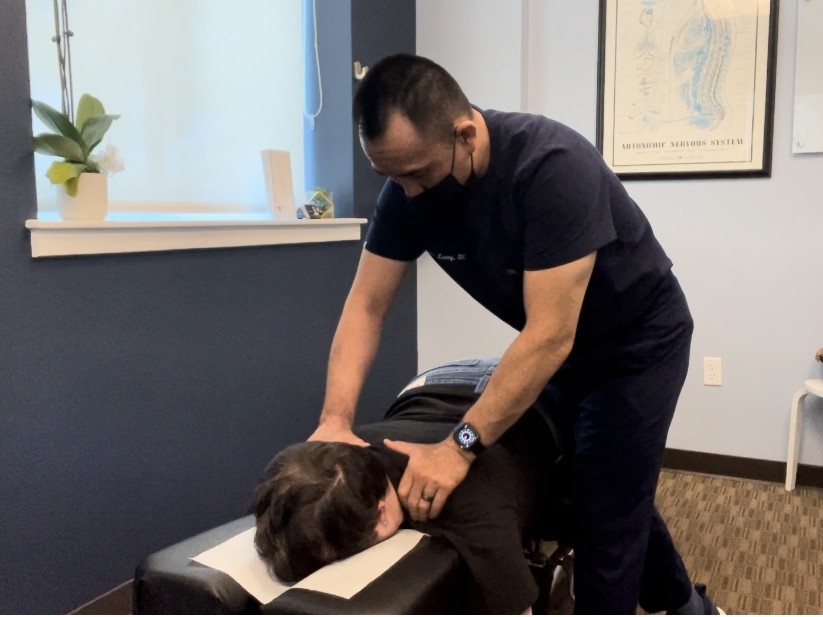
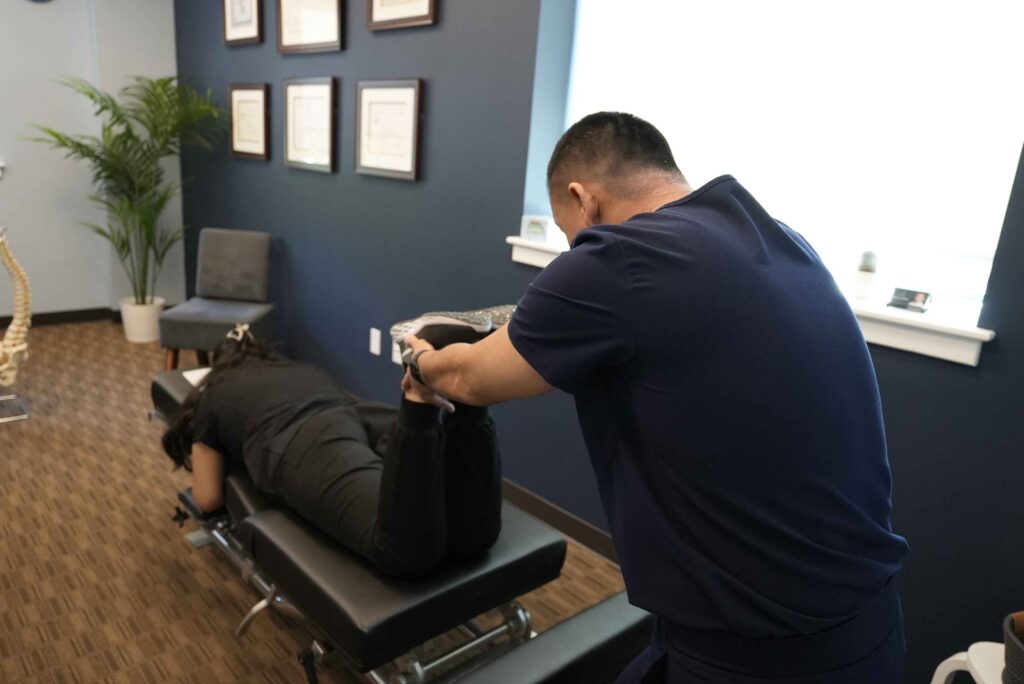
- Regular Chiropractic Care: Visiting a chiropractor can help address misalignments in your spine that may be contributing to your headaches. Chiropractic adjustments can restore proper alignment, relieve pain, and improve overall function.
- Sleep Well: Make sure you’re getting enough restorative sleep. Invest in a supportive pillow that keeps your neck aligned with your spine.
- Limit Screen Time: Prolonged exposure to screens can lead to eye strain and tension headaches. Follow the 20-20-20 rule: every 20 minutes, look at something 20 feet away for at least 20 seconds.
- Engage in Regular Exercise: Physical activity promotes overall health and can reduce stress, which in turn helps minimize headaches. Aim for activities that keep your body moving and your spine healthy.
- Listen to Your Body: Pay attention to what triggers your headaches. Keeping a headache diary can help you identify patterns and avoid potential triggers.
By implementing these practical tips, you can take significant steps toward alleviating headaches naturally. Remember, chiropractic care is an excellent choice for addressing the root causes of pain and promoting lasting wellness. Embrace these changes to enhance your overall health and experience a more headache-free life. You might be surprised by the positive impact these adjustments can have!
Key Takeaways
- Start by maintaining good posture; keep your back straight and shoulders relaxed. This simple adjustment can significantly reduce strain on your neck and shoulders and help alleviate headache triggers. Remember, a well-aligned spine is key to overall health!
- Consider investing in ergonomic furniture, such as adjustable desks and supportive chairs. These tools not only promote spinal health but also help you maintain proper alignment throughout your day, making it easier to stay pain-free.
- Optimize your workspace by positioning your computer screen at eye level and about an arm’s length away. This setup encourages better posture and reduces the risk of tension headaches caused by poor alignment.
- Don’t forget to take regular breaks! Stretching and moving around can help release muscle tension and improve circulation, which are crucial for reducing the likelihood of headaches. Set a timer if you need a reminder!
- Hydration and a nutrient-rich diet are essential for your overall well-being. Drinking plenty of water and eating healthy foods can help prevent headaches linked to dehydration and poor nutrition. Remember, a well-nourished body is a happier body!
By focusing on these tips and incorporating chiropractic care into your routine, you can achieve optimal health and wellness naturally. Your spine plays a vital role in your overall well-being, so taking care of it is the best choice for lasting pain relief and health.
Maintain Good Posture Throughout the Day
Maintaining good posture throughout the day is crucial for reducing the risk of headaches, and as a chiropractor, I can attest to the profound impact it can have on your overall health and wellness. When you find yourself slouched or hunched over, it creates unnecessary strain on your neck and shoulders, often leading to tension headaches. By keeping your back straight and your shoulders relaxed, you can help align your spine properly and support your overall well-being.
Being mindful of your posture is especially important if you spend long hours sitting, such as when working at a desk. Ensure that your feet are flat on the ground and that your computer screen is at eye level to encourage a more natural alignment.
Don’t forget to take regular breaks to stretch and move around—this not only prevents stiffness but also promotes better circulation and spinal health.
Incorporating exercises that strengthen your core and back muscles is another excellent way to support good posture. A strong core helps stabilize your spine, making it easier to maintain an upright position throughout the day. Simple activities like planks, bridges, and back extensions can make a significant difference.
By making these small adjustments and practicing good posture, you can create lasting changes that help alleviate headache triggers and enhance your overall quality of life.
Remember, chiropractic care is an effective way to address posture issues and improve spinal alignment. Regular adjustments can keep your spine healthy and functioning optimally, paving the way for a pain-free, vibrant life.
Prioritize your posture, and consider visiting a chiropractor for personalized guidance and support on your journey to natural wellness.
Invest in Ergonomic Furniture
Investing in ergonomic furniture can significantly enhance your overall health and wellness. As a chiropractor, I often see the impact that proper seating and desk arrangements can have on your spine and posture. For instance, adjustable desks allow you to easily alternate between sitting and standing, which is crucial for maintaining spinal health.
A supportive chair not only provides comfort but also promotes good posture, reducing the strain on your back and neck. By making these adjustments to your workspace, you can help alleviate common headache triggers that stem from poor ergonomics.
Remember, when your body is in alignment, you’re more likely to feel energized and focused throughout the day.
In addition to investing in ergonomic furniture, here are some general tips for a healthier work environment:
- Take regular breaks – stand up, stretch, and walk around every hour to help keep your muscles and joints flexible.
- Maintain good posture – keep your feet flat on the floor, your back straight, and your screen at eye level.
- Stay hydrated – drinking enough water can help prevent fatigue and headaches.
- Incorporate chiropractic care – regular adjustments can help maintain your spinal alignment and promote overall wellness.
By following these tips and prioritizing your ergonomic setup, you’ll be well on your way to achieving optimal health and well-being.
Choose Adjustable Desks
When you’re spending long hours at a desk, selecting an adjustable desk can be a game-changer for your comfort and overall well-being. These desks allow you to effortlessly transition between sitting and standing, which can help alleviate tension in your neck and shoulders—common areas of discomfort that many of my patients experience.
By changing your position throughout the day, you encourage better blood circulation and reduce the likelihood of headaches, which can often be triggered by poor posture.
One of the key benefits of an adjustable desk is the ability to customize the height to fit your unique needs. Ensuring your screen is at eye level and your wrists are properly aligned is crucial for maintaining good posture. This simple adjustment can prevent strain on your spine and promote a healthier alignment of your body.
As a chiropractor, I often emphasize the importance of a proper workspace for spinal health. Investing in an adjustable desk is a proactive step you can take toward a healthier work environment.
Alongside this, remember to take regular breaks to stretch and move around, which can enhance your focus and further reduce discomfort.
Ultimately, embracing an adjustable desk can contribute to fewer headaches and improved productivity, aligning perfectly with the principles of chiropractic care. Together, these practices can lead you to a path of natural wellness and optimal health.
Optimize Chair Support
Choosing the right chair is crucial for your overall health and wellness, especially if you spend long hours at a desk. An ergonomic chair not only supports your body but also plays a key role in maintaining good posture, which can help prevent headaches and discomfort.
Here are three essential features to consider for optimal chair support that aligns with a healthier lifestyle:
- Lumbar Support: Make sure your chair offers adequate lower back support to help maintain the natural curve of your spine. This support is vital in preventing back pain and promoting spinal health.
- Adjustable Height: Your chair’s height should be easily adjustable so you can keep your feet flat on the ground and your thighs parallel to the floor. This positioning helps distribute your weight evenly and reduces strain on your back and legs.
- Armrests: Opt for chairs with adjustable armrests that allow you to position your arms comfortably. Proper arm support can alleviate shoulder strain and enhance your overall posture while working.
Investing in a quality ergonomic chair is a step towards better health and comfort.
However, remember that regular chiropractic care can further enhance your spinal health and overall well-being. Chiropractors focus on natural healing and can help address any imbalances or discomfort caused by poor posture.
Stay Hydrated and Nourished
Staying hydrated and nourished is crucial for preventing headaches, and as a chiropractor, I want to share some insights on how this ties into your overall wellness. When your body isn’t adequately hydrated or lacks nutrient-rich foods, it can lead to discomfort and tension in your muscles, which may contribute to headaches.
It’s important to listen to your body and ensure you’re drinking enough water throughout the day. Aim for at least eight glasses, and more if you’re active. Additionally, incorporating whole foods like fruits, vegetables, lean proteins, and whole grains into your meals can provide the essential nutrients your body needs to function optimally.
Timing your meals is another vital aspect. Eating regular, balanced meals can help maintain your energy levels and prevent the onset of headaches. Try to avoid long gaps between meals, as this can lead to dips in blood sugar that may trigger discomfort.
As a chiropractor, I emphasize the connection between your spine, nervous system, and overall health. Maintaining proper hydration and nutrition supports your body’s natural healing processes and can enhance the effectiveness of chiropractic adjustments.
Incorporate these simple tips into your daily routine to help keep headaches at bay and support your journey toward optimal health.
Importance of Water Intake
As a local chiropractor dedicated to promoting health and wellness, I want to emphasize the importance of proper hydration in managing headaches and overall well-being. While it may seem straightforward, staying adequately hydrated is crucial for preventing tension and discomfort. When your body lacks water, it can lead to negative reactions that may cause headaches. Ensuring that you’re well-hydrated allows both your brain and body to function at their best.
Here are three compelling reasons to make water intake a priority:
- Reduces Headache Frequency: Staying hydrated can help decrease the frequency of headaches, making it an essential part of your wellness routine.
- Enhances Energy Levels: Water is vital for maintaining your energy throughout the day. By keeping your fluid levels up, you can combat fatigue and reduce the chances of headaches related to tiredness.
- Improves Focus: Proper hydration is key for cognitive function. When well-hydrated, you’ll find it easier to concentrate and stay mentally sharp, which can help prevent tension headaches.
Incorporating regular water intake into your daily habits is simple and effective. Carry a water bottle with you, set reminders on your phone, or infuse your water with fruits for a refreshing twist.
Remember, staying hydrated isn’t only beneficial for your body but also for your head!
And while you’re working on your hydration, don’t forget that chiropractic care plays a vital role in achieving optimal health. Regular adjustments can relieve tension and improve your body’s overall function.
Nutrient-Rich Foods Matter
Hydration alone won’t fully support your health if you’re not also fueling your body with the right nutrients. As a chiropractor, I understand the importance of a balanced diet rich in vitamins and minerals, which can help reduce headache frequency and intensity. It’s essential to incorporate nutrient-rich foods that support your overall well-being and spinal health.
Here’s a quick guide to some nutrient-rich foods that can enhance your health:
| Nutrient | Food Sources | Benefits |
|---|---|---|
| Magnesium | Spinach, Nuts, Seeds | Helps reduce muscle tension, which can alleviate discomfort in your back and neck. |
| Omega-3 | Salmon, Walnuts | Known for its anti-inflammatory properties, Omega-3 can help relieve pain and promote healing. |
| Vitamin B | Whole grains, Eggs | Supports energy levels, helping you stay active and maintain a healthy posture. |
| Potassium | Bananas, Avocados | Regulates blood pressure and supports muscle function, contributing to overall spinal health. |
| Hydration | Water, Herbal teas | Essential for proper body function and can help prevent tension headaches. |
Incorporating these foods into your diet can complement the benefits of chiropractic care. Remember, a well-nourished body is better equipped to handle stress and tension, which often leads to discomfort.
Here are some general tips to help you on your wellness journey:
- Stay Hydrated: Aim for at least 8 glasses of water a day to keep your body functioning optimally.
- Eat a Variety of Foods: Diversify your plate with colorful fruits and vegetables to ensure you’re getting a wide range of nutrients.
- Listen to Your Body: Pay attention to how certain foods make you feel and adjust your diet accordingly.
- Combine Nutrition with Chiropractic Care: Regular chiropractic adjustments can enhance your body’s ability to heal and function better.
Timing of Meals
To maximize the benefits of your nutrient-rich diet and support your overall wellness, the timing of your meals is crucial. As a chiropractor, I want to emphasize that consistent nourishment can help maintain stable energy levels and reduce the likelihood of headaches, which can often be related to spinal misalignments.
Here are three helpful tips to consider:
- Eat Regularly: Skipping meals can lead to drops in blood sugar, which may trigger headaches and discomfort. Aim for three balanced meals along with healthy snacks throughout the day. This not only supports your energy but also your spine’s health, as proper nutrition contributes to optimal function.
- Stay Hydrated: Remember to drink water with each meal. Dehydration is a common headache trigger, and staying hydrated helps keep your spinal discs healthy and functioning well. Keep a water bottle with you to remind yourself to hydrate regularly.
- Mind Your Meal Timing: Try to eat around the same times each day. Establishing a routine can help regulate your body’s hunger signals and prevent headaches. This consistency can also support your overall spinal health and wellness by reducing stress on your body.
By incorporating these simple strategies, you can enhance not only your nutrition but also your overall health and wellbeing.
Practice Regular Stretching and Movement
When you incorporate regular stretching and movement into your daily routine, you can significantly decrease the frequency and intensity of headaches. Stretching is a natural way to release muscle tension and improve blood flow, which can help ease discomfort. Simple movements can also break the cycle of stiffness, especially if you find yourself sitting for extended periods.
| Feeling Before Stretching | Feeling After Stretching |
|---|---|
| Tension and discomfort | Relief and relaxation |
| Fatigue | Renewed energy |
| Frustration | Calmness and clarity |
As a chiropractor, I encourage you to dedicate a few minutes each day to stretching or light exercise. Focus on areas such as your neck, shoulders, and back, which are often tight and can contribute to headaches. By incorporating regular movement into your life, you not only support your physical health but also enhance your mood.
Incorporate Mindfulness and Relaxation Techniques
In addition to regular stretching and movement, incorporating mindfulness and relaxation techniques can be a powerful way to help manage headaches naturally.
These practices not only reduce stress and tension—common triggers for headache discomfort—but also complement the benefits of chiropractic care.
Here are three effective techniques you can easily integrate into your daily routine:
- Deep Breathing: Set aside a few minutes to focus on your breath. Inhale slowly through your nose, hold it for a moment, and then exhale gently through your mouth. This simple exercise calms your nervous system, eases muscle tension, and promotes a sense of well-being, which can enhance the effects of your chiropractic treatments.
- Guided Imagery: Take a moment to visualize a peaceful scene, such as a serene beach or a tranquil forest. Engage your senses—imagine the sounds of the waves or the rustling leaves, the colors around you, and the sensations on your skin. This mental escape can shift your focus away from pain and help you relax, which is essential for optimal spinal health.
- Progressive Muscle Relaxation: Begin by tensing each muscle group in your body, starting from your toes and moving upward to your head. Hold the tension for a few seconds, then consciously relax each muscle. This technique not only releases physical tension but also supports mental relaxation, making it a great complement to your chiropractic care.
By integrating these mindfulness and relaxation techniques into your daily routine, you can work towards lasting relief from headaches and improve your overall wellness.
Align Your Sleep Environment
Creating a sleep environment that promotes relaxation is essential for your overall health and can significantly aid in relieving headaches. As a chiropractor, I believe that a good night’s sleep is integral to maintaining proper spinal alignment and overall wellness. Here are some simple tips to enhance your sleep environment and support your journey toward pain relief.
First, make sure your bedroom is dark, quiet, and cool. Consider investing in blackout curtains to block out any unwanted light and using a white noise machine or earplugs to minimize disruptive sounds. A restful atmosphere can help your body unwind and prepare for restorative sleep.
Next, pay attention to your mattress and pillows. They should provide adequate support to keep your spine aligned while you sleep. If you find yourself waking up with headaches or neck pain, it might be time to reevaluate your bedding to ensure it meets your needs.
Keeping your bedroom clutter-free can also contribute to a calming atmosphere. A tidy space helps reduce mental stress, making it easier for you to relax. Additionally, consider incorporating aromatherapy into your routine. Essential oils like lavender can promote relaxation and improve sleep quality when diffused in your room.
Establishing a consistent sleep schedule is another effective strategy. Try to go to bed and wake up at the same time every day to help regulate your body’s internal clock.
And remember to avoid stimulating activities before bedtime, such as intense workouts or stressful conversations, as these can interfere with your ability to fall asleep.
By making these adjustments to your sleep environment, you can create a space that encourages restful sleep. This, in turn, may help reduce the frequency and severity of headaches.
If you continue to experience pain, consider consulting with a chiropractor to explore natural, non-invasive treatments that focus on restoring spinal health and overall wellness. Remember, your journey toward optimal health begins with a good night’s sleep!
Pay Attention to Screen Time and Eye Strain
When you spend long hours in front of a screen, it’s easy to overlook the strain your eyes and spine may be experiencing. Maintaining a healthy posture and optimizing your screen positioning can significantly reduce discomfort and prevent headaches, which are often linked to spinal misalignments.
As a chiropractor, I want to emphasize the importance of not only caring for your eyes but also for your spine during these extended periods of screen time.
Here are some simple adjustments that can enhance your overall well-being:
- Screen Height: Position your screen at eye level to reduce neck strain. This helps maintain a more natural posture, which is essential for spinal health.
- Breaks Matter: Remember to take regular breaks using the 20-20-20 rule: every 20 minutes, look at something 20 feet away for at least 20 seconds. This helps reduce eye strain and gives your spine a moment to relax.
- Posture Check: Sit up straight with your shoulders back and feet flat on the floor. Good posture not only helps your spine but can also alleviate tension that leads to headaches.
- Ergonomic Setup: Invest in an ergonomic chair that supports your lower back. Proper lumbar support can make a significant difference in how your spine feels after a long day of screen use.
- Stay Hydrated: Drinking plenty of water can help reduce muscle tension and keep your body functioning optimally, including your spine.
By incorporating these tips into your daily routine, you can promote better spinal health and overall wellness.
Optimize Screen Positioning
Are you often squinting at your screen, leading to uncomfortable headaches? As a chiropractor, I want to help you understand how optimizing your screen positioning can significantly reduce eye strain and promote better spinal health.
Here are three simple tips to set up your workspace effectively:
- Eye Level: Ensure your screen is positioned so that the top is at or just below your eye level. This keeps your neck in a neutral position, reducing tension and helping to maintain your spinal alignment.
- Distance: Keep your screen about an arm’s length away. This recommended distance not only reduces eye strain but also encourages better posture as you sit up straight, promoting overall wellness.
- Angle: Tilt your screen slightly backward. This adjustment helps minimize glare and improves visibility, making it easier on your eyes. Plus, it encourages a more relaxed neck and spine position.
By implementing these simple changes, you can create a healthier workspace that supports your well-being.
Take Regular Breaks
Taking regular breaks is crucial for maintaining your overall health and well-being, especially when spending long hours in front of a screen. As a chiropractor, I understand the toll that prolonged sitting and screen time can take on your spinal health and overall wellness.
It may be tempting to power through your work, but this can lead to discomfort, headaches, and even strain on your spine. To combat these issues, I recommend following the 20-20-20 rule. Every 20 minutes, take a 20-second break and focus on something 20 feet away. This practice not only relaxes your eye muscles but also gives your mind a moment to reset.
In addition, during your breaks, consider standing up, stretching, or taking a short walk. This movement can help improve circulation, reduce tension in your muscles, and support your spinal health.
Remember, prioritizing these short breaks won’t hinder your productivity; in fact, they can enhance it as your eyes feel refreshed and your mind is clearer. Incorporating these simple habits into your routine is a small but effective step towards achieving optimal health and wellness.
Seek Professional Help for Spinal Alignment
If you’re dealing with persistent headaches, seeking professional help for spinal alignment can truly transform your well-being. As a chiropractor, I can tell you that many headaches are often linked to misalignments in the spine.
Here’s why you should consider chiropractic care for headache relief:
- Expert Assessment: Chiropractors are trained to spot misalignments in your spine that may be contributing to your headaches. By performing a thorough assessment, we can create a customized treatment plan tailored just for you.
- Natural Treatment Techniques: Through gentle spinal adjustments, massage, and stretching, we can help relieve tension in your neck and back. These techniques not only improve blood flow but can also reduce the frequency and intensity of your headaches without the need for medication.
- Long-term Wellness: Regular chiropractic visits can help maintain proper spinal alignment, which in turn can prevent headaches from returning. This holistic approach to health promotes overall wellness, helping you feel your best every day.
Remember, a well-aligned spine is essential for your overall health.
Address Emotional Stressors
While it’s crucial to address physical issues like spinal alignment, we must also recognize that emotional stressors can significantly contribute to headaches. It’s essential to tackle these emotional aspects to achieve holistic wellness. Many people don’t realize that stress, anxiety, or unresolved feelings can manifest as physical pain, including headaches.
Take a moment to reflect on what might be weighing you down. This could include work pressures, relationship challenges, or personal conflicts. Identifying these emotional stressors is the first step toward relief.
Once you recognize what’s troubling you, consider incorporating some healthy coping mechanisms into your routine. Talking to a friend can provide support, while mindfulness practices can help you stay grounded. Engaging in creative outlets like drawing or writing can also be a great way to express and process your feelings. Journaling, in particular, allows you to put your thoughts on paper, giving you an opportunity to gain clarity and perspective.
If you find that managing these stressors on your own is challenging, don’t hesitate to seek professional support. A therapist can offer additional tools to help you navigate and manage stress effectively.
Remember, addressing emotional aspects is just as significant as ensuring proper spinal alignment. When you focus on both your emotional and physical health, you’re more likely to find long-term relief from headaches.
As a chiropractor, I encourage you to explore the natural healing benefits of chiropractic care. By aligning your spine and addressing these emotional stressors, you can pave the way for optimal health and wellness.
Create a Consistent Daily Routine
Creating a consistent daily routine can significantly enhance your overall wellness and may help in reducing the frequency and intensity of headaches. By incorporating elements that promote relaxation and stability, you can foster a balanced body and mind—a crucial aspect of headache prevention.
As a chiropractor, I believe that a holistic approach to health is essential, and maintaining a daily routine is a great step towards achieving that optimal state.
Here are three key elements to consider when establishing your routine:
- Regular Sleep Schedule: Prioritize going to bed and waking up at the same time every day. This consistency supports your body’s natural circadian rhythm, promoting better sleep quality, which is vital for spinal health and overall well-being.
- Hydration Reminders: Make it a habit to drink water at specific intervals throughout the day. Staying well-hydrated can help prevent dehydration-related headaches. Remember, proper hydration also supports your spinal discs and overall bodily function.
- Scheduled Breaks: Incorporate short breaks during your work or study sessions. This simple practice helps reduce eye strain and muscle tension, which are common triggers for headaches. Use your breaks to stretch, practice deep breathing, or even do some light spinal exercises to keep your body relaxed and aligned.
By following these tips, you can create a daily routine that not only helps in managing headaches but also promotes overall health.
Conclusion
By following these essential tips, you can significantly reduce the frequency and intensity of headaches through improved alignment and overall wellness. As a chiropractor, I emphasize the importance of maintaining good posture, which plays a crucial role in spinal health and can directly impact headache relief. Consider investing in ergonomic furniture that supports your spine and promotes proper alignment.
Staying hydrated is also vital for your overall health and can help prevent headaches caused by dehydration. Incorporating regular movement into your day, whether it’s stretching, walking, or engaging in gentle exercises, can alleviate tension in your muscles and support spinal health.
Additionally, practicing mindfulness can greatly reduce stress, a common trigger for headaches. Take moments throughout your day to breathe deeply and tune in to your body. It’s important to listen to what your body is telling you; if you notice persistent pain, don’t hesitate to seek professional chiropractic care.
Chiropractic adjustments can be a natural and effective way to promote alignment, reduce tension, and alleviate headaches. With these strategies and the support of chiropractic care, you’ll be well on your way to living a headache-free life!