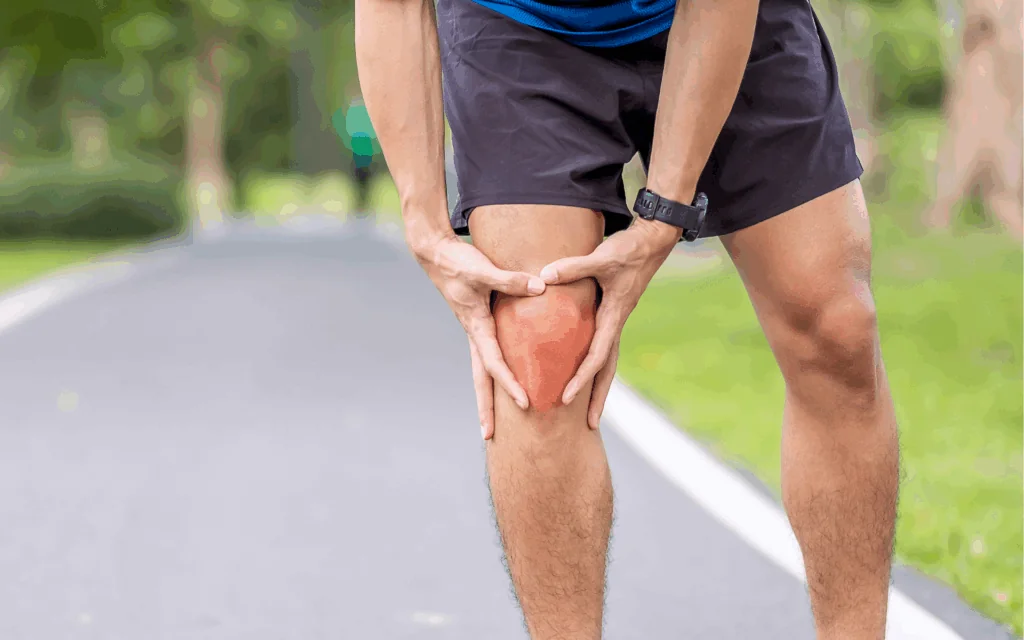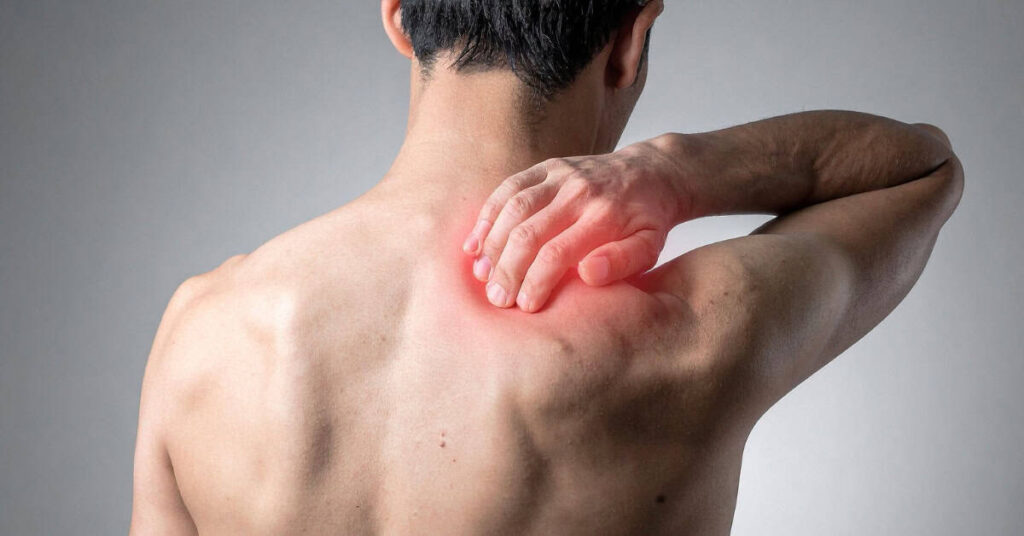
When you experience a sports injury, it's easy to brush it off or self-treat, but seeking professional help can greatly impact your recovery. An accurate diagnosis not only clarifies the extent of your injury but also leads to a tailored treatment plan that accelerates healing. Plus, working with experts can help prevent future injuries and keep your performance at its peak. You might think you're managing just fine on your own, but the benefits of professional guidance might surprise you. What could you gain by taking that next step?
Faster Recovery Time
When you experience a sports injury, seeking help can greatly speed up your recovery time. Whether you're dealing with a sprain, strain, or more serious injury, professional guidance plays a vital role in your healing process. Trained experts can assess your condition, recommend appropriate treatments, and help you avoid setbacks that could prolong your recovery.
By getting the right support, you're more likely to understand the specific nature of your injury and how to address it effectively. Professionals can provide tailored rehabilitation programs that focus on restoring strength and flexibility, which helps you bounce back faster. They can also offer techniques to manage pain and swelling, enabling you to stay comfortable while you heal.
Additionally, having someone to guide you through the recovery process can keep you motivated. When you're unsure about how to proceed, it's easy to become discouraged. However, a coach, therapist, or physician can keep you on track, providing encouragement and adjusting your treatment plan as needed.
Moreover, seeking help often means you'll avoid common pitfalls that come with self-treating injuries. You might be tempted to push through the pain or skip essential recovery steps. But with professional help, you'll be less likely to make these mistakes, ensuring that you're not just recovering faster but also recovering correctly.
Accurate Diagnosis
An accurate diagnosis is essential to effective treatment and recovery from sports injuries. When you get injured, it's easy to assume you know the problem, but self-diagnosis can lead to incorrect conclusions. By seeking professional help, you'll get a thorough evaluation that identifies the specific nature and extent of your injury. This clarity is vital because different injuries require different treatments.
When you consult a healthcare professional, they'll typically use a combination of physical examinations, imaging tests like X-rays or MRIs, and your medical history to pinpoint the issue. This detailed approach not only helps in diagnosing your current condition but can also uncover any underlying problems that might contribute to your pain or discomfort.
Without an accurate diagnosis, you risk pursuing the wrong treatment paths, which can prolong your recovery time and lead to further complications. For example, treating a sprain with rest and ice when you actually have a fracture can worsen your condition and delay healing.
Additionally, an accurate diagnosis allows you to set realistic goals for your recovery. Understanding the specifics of your injury can help you and your healthcare provider develop a tailored treatment plan that suits your lifestyle and athletic activities.
Preventing Future Injuries
Your chances of preventing future injuries remarkably increase when you take proactive steps after recovering from a sports injury. First, focus on strengthening the affected area. Once you've healed, engage in targeted exercises that build muscle around the injury site. This added strength offers better support during physical activity, reducing the risk of re-injury.
Next, pay attention to your flexibility. Incorporate stretching routines into your daily regimen to maintain a full range of motion. Improved flexibility can prevent muscle strains and tears, giving you a solid foundation for any sport you love.
Don't overlook the importance of proper technique in your sport. Whether you're running, swimming, or playing basketball, using the correct form can considerably lower your injury risk. Consider working with a coach or trainer who can provide guidance and feedback on your technique.
Additionally, listen to your body. If you feel pain or discomfort, don't push through it. Ignoring these signals can lead to more serious injuries down the line. Rest and recovery are just as essential as training, so prioritize them in your routine.
Finally, invest in the right gear. Proper footwear and protective equipment can make a world of difference in preventing injuries. Make sure your gear is specific to your sport and fits well.
Tailored Treatment Plans
Recovering from a sports injury is just the beginning; what comes next can greatly influence your long-term health and performance. A tailored treatment plan is essential for your recovery, as it addresses your specific needs and circumstances. Every athlete's injury is unique, and a one-size-fits-all approach often falls short.
When you seek professional help, a healthcare provider will conduct a thorough assessment of your injury, taking into account your medical history, the nature of your sport, and your personal goals. This personalized approach guarantees that the treatment you receive is effective and relevant to your situation. You're not just getting generic advice; you're receiving a plan designed specifically for you.
Your tailored treatment plan may include a combination of physical therapy, strength training, and rehabilitation exercises, all aimed at restoring function and reducing the risk of re-injury. Additionally, your provider might recommend specific modalities like ultrasound or electrical stimulation to expedite healing.
As you progress, your plan can be adjusted based on your recovery and feedback. This flexibility allows you to stay on track and motivated, knowing that every step you take is tailored to your unique journey.
Enhanced Performance
While many focus solely on recovery from a sports injury, seeking professional help can considerably enhance your overall performance on the field or court.
When you work with a specialist, you not only heal faster but also develop skills and techniques that can elevate your game.
Here's how professional assistance can make a difference:
- Targeted Rehabilitation: Professionals create customized rehab programs that address your unique needs, ensuring a stronger recovery and reducing the risk of re-injury.
- Improved Strength and Flexibility: They help you build back strength and flexibility through specialized exercises, giving you an edge over your competitors.
- Mental Resilience: Sports injuries can take a toll on your confidence. Working with a therapist can help you regain your mental edge, allowing you to perform under pressure.
- Technique Refinement: Professionals can analyze your movement patterns and offer suggestions for improvement, helping you become more efficient and effective in your sport.
- Injury Prevention Strategies: By understanding your body mechanics better, you'll learn how to prevent future injuries, keeping you in the game longer and at your best.
Conclusion
To sum up, seeking professional help for sports injuries is essential for your health and performance. With accurate diagnoses and tailored treatment plans, you can expect faster recovery times and a reduced risk of future injuries. Plus, the right support keeps you motivated and focused on your goals. Don't let injuries hold you back—take the steps needed to enhance your performance and enjoy a longer, more fulfilling athletic journey. Your body will thank you!