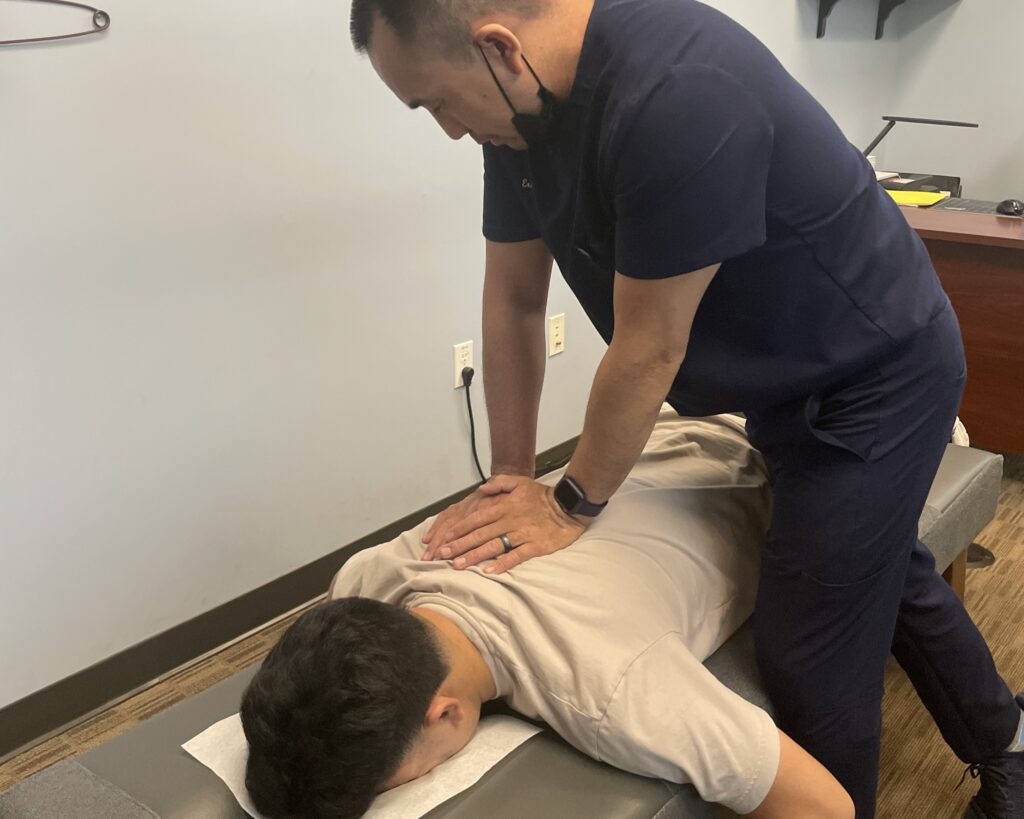
As a local chiropractor, I understand that dealing with lower back pain can be incredibly frustrating and often feels like a never-ending battle. Many of my patients come to me with pain that arises from a variety of factors, including poor posture and muscle strain. What I want to share with you is that there are simple yet effective changes you can incorporate into your daily routine to help alleviate this discomfort.
One of the fundamental approaches we recommend involves stretching and strengthening your core. These exercises can help improve your flexibility and support your spine, making a significant difference in your overall wellbeing. Additionally, utilizing heat therapy can provide soothing relief to tight muscles and enhance blood flow to the affected areas.
But there’s more you can do beyond these initial steps. It’s essential to explore holistic strategies that not only address the immediate pain but also promote long-term healing. As your chiropractor, I am here to guide you through a comprehensive plan that may include spinal adjustments, posture education, and lifestyle modifications tailored to your unique needs.
Let’s work together to uncover effective strategies that will help you find the comfort you deserve and support your journey towards a pain-free life. Your health and wellbeing are my top priority, and I am committed to helping you achieve lasting relief from lower back pain.
Understanding the Causes of Lower Back Pain
As a local chiropractor, I often see many patients who experience lower back pain at some point in their lives. Understanding the root causes of this discomfort is crucial in finding effective relief.
Typically, lower back pain can arise from muscle strains or sprains, often due to overexertion or improper lifting techniques. If you’ve been sitting for extended periods, your back may suffer from poor ergonomics or a lack of movement, which can lead to strain.
It’s also important to consider underlying conditions such as herniated discs or arthritis, which can contribute to your discomfort. Interestingly, stress can manifest physically in the form of tension in your lower back, highlighting the connection between emotional well-being and physical health.
Additionally, lifestyle factors play a significant role. Issues like obesity or a sedentary lifestyle can place extra pressure on your lower back.
By identifying these causes, you can make informed decisions about your daily habits and activities. Addressing these factors not only helps reduce the risk of recurring pain but also allows us to work together on effective relief strategies tailored specifically for your needs.
At our practice, we focus on natural healing methods that support your body’s healing process and promote overall wellness.
Importance of Proper Posture
As a local chiropractor, I want to emphasize the vital role that proper posture plays in not only preventing but also alleviating lower back pain. The alignment of your body during everyday activities—whether sitting, standing, or moving—has a significant influence on the health of your spine.
Poor posture, such as slouching or leaning forward, can place additional strain on your lower back muscles and ligaments, increasing the likelihood of discomfort and pain.
When you sit, it’s important to keep your feet flat on the ground and your back straight against the chair. This simple adjustment can make a world of difference in how your body feels.
If you find yourself standing, try to distribute your weight evenly across both feet while engaging your core muscles to support your spine.
And when it comes to lifting objects, I can’t stress enough the importance of bending at your knees and keeping the load close to your body. This technique helps minimize unnecessary stress on your back and can significantly reduce your risk of injury.
By incorporating these practices into your daily routine, you can support your spine’s health and promote overall well-being.
Stretching Exercises for Relief
As a local chiropractor, I want to share with you how stretching exercises can significantly alleviate lower back pain. These exercises aren’t only beneficial for your overall well-being, but they can also be seamlessly integrated into your daily routine.
Understanding the right techniques is key to maximizing these benefits. I often recommend that my patients incorporate stretching into their routines regularly—ideally every day. Aim for a duration of about 10 to 15 minutes, focusing on gentle stretches that target the lower back and surrounding muscles.
This consistent practice can help improve flexibility, reduce tension, and enhance your overall spinal health. If you’re new to stretching or chiropractic care, don’t hesitate to reach out to discuss the best techniques tailored to your specific needs.
Together, we can work towards a pain-free life!
Benefits of Stretching
As a local chiropractor, I want to share the importance of incorporating stretching into your daily routine, especially if you’re experiencing lower back pain. Many of my patients find significant relief through simple stretching exercises. Stretching not only improves flexibility but also enhances your range of motion and helps reduce stiffness in your muscles and joints.
When your muscles are more flexible, they can function more efficiently, which reduces the strain on your back during everyday activities. This is crucial for maintaining a healthy spine and preventing discomfort. Additionally, stretching promotes better blood circulation, ensuring that your muscles receive the essential nutrients they need for recovery and healing.
I often see how muscle tension can contribute to pain and discomfort. Regular stretching can help alleviate this tension, which can lead to a more comfortable and pain-free life. By prioritizing stretching in your routine, you can’t only relieve current pain but also protect yourself from potential future issues.
Recommended Stretching Techniques
As a local chiropractor, I want to share with you some effective stretching techniques that can greatly alleviate lower back pain. Many of my patients have found relief by incorporating these simple yet powerful stretches into their daily routines.
Let’s start with the cat-cow stretch. This movement is fantastic for enhancing the flexibility of your spine, which is crucial for maintaining a healthy back.
Next, the child’s pose is a gentle stretch that targets both your lower back and hips, providing a soothing release.
Another beneficial stretch is the seated forward bend. This one allows you to stretch your hamstrings while simultaneously easing tension in your lower back—two birds with one stone!
The knee-to-chest stretch is also particularly effective; it works wonders in releasing tightness in your lower back.
Lastly, don’t overlook the piriformis stretch. This stretch specifically targets a muscle that can contribute to back pain and discomfort.
As you perform these stretches, remember to breathe deeply and hold each position for about 15-30 seconds.
By consistently practicing these stretches, you may not only alleviate discomfort but also improve your overall mobility.
If you’re new to chiropractic care or natural healing, incorporating these techniques can be a great step towards a healthier, pain-free back.
Frequency and Duration
As a local chiropractor, I want to share the importance of incorporating stretching exercises into your routine for effective lower back pain relief.
It’s essential to practice these stretches consistently to see the best results. I recommend aiming to stretch at least three to four times a week; however, daily sessions can significantly enhance your progress.
Each stretch should be held for about 15 to 30 seconds. This duration allows your muscles to relax and lengthen properly. It’s important not to rush through the process.
Always listen to your body and avoid any movements that cause sharp pain. Instead, focus on holding each stretch until you feel a gentle pull, which indicates that it’s effective.
Consistency is crucial in this journey. To help you remember, consider setting a reminder or integrating stretching into your daily activities.
With time and dedication, you’ll likely experience improved flexibility and reduced discomfort in your lower back, contributing to your overall well-being.
Strengthening Your Core
As a local chiropractor, I want to share the importance of strengthening your core when it comes to managing lower back pain. A well-developed core is vital for providing stability and support to your spine.
Not only does a strong core help safeguard your spine from injury, but it also enhances your overall posture and movement efficiency.
In my practice, I often emphasize that incorporating effective core exercises can significantly aid in your pain relief journey. These exercises not only help in alleviating discomfort but also promote a healthier, more balanced body.
Let’s take a closer look at some of these exercises that can make a real difference in your everyday life and contribute to your overall well-being.
Importance of Core Stability
As a local chiropractor, I want to take a moment to emphasize the often-overlooked importance of core stability in maintaining a healthy spine and alleviating lower back pain. Many individuals may not realize that a strong and stable core plays a crucial role in supporting your spine and pelvis. This support significantly reduces the strain on your lower back during everyday activities.
When your core is weak, it can lead to poor posture and misalignment, which often results in discomfort and pain. By prioritizing core stability, you’re not just working on building strength; you’re also enhancing your balance and coordination. This improvement helps you maintain proper body mechanics while lifting, bending, or even sitting for extended periods.
In my practice, I often see how strengthening the core can lead to a healthier back and a more active lifestyle. By focusing on core stability, you’re empowering yourself to engage in the activities you love without being held back by nagging pain.
Embracing this knowledge can be a significant step toward natural healing and overall wellness.
Effective Core Exercises
As a local chiropractor, I want to emphasize the critical role of core stability in maintaining a healthy spine and overall well-being. Strengthening your core isn’t only essential for supporting your back but also for enhancing your movement and stability in daily activities.
I’d like to introduce you to some effective core exercises that can be easily incorporated into your routine to help you achieve a stronger midsection:
- Planks: This exercise engages your entire core, promoting strength and stability. By holding your body in a straight line, you’re reinforcing the muscles that support your spine.
- Bird-Dogs: This exercise involves balancing on all fours while extending opposite arms and legs. It’s excellent for improving coordination and stability, which are vital for proper body mechanics and injury prevention.
- Dead Bugs: Lying on your back, you’ll alternate extending your arms and legs. This movement fosters core control and strength, helping you maintain a stable foundation for all physical activities.
Incorporating these exercises into your routine can greatly benefit your spine health and contribute to a more balanced and functional body.
Utilizing Heat and Cold Therapy
As a local chiropractor dedicated to helping you find relief from lower back pain, I want to share the benefits of utilizing heat and cold therapy. These methods can be powerful allies in your journey toward comfort, especially when you’re seeking quick relief from discomfort.
Heat therapy is fantastic for relaxing tight muscles and boosting blood circulation, which can help alleviate tension and pain. You might consider using a heating pad, a warm towel, or indulging in a warm bath for approximately 15-20 minutes.
Just remember to always protect your skin by using a barrier to avoid overheating.
On the flip side, cold therapy works wonders for numbing sharp pain and reducing inflammation. Applying ice packs or even a bag of frozen vegetables wrapped in a cloth can provide soothing relief when used for 15-20 minutes at a time.
It’s especially effective within the first 48 hours following an injury.
Always pay attention to your body’s signals—if something feels off, it’s important to stop using either heat or cold.
In many cases, combining both therapies can yield the best results for managing your lower back pain. I’m here to guide you through these techniques and help you find the natural healing methods that work best for you.
Exploring Physical Therapy Options
When it comes to alleviating lower back pain, considering chiropractic care can be a transformative experience.
As a local chiropractor, I aim to educate my patients on the benefits of understanding the underlying causes of their discomfort and embracing natural healing methods.
Here are some essential advantages of chiropractic care:
- Customized Care Plans: I’ll evaluate your unique situation and develop a care plan specifically tailored to your needs, ensuring a focused approach to your healing journey.
- Spinal Adjustments: Through precise adjustments, I can help restore proper alignment to your spine, which can alleviate pain and improve your overall function.
- Education on Posture and Movement: By learning about proper posture and body mechanics, you can reduce your risk of injury and strain during daily activities, leading to lasting relief and improved quality of life.
Chiropractic care not only addresses immediate pain but also promotes long-term wellness, empowering you to take charge of your health naturally.
Incorporating Mindfulness and Relaxation Techniques
As a local chiropractor, I want to share how incorporating mindfulness and relaxation techniques into your daily routine can greatly enhance your approach to managing lower back pain. Many of my patients find that practicing mindfulness allows them to stay present and observe their pain without judgment. This increased awareness can lead to a reduction in stress and tension throughout the body, which often contributes to discomfort.
One effective method is deep breathing exercises or guided meditations. By focusing on your breath and letting go of negative thoughts, even just a few minutes each day can make a significant difference in how you feel.
Additionally, gentle yoga or stretching can be incredibly beneficial. These practices promote relaxation and improve flexibility, which can reduce strain on your back and support overall spinal health.
Another technique to consider is progressive muscle relaxation. This involves systematically tensing and then relaxing different muscle groups, which can help alleviate tension and promote a sense of calm.
Making Lifestyle Changes for Long-Term Relief
As your local chiropractor, I want to share some valuable insights on how making lifestyle changes can lead to long-term relief from lower back pain. Many of my patients are often surprised to learn that simple adjustments in their daily habits can significantly enhance their overall well-being.
By embracing healthier practices, you can’t only strengthen your back but also prevent future discomfort. Here are some essential changes I encourage you to consider:
- Engage in regular exercise: Participating in low-impact activities such as walking, swimming, or even gentle yoga can greatly improve your flexibility and strengthen the core muscles that support your spine.
- Maintain a healthy weight: Carrying excess weight can place unnecessary strain on your lower back. By focusing on a balanced diet rich in nutrients, you can alleviate this burden and improve your spinal health.
- Practice good posture: Being aware of your posture while sitting, standing, or lifting is crucial. Proper alignment can prevent additional strain on your back and reduce the risk of injury.
Remember, these lifestyle changes may require time and commitment, but with perseverance, you can achieve lasting relief and enjoy a healthier, more active life.
As your chiropractor, I’m here to support you on this journey toward natural healing and optimal wellness.
When to Seek Professional Help
As a local chiropractor, I want to help you understand when it might be the right time to seek professional assistance for your lower back pain. If your discomfort has persisted for more than a few weeks or has worsened despite trying home remedies, it’s wise to consult with a healthcare provider, like myself.
You should definitely reach out if you’re experiencing numbness, tingling, or weakness in your legs, as these symptoms could suggest nerve involvement. Additionally, if your pain comes with unexplained weight loss, fever, or issues with bowel and bladder control, it’s important to seek professional care immediately.
Listening to your body is crucial. If you’re having difficulty with everyday tasks or if your pain is affecting your sleep, a thorough assessment from a chiropractor can offer valuable insight.
Early intervention is key; it can help prevent further complications and enable you to return to your daily activities more quickly. Remember, you don’t have to manage your pain alone—there are natural healing options available to support your journey to recovery!
Conclusion
As your local chiropractor, I want to share some valuable techniques that can significantly alleviate your lower back pain and enhance your overall well-being. Understanding the root causes of your discomfort is crucial, and I encourage you to adopt good posture habits in your daily life. Engaging in specific stretching and strengthening exercises can also play a vital role in supporting your back health.
Don’t underestimate the power of heat and cold therapy; these simple methods can provide immediate relief and reduce inflammation. Additionally, incorporating mindfulness practices can help you manage pain and stress more effectively.
Remember, even small lifestyle changes can lead to substantial improvements in your comfort and functionality. If you find that your pain persists despite these efforts, I urge you to seek professional help. Together, we can create a tailored approach to support your healing journey through chiropractic care and natural healing methods. Your path to a healthier back starts here!