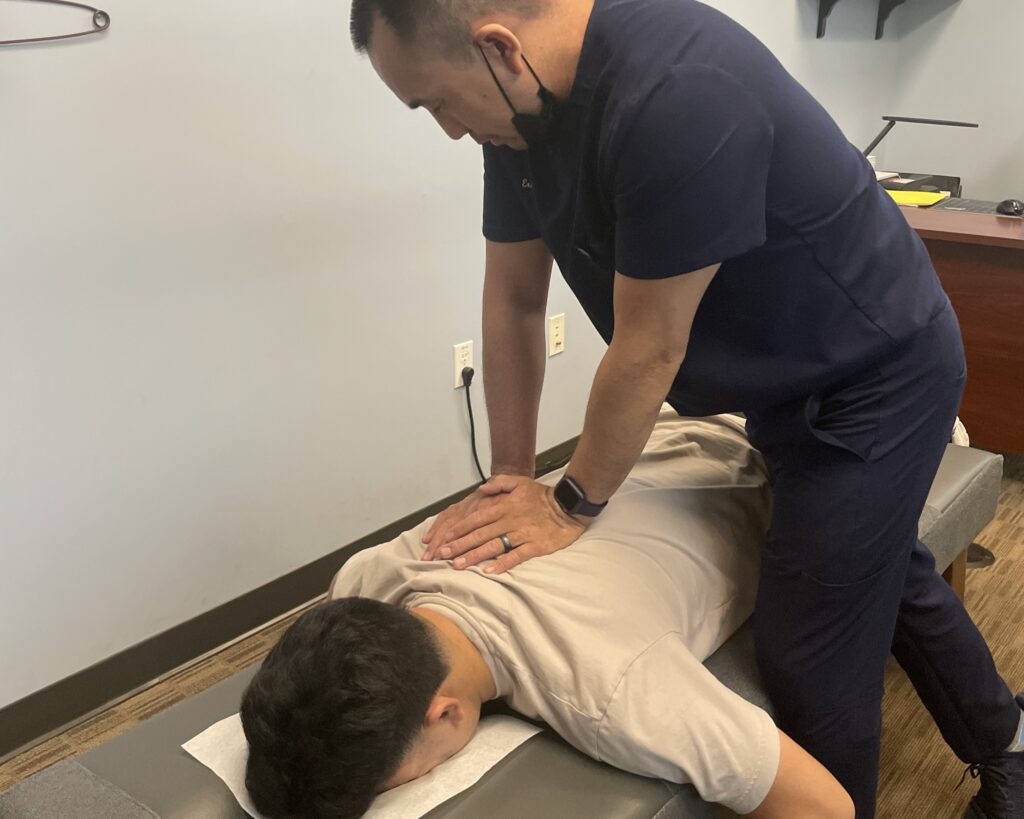
Headaches can be a real nuisance, affecting your daily life and productivity. As a chiropractor, I want to help you understand how to find relief and take control of your well-being. One of the first steps is to identify the triggers for your headaches, which can often stem from spinal misalignments or tension in your neck and shoulders.
Incorporating simple lifestyle changes can significantly improve your condition. Staying hydrated and maintaining a regular sleep schedule are essential, but there are additional strategies that can help. Regular chiropractic adjustments can address underlying spinal issues that may be contributing to your headaches, ensuring your body functions optimally.
Moreover, consider integrating relaxation techniques, such as yoga or deep breathing exercises, into your routine. These methods not only reduce stress but also promote better spinal health. Remember to also pay attention to your posture, especially if you spend long hours at a desk. Proper alignment can prevent tension and discomfort that lead to headaches.
By prioritizing chiropractic care and making these small adjustments in your daily life, you can find natural relief from headaches and enhance your overall wellness. Embrace these tips, and take the first step towards a healthier, headache-free life!
Key Takeaways
- Stay hydrated by drinking at least eight glasses of water daily; hydration is crucial for overall health and can help reduce headaches linked to dehydration.
- Prioritize a consistent sleep routine, aiming for seven to nine hours of restful sleep each night. A well-rested body is less likely to experience tension and discomfort.
- Incorporate regular physical activity into your routine, as exercise can help alleviate stress and tension – common culprits of headaches. Simple activities like walking or yoga can be beneficial.
- Keep track of your personal headache triggers with a headache diary. By identifying patterns, you can better avoid situations that may lead to discomfort.
- Explore natural remedies such as applying a cold compress to your forehead, practicing gentle stretching, or using calming essential oils. These methods can provide immediate relief and support your overall wellness.
- Consider visiting your local chiropractor for a comprehensive assessment. Chiropractic care focuses on spinal health and can help alleviate headache pain by addressing underlying issues related to alignment and tension in the body. Regular adjustments may lead to better overall health and reduced headache frequency.
Identify Your Headache Triggers
Have you ever wondered what might be causing your headaches? Identifying your headache triggers is an essential first step in finding relief and enhancing your overall well-being. One effective method is to keep a headache diary. In this diary, note the days you experience pain along with any potential triggers, such as stress, specific foods, or changes in your sleep patterns. By tracking this information, you may start to see patterns that can help you understand the root causes of your discomfort.
Common triggers for headaches can include bright lights, loud noises, or strong smells. Additionally, if you’ve recently made changes to your diet or daily routine, those shifts could be influencing your headaches. It’s also important to pay attention to your surroundings; even fluctuations in weather can affect how you feel.
Once you’ve identified your triggers, you can take proactive steps to avoid or manage them. This is where chiropractic care can be particularly beneficial. Chiropractic adjustments can help alleviate tension in the spine and surrounding muscles, which may be contributing to your headaches. By focusing on spinal health and alignment, you can enhance your body’s natural ability to heal and reduce the frequency and intensity of headaches.
Incorporating a few simple lifestyle tips can also make a difference. Stay hydrated, maintain a balanced diet rich in whole foods, and practice stress-reducing activities like yoga or meditation.
Regular chiropractic visits can support your journey toward optimal health, helping you manage headaches naturally and improve your overall quality of life. Remember, understanding your body is key to effective headache management, and chiropractic care can be a vital part of that process.
Stay Hydrated
Staying hydrated is vital for your overall health and can play a significant role in preventing headaches. As a chiropractor, I often see how even mild dehydration can lead to discomfort, including tension and pain in the neck and head.
Remember, your body loses water throughout the day, and if you don’t replenish those fluids, you could be setting yourself up for a headache. Aim to drink at least eight glasses of water daily, adjusting for your activity level and the climate you live in.
Keeping a water bottle with you can be a simple reminder to sip throughout the day. If plain water doesn’t excite you, consider herbal teas or adding a slice of lemon for a refreshing twist. Just be cautious with caffeinated drinks, as they can contribute to dehydration.
Incorporating water-rich foods like fruits and vegetables into your meals can also help boost your hydration. This isn’t only beneficial for preventing headaches but also for supporting your spinal health and overall wellness.
Hydration plays a key role in maintaining the elasticity of spinal discs and the health of your joints. By staying properly hydrated, you can reduce your chances of experiencing headaches and improve your overall well-being.
Maintain a Regular Sleep Schedule
To help manage headaches effectively, maintaining a regular sleep schedule is crucial. As a chiropractor, I understand the importance of good sleep hygiene for your overall well-being. By sticking to a consistent sleep routine, you can promote better spinal health and reduce the frequency of headaches.
Here are some simple tips to improve your sleep quality and support your natural healing process:
- Consistent Sleep Routine: Go to bed and wake up at the same time every day, even on weekends. This helps regulate your body’s internal clock, leading to more restorative sleep.
- Create a Relaxing Sleep Environment: Your bedroom should be a sanctuary for rest. Keep it dark, quiet, and cool. Consider using blackout curtains and earplugs if necessary.
- Limit Screen Time Before Bed: The blue light emitted by phones and computers can interfere with your sleep. Try to avoid screens at least an hour before bedtime.
- Practice Relaxation Techniques: Engage in calming activities before bed, such as reading, gentle stretching, or deep breathing exercises. These can help ease tension in your body and prepare you for a good night’s sleep.
- Consider Napping Wisely: If you find yourself needing a nap during the day, limit it to 20-30 minutes. This can help recharge your energy without interfering with your nighttime sleep.
By incorporating these habits into your daily routine, you can enhance your sleep quality and potentially alleviate headaches.
Sleep Hygiene Practices
Maintaining a regular sleep schedule is crucial not only for your overall health but also for effective headache relief. As a chiropractor, I want to emphasize how important it’s for your body’s internal clock to be in sync. Aim for seven to nine hours of quality sleep each night to support your body’s natural healing processes.
Creating a calming bedtime routine can signal to your body that it’s time to wind down and prepare for restorative sleep. To help with this, try limiting your screen time at least an hour before bedtime, as the blue light from screens can interfere with your sleep. Additionally, avoid caffeine and heavy meals in the evening, as these can disrupt your ability to fall asleep.
Make sure your sleep environment is conducive to rest—keep it cool, dark, and quiet. If you find yourself tossing and turning, don’t hesitate to get out of bed and engage in something calming until you feel sleepy again. This can prevent anxiety about not being able to sleep, which can often worsen headaches.
Practicing good sleep hygiene can significantly reduce the frequency and intensity of headaches. Remember, your spinal health plays a vital role in your overall well-being, and regular chiropractic care can help ensure your spine is aligned and functioning optimally, which supports better sleep and headache relief.
Prioritize your sleep and consider how chiropractic care can enhance your journey to natural health and wellness.
Consistent Sleep Routine
Establishing a consistent sleep routine is key to enhancing your overall well-being and can significantly aid in reducing headaches. By going to bed and waking up at the same time each day, you help stabilize your body’s internal clock, which promotes better sleep quality. Aim for seven to nine hours of restorative sleep each night; this allows your brain to recharge and can minimize triggers for headaches.
Incorporating a calming pre-sleep ritual, such as light stretching, reading, or meditating, can signal to your body that it’s time to wind down and prepare for rest.
It’s also essential to steer clear of screens, caffeine, and heavy meals close to bedtime, as these can disrupt your sleep patterns.
By prioritizing a regular sleep schedule, you’re not only enhancing your rest but also taking an important step toward managing and preventing headaches naturally.
Remember, chiropractic care can also play a crucial role in promoting better sleep by addressing spinal alignment and reducing tension.
Napping Strategies
Maintaining a regular sleep schedule is essential for overall health, and incorporating effective napping strategies can enhance your well-being, especially when it comes to managing headaches.
As a chiropractor, I believe that natural approaches to wellness, like napping, can complement your journey to optimal health. Here are some helpful tips for making the most out of your naps:
- Keep naps short: Aim for 20-30 minutes to avoid grogginess, which is often referred to as sleep inertia. This duration helps refresh your mind without interfering with your regular nighttime sleep.
- Nap during the early afternoon: This is when most people experience a natural energy dip, making it the perfect time to recharge your batteries.
- Create a cozy environment: Make sure your napping space is comfortable and free from distractions. A quiet, dimly lit room can enhance relaxation and help you drift off more easily.
- Set an alarm: To ensure you don’t oversleep, set an alarm. This will help prevent any disruptions to your nighttime sleep schedule, allowing you to wake up feeling refreshed.
- Listen to your body: Pay attention to how you feel. If you’re experiencing fatigue, a short nap can provide the relief you need, especially if you’re dealing with tension from headaches.
Incorporating these napping strategies can’t only help alleviate headaches but also promote overall wellness.
Remember, balancing rest with activity is crucial, so while napping can be beneficial, it’s important not to overdo it.
For optimal health and pain relief, consider chiropractic care as a natural and effective solution. Regular chiropractic adjustments can help reduce headache frequency and intensity by addressing underlying spinal issues, ultimately leading to a healthier, more vibrant life.
Practice Relaxation Techniques
When headaches strike, incorporating relaxation techniques alongside chiropractic care can make a significant difference in your overall well-being. Techniques such as deep breathing exercises, guided imagery sessions, and progressive muscle relaxation not only help calm your mind and body but can also complement the benefits of spinal adjustments.
Chiropractic care focuses on aligning your spine and ensuring that your nervous system functions optimally, which can reduce the frequency and intensity of headaches. By integrating relaxation methods, you can enhance the healing process and find greater relief from discomfort.
Here are some simple techniques you can try at home:
- Deep Breathing Exercises: Take a few minutes each day to sit comfortably, close your eyes, and take slow, deep breaths. Inhale through your nose for a count of four, hold for four, and exhale through your mouth for a count of six. This can help reduce tension and improve oxygen flow to your brain.
- Guided Imagery: Visualize a peaceful scene, such as a beach or a forest, while lying or sitting comfortably. Imagine all the details, from the sounds to the scents. This mental escape can help alleviate stress and tension that contribute to headaches.
- Progressive Muscle Relaxation: Start from your toes and work your way up to your head, tensing and then relaxing each muscle group. This technique helps release physical tension and promotes relaxation throughout your body.
Remember, chiropractic adjustments can play a crucial role in managing headaches by addressing spinal misalignments that may be contributing to your discomfort.
Deep Breathing Exercises
Headaches can be quite bothersome, but there are natural ways to find relief that align beautifully with chiropractic care. One effective method is practicing deep breathing exercises. By concentrating on your breath, you can help ease tension in your body and promote relaxation, which is essential for overall health and wellness.
Here are some simple techniques to incorporate deep breathing into your daily routine:
- Choose a peaceful spot: Find a quiet area where you can focus without interruptions, allowing your mind and body to relax.
- Breathe in deeply: Inhale through your nose for a count of four, ensuring that you fill your lungs completely. This helps increase oxygen flow to your body.
- Pause for a moment: Hold your breath for a count of four. This brief pause allows the oxygen to circulate effectively throughout your body.
- Exhale gently: Release your breath through your mouth for a count of six. This slow exhalation helps in releasing tension and stress.
- Continue the cycle: Repeat this process for several minutes. Doing so can enhance relaxation and contribute to overall well-being.
Integrating these deep breathing exercises into your daily life can’t only help alleviate headache symptoms but also complement the benefits of chiropractic care.
Remember, caring for your spine and overall health is key to living a pain-free life. Regular chiropractic adjustments can help maintain proper alignment, reduce tension, and improve your body’s ability to heal naturally.
Prioritizing these practices can lead to a healthier, more balanced lifestyle.
Guided Imagery Sessions
Incorporating deep breathing exercises into your daily routine can be a fantastic step towards better health and wellness. To take your relaxation practice even further, consider adding guided imagery sessions. This technique allows you to visualize calming scenes or experiences, creating a mental escape from everyday stressors.
To get started, find a quiet space where you feel comfortable. Close your eyes and picture a serene beach, a peaceful forest, or any setting that brings you joy. Engage all your senses—imagine the gentle sound of waves lapping at the shore or the fresh scent of pine trees. Immerse yourself in this imagery for about 10-15 minutes.
You may begin to notice a reduction in tension throughout your body, which is essential for maintaining spinal health and overall wellness. Regular practice of guided imagery can’t only help in managing stress but may also be a great complement to chiropractic care.
By addressing both your mental and physical well-being, you can enhance your body’s natural healing processes. Remember, chiropractic care focuses on the alignment of the spine and nervous system, which plays a crucial role in how your body responds to stress and pain.
Combining chiropractic adjustments with relaxation techniques like guided imagery can lead to optimal health and a more balanced lifestyle. Make it a point to practice these techniques regularly, and you might find it easier to cope with life’s challenges while promoting your natural healing.
Progressive Muscle Relaxation
As you explore different relaxation techniques, Progressive Muscle Relaxation (PMR) stands out as a fantastic method for reducing tension and enhancing your overall well-being. This technique, which involves systematically tensing and relaxing muscle groups, not only helps you become more aware of physical sensations but also promotes deep relaxation—a key part of maintaining optimal health.
Here’s how to practice PMR effectively, and how it complements chiropractic care for a healthier lifestyle:
- Find a Quiet, Comfortable Space: Choose a place where you can sit or lie down without distractions. This sets the stage for relaxation and aligns with the calming approach of chiropractic care.
- Start with Your Feet: Tense the muscles in your feet for 5 seconds, then release. This initial step helps ground you and connects your mind to your body, much like the adjustments you receive in chiropractic treatments.
- Gradually Work Your Way Up: Move through your body, focusing on different areas—legs, abdomen, arms, and face. This mindful practice can enhance your body awareness, which is crucial for understanding your spinal health.
- Focus on the Contrast: Pay attention to the difference between tension and relaxation in each muscle group. This awareness can help you identify areas of stress that may benefit from chiropractic adjustments, promoting a more balanced body.
- Finish with Deep Breaths: Conclude your session by taking deep, calming breaths. This not only enhances relaxation but also supports the alignment and function of your spine.
Incorporating PMR into your routine can be a wonderful complement to your chiropractic care. It encourages relaxation, reduces muscle tension, and fosters a greater sense of well-being.
Use Over-the-Counter Medications Wisely
When you’re dealing with a headache, it’s essential to explore natural ways to find relief, and chiropractic care can play a significant role in your wellness journey. Instead of immediately reaching for over-the-counter medications, consider how spinal health might be influencing your headaches. Misalignments in the spine can lead to tension and discomfort, which may manifest as headaches.
If you’re experiencing headaches, it’s a good idea to assess your overall posture and daily habits. Poor posture, especially from sitting at a desk for long periods, can lead to tension headaches. Regular chiropractic adjustments can help realign your spine, relieve tension, and promote better overall health.
Additionally, identifying the type of headache you experience—whether it’s tension, migraine, or something else—can guide you in finding the right approach. Keeping a headache diary can be beneficial; jot down when your headaches occur and notice any patterns related to your posture, stress levels, or daily activities.
Incorporating regular chiropractic visits into your wellness routine not only helps with headaches but also supports your body’s natural healing processes. Alongside chiropractic care, consider simple lifestyle changes like staying hydrated, practicing good ergonomics, and managing stress through relaxation techniques.
Explore Alternative Therapies
When it comes to finding relief from headaches, it’s important to explore all available options, and I want to emphasize that chiropractic care stands out as one of the most effective choices for natural wellness.
Unlike traditional medicine, which often relies on medications to mask symptoms, chiropractic focuses on addressing the underlying issues that contribute to headaches. By optimizing spinal alignment and improving overall body function, chiropractic can help you achieve lasting relief.
Here are some options and tips for headache relief that highlight the importance of chiropractic care:
- Chiropractic Adjustments: Regular visits to a chiropractor can help align your spine, reducing tension and improving nerve function, which may significantly decrease the frequency and intensity of headaches.
- Posture Awareness: Being mindful of your posture, especially if you spend long hours sitting at a desk, can prevent tension headaches. Make sure your work station is ergonomically set up to support your spine.
- Neck Stretches: Incorporating gentle neck stretches into your daily routine can alleviate tightness and prevent headaches. Simple movements, like tilting your head side to side or rolling your shoulders, can work wonders.
- Stay Hydrated: Dehydration can often trigger headaches, so be sure to drink plenty of water throughout the day. Keeping hydrated supports overall health and can help reduce headache occurrences.
- Stress Management: Engaging in stress-reducing activities, such as yoga or deep breathing exercises, can complement your chiropractic care and enhance your overall well-being.
- Lifestyle Adjustments: Maintaining a balanced diet, regular exercise, and adequate sleep can contribute significantly to headache prevention. A healthy lifestyle supports spinal health and overall body function.
Always consult with a chiropractor to determine the best course of action for your individual needs.
By considering chiropractic care and adopting these simple tips, you can pave the way for a healthier, headache-free life.
Keep a Headache Diary
Keep a Headache Diary for Better Health
As a chiropractor dedicated to helping you achieve optimal health and wellness, I encourage you to keep a headache diary. This simple yet effective tool can help you understand your headache patterns and identify potential triggers, allowing you to manage your symptoms naturally. By tracking when your headaches occur, their intensity, and other factors, you can gain valuable insights into your health.
Here’s a straightforward format to help you get started:
| Date | Symptoms | Possible Triggers |
|---|---|---|
| 2023-10-01 | Throbbing pain | Skipped meals |
| 2023-10-02 | Mild discomfort | Stressful day |
| 2023-10-03 | Sharp pain | Bright lights |
In addition to the symptoms and triggers, be sure to note the time of day your headaches occur, how long they last, and any natural remedies or chiropractic treatments you may have tried. Keeping this diary consistently can be incredibly beneficial. Try to update it daily to help you identify any patterns.
Over time, you’ll start to notice trends that can help you communicate more effectively with your chiropractor. This information is vital for developing a personalized plan that focuses on natural healing methods, such as spinal adjustments and lifestyle modifications.
Remember, chiropractic care is designed to address the root cause of your headaches rather than just masking the symptoms. By focusing on spinal health and overall wellness, you can work towards achieving long-lasting relief and improved quality of life.
Limit Caffeine and Alcohol Intake
Limiting your caffeine and alcohol intake can significantly improve your overall wellness and may reduce the frequency and intensity of headaches. Both caffeine and alcohol can act as triggers for headaches or exacerbate existing pain. By being mindful of what you consume, you can take a step towards better health and potentially enhance the benefits of chiropractic care.
Here are some helpful tips to manage your intake:
- Cut down on caffeine slowly to prevent withdrawal headaches. A gradual decrease can help your body adjust without causing additional discomfort.
- Opt for low-caffeine options, such as herbal teas or decaffeinated coffee. These alternatives can still provide a comforting ritual without the headache-inducing effects.
- Keep an eye on your alcohol consumption; moderation is key. This not only supports headache management but also complements the natural healing benefits of chiropractic care.
- Stay hydrated by drinking plenty of water, especially if you choose to consume alcohol. Proper hydration is essential for maintaining overall health and can help reduce headache triggers.
- Be mindful of hidden caffeine sources found in sodas, energy drinks, and even chocolate. Awareness of these can help you make informed choices to support your wellness journey.
Remember, chiropractic care focuses on promoting natural healing and optimal health. By managing your caffeine and alcohol intake, you can enhance the effectiveness of your chiropractic treatments and contribute to a healthier lifestyle.
If you’re experiencing headaches, consider discussing these habits with your chiropractor to tailor a holistic approach that works best for you.
Consult a Healthcare Professional
Managing your caffeine and alcohol intake is a great first step toward headache relief, but sometimes it’s beneficial to look for additional support. If your headaches persist or seem to get worse, consider consulting a local chiropractor. Chiropractic care focuses on natural healing and can help identify any underlying issues related to spinal alignment or tension that may be contributing to your headaches.
Here’s a quick overview of signs that it’s time to seek chiropractic care:
| When to Consult | Possible Indicators |
|---|---|
| Frequent Headaches | More than 2 times a week |
| Severe Pain | Pain that disrupts your daily activities |
| New Symptoms | Changes in headache patterns |
| Muscle Tension | Tightness in neck or shoulders |
| Posture Issues | Slouching or discomfort while sitting |
Chiropractors can provide tailored adjustments and recommendations to help improve spinal health and relieve tension. They may also offer tips on posture, ergonomics, and lifestyle adjustments that promote overall wellness.
Don’t hesitate to reach out for help; sometimes a simple adjustment can lead to lasting relief and enhance your quality of life. Embracing chiropractic care can be a fantastic way to support your body’s natural ability to heal and thrive!
Conclusion
Identifying your headache triggers and ensuring you stay well-hydrated are important steps towards finding relief. However, for a more comprehensive approach to managing headaches, consider the benefits of chiropractic care. Regular chiropractic adjustments can help align your spine, which may alleviate tension and reduce headache frequency.
Maintaining a consistent sleep schedule and incorporating relaxation techniques into your daily routine can also enhance your overall wellbeing. Chiropractic care often includes advice on posture and ergonomics, which can further support a healthy lifestyle.
Instead of relying on over-the-counter medications, explore how chiropractic adjustments can provide natural pain relief. Keeping a headache diary can be a useful tool to identify patterns, and your chiropractor can work with you to develop a personalized plan that addresses your specific needs.
Additionally, limiting caffeine and alcohol can be beneficial in preventing flare-ups. If your headaches persist, don’t hesitate to reach out to a chiropractor who can offer personalized guidance and support. Remember, chiropractic care is a holistic approach that focuses on natural healing and optimal health.