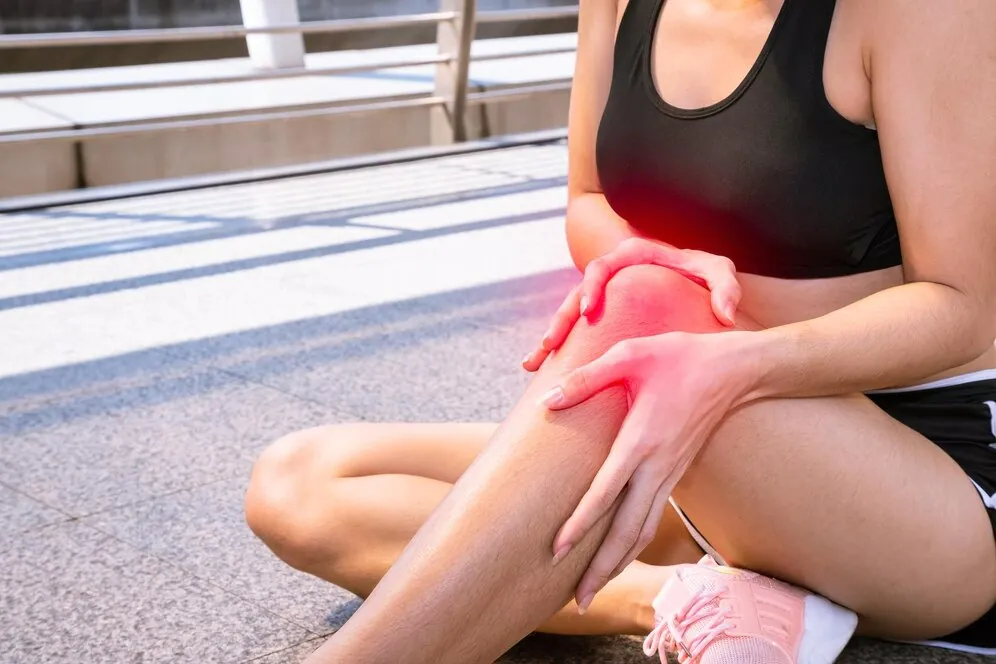
When you suffer a sports injury, knowing the best treatments for relief can make all the difference in your recovery. You might start with rest and ice therapy to manage pain, but that's just the beginning. Compression techniques can support healing, while physical therapy offers a tailored approach to regain strength. And don't overlook alternative treatments that can enhance your recovery process. Curious about how each of these methods can work together for ideal results?
Rest and Recovery
Resting and recovering are essential steps in the healing process after a sports injury. When you push through pain, you risk prolonging your recovery and possibly making the injury worse. It's vital to listen to your body and recognize when it's time to take a break. If you don't allow your body to heal, you might face long-term consequences that could sideline you for even longer.
During the initial recovery period, focus on resting the injured area. This means avoiding activities that cause pain or discomfort. You might feel tempted to jump back into your routine, but patience is key. Instead, use this time to engage in mental recovery strategies, like visualization and goal-setting, which can boost your motivation for when you're ready to return.
Consider modifying your daily routine to include periods of rest. Prioritize sleep, as it's during this time that your body repairs itself. You could also explore gentle, low-impact activities that don't exacerbate your injury. Activities like stretching or light walking can maintain your fitness without straining your body.
Moreover, keep in mind that recovery isn't just physical. Emotional support can play a significant role in your healing process. Surround yourself with friends and family who can encourage you during this time.
Ice Therapy
After taking the time to rest and recover, incorporating ice therapy can greatly aid in the healing process. Applying ice can reduce inflammation, numb pain, and constrict blood vessels, which helps limit swelling in injured areas.
Whether you're dealing with a sprain, strain, or any sports-related injury, ice therapy is a simple yet effective method to kick-start your recovery.
To use ice therapy effectively, wrap ice or a cold pack in a thin towel to protect your skin. Direct application can lead to frostbite, so always take this precaution. Apply the ice to the affected area for about 15 to 20 minutes every hour, especially during the first 48 hours after the injury. This consistent application helps manage pain and minimizes swelling.
You can also try other forms of ice therapy, such as ice baths or ice massage. Ice baths involve immersing the affected limb in cold water, which can be beneficial for larger areas. Ice massage, on the other hand, involves moving a frozen cup of water in circular motions over the injury. Both methods can enhance circulation and promote healing.
Remember to listen to your body. If the cold becomes unbearable or if you notice adverse effects, it's best to remove the ice.
Ice therapy is a valuable tool in your recovery arsenal, so don't underestimate its power. By integrating it into your routine, you'll be on the road to recovery faster and back to your favorite activities sooner.
Compression Techniques
Compression techniques are often essential in managing sports injuries, as they help reduce swelling and provide support to the affected area.
By applying pressure, these methods can promote better blood circulation, which aids in the healing process. Whether you're dealing with a sprain, strain, or another type of injury, incorporating compression into your treatment plan can make a significant difference in your recovery.
Here are three common compression techniques you can use:
- Elastic Bandages: These are versatile and easy to apply. Wrap the bandage around the injured area, ensuring it's snug but not too tight. Start from the farthest point away from the heart and work your way up. This method helps minimize swelling.
- Compression Sleeves: These are designed to fit snugly around specific joints or muscles. They offer consistent pressure and are often made from breathable materials, making them comfortable for extended wear. You can wear them during activities or while resting.
- Cold Compression Packs: Combining cold therapy with compression, these packs can be incredibly effective. They reduce swelling while simultaneously numbing pain. Simply apply the pack to the injured area for 15-20 minutes at a time.
Incorporating these compression techniques into your recovery routine can enhance healing, reduce pain, and get you back on your feet faster.
Always remember to listen to your body and consult a healthcare professional if you have any concerns about your injury.
Physical Therapy
Physical therapy plays an important role in your recovery from sports injuries, helping you regain strength, flexibility, and function. When you experience a sports injury, your first step should be to consult a physical therapist who specializes in rehabilitation. They'll assess your condition, identify the specific areas that need attention, and create a personalized treatment plan tailored to your needs.
In physical therapy, you'll engage in a variety of exercises designed to improve your range of motion and strength. These exercises often focus on the affected area, but they may also include exercises for other parts of your body to guarantee overall balance and stability.
As you progress, your therapist will gradually increase the intensity of your workouts, pushing you to regain your pre-injury capabilities. Manual therapy techniques, such as joint mobilization and soft tissue manipulation, might also be incorporated into your sessions. These hands-on approaches can alleviate pain, reduce swelling, and enhance your body's healing process.
Additionally, your therapist may provide guidance on proper biomechanics to make sure you don't reinjure yourself during recovery. Education is another significant aspect of physical therapy. Your therapist will teach you about injury prevention techniques, helping you avoid similar issues in the future.
Alternative Treatments
While physical therapy is a key component of recovery, many athletes explore alternative treatments to complement their rehabilitation. These methods can help relieve pain, reduce inflammation, and promote faster healing.
If you're considering alternative options, here are three popular treatments you might want to try:
- Acupuncture: This ancient Chinese practice involves inserting thin needles into specific points on the body to stimulate healing. Many athletes find that acupuncture helps reduce pain and enhances overall recovery.
- Massage Therapy: Regular massage can help release tension in your muscles, improve circulation, and alleviate pain. Whether you choose deep tissue, sports, or trigger point massage, it can be a great addition to your recovery routine.
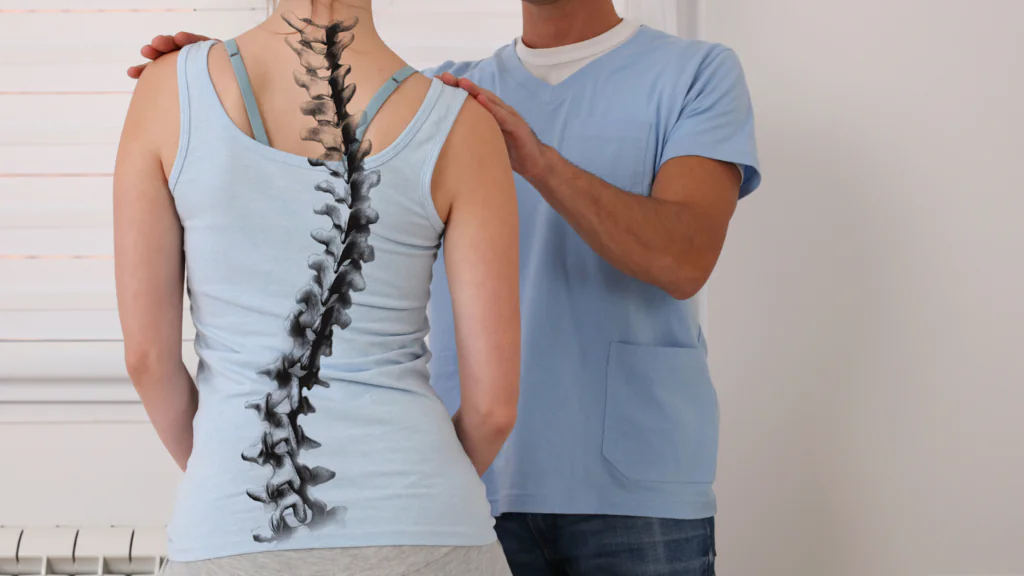
- Chiropractic Care: Chiropractors focus on aligning the spine and joints to improve function and reduce pain. Regular adjustments can enhance your range of motion and help prevent future injuries, making it a beneficial option for athletes.
Incorporating these alternative treatments into your recovery plan can help you regain strength and mobility more effectively.
Always consult with your healthcare provider before starting any new treatment, especially if you're currently undergoing physical therapy.
Balancing traditional and alternative methods can give you a well-rounded approach to healing, allowing you to return to your sport stronger and more resilient.
Make sure you listen to your body and choose what feels right for you!
Conclusion
To summarize, finding the right combination of treatments for sports injury relief is essential for a smooth recovery. By prioritizing rest and recovery, using ice therapy to reduce inflammation, applying compression techniques for support, and engaging in physical therapy, you can regain strength and flexibility. Don't overlook alternative treatments like acupuncture or massage therapy, as they can enhance your healing process. By taking these steps, you'll be back in the game stronger than ever.