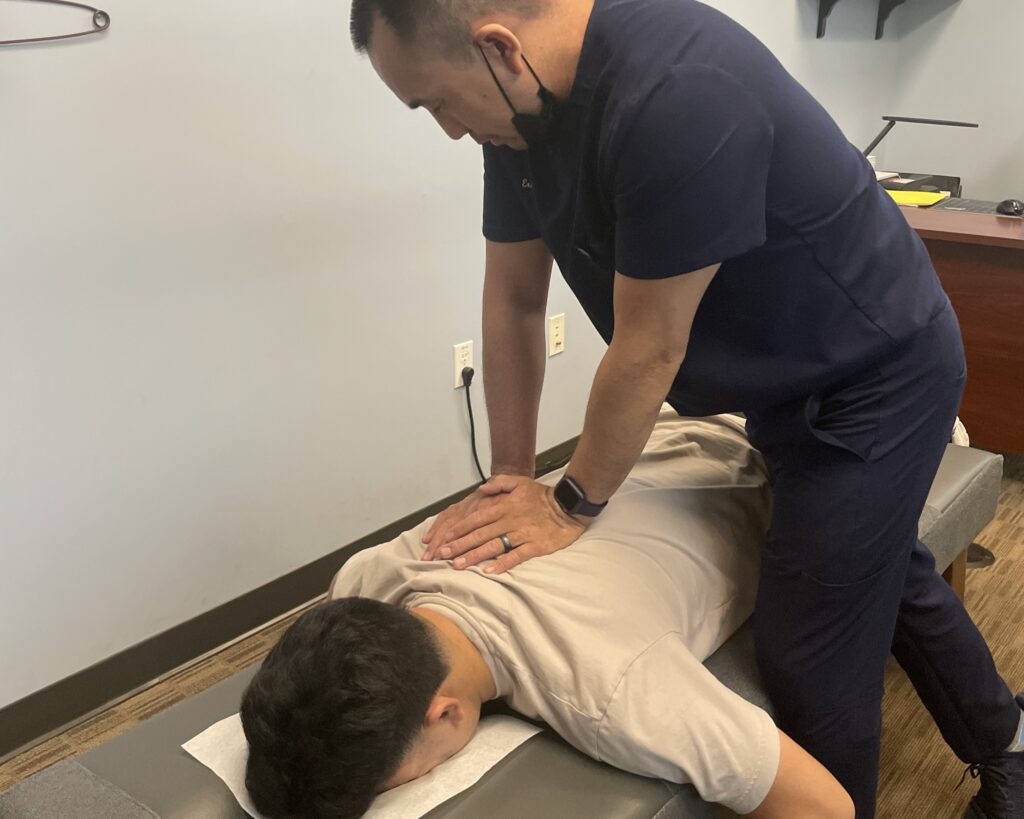
If you're looking to enhance your overall health and prevent chronic diseases, you might want to contemplate the multifaceted approach that chiropractors offer. They not only focus on spinal alignment but also provide valuable insights into nutrition, stress management, and lifestyle changes. By integrating these strategies, chiropractors can help strengthen your body's resilience against various health challenges. Curious about the specific methods they use to achieve these outcomes? Understanding their techniques could lead you toward a more proactive approach to your health.
Enhanced Spinal Alignment
Enhanced spinal alignment plays an important role in your overall health and well-being. When your spine is properly aligned, it supports your nervous system, allowing your body to function at its best. You mightn't realize it, but misalignments can lead to various health issues, including chronic pain, fatigue, and even digestive problems. By maintaining a healthy spine, you can greatly reduce your risk of developing these conditions.
Regular visits to a chiropractor can help you achieve and maintain this alignment. They use specific techniques to adjust your spine, correcting any misalignments. This not only alleviates immediate discomfort but also helps prevent future health problems. You'll likely notice improvements in your posture, which can enhance your overall physical appearance and boost your confidence.
Moreover, enhanced spinal alignment can improve your body's ability to heal itself. When your spine is in alignment, your nervous system can communicate effectively with all parts of your body. This communication is vital for regulating bodily functions, including the immune response. As you experience fewer disruptions in your nervous system, your body becomes more resilient against chronic diseases.
Investing in your spinal health through chiropractic care can also lead to better sleep. With less pain and discomfort, you'll find it easier to relax and rest, which is essential for maintaining overall health.
Improved Joint Mobility
When you improve your joint mobility, you can expect an enhanced range of motion and reduced joint pain.
This not only helps you move more freely but also supports your overall health.
Enhanced Range of Motion
Improving joint mobility is essential for maintaining overall health and preventing chronic diseases. When you enhance your range of motion, you're not just improving your physical capabilities; you're also supporting your body's resilience against chronic conditions like arthritis, heart disease, and diabetes.
Regular chiropractic adjustments can greatly boost your joint mobility, allowing you to move more freely and comfortably.
Here are some key benefits of enhanced range of motion:
- Increased Flexibility: More flexibility in your joints helps you perform daily activities with ease.
- Better Posture: Improved joint alignment contributes to better posture, reducing strain on your muscles and spine.
- Enhanced Athletic Performance: If you're active, better range of motion can help you excel in sports and physical activities.
- Lower Risk of Injury: Increased mobility reduces your chances of injuries by allowing your body to adapt better to physical demands.
Reduced Joint Pain
Many people experience joint pain that can hinder their daily activities and overall quality of life. If you're one of them, you know how frustrating it can be to navigate through tasks while in discomfort.
Fortunately, chiropractors specialize in reducing joint pain and improving mobility, helping you regain control over your life. Chiropractic adjustments work by realigning your spine and joints, relieving pressure on nerves and reducing inflammation.
When your joints are properly aligned, you'll notice a significant decrease in pain, allowing you to move more freely. Regular chiropractic care can also help maintain joint function, preventing stiffness and further deterioration.
In addition to adjustments, chiropractors often recommend exercises and stretches tailored to your specific needs. These movements strengthen the muscles surrounding your joints, providing better support and stability.
As your joints become more mobile and pain decreases, you'll find it easier to engage in daily activities, from exercising to simply walking without discomfort.
Pain Management Techniques
Pain management techniques are essential tools in a chiropractor's arsenal, helping patients find relief and improve their quality of life.
When you visit a chiropractor, you'll likely experience a combination of methods designed to address your pain effectively. These techniques not only alleviate discomfort but also empower you to take charge of your health.
Here are some commonly used pain management techniques that you might encounter:
- Spinal Manipulation: This hands-on technique realigns your spine, improving mobility and reducing pain.
- Physical Therapy Exercises: Tailored exercises help strengthen your muscles and enhance flexibility, which can aid in pain relief and prevent future issues.
- Massage Therapy: Targeted manipulation of soft tissues can ease tension, improve circulation, and promote relaxation.
- Cold and Heat Therapy: Applying cold packs or heat pads can reduce inflammation and soothe aching muscles, providing immediate relief.
Stress Reduction Strategies
When stress takes a toll on your body, incorporating effective stress reduction strategies can greatly enhance your overall well-being. Chiropractors often help you identify stressors and offer practical techniques to manage them. One of the most impactful methods is spinal manipulation. By aligning your spine, you can improve your body's ability to cope with stress, reducing tension and promoting relaxation.
Breathing exercises are another simple yet powerful strategy. Taking a few moments to focus on your breath can calm your mind and lower your heart rate. Your chiropractor can guide you in developing a routine that includes deep breathing techniques. Pairing this with regular physical activity, like walking or yoga, can further boost your mood and reduce anxiety.
Mindfulness and meditation practices are also effective in combating stress. Chiropractors may recommend incorporating these techniques into your daily routine to help you stay present and reduce racing thoughts. By focusing on the moment, you can cultivate a sense of calm and clarity.
Additionally, ensuring you get adequate sleep is essential for stress management. A well-rested body and mind are more resilient to stressors. Your chiropractor can offer advice on sleep hygiene and suggest adjustments that may help improve your sleep quality.
Nutritional Guidance
Nutrition plays an important role in preventing chronic diseases and maintaining overall health. As you work with chiropractors, they'll likely stress the importance of a balanced diet tailored to your individual needs. Proper nutrition can help you manage weight, reduce inflammation, and lower your risk of conditions like diabetes and heart disease.
Chiropractors often provide nutritional guidance to help you make informed choices. They focus on whole foods rich in nutrients, aiming to boost your immune system and enhance your body's natural healing processes.
Here are some key aspects you might discuss with your chiropractor:
- Whole Foods: Emphasizing fruits, vegetables, whole grains, and lean proteins over processed foods helps support ideal health.
- Anti-Inflammatory Foods: Incorporating foods like fatty fish, nuts, and leafy greens can help reduce inflammation, a common factor in chronic diseases.
- Hydration: Drinking enough water is crucial for maintaining bodily functions and can aid in digestion and nutrient absorption.
- Balanced Macronutrients: A proper balance of carbohydrates, proteins, and fats guarantees your body has the energy it needs while supporting overall wellness.
Personalized Exercise Plans
Creating a personalized exercise plan is essential for achieving your long-term health goals.
By developing tailored fitness regimens, you can address your unique needs while also incorporating injury prevention strategies.
This approach not only enhances your overall well-being but also empowers you to take control of your health journey.
Tailored Fitness Regimens
Tailoring fitness regimens to individual needs can greatly enhance your overall health and prevent chronic diseases. When you work with a chiropractor, they can help you create a personalized exercise plan that aligns with your specific goals, abilities, and health concerns.
This customized approach not only boosts your motivation but also maximizes the effectiveness of your workouts.
Here are some key benefits of tailored fitness regimens:
- Improved Muscle Strength: Targeted exercises can enhance muscle strength, which supports joint health and reduces injury risk.
- Enhanced Flexibility: Customized stretching routines can improve your flexibility, making daily activities easier and more enjoyable.
- Weight Management: A personalized plan can help you achieve and maintain a healthy weight, reducing the risk of obesity-related diseases.
- Increased Endurance: Tailored cardiovascular workouts can boost your stamina, allowing you to engage in daily activities with greater ease.
Injury Prevention Strategies
Incorporating personalized exercise plans is essential for effective injury prevention. When you work with a chiropractor, they can assess your unique physical condition and lifestyle, ensuring that your exercise regimen is tailored specifically to your needs. This personalized approach helps you avoid injuries that often occur from improper technique or unsuitable activities.
Your chiropractor will help you identify your strengths and weaknesses, allowing for a well-rounded plan that focuses on improving flexibility, strength, and endurance. For instance, if you're prone to lower back pain, your plan may include specific core-strengthening exercises that enhance stability and support your spine.
Moreover, your plan can adapt over time as your body changes or as you progress in your fitness journey. This adaptability is vital; it helps prevent overuse injuries by gradually increasing the intensity and complexity of your workouts.
Long-term Health Goals
Regularly setting long-term health goals through personalized exercise plans is essential for maintaining overall wellness. These plans help you stay focused and motivated, making it easier to achieve your fitness aspirations while preventing chronic diseases.
You'll benefit from working with a chiropractor who can assess your unique needs and create a tailored program just for you.
Here are some key elements to evaluate when developing your personalized exercise plan:
- Specific Goals: Identify clear, achievable objectives, like losing weight or increasing endurance.
- Regular Assessments: Schedule periodic evaluations to track your progress and adjust your plan as needed.
- Variety of Activities: Incorporate a mix of cardiovascular, strength, and flexibility exercises to keep things engaging and prevent boredom.
- Support and Accountability: Partner with a chiropractor or fitness professional to provide guidance, motivation, and encouragement throughout your journey.
Lifestyle Modification Support
Lifestyle modification support is essential for individuals seeking to improve their overall health and prevent chronic diseases. Chiropractors play a pivotal role in guiding you through these changes by providing personalized recommendations that fit your unique lifestyle and health needs. They help you identify habits that may be detrimental to your health and offer practical solutions to replace them with healthier choices.
One of the key areas chiropractors focus on is nutrition. They can educate you about balanced diets, portion control, and the importance of whole foods. By understanding proper nutrition, you can make informed choices that contribute to long-term health and disease prevention.
Additionally, chiropractors often encourage you to stay active. They may suggest tailored exercise regimens that align with your fitness level and goals, helping you incorporate physical activity into your daily routine.
Stress management is another vital component. Chiropractors can provide strategies to reduce stress, such as relaxation techniques, mindfulness, and proper sleep hygiene. When you manage stress effectively, you're more likely to maintain a healthier lifestyle overall.
Moreover, chiropractors emphasize the importance of regular check-ups and maintaining your spinal health. By keeping your body aligned, you can enhance your overall well-being, making it easier to stick to your lifestyle modifications.
Immune System Boosting
As you navigate your journey toward better health, boosting your immune system becomes essential in preventing chronic diseases. Chiropractors play an important role in this process by focusing on the body's overall wellness and ensuring that your nervous system functions effectively.
When your nervous system is aligned and functioning correctly, it can greatly impact your immune response, helping you fend off illnesses more effectively.
Here are some ways chiropractors support immune system boosting:
- Spinal Adjustments: Regular chiropractic adjustments help maintain proper spinal alignment, which can improve communication between your brain and immune system.
- Stress Reduction: Chiropractors provide techniques that can help reduce stress levels. Lower stress means a more robust immune system, as stress hormones can weaken your immune response.
- Nutritional Guidance: Many chiropractors offer advice on nutrition that supports immune health, ensuring you get the vitamins and minerals your body needs to defend against disease.
- Lifestyle Recommendations: Chiropractors often discuss lifestyle choices, such as exercise and sleep, which play important roles in maintaining a healthy immune system.
Education on Chronic Conditions
How well do you understand the chronic conditions that can impact your health? Many people don't realize how interconnected lifestyle choices and chronic diseases are. Chiropractors play an essential role in educating you about these conditions, empowering you to take control of your health. They provide insights into common chronic illnesses like diabetes, heart disease, and arthritis, helping you recognize symptoms and risk factors.
By discussing these conditions, chiropractors can tailor their treatment plans to suit your specific needs. They often explain how poor posture, spinal misalignment, and even stress can exacerbate chronic conditions. Understanding the root causes can motivate you to make changes that reduce your risk.
In your sessions, you'll learn practical strategies to manage your health. This includes advice on nutrition, exercise, and stress management—all fundamental for preventing chronic diseases. Chiropractors can guide you in setting realistic goals that fit your lifestyle, making it easier to adopt healthier habits.
Moreover, they can provide resources and referrals to specialists, ensuring you have a thorough support system. This proactive approach encourages you to stay informed and engaged in your health journey.
Ultimately, education isn't just about understanding chronic conditions; it's about equipping you with the knowledge and tools to prevent them. By working with a chiropractor, you're taking a significant step towards a healthier future, empowering yourself to make informed choices that enhance your overall well-being.
Holistic Wellness Approach
When you consider a holistic wellness approach, you're looking at your health from all angles.
All-encompassing lifestyle assessments, nutritional guidance, and stress management techniques can greatly impact your overall well-being.
Comprehensive Lifestyle Assessments
Thorough lifestyle evaluations play an essential role in a holistic wellness approach, enabling chiropractors to evaluate not just physical health, but also emotional, social, and environmental factors affecting your well-being.
These evaluations help identify patterns and habits that may contribute to chronic diseases, allowing for tailored interventions that promote overall health.
During these evaluations, your chiropractor may explore various aspects of your life, including:
- Physical Activity: Understanding your exercise routine and movement patterns.
- Stress Management: Evaluating how you cope with stress and its impact on your health.
- Social Connections: Evaluating the quality of your relationships and support systems.
- Environmental Influences: Considering how your surroundings affect your lifestyle choices.
Nutritional Guidance and Support
After evaluating your lifestyle, nutritional guidance becomes a key component in supporting your overall well-being. Chiropractors can help you identify dietary habits that may contribute to chronic issues. They'll assess your current food intake and suggest changes that align with your health goals.
You might find that incorporating more whole foods, such as fruits, vegetables, and lean proteins, can greatly enhance your energy levels and immune function.
Additionally, chiropractors often emphasize the importance of balancing macronutrients and staying hydrated, which can have positive effects on your overall health.
Moreover, they can guide you on portion control and mindful eating practices. This not only aids in weight management but also prevents the development of chronic conditions.
You'll learn about the benefits of specific vitamins and minerals that promote healing and recovery, especially if you've got ongoing health concerns.
Stress Management Techniques
Stress management is essential for maintaining your overall health, particularly in preventing chronic diseases. When you manage stress effectively, you reduce the risk of various health issues, including heart disease, diabetes, and mental health disorders.
Chiropractors often incorporate stress management techniques into their holistic approach, helping you achieve better wellness and a balanced life.
Here are some effective stress management techniques that you can integrate into your routine:
- Deep Breathing Exercises: Taking deep, intentional breaths can calm your mind and reduce tension in your body.
- Mindfulness Meditation: Practicing mindfulness helps you stay present and focused, decreasing anxiety and promoting emotional well-being.
- Regular Physical Activity: Engaging in exercise not only boosts your mood but also releases endorphins, acting as a natural stress reliever.
- Social Support: Connecting with friends and family can provide emotional support and help you cope with stressors more effectively.
Conclusion
Incorporating chiropractic care into your health routine can greatly bolster your efforts in chronic disease prevention. By focusing on spinal alignment, joint mobility, and personalized lifestyle modifications, you'll not only alleviate pain but also enhance your overall well-being. Embracing nutritional guidance and stress reduction techniques will empower you to lead a healthier, more vibrant life. Remember, regular check-ups can keep you on track, ensuring you stay proactive in managing your health and preventing chronic conditions.